

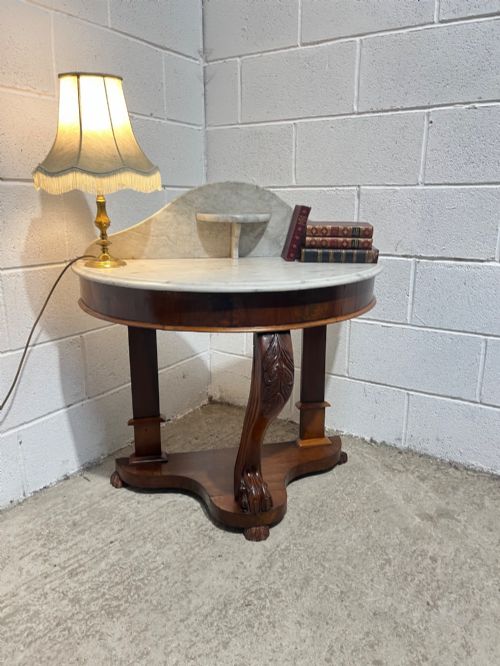
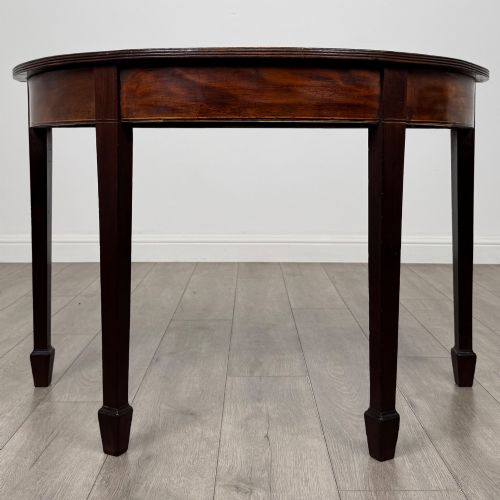
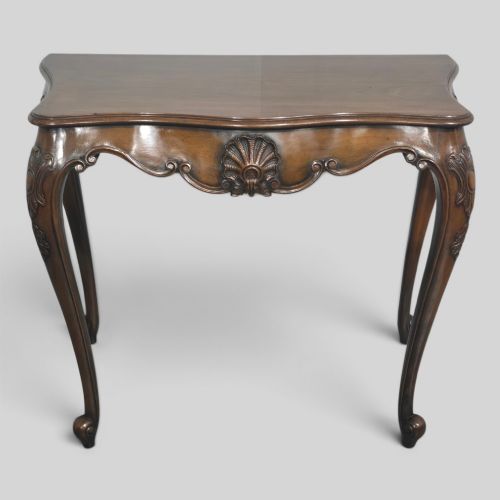
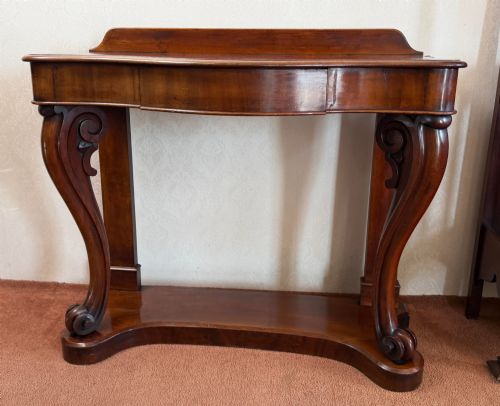
Antique Mahogany Wall Table
An antique mahogany wall table brings architectural presence and rich timber tone into a room, serving as a striking focal point for display.
Understanding the antique mahogany wall table
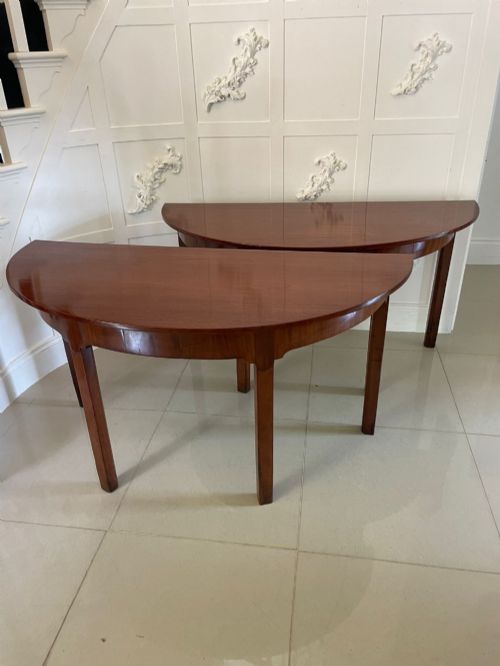
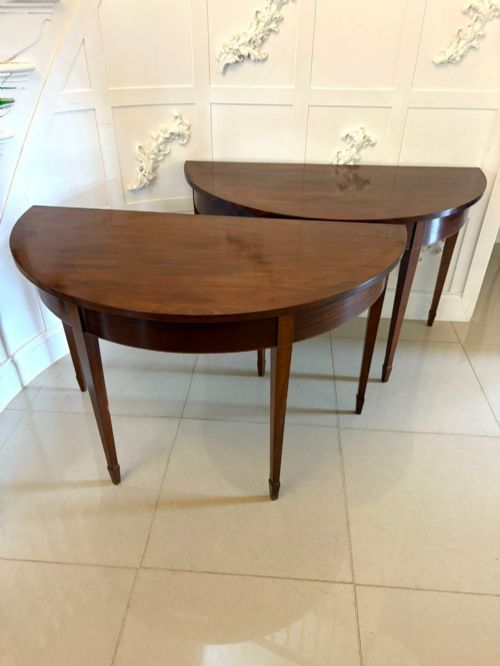
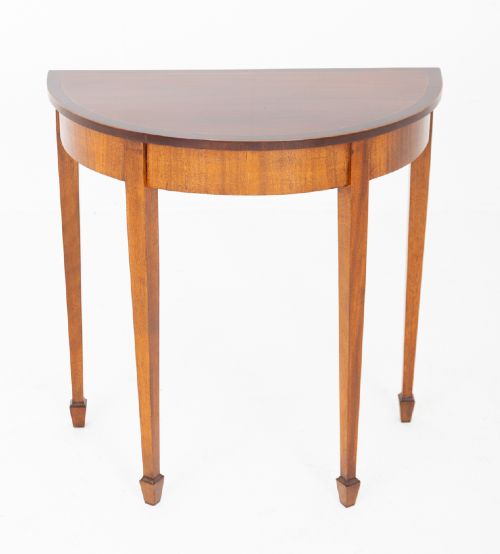
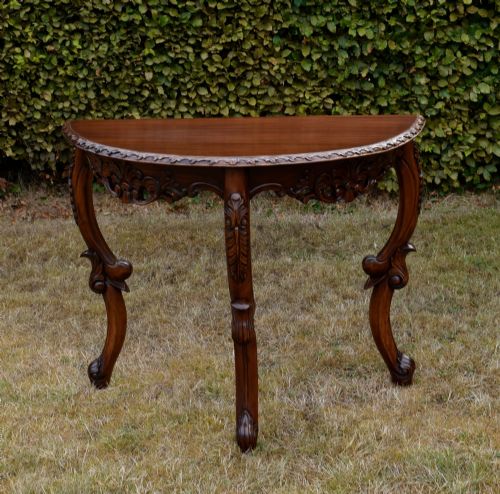
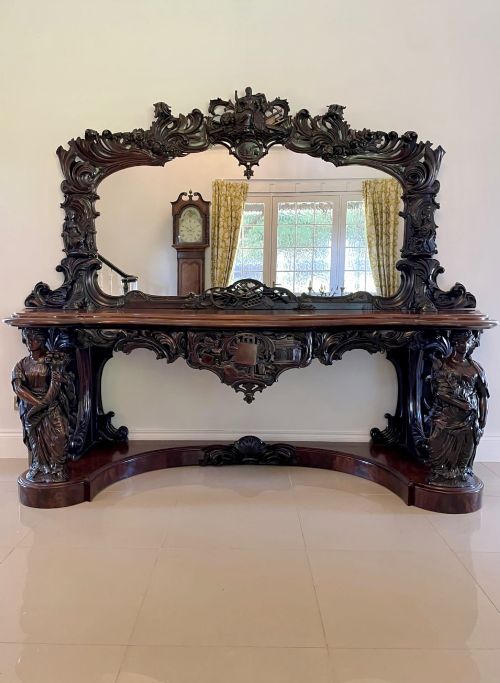
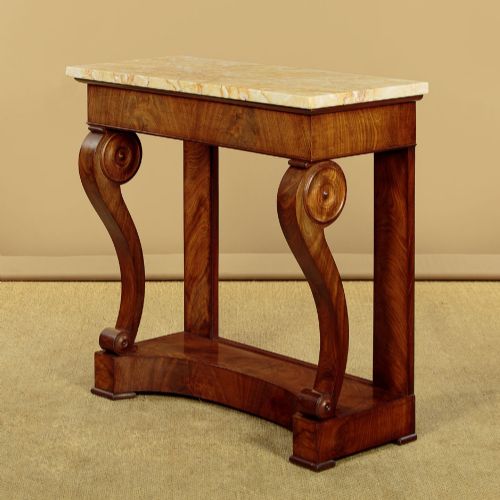
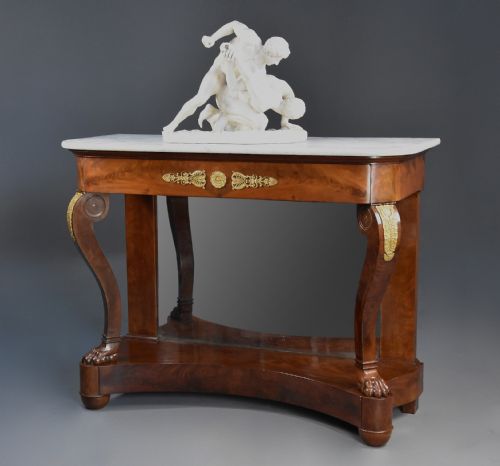
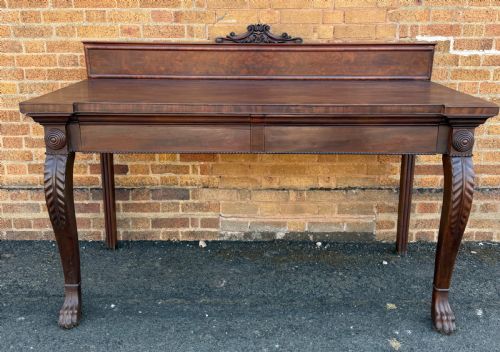
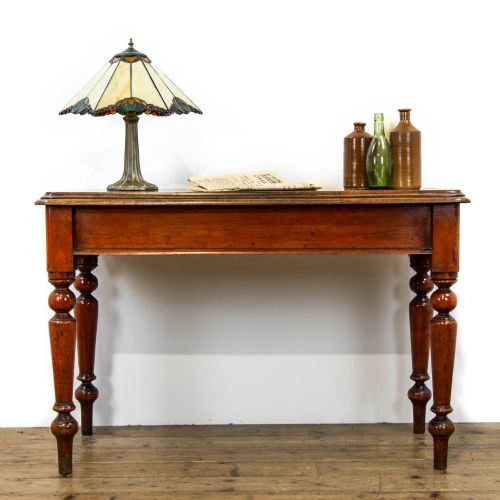
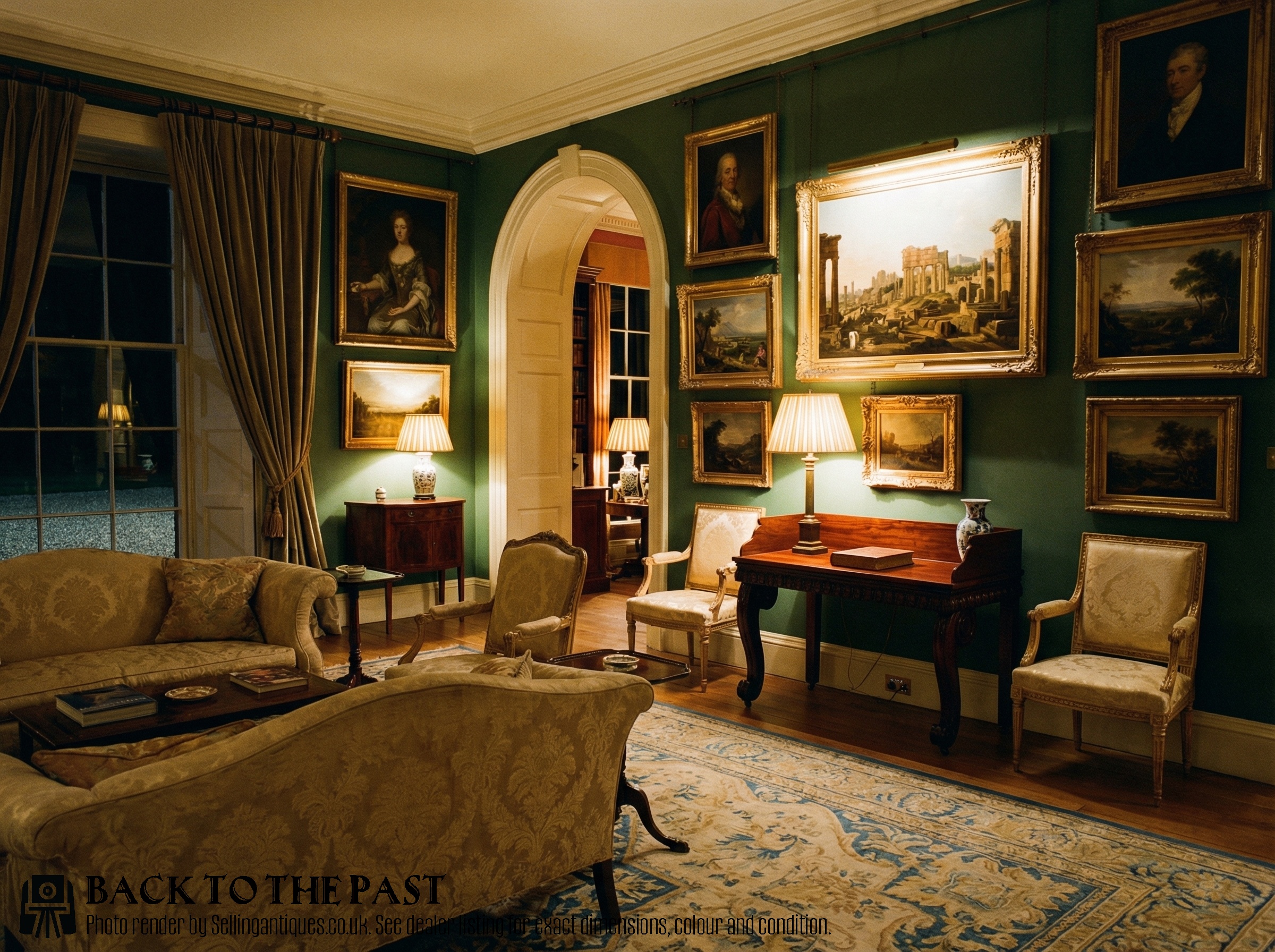
When you search for an antique mahogany wall table, you encounter console tables, pier tables, and demi-lune shaped pieces designed to stand flush against a room's perimeter. The listings show forms spanning the George III, Georgian, Regency, William IV, Victorian Rococo Revival, and French Charles X periods, reaching back to around seventeen-fifty.
Materials and construction methods
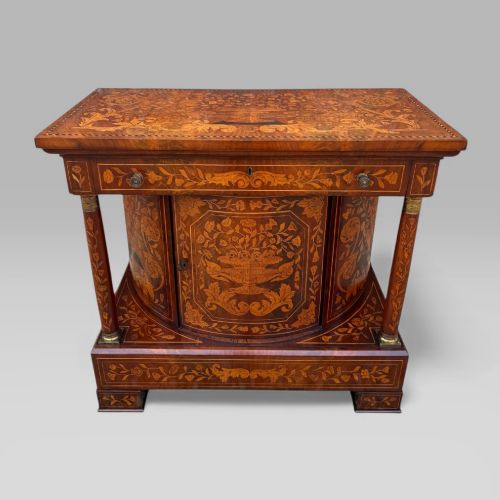
These pieces are built using solid mahogany and mahogany veneer over supportive secondary timbers, often accented with satinwood and boxwood inlay to create sharp geometric or floral contrasts. Master cabinetmakers shaped the dense wood using traditional hand tools, joinery, and turning techniques suited to the demands of each stylistic era.
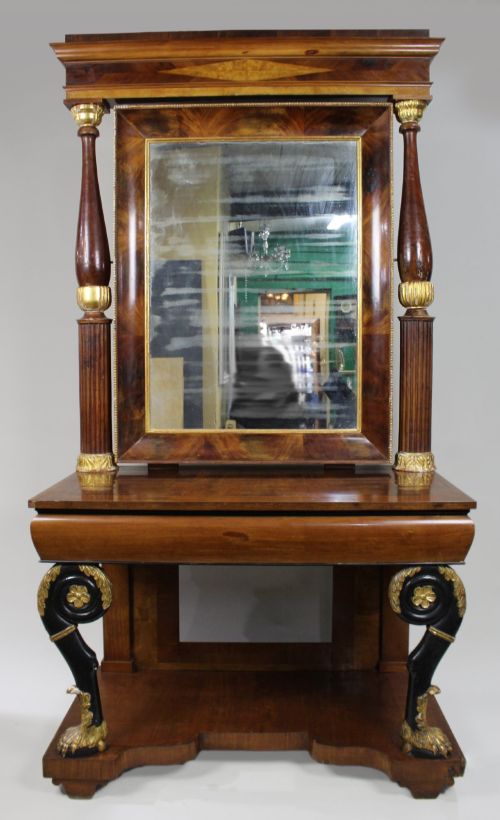
Surface embellishments incorporate cast or chased ormolu mounts, brass details, and inserted glass elements, alongside substantial marble tops that provide heavy, contrasting surfaces. Carved structural elements display deep relief work, particularly on Victorian revival and exhibition quality items.
Retail Price Guide 2026
Typical UK retail prices for mahogany wall table, calculated from the Sellingantiques database of over a million retail prices indexed since 2003. This retail price guide relies exclusively on Sellingantiques data; no external sources or auction records are used, so the figures do not describe the wider market.
The listings on this site encompass pieces from the eighteenth and nineteenth centuries, featuring marble, glass, brass, and ormolu alongside solid mahogany and veneer.
Distinguishing quality across the range
The highest tier of these tables is distinguished by exceptional figuration in the mahogany grain, superior timber selection, and crisply executed hand-carving that retains its sharp contours. Lesser examples rely on plainer veneers and simpler structural turning without the refined decorative inlay or architectural bronze mounts seen on exhibition pieces.
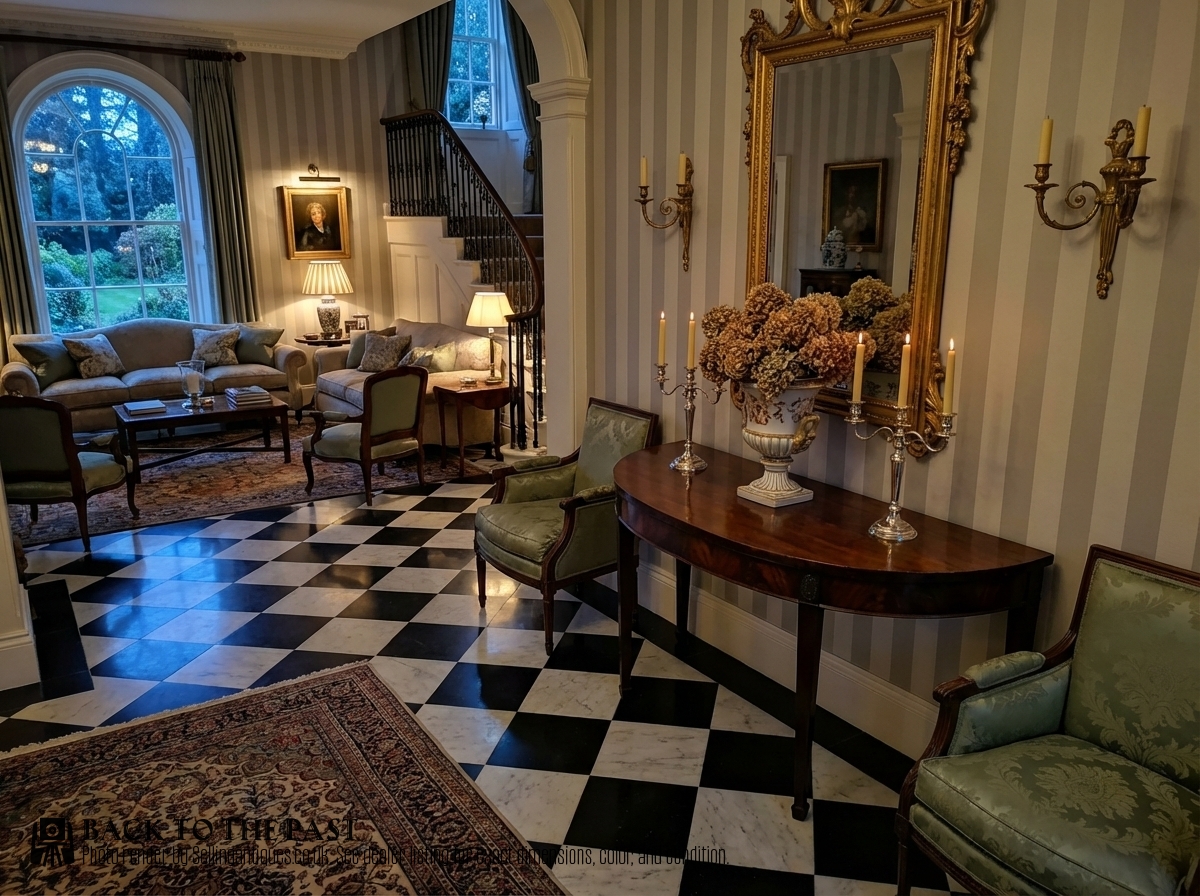
Proportion and execution of secondary details, such as matching marble slabs and precise brass or ormolu mounts, separate standard production furniture from bespoke items associated with notable design manners like Gillows or Robert Adam.
Gillows·Robert Adam
The Antique Mahogany Wall Table Glossary
- Demi-lune
- A half-moon shape used for table tops and frames designed to sit flat against a wall. This profile became particularly popular during the late eighteenth century for pier and console placement.
- Console table
- A table supported by wall brackets or console legs rather than four independent vertical posts. These pieces are intended to stand permanently against a vertical surface.
- Pier table
- A table designed specifically to fit against the wall space between two windows, frequently paired with a matching wall mirror above. They often feature shallow depths to suit narrow wall spaces.
- Ormolu
- Gilded bronze mounts applied to furniture for decorative contrast during the eighteenth and nineteenth centuries. The technique involves treating bronze with an amalgam of gold.
- Satinwood
- A lustrous, yellow-toned timber utilised for contrasting inlay work and banding on mahogany furniture. It provides a bright visual accent against darker primary woods.
Frequently Asked Questions
What is a console table?
A console table is a narrow piece of furniture designed to stand flat against a wall, frequently anchored or supported by decorative brackets rather than four freestanding legs.
Historically placed in hallways or reception rooms, these tables held decorative objects, lamps, or urns without taking up significant floor space.
How do I identify a George III table?
George III pieces typically exhibit classic neo-classical proportions, balanced symmetry, and refined timber selection such as figured mahogany.
Look for restrained boxwood or satinwood inlay work and architectural lines that reflect the dominant design philosophy of the later eighteenth century.
Where should I place a wall table?
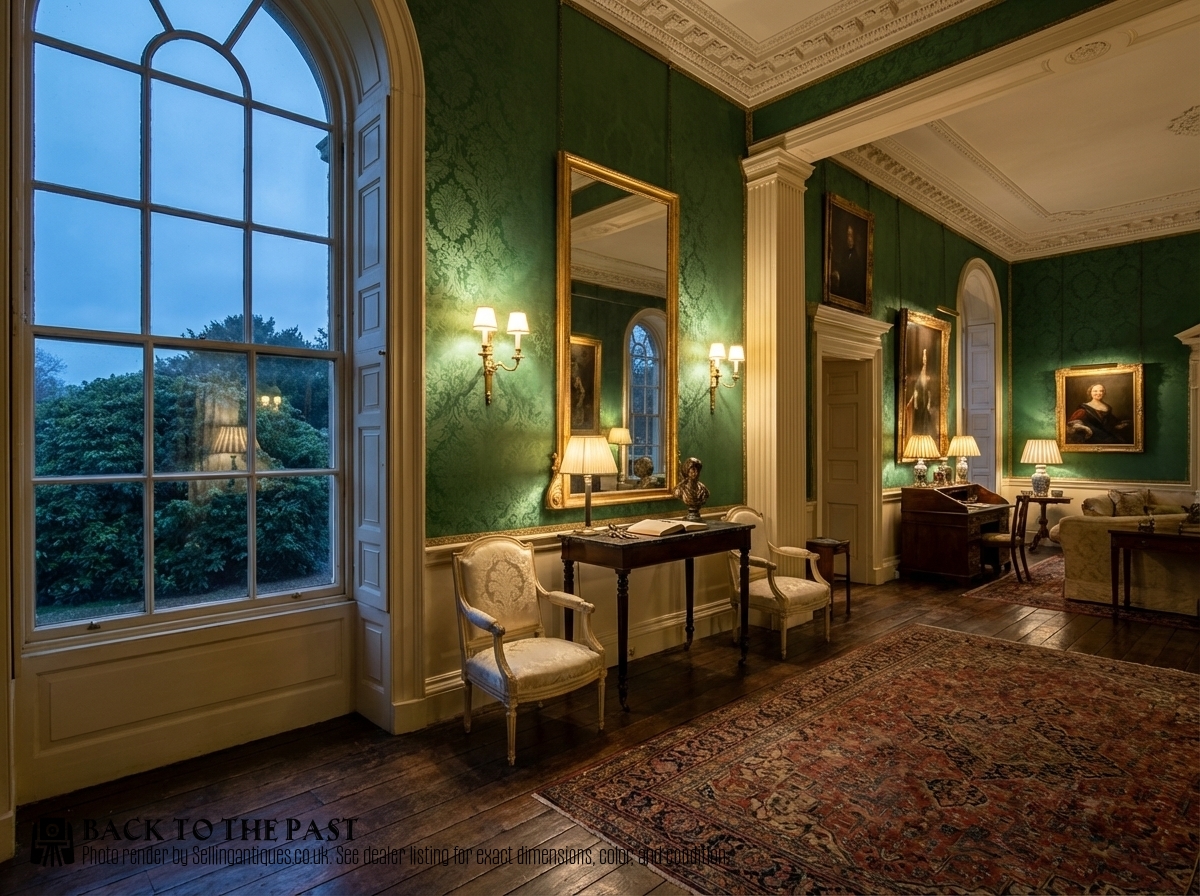
These tables belong flat against a wall in hallways, living rooms, or dining spaces where their shallow depth maintains clear walkways.
Piers between windows or beneath large wall mirrors provide traditional locations that complement their original architectural purpose.
What is mahogany veneer?
Mahogany veneer consists of thin slices of highly figured timber applied over a sound secondary wood base to display striking grain patterns.
This technique allowed cabinetmakers to showcase decorative swirling figures while maintaining structural stability across large table surfaces.