


Antique Mahogany Timekeeper
An antique mahogany timekeeper brings mechanical precision and rich timber grain together, offering a practical centrepiece for any room.
Antique Mahogany Timekeeper
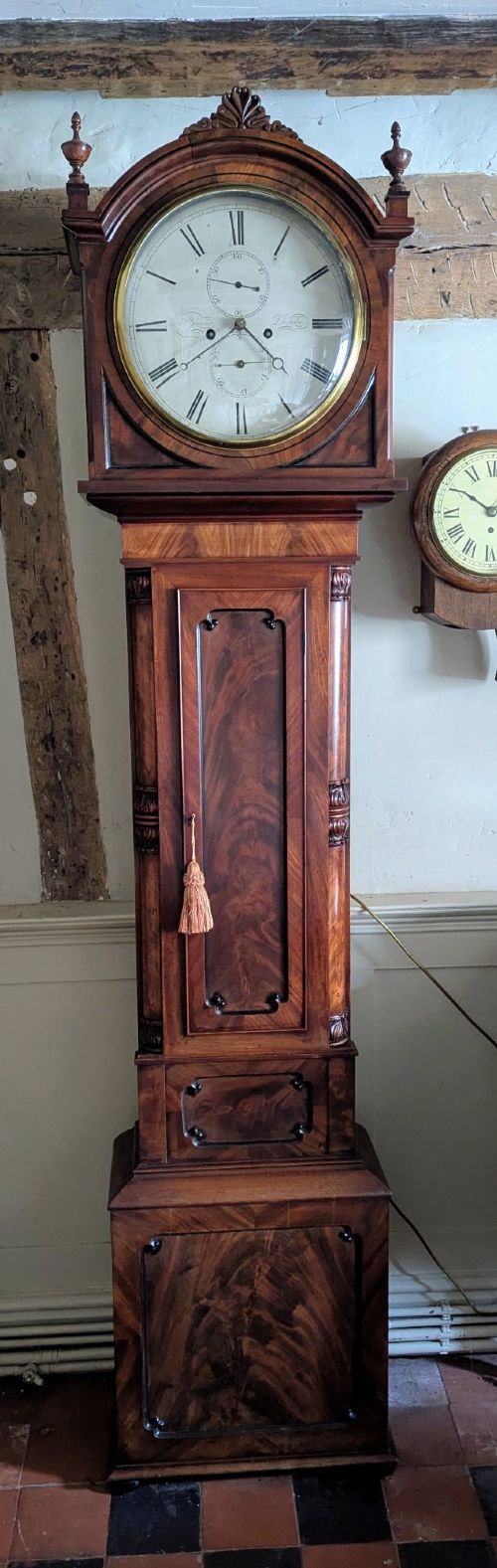
When searching for an antique mahogany timekeeper, buyers encounter a diverse selection of functional horological objects spanning multiple centuries. These range from imposing longcase and grandfather clocks to wall dials, bracket clocks, and mantel pieces housed in rich brown timber.
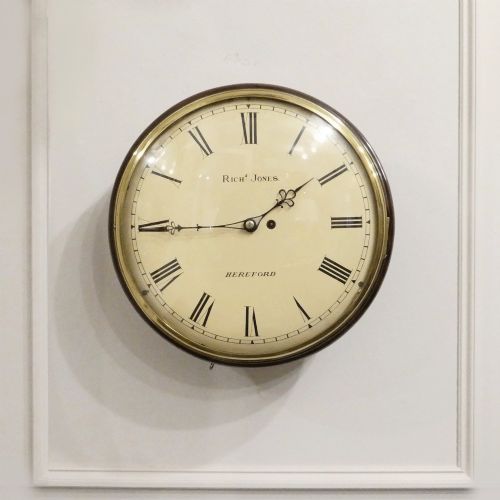
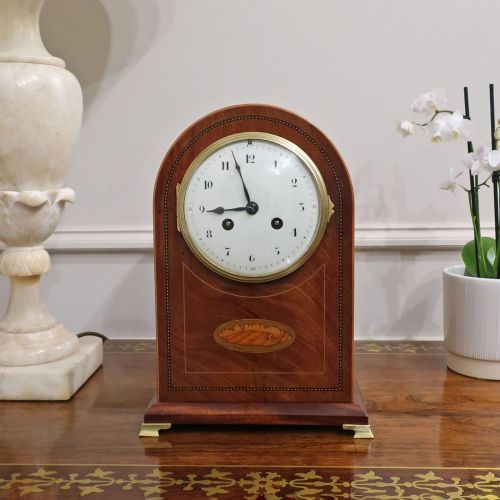
The most common examples on this page are mantel clocks and wall clocks dating from the Victorian and Edwardian periods, alongside earlier Georgian and Regency specimens. These pieces vary widely in scale, from large drop-dial wall clocks intended for public and domestic spaces to compact desk clocks and miniature balloon shapes.
Alongside conventional clocks, the category occasionally embraces related objects designed to measure the passage of hours, such as nautical hourglasses and pocket watches. Each version reflects the horological demands of its era, combining utility with cabinet-making traditions.
Assessing quality and craftsmanship
Quality in an antique mahogany timekeeper rests upon the precision of the internal movement and the crispness of the exterior cabinet work. Finer examples display meticulous joinery, balanced proportions, and sophisticated mechanisms such as fusee movements or moon dials.
The distinction between standard domestic pieces and superior examples often lies in the refinement of the timber selection, the integration of delicate satinwood or brass inlay, and the hand-finished details on the dial and case.
Antique Mahogany Timekeeper Retail Price Guide 2026
Typical asking prices for mahogany timekeeper among the pieces listed under this phrase on Sellingantiques today, from the lower quarter to the upper quarter. They describe what is for sale here now, not the wider market.
An antique nautical hourglass waits patiently to measure the fleeting minutes while the mahogany mantel clocks tick steadily along.
Richard Jones of Hereford·W. Burton·Piggin Norwich·Dent of London·J.W. Enock of Warwick·Pearce and Sons Leicester
The Antique Mahogany Timekeeper Glossary
- Fusee
- A conical pulley used in mechanical clocks to maintain even power as the mainspring unwinds. This mechanism improves timekeeping accuracy across the duration of the wind.
- Dial
- The face of the clock where the hours and minutes are displayed. These are commonly manufactured from enamel, painted metal, or brass.
- Longcase clock
- A tall pendulum clock housed in a wooden tower or trunk, also known colloquially as a grandfather clock. These pieces date from Georgian and nineteenth-century traditions.
- Bracket clock
- A portable table or shelf clock originally designed to sit on a architectural bracket. Many surviving examples feature elaborate mahogany cases and carrying handles.
- Regulator
- A precision pendulum clock designed for high accuracy and used as a standard to set other timepieces. They appear frequently in domestic and commercial contexts.
Antique Mahogany Timekeeper: Frequently Asked Questions
How do I wind a fusee clock?
Winding requires a key inserted into the dial aperture, turning it slowly until resistance indicates the spring is fully tensioned.
Care must be taken not to overwind the mechanism, ensuring the fusee chain or cord remains properly seated on the cone.
Where should I place a wall clock?
Wall clocks require a stable interior partition away from excessive dampness or direct sunlight to protect the mahogany case and enamel dial.
Securing the weight directly to solid masonry or internal studs ensures the pendulum hangs plumb and beats evenly.
How do I date a mahogany timekeeper?
Dating relies on stylistic clues such as cabinet proportions, inlay materials, dial signatures, and the evolution of mechanical movements.
Georgian and Regency pieces tend to show heavier architectural lines, whereas Edwardian examples often incorporate lighter marquetry and floral motifs.
Are these clocks suitable for daily use?
Most mechanical timekeepers function reliably for daily use provided they receive professional servicing and regular winding.
Allowing the movement to settle on a level surface ensures the escapement functions correctly over extended periods.