


Antique Mahogany Steps
Antique mahogany steps are clever climbing furniture designed to reach high shelves, and you want them for their combination of practical utility and sculptural form.
Antique Mahogany Steps
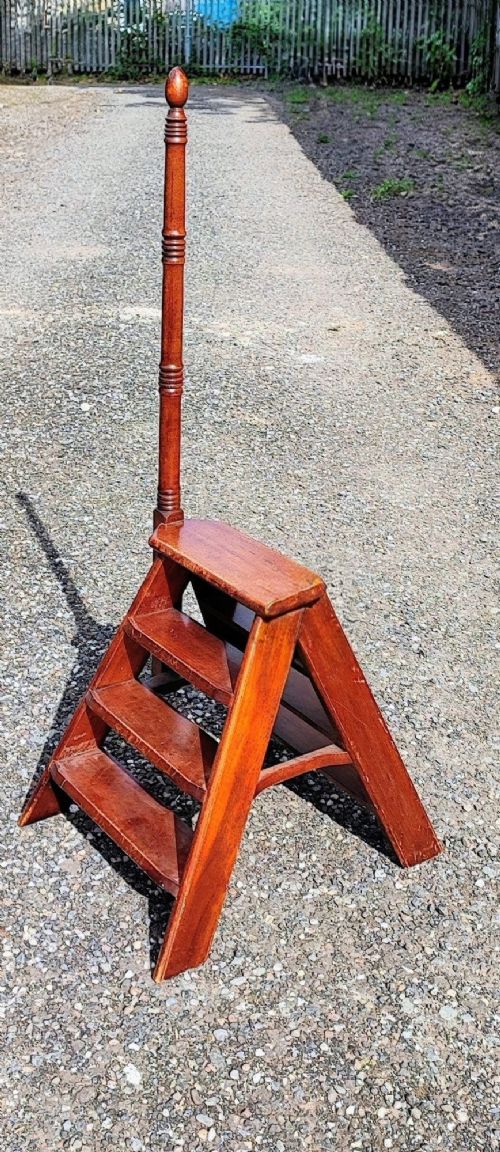
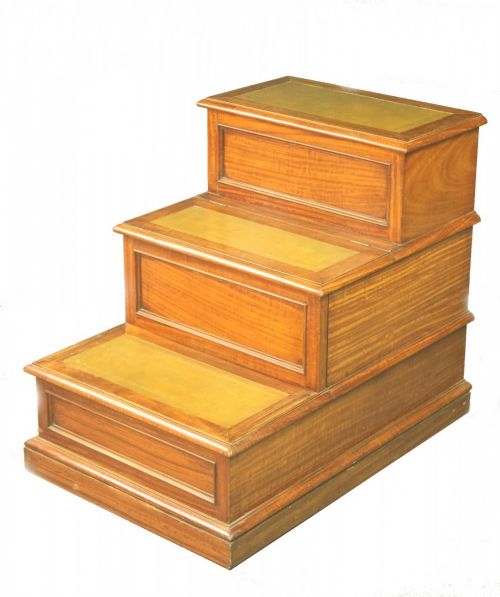
When you search for antique mahogany steps, you encounter several distinct forms spanning the Georgian, Regency, and Victorian periods. The most common survivals on this page are standard library steps designed for domestic book rooms, alongside more compact bed steps.
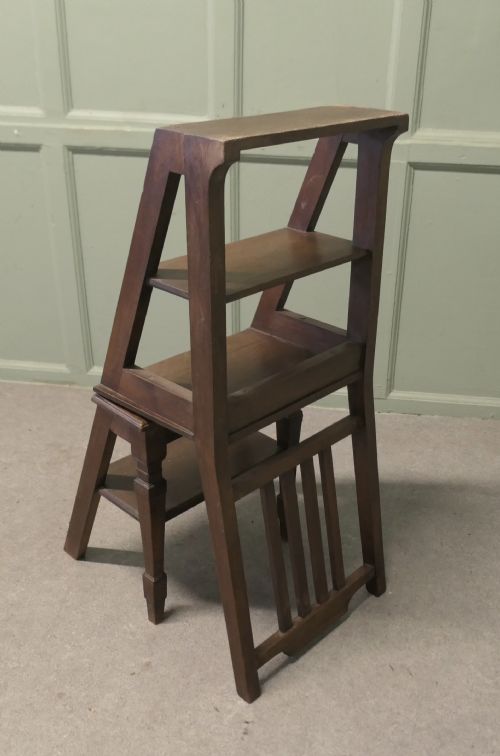
Beyond fixed tiered steps, the evidence shows ingenious dual-purpose pieces that transform from seats into climbing frames. You will find metamorphic library armchairs and chair ladders that conceal their functional treads within domestic seating.
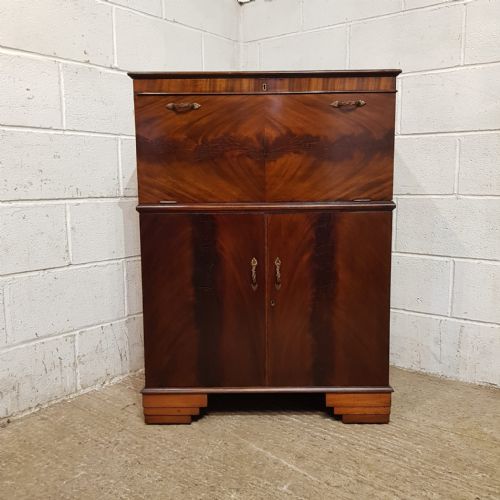
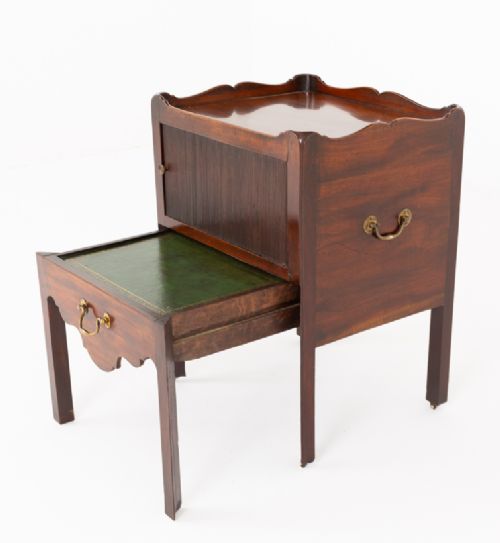
Many examples from the Georgian and Regency eras incorporate commode compartments within their lower stages, blending two distinct household uses into a single piece of mahogany furniture.
Materials and construction
The primary material across these pieces is dense hardwood mahogany, often selected for deep grain patterns and stability. Cabinet makers frequently combined this structural timber with secondary woods for internal framing.
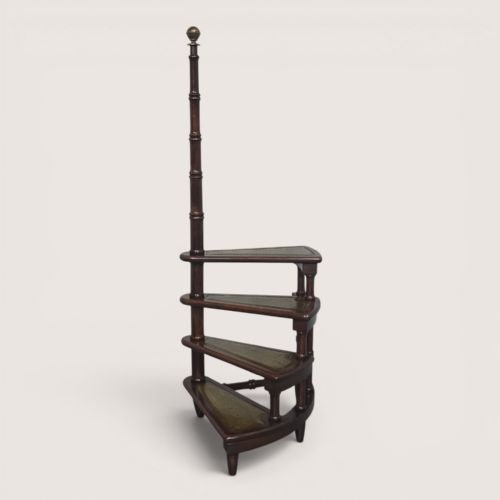
Insets of hand-tooled leather frequently surface on the tread tops, providing grip and a contrasting texture to the polished timber. Brass fittings, hinges, and occasional turned supports complete the primary construction methods recorded in the archive.
Listings feature mahogany, brass, leather, and satinwood across pieces dated from the eighteenth to the early twentieth century.
Distinctions in quality
The distinction between standard utility items and exceptional pieces rests upon the cleverness of the mechanism and the sophistication of the joinery. Metamorphic pieces that shift smoothly from chairs to steps demonstrate superior workshop design compared to fixed tiers.
Surface timber selection also dictates the tier, with figured flame mahogany veneers and crisp hand-carved turning separating standard workshop production from pieces originating in London cabinet houses.
J Jarvis·Morgan and Sanders·Lodge and Co
The Antique Mahogany Steps Glossary
- Metamorphic furniture
- Pieces designed to transform from one form of furniture into another, such as a chair turning into a flight of steps. This engineering was particularly popular during the Regency period.
- Treads
- The horizontal surfaces or steps upon which one places the feet when climbing. In better library pieces, these are frequently inset with leather.
- Commode
- A piece of furniture containing a concealed chamber pot, often integrated into the lower box section of bed steps or library steps during the Georgian era.
- Spiral steps
- Ascending library steps constructed around a central support column rather than rising in a straight linear flight. These often feature turned wooden supports.
- Bed steps
- Smaller tiered steps designed to aid entry into high historical bed frames, frequently doubling as commodes in country house bedrooms.
Antique Mahogany Steps: Frequently Asked Questions
What are metamorphic library steps?
Metamorphic library steps are dual-purpose pieces designed to convert from standard household seating, such as armchairs or stools, into a functional flight of steps.
Cabinet makers engineered hinges and pivots hidden within the timber frame to allow the transformation without compromising stability.
Why did bed steps include commodes?
Historical beds were built high off the floor to avoid drafts, requiring steps for access. Integrating a chamber pot inside the bottom tier made practical use of the hollow enclosed space.
This multi-purpose design was especially common in Georgian and Regency bedrooms where space efficiency mattered.
How do I distinguish library steps from bed steps?
Library steps generally rise through three or four tall tiers to reach high bookshelves, whereas bed steps are typically lower, consisting of two compact steps.
Bed steps more frequently house commode drawers or enclosed cabinets within their lower structures due to their domestic bedroom origins.
Are leather treads original to the steps?
Many surviving pieces retain their original or early leather inserts on the treads, which were tooled to provide grip and a decorative surface.
Because leather wears down under foot traffic, replacement inserts are common on working library examples.