
Antique Mahogany Dining
Antique mahogany dining furniture encompasses sturdy tables, chairs and sideboards from the Georgian through to the Victorian periods that bring warmth and practicality to interior spaces.
Antique Mahogany Dining
Antique mahogany dining furniture covers the tables, seating and storage pieces designed for the principal meal of the day during the eighteenth and nineteenth centuries. Buyers searching this phrase encounter substantial extending dining tables, sets of dining chairs, sideboards and serving pieces.
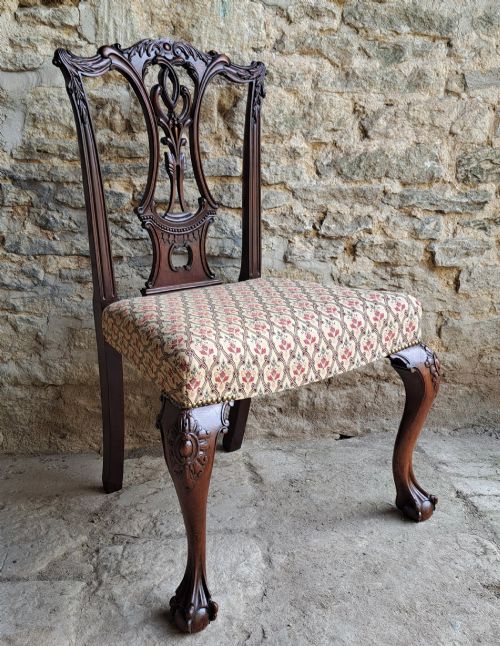
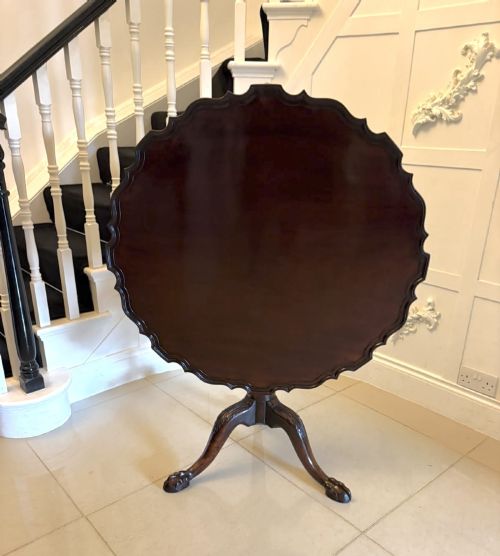
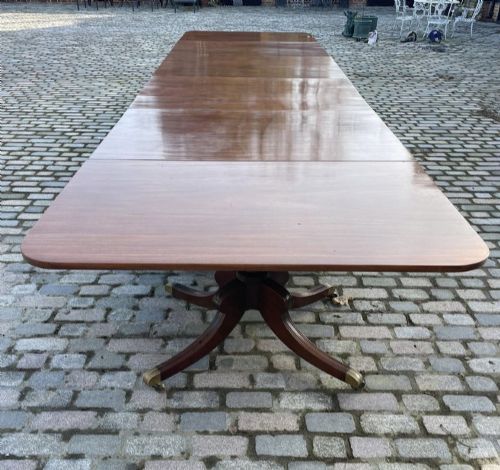
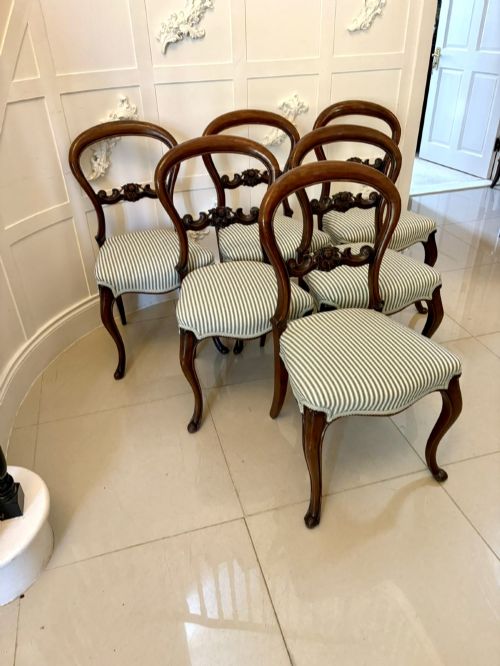
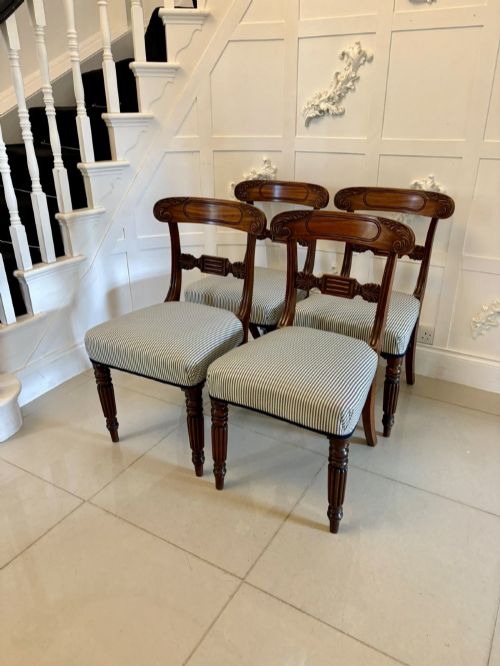
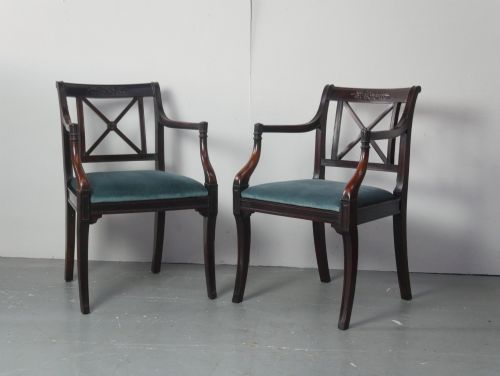
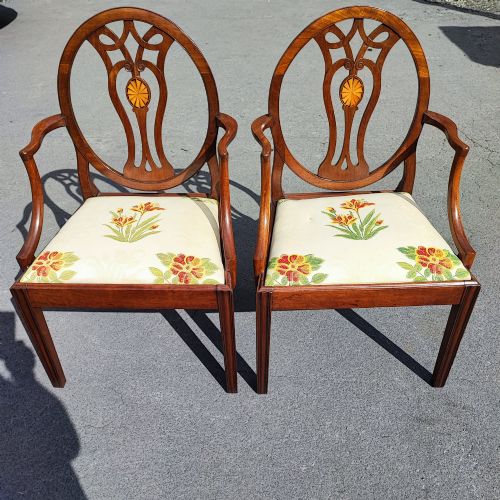
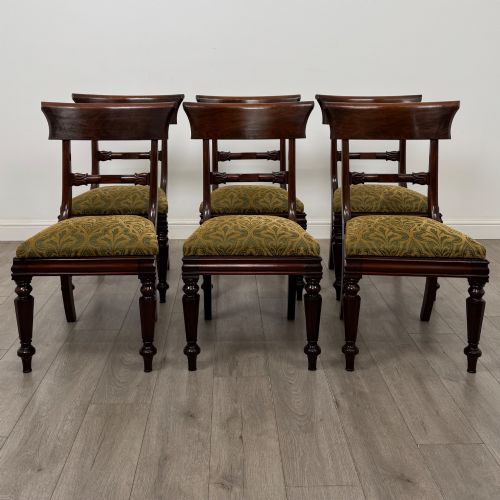
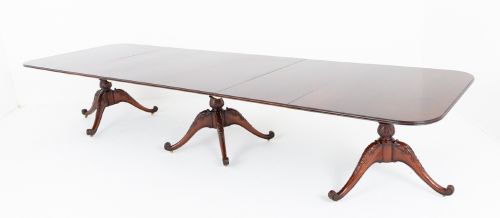
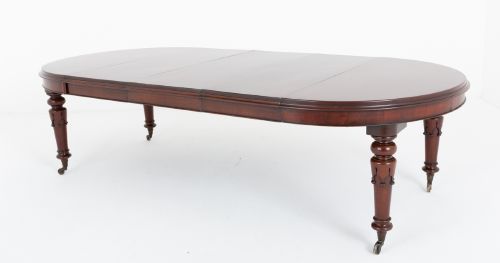
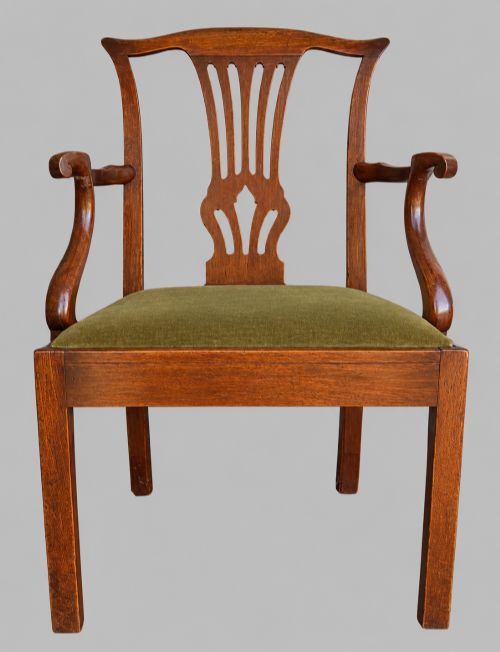
The tables range from tilt-top circular centre pieces to multi-pedestal extending formats capable of seating large gatherings. Seating options appear as matching sets of single chairs and armchairs featuring shield backs, balloon backs or scrolling frames.
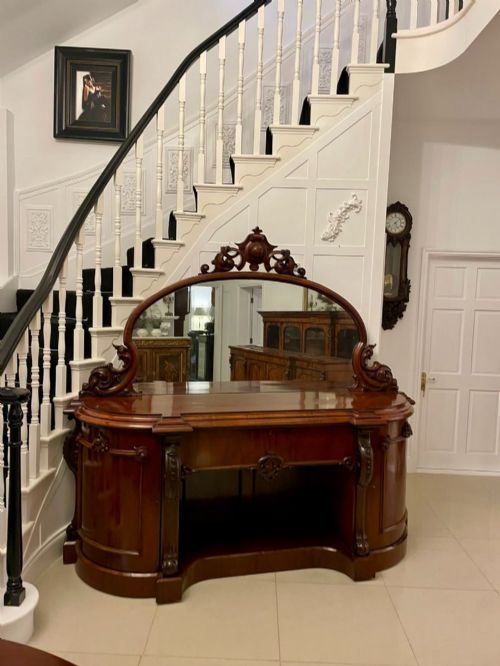
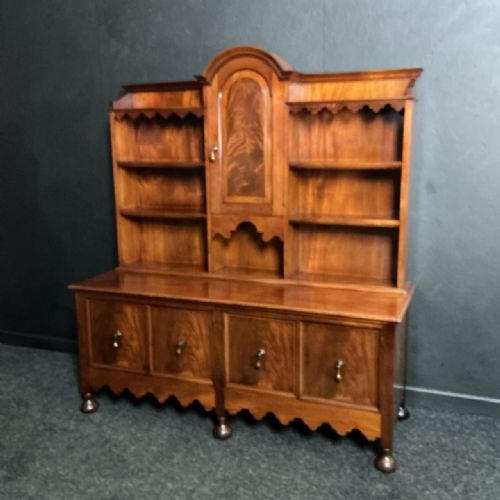
Sideboards and serving tables complete the group, providing storage for tableware and serving surfaces during meals. These items stem from George III, Regency, William IV and Victorian periods, utilising solid timbers and rich veneers.
How they were made
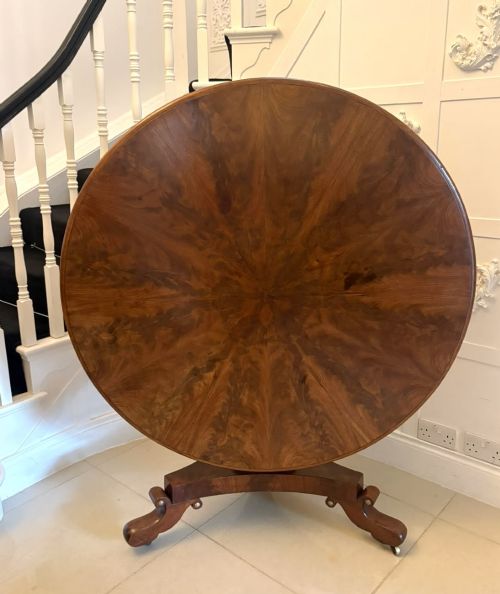
Cabinet makers utilised dense tropical timber, frequently selecting figured mahogany or flame mahogany for visible surfaces to display striking grain patterns. Satinwood and brass inlay frequently accent cabinet doors, table borders and drawer fronts.
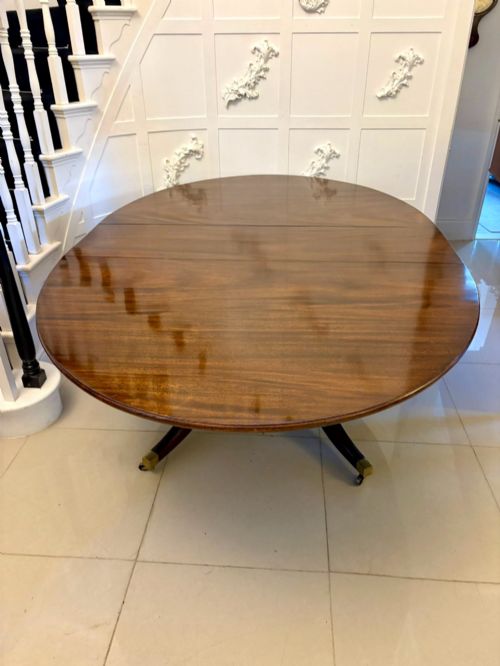
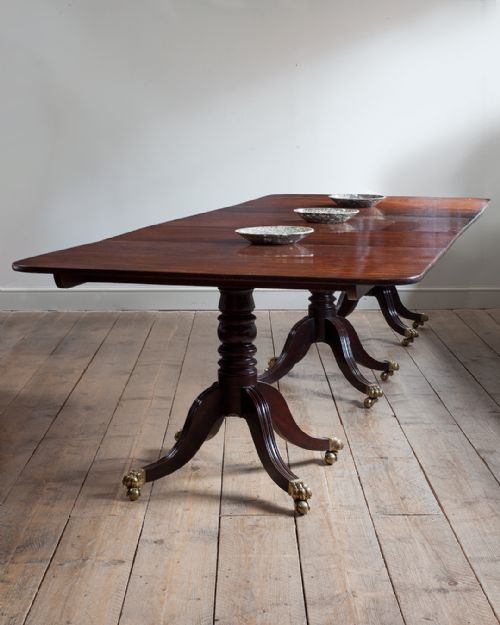
Extending tables relied on sophisticated internal mechanisms, including wind-out systems and removable leaves supported by multiple pedestals or legs fitted with castors. Chairs were constructed with joined frames, carved details, and upholstered seats covered in fabric or velvet.
Some banquet tables require up to four separate pedestals and multiple leaves to accommodate over twenty diners.
What varies in quality
Quality depends upon the selection of timber figures, the crispness of hand-carved details, and the integrity of internal mechanisms. Superior examples exhibit well-matched mahogany veneers, robust extending tracks, and original brass fittings.
Tables with multiple original leaves and stable pillar supports stand apart from later adaptations, while matched sets of dining chairs demonstrate superior consistency in timber selection and joinery.
Gillows of Lancaster·Hewetsons London
The Antique Mahogany Dining Glossary
- Flame mahogany
- A veneer type sliced from timber sections where branches join the trunk, creating a distinctive flickering pattern. This figured wood was prized for cabinet doors and tabletops.
- Tilt-top table
- A table designed with a hinge mechanism allowing the top to pivot vertically when not in use. This clever space-saving feature was common on round centre tables.
- Wind-out table
- An extending dining table operated by a detachable metal crank handle. Turning the handle drives an internal screw mechanism to separate or close the central leaves.
- Pedestal table
- A table supported by one or more central columns rather than four corner legs. These heavy wooden pillars often rest on tripod or quadruped brass-castor feet.
- Chiffonier
- A compact sideboard or low cabinet featuring shelves and enclosed storage below. These pieces served as convenient side servers in dining spaces.
Antique Mahogany Dining: Frequently Asked Questions
How do I measure for an extending table?
Measure your dining room space while allowing sufficient clearance around the perimeter for chairs to pull out comfortably. Account for the maximum number of leaves the table accepts when fully extended.
Check whether the pedestals or legs shift positions as the table opens to ensure diners avoid hitting their legs on the base supports.
How do I care for antique mahogany surfaces?
Dust the wood regularly with a soft, dry cloth and avoid placing pieces near direct heat sources or strong sunlight. Apply quality beeswax occasionally to nourish the grain and protect the finish.
Use protective mats under hot dishes or wet glasses to prevent permanent marks on the polished timber.
How can I tell a tilt-top table's age?
Examine the pivot block underneath the tabletop for hand-cut joinery, wooden pegs, and the construction of the catch mechanism. Earlier examples from the Georgian period display different timber shrinkage patterns compared to Victorian alternatives.
Inspect the pivot pins and iron brackets for signs of hand forging or early machine manufacturing.
Are large dining sets matched or assembled?
Large sets of eight or more chairs are frequently gathered from smaller matched groups or assembled over time to create a unified dining suite. Inspect the subtle variations in timber colour, carving depth, and frame dimensions to determine if the chairs originated together.
Original sets sharing identical workshop origins and wear patterns command greater interest among collectors.