
Antique Mahogany Carver Seat
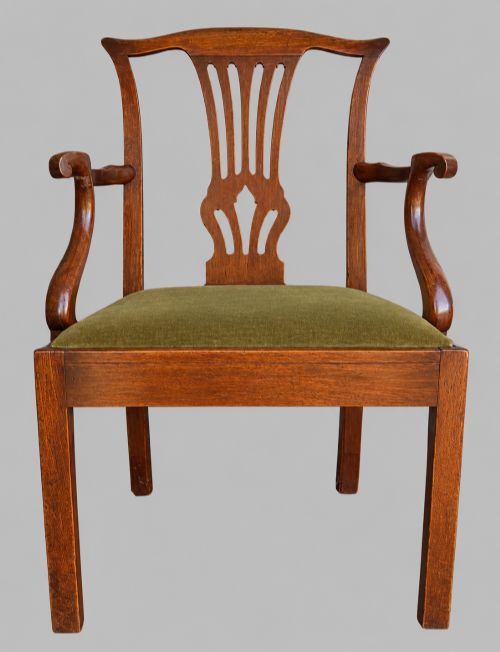
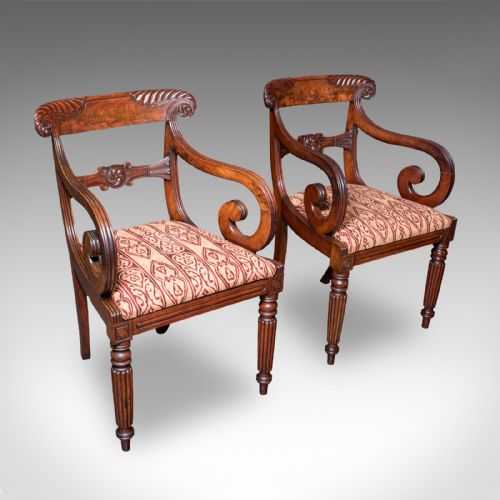
An antique mahogany carver seat brings solid timber and traditional arm support to the dining table or study.
Antique Mahogany Carver Seat
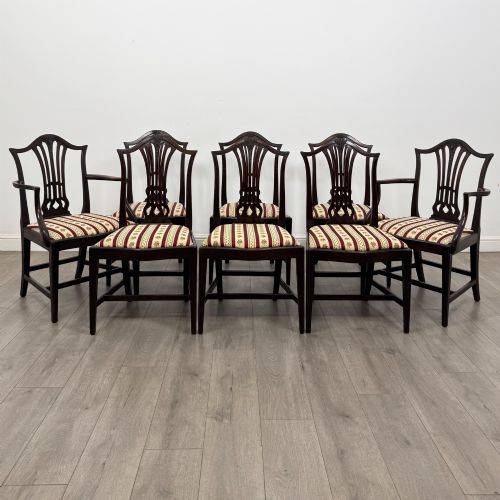
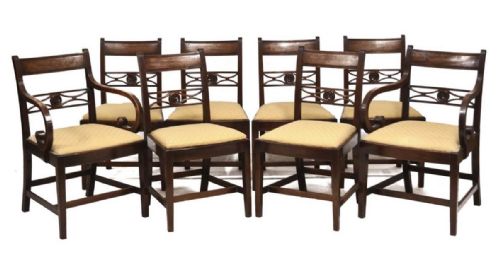
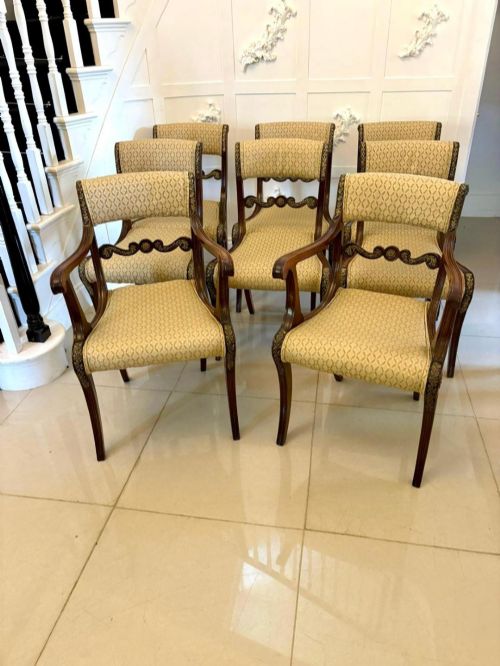
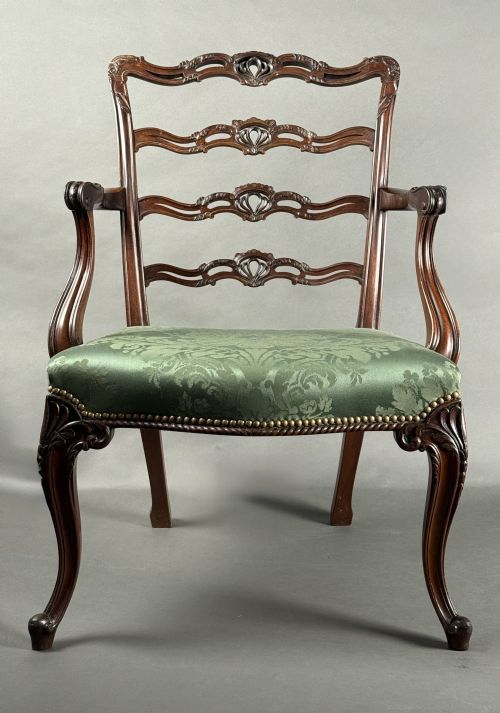
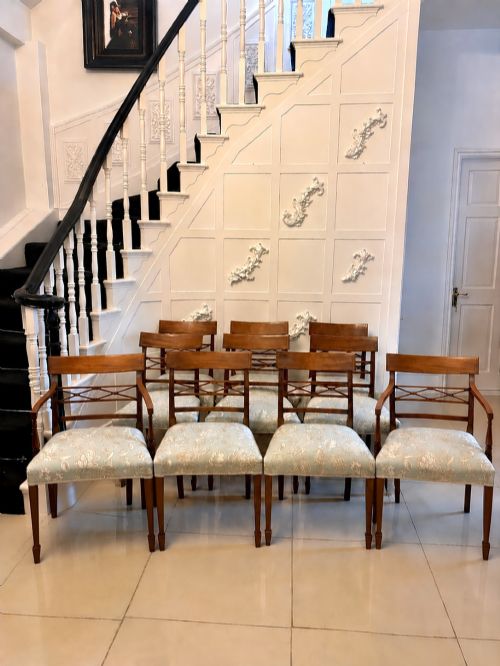
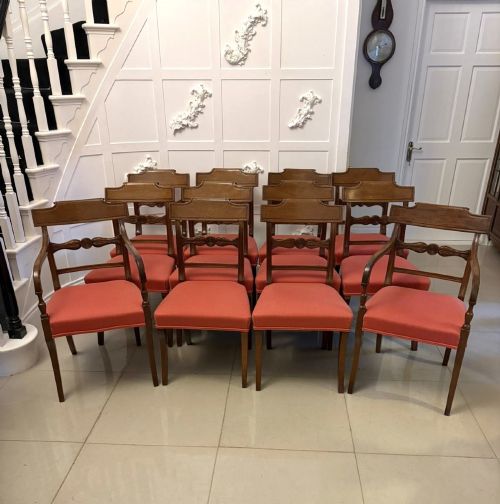
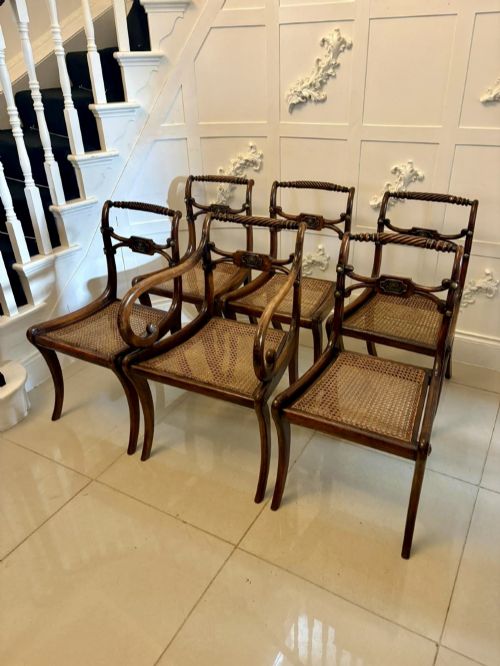
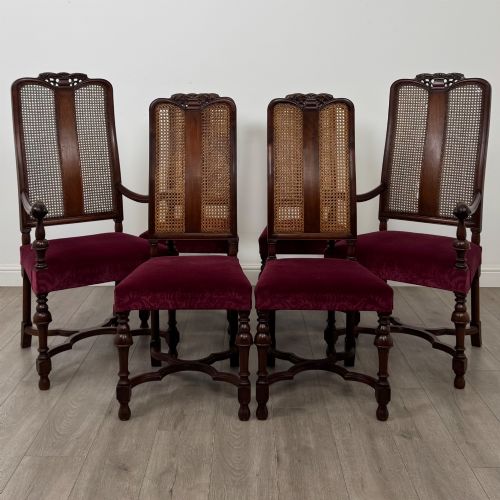
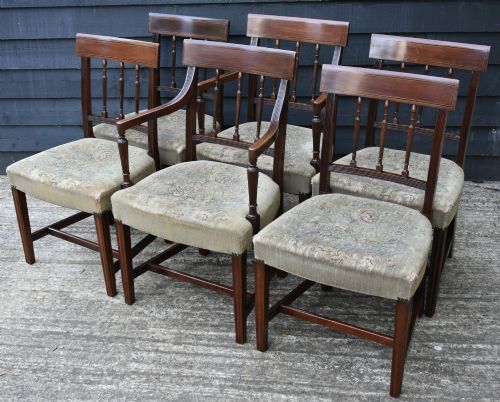
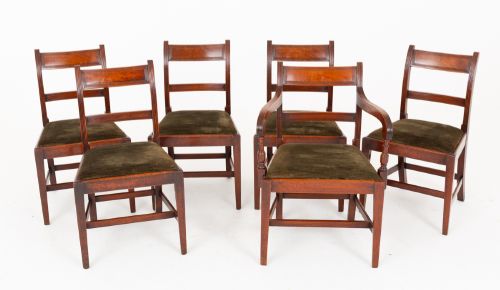
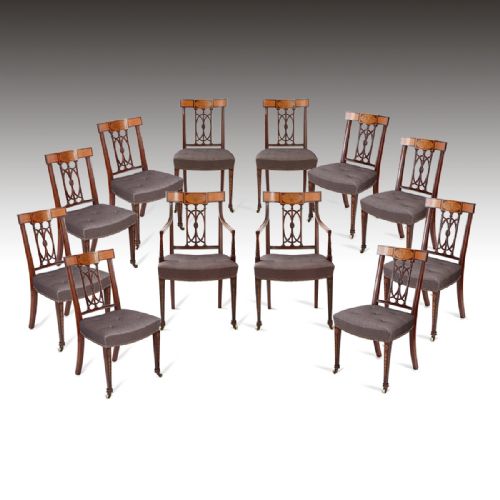
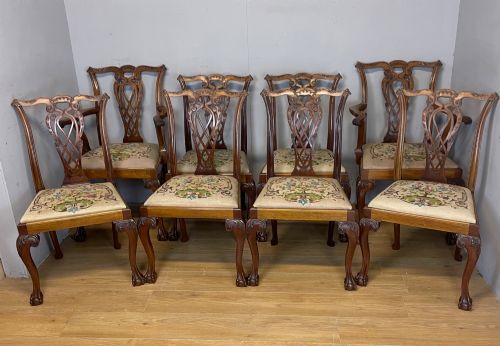
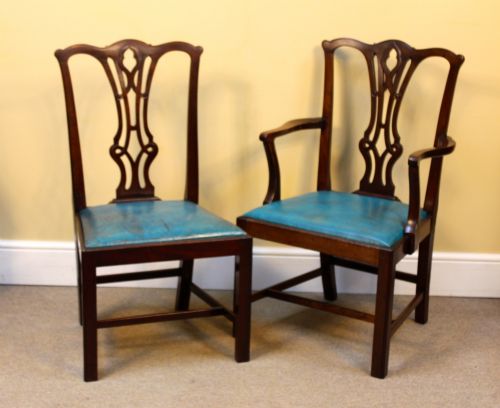
An antique mahogany carver seat functions as an armchair version of a dining or desk chair, distinguished by its integral armrests. Buyers searching for an antique mahogany carver seat typically encounter single armchairs or matching pairs alongside larger sets of dining chairs that include elbow seats.
The pieces on this page span the eighteenth, nineteenth and early twentieth centuries, encompassing Georgian, Regency and William IV periods, alongside later Edwardian revivals. Common forms include shield backs, ladder backs and lyre backs originating from English and Scottish workshops.
Most examples serve specific domestic roles, functioning as head-of-table dining seating, library chairs or reception room armchairs. The proportion of the arms and the depth of the seat dictate whether the piece suits formal dining or relaxed writing.
Materials and construction methods
Cabinetmakers constructed these frames primarily from dense, durable mahogany, utilising mortise and tenon joints to secure the structural load of the arms and legs. Timber selection ranged from straight-grained stock to figured veneers applied to prominent splats and crest rails.
Seat platforms utilise several traditional methods, incorporating drop-in frames stuffed with horsehair, cane panels woven directly into the wooden rails, or upholstery secured over webbing with brass tacks. Leather, velvet and various woven fabrics provide the final covering layer across surviving examples.
Listings feature mahogany, fabric, brass, velvet, leather, and cane across items spanning the eighteenth century to the 1930s.
Assessing build and design merit
The distinction between standard utility seating and superior examples rests on the depth of hand-carving applied to the splats, arms and front rail. Crisp detailing in motifs like acanthus leaves or fluting indicates a higher tier of craftsmanship from the original workshop.
Structural integrity depends on the rigidity of the arm joints where they meet the upright supports and the seat frame. Chairs retaining their original timber surfaces without excessive replacement components demonstrate greater historical value.
Warings·Maple and Co
The Antique Mahogany Carver Seat Glossary
- Carver
- An armchair designed with open sides and armrests, traditionally placed at the head of a dining table or utilised as a desk chair.
- Shield back
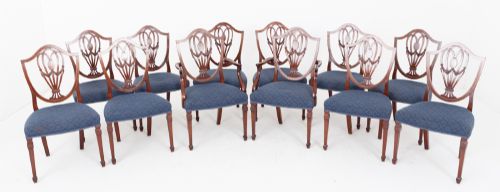
- A chair back shaped like a heraldic shield, popularised by designers in the late eighteenth century and frequently seen in Hepplewhite styles.
- Drop-in seat
- A removable wooden frame upholstered separately and fitted into a recess within the chair seat rail.
- Cane
- Woven rattan material utilised to form lightweight, perforated panels across the seat or backrest of certain chairs.
- Splat
- The vertical wooden strip positioned centrally within the backrest of a chair, often intricately pierced or carved.
Antique Mahogany Carver Seat: Frequently Asked Questions
How do I date an antique mahogany carver seat?
Dating relies on examining the timber colour, structural joinery, and stylistic design elements such as leg profiles and back splats. Pieces from the Georgian era display lighter, more fluid carving, whilst later Victorian and Edwardian revival items often feature heavier proportions and machine-assisted detailing.
Comparing the arm construction and secondary woods underneath the seat also helps distinguish eighteenth-century origins from nineteenth-century interpretations. Reviewing the specific period markers listed by the dealer provides an immediate baseline for age.
Were carver seats used alone?
Historically, carver seats were manufactured as part of larger dining sets to designate the seats for the host and hostess. Surviving examples frequently appear as single pieces or pairs separated from their original matching single chairs over the centuries.
Single carvers also functioned independently as gentleman's elbow chairs or morning room seats placed beside desks or in hallways. Today, many buyers use a single antique carver as a distinct reading chair in smaller spaces.
What maintenance do upholstered seats require?
Upholstered seats require regular brushing and gentle vacuuming using a low-suction attachment to remove dust from fabric crevices and leather surfaces. Avoiding direct sunlight prevents the mahogany timber from fading and stops leather or fabric covers from drying out.
Traditional stuffing materials like horsehair benefit from professional assessment if the seat platform loses tension over time. Conditioning leather periodically maintains its suppleness without altering the original patina.