

Antique Low Ottoman
These antique low ottoman pieces offer a practical rest for tired feet and extra seating, rooted in centuries of craft.
Antique Low Ottoman
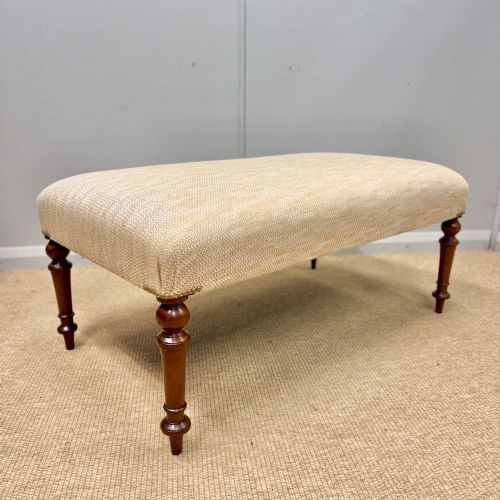
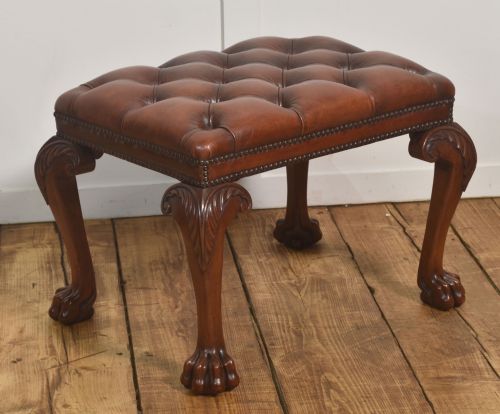
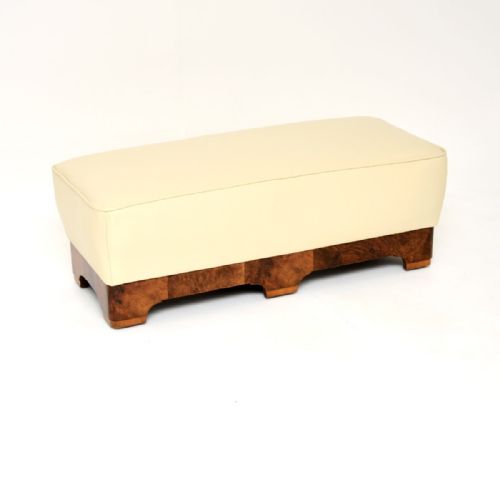
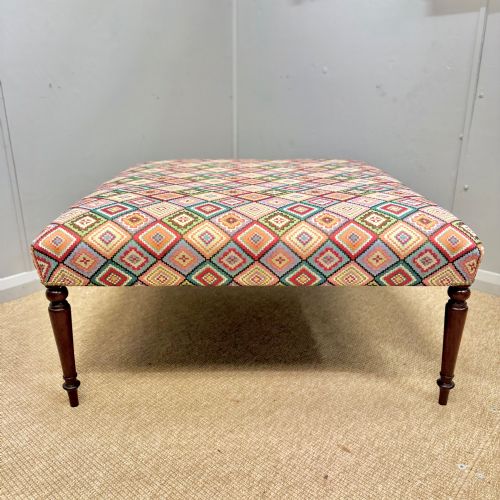
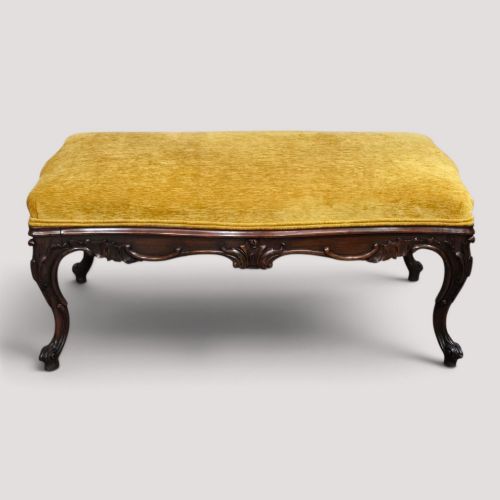
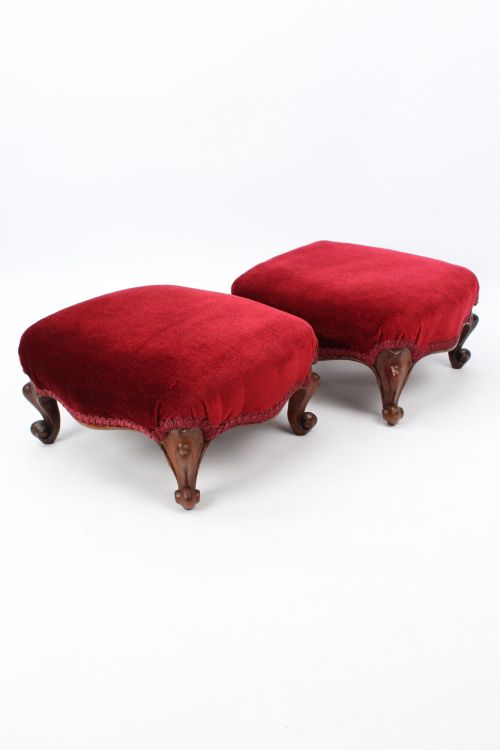
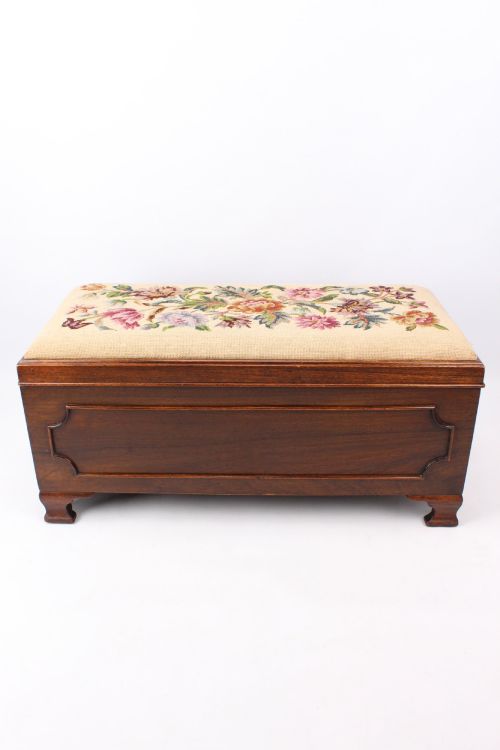
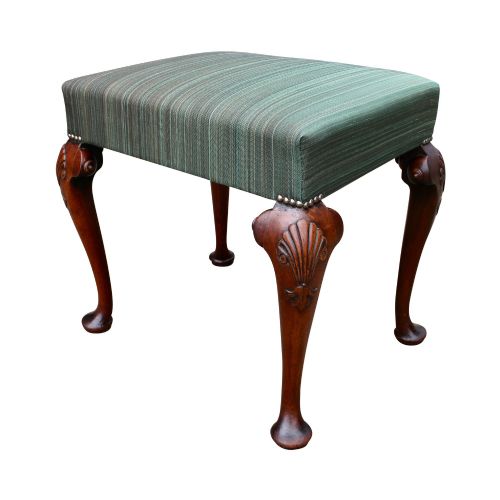
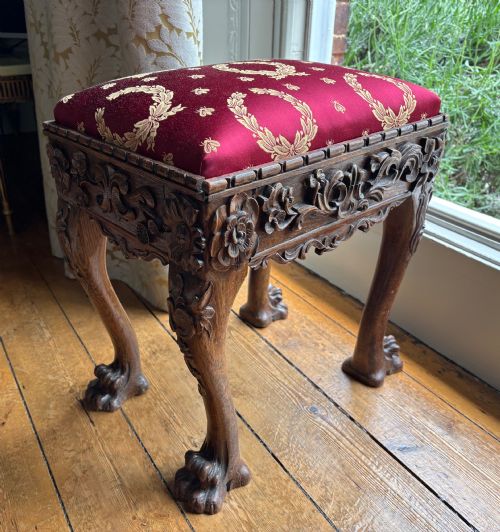
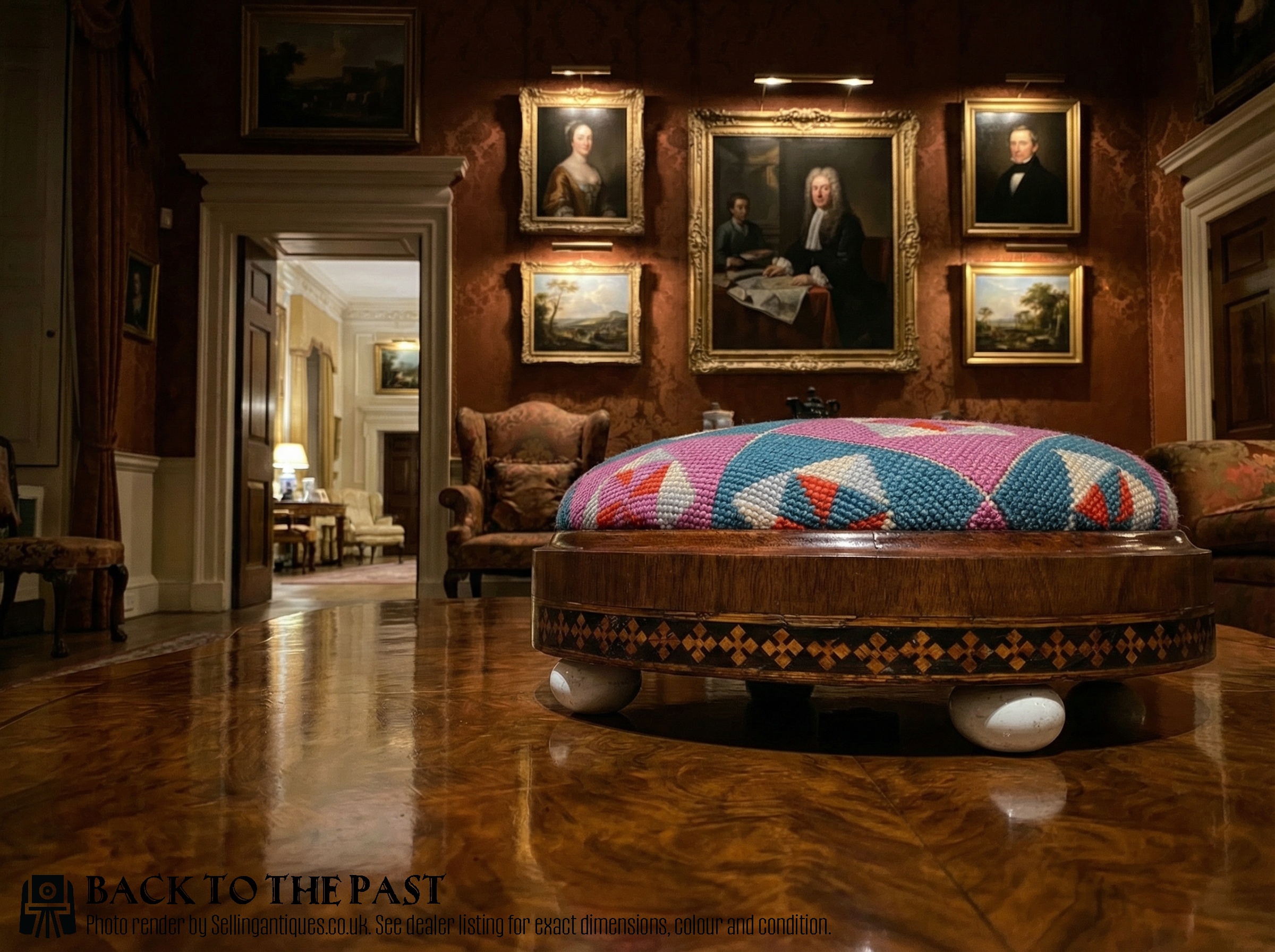
When you search for an antique low ottoman, you encounter a variety of low seating forms designed for resting feet or sitting near the floor. The listings here predominantly feature nineteenth century and Victorian footstools, alongside twentieth century variations like Art Deco examples and revival styles. These pieces range from simple mahogany and oak frames to large upholstered centre stools and box stools fitted with storage trunks.
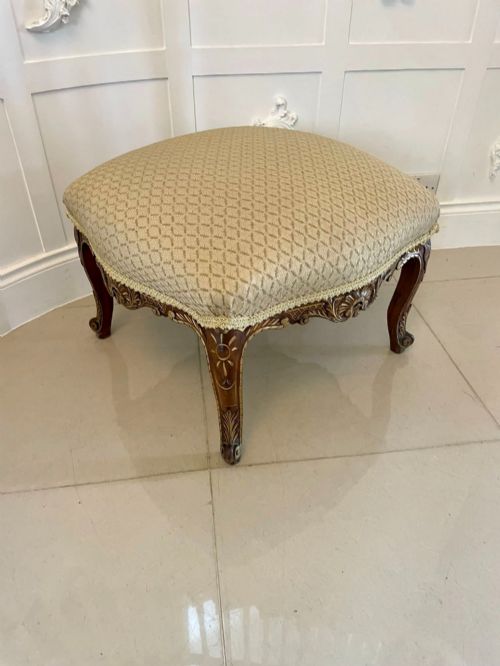
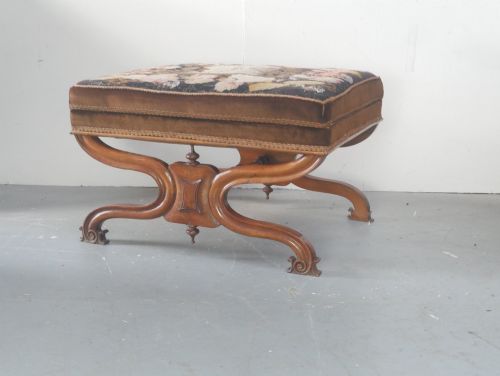
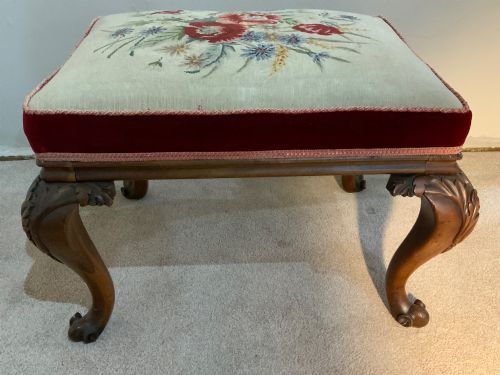
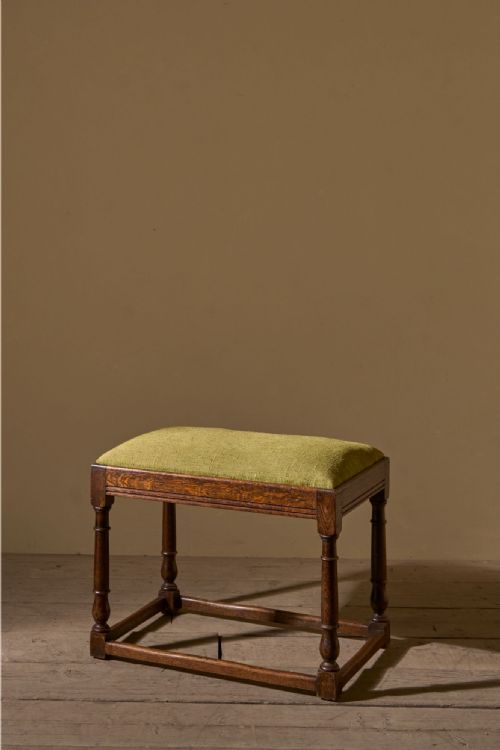
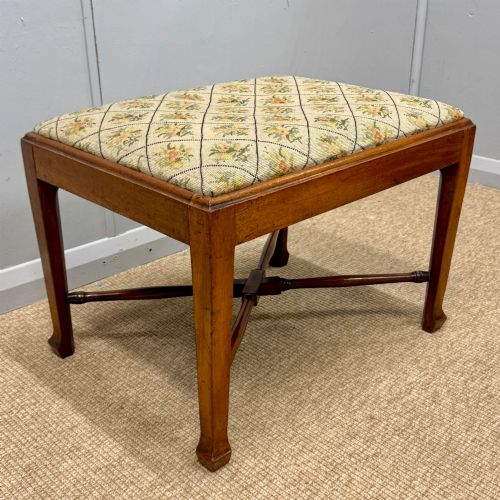
Makers and designers of the past produced these forms in diverse stylistic idioms, from Anglo-Indian rosewood to French giltwood and Scottish baronial designs. You will find circular footstools, long footstools, and square dressing table stools supported by cabriole legs, brass castors, or cross stretchers. The overarching characteristic tying them together is a low profile intended for domestic comfort.
Materials and construction
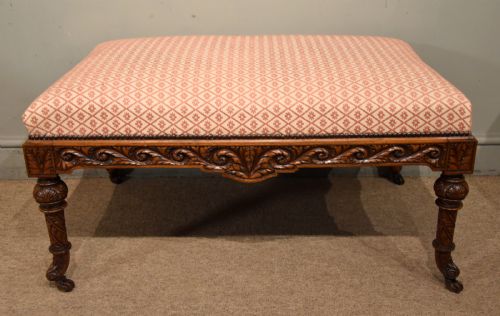
Cabinet makers utilised timber frameworks of mahogany, walnut, rosewood, oak, and pitch pine to build the structural foundations of these low stools. Turners and carvers shaped legs and stretchers with barley-sugar twists, cabriole curves, or parcel gilt details, occasionally incorporating oyster veneers or birch and maple burls.
Upholstery completed the piece, employing traditional textiles such as wool, velvet, tapestry, heavy green linen, and needlework seats. Brass castors were frequently fitted to the feet of larger nineteenth century examples to allow smooth movement across carpets.
Some nineteenth century footstools rolled into position on tiny brass castors to save the carpets from heavy boots.
Judgments of quality
Quality in these low ottomans rests primarily on the crispness of timber carving and the integrity of the underlying joinery. Superior examples display finely turned legs, dense hardwoods, and robust frame construction that remains steady without wobble.
The choice of upholstery materials and the fidelity of revival styling also separate standard items from finer works. Pieces retaining original fabric or incorporating specialist details like hand-stitched needlework and stamped maker signatures command greater interest.
Harry and Lou Epstein·Loidrault Freres Paris·Mathew Gregson
The Antique Low Ottoman Glossary
- Ottoman
- A low upholstered seat or stool without a back or arms, often built with a hinged lid for interior storage.
- Cabriole leg
- A furniture leg that curves outward at the knee and tapers inward toward the ankle, typical of revival styles.
- Stretcher
- A horizontal support connecting the legs of a stool to provide structural rigidity.
- Oyster veneer
- Circular pieces of wood cut from small branches to create an oyster-shell pattern on flat surfaces.
- Castor
- A small wheel attached to the base of a leg to facilitate rolling the piece across the floor.
Antique Low Ottoman: Frequently Asked Questions
What is an antique low ottoman used for?
These low pieces served primarily as footstools for resting legs while seated in fireside chairs, or as dressing table seats in nineteenth century bedrooms. Box variations also functioned as small trunks to store textiles.
Today, they adapt readily to modern living rooms as flexible coffee tables, extra seats, or traditional footrests in front of sofas.
How do I date a Victorian footstool?
Dating relies on identifying timber choices, leg profiles, and upholstery techniques recorded in the piece. Mid nineteenth century examples often feature heavy rosewood or walnut frames with cabriole legs and brass castors.
Later Victorian and Edwardian iterations shift toward lighter pine or mahogany frames and distinct revival decorative motifs.
Are these stools comfortable to use daily?
Most of these low stools are built with sturdy hardwood frames that easily support daily sitting or resting feet. Their low height makes them particularly ergonomic when paired with standard lounge seating.
Many listings feature newly upholstered surfaces, ensuring the padding meets modern comfort standards while preserving antique wooden frames.
Can I use an ottoman as a coffee table?
Large rectangular and square stools provide a stable surface that functions well as an impromptu coffee table when paired with a heavy tray. Models upholstered in firm leather, tapestry, or tight linen offer enough flat space for books and decorative objects.
Their padded surfaces also introduce softer textures to a room compared to traditional wooden tables.