
Antique Low Display Cabinet
An antique low display cabinet brings character to a room while holding books and curiosities close at hand.
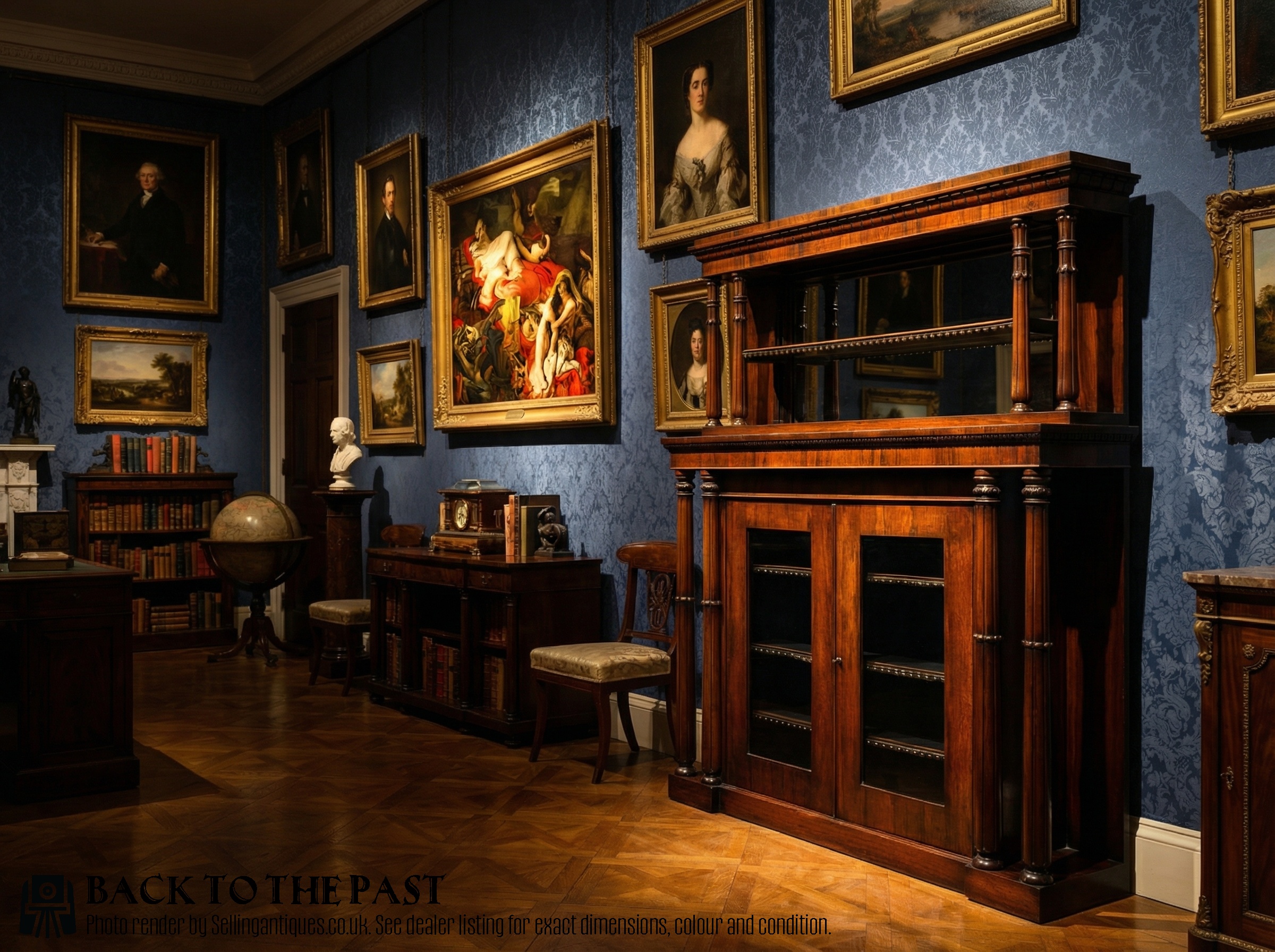
Antique Low Display Cabinet
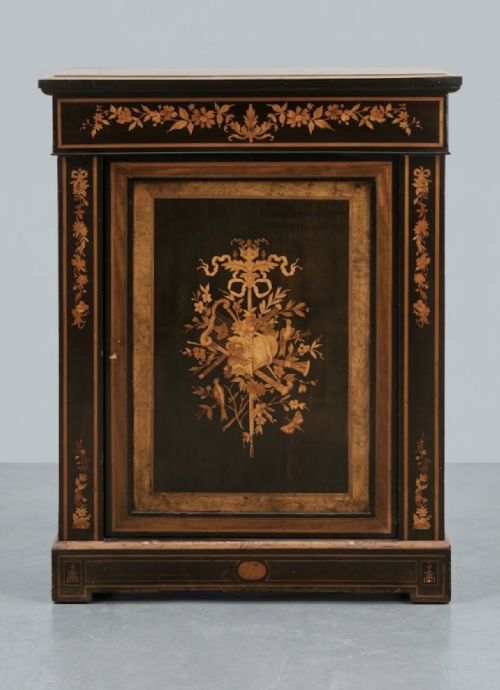
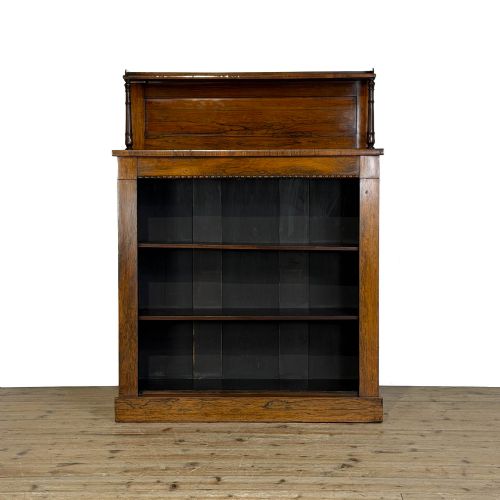
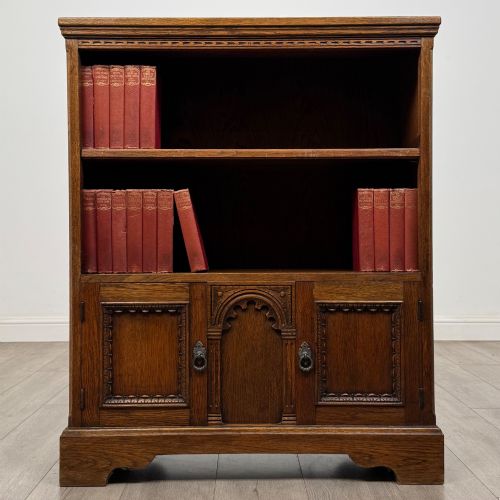
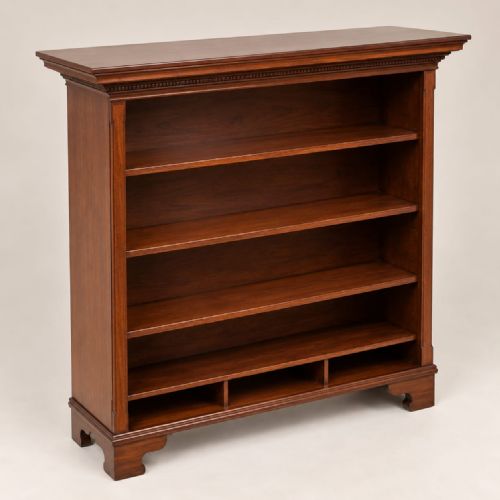
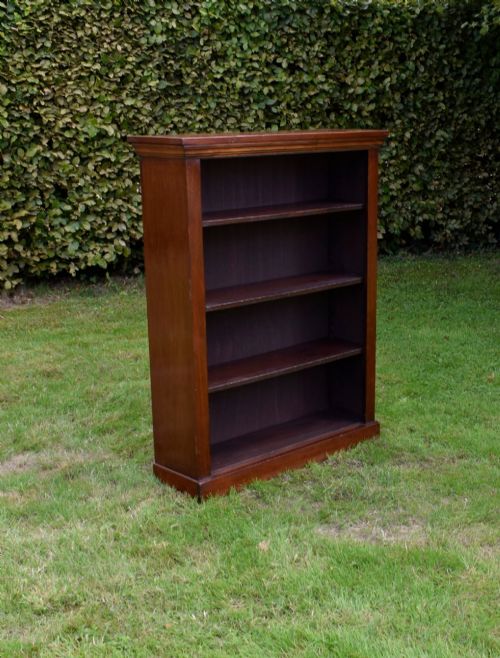
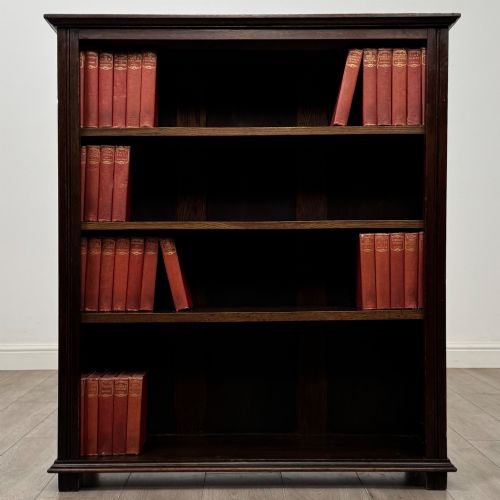
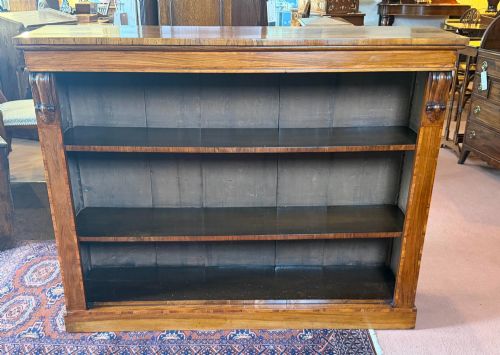
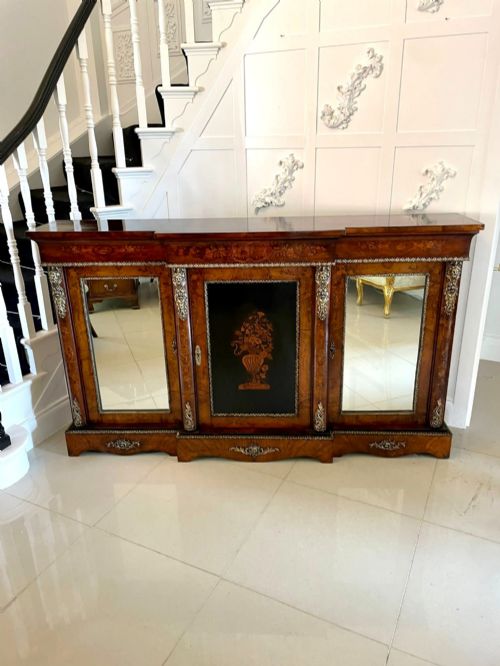
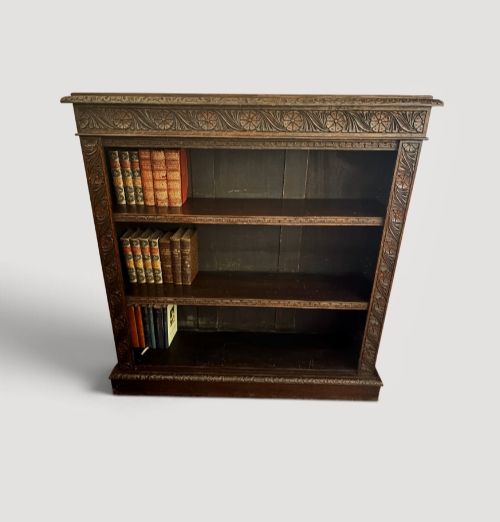
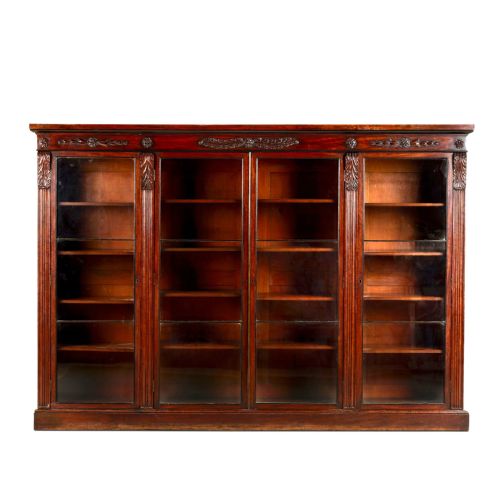
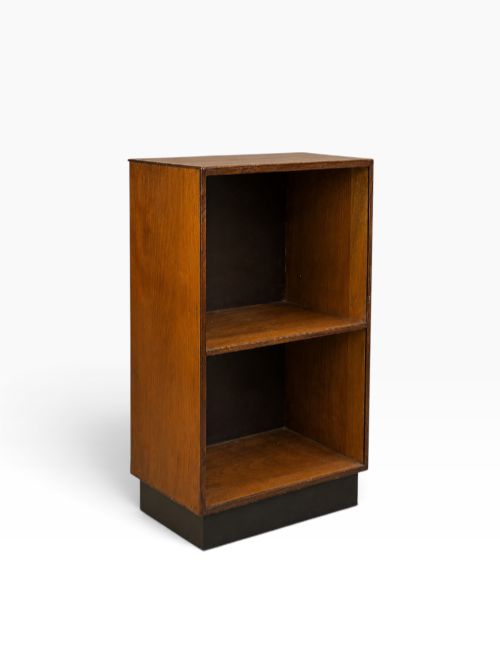
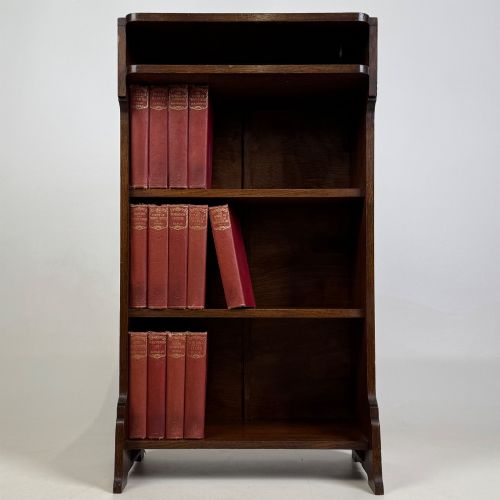
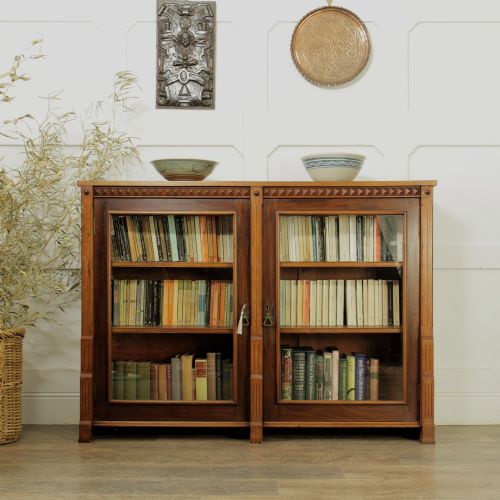
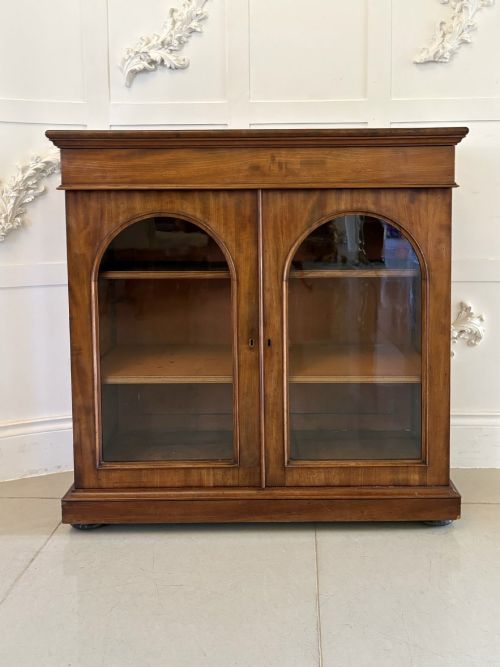
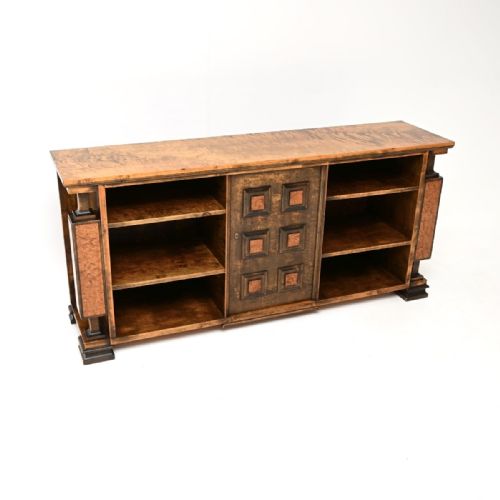
An antique low display cabinet combines open shelving or glazed doors with a compact height, making it suitable for smaller spaces without blocking wall art or windows. You will find these pieces spanning the Regency, Victorian, Edwardian, and Art Deco periods, created in forms that function as bookcases, pier cabinets, and side cabinets.
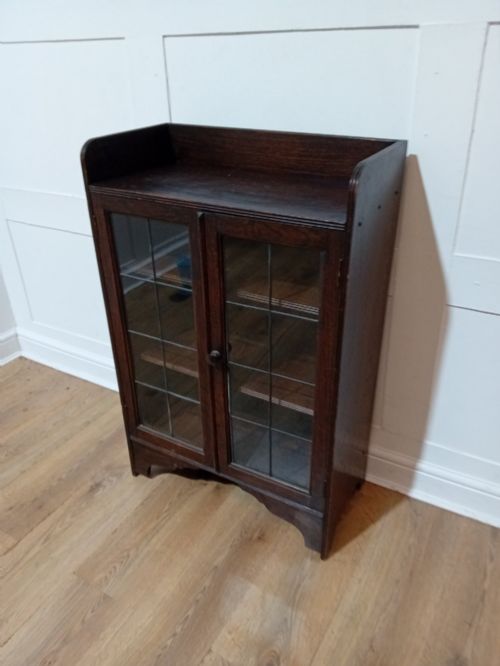
The version you are most likely to meet on this page is a Victorian or Edwardian low cabinet made from mahogany, oak, or walnut. These pieces often feature glass doors or open shelves, reflecting the domestic storage needs of the nineteenth and early twentieth centuries.
Materials and construction
Cabinet makers utilised dense hardwoods such as mahogany, oak, rosewood, and walnut to build these low cabinets. Timber was frequently selected for its striking grain patterns, including burr walnut and figured mahogany, which added visual depth to the finished piece.
Joinery techniques relied on solid timber construction, dovetailed drawers, and brass hardware. Glazed doors utilised wooden framing to protect the contents while brass mounts and ormolu details occasionally added decorative contrast on Regency and Victorian examples.
Listings feature woods including mahogany, oak, rosewood, walnut, burr walnut, and teak across periods spanning the Georgian era to Art Deco.
Distinctions in quality
The distinction between standard examples and the finest pieces lies in the selection of timber veneers and the crispness of carved details. Cabinets featuring highly figured burr walnut, elaborate marquetry inlay, or finely cast ormolu mounts represent the upper tier of craftsmanship.
Structural integrity and original components also separate standard items from superior ones. Pieces retaining original glass, functioning locks with keys, and adjustable internal shelving demonstrate a higher standard of original manufacture and careful preservation.
Warring & Gillows LTD
The Antique Low Display Cabinet Glossary
- Pier cabinet
- A low cabinet designed to fit narrow wall spaces between windows or doors. These pieces often feature glazed single doors and walnut or mahogany veneers.
- Glazed cabinet
- A storage piece fitted with glass doors to display contents while protecting them from dust. This term frequently overlaps with bookcase listings.
- Marquetry
- Decorative veneer work formed by fitting together small pieces of different coloured wood to create pictorial designs. It is commonly found on Victorian walnut furniture.
- Ormolu
- Gilded bronze mounts utilised for decorative enrichment on furniture frames. The technique appears on select Regency pieces.
- Breakfront
- A piece of furniture where the central section projects forward from the flanking outer sections. This architectural form provides varied depth to larger cabinets.
Antique Low Display Cabinet: Frequently Asked Questions
Where should I place a low display cabinet?
These cabinets work well in living rooms, hallways, or studies where taller furniture might overwhelm the space. Their reduced height allows them to sit beneath windows or artwork.
Ensure the piece has adequate clearance from heat sources and direct sunlight to protect antique timber veneers and polished finishes.
How do I clean antique wood and glass?
Dust timber surfaces regularly with a soft, dry cloth to prevent dirt accumulation. Avoid modern silicone sprays that can damage old polishes.
Clean glass panels with a mild solution applied to a cloth rather than sprayed directly, preventing moisture from seeping into the surrounding wooden frame.
Can I adjust the shelves inside?
Many period bookcases and display cabinets feature adjustable shelving supported by wooden ratchets or brass strip systems. This allows you to accommodate books or objects of varying heights.
Take care when moving older shelves to avoid scratching the interior veneered linings.
How do I identify a Victorian cabinet?
Victorian pieces often display darker native or imported timbers like mahogany and walnut, frequently accented with turned feet or carved panel details. Construction methods typically include hand-cut dovetails and solid secondary woods.
Review the proportion and hardware style to help distinguish mid to late nineteenth-century examples from later Edwardian reproductions.