


Antique Low Chair
When you handle an antique low chair, you notice how the reduced height changes the entire posture of sitting, inviting a more relaxed domestic ease.
Antique Low Chair
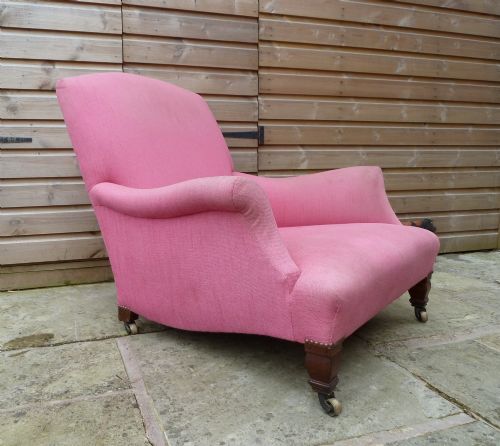
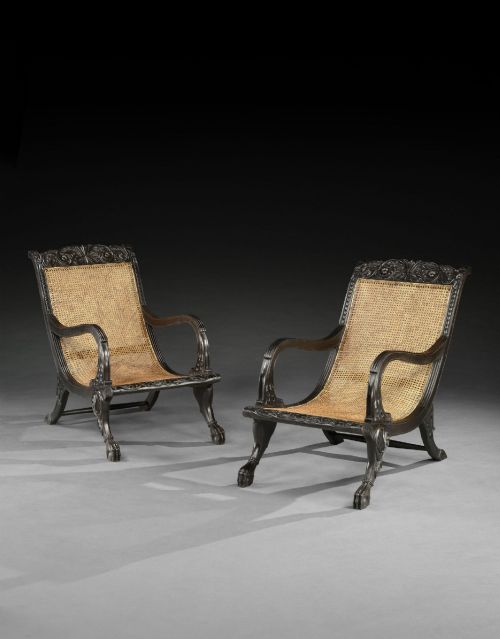
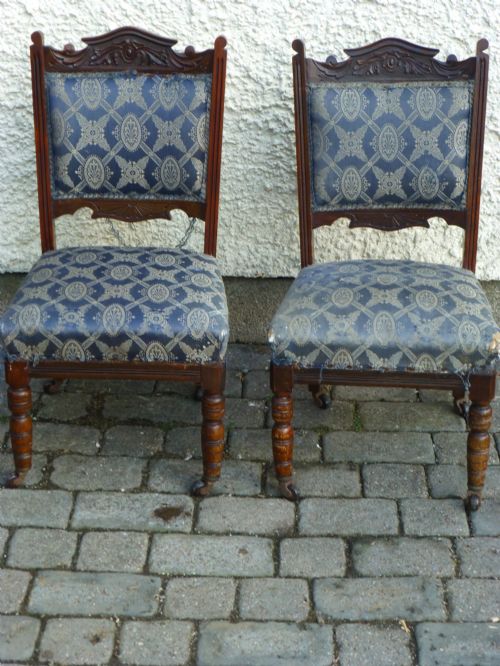
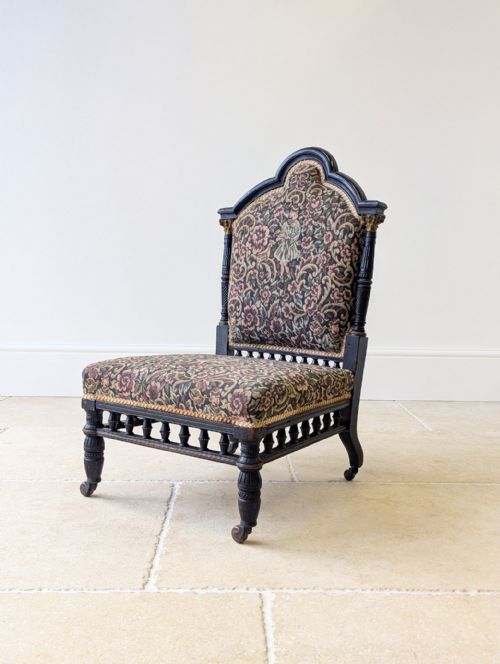
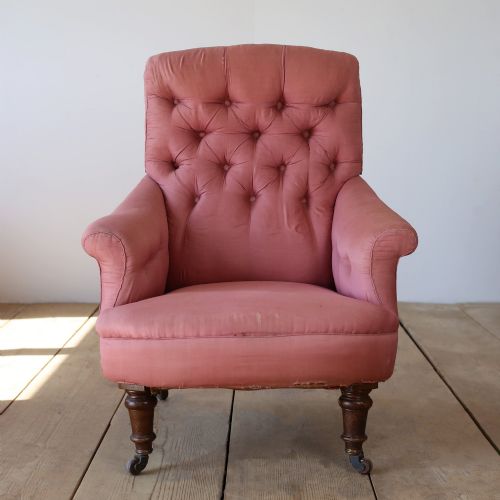
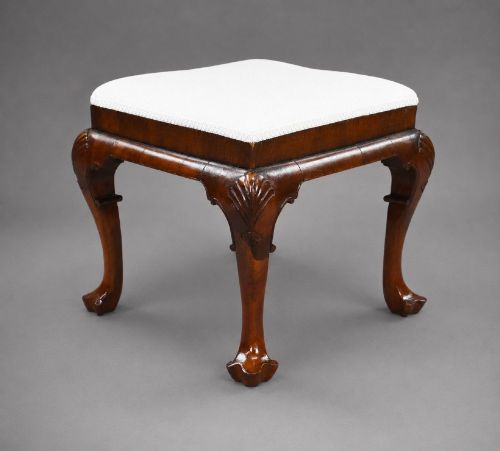
An antique low chair encompasses a variety of compact seating forms designed for intimate domestic spaces, bedrooms, and firesides. Buyers encounter low-slung nursing chairs, bedroom chairs, slipper chairs, and low-back Windsor chairs originating primarily from the nineteenth century.
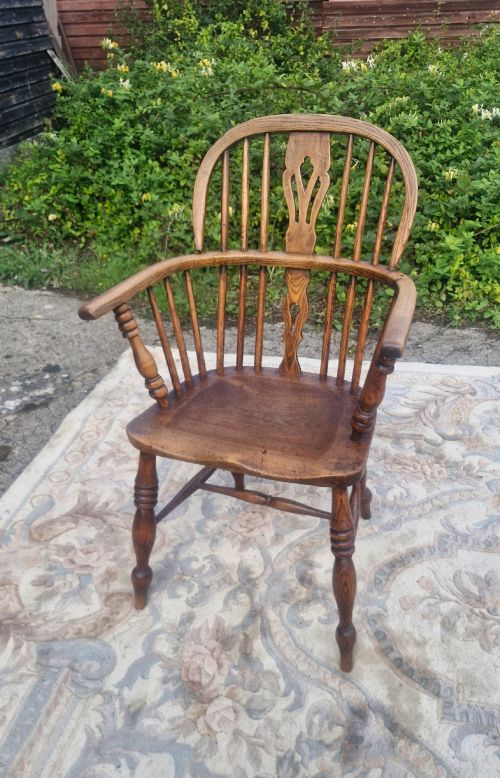
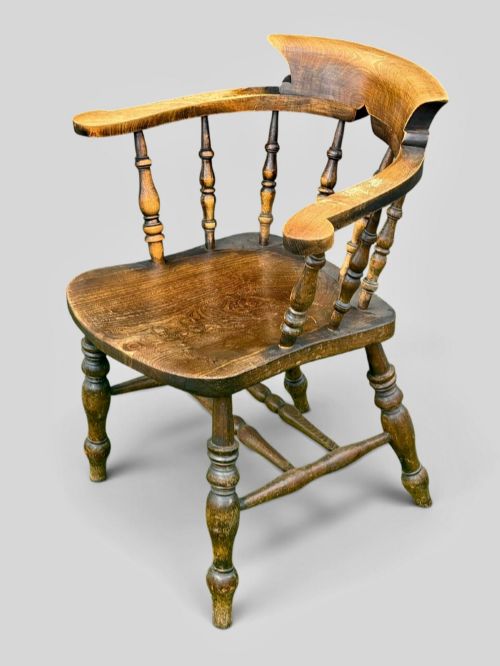
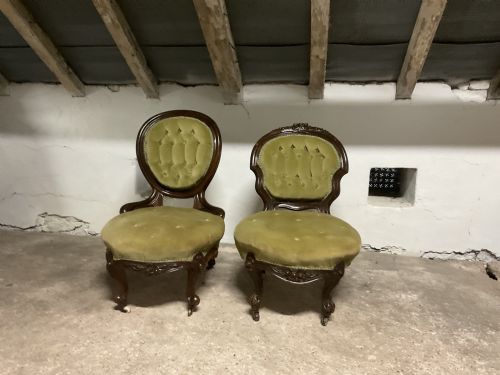
The aesthetic vocabulary spans simple English country yew and elm stick-backs to button-backed Victorian walnut frames and elaborate maker-attributed armchairs. These pieces prioritise a reduced seat height, which historically suited domestic tasks near the hearth or dressing room.
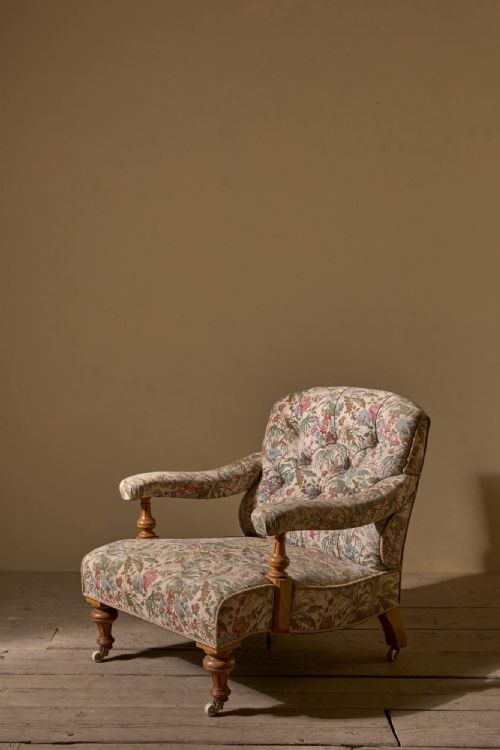
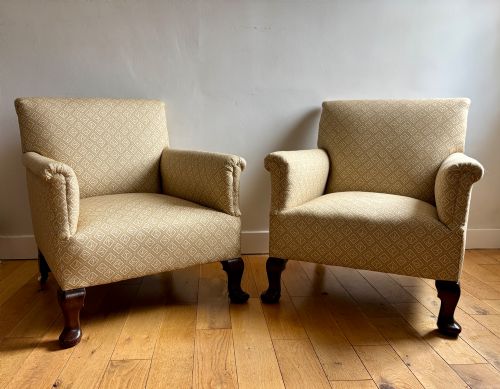
Victorian and Edwardian iterations dominate the selection, often displaying stylistic influences ranging from the Aesthetic Movement to early Howard and Sons upholstered comfort. Each variant serves a distinct function, whether intended for sewing, fireside reading, or informal salon gathering.
Materials and Construction Methods
Makers utilised timber frames combining structural hardwoods such as mahogany, walnut, beech, oak, and yew alongside flexible softer woods like elm for Windsor seats. These frames frequently carry traditional joinery, including turned spindles, steam-bent bows, and sturdy crinoline stretchers.
Upholstered variants rely on traditional stuffing techniques involving hessian, calico, horsehair, and springs, finished with fabrics such as velvet or wool. Exposed woodwork often exhibits hand-carved detailing, ebonisation, or polished mahogany and walnut surfaces.
Antique Low Chair Retail Price Guide 2026
Typical asking prices for low chair among the pieces listed under this phrase on Sellingantiques today, from the lower quarter to the upper quarter. They describe what is for sale here now, not the wider market.
Listings feature nineteenth-century walnut, mahogany, and yew wood, alongside traditional upholstery materials including horsehair, hessian, and velvet.
Distinctions in Quality and Craft
Quality rests upon the integrity of the timber framing, the crispness of any hand-carved or turned elements, and the retention of original structural components. Superior examples maintain firm joinery without undue movement in the joints or legs.
The standard of upholstery preparation dictates longevity in padded models, where deep buttoning and hand-tied springs reflect superior workshop execution. Maker attributions or stamps from esteemed firms elevate a piece above standard domestic workshop production.
Howard and Sons·Liberty Morris And Co·Whytock And Reid·Harry And Lou Epstein·C Hindley And Sons·Gillows·Waring And Gillow
The Antique Low Chair Glossary
- Windsor chair
- A wooden chair constructed with a solid saddle-shaped seat into which the back and legs are dowelled directly. These traditional country seats frequently employ a combination of yew, elm, and beech.
- Nursing chair
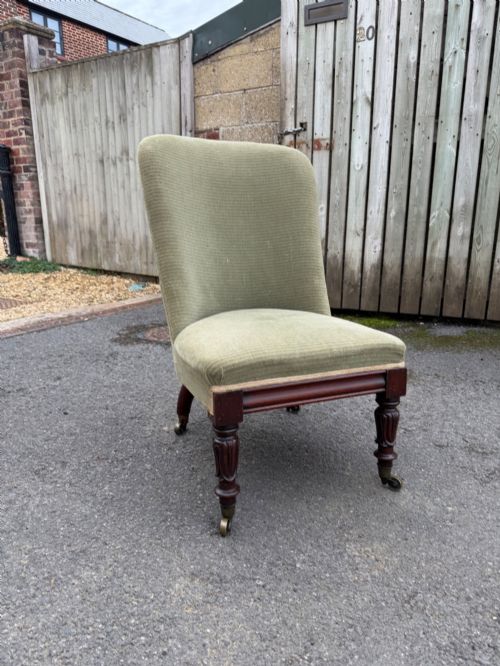
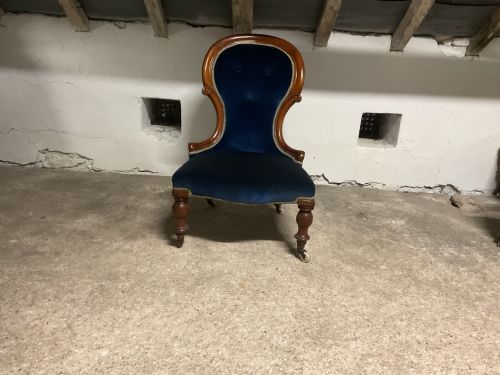
- A low-seated upholstered chair designed originally for feeding infants or assisting with personal grooming in the bedroom. They typically feature low seats and supportive, button-backed upholstery.
- Prie Dieu
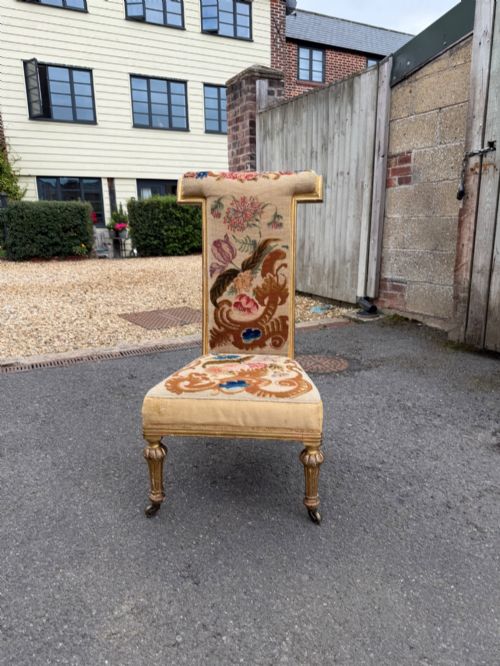
- A low devotional chair featuring an upper rest designed for kneeling or leaning during prayer. Nineteenth-century examples are often heavily upholstered in velvet or needlepoint fabrics.
- Crinoline stretcher
- A curved metal or wooden stretcher connecting the legs of a Windsor chair to provide structural rigidity. It derives its name from the hoop-like shape reminiscent of Victorian crinoline petticoats.
- Ebonisation
- A finishing process where wood, commonly beech or fruitwood, is treated to resemble ebony. This dark, polished finish was particularly popular during the Victorian and Aesthetic Movement periods.
Antique Low Chair: Frequently Asked Questions
What is an antique low chair used for?
These chairs were historically created for specific domestic tasks that required a lower seating position, such as nursing infants, dressing, or sitting close to the hearth for warmth. Their reduced proportions made them ideal for bedrooms and private sitting rooms rather than formal dining spaces.
Today, modern collectors use them as accent seating in living rooms, bedrooms, and reading corners where standard-height furniture might overwhelm a compact architectural space.
How do I identify a Victorian low chair?
Victorian examples frequently display turned walnut or mahogany legs, often accompanied by sprung, button-backed upholstery finished in velvet or calico. The proportions are typically compact, designed specifically to sit low to the ground for bedroom or fireside use.
Examining the underside reveals period construction methods, such as hand-cut screws, traditional webbing, and dense secondary timbers like beech or oak beneath the primary show wood.
Are Windsor low chairs English country furniture?
Traditional low-back Windsor chairs are quintessential examples of English country vernacular furniture, constructed primarily in regional workshops using local timbers like yew, elm, and beech. Makers shaped the saddle seats by hand and turned the spindles on foot-powered lathes.
These pieces were built for utility and durability, resulting in sturdy country seating that has survived centuries of daily domestic wear.
How do I care for upholstered antique chairs?
Maintenance requires gentle vacuuming with a soft brush attachment to remove dust from crevices, particularly around buttoned upholstery and carved wooden frames. Direct sunlight should be avoided to prevent fading on delicate fabrics like velvet and calico.
For the exposed wooden elements, applying a microcrystalline wax periodically helps nourish the polished surface without building up excessive residue over time.