




Antique Long Gun
An antique long gun carries the weight of past conflicts, combining functional engineering with remarkable period craftsmanship.

Antique Long Gun
When you search for an antique long gun, you find historical firearms dating from the eighteenth and nineteenth centuries, spanning Georgian, Ottoman, and Indo-Persian styles. These pieces range from military muskets to wall pieces and regional matchlocks.
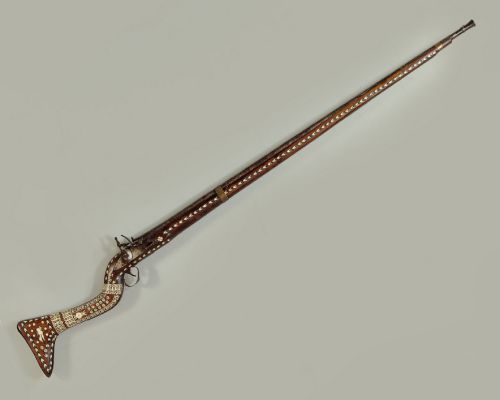
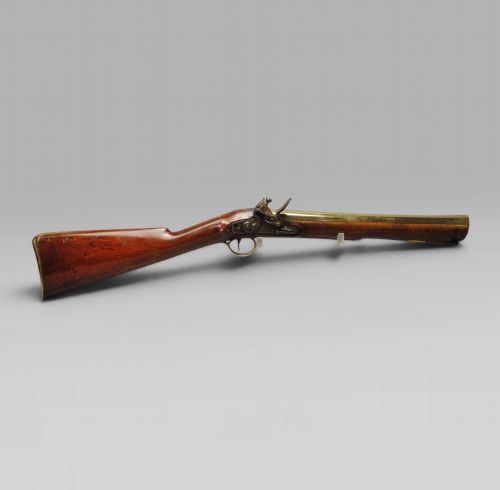
The most common examples on this page are eighteenth and nineteenth-century matchlock, flintlock, and percussion muskets. These include British Brown Bess models alongside ornate Afghan jezails and North African long guns.
Originating from military campaigns, frontier defence, and court workshops, these long guns served functional combat and ceremonial roles. Their diverse geographical spread reflects global armouries from Birmingham to the Northwest Frontier.
How they were made
Makers built these firearms using forged iron and steel for barrels and lock mechanisms, paired with stocks fashioned from walnut and assorted hardwoods. Brass and silver served for decorative bands, trigger guards, and mounting hardware.
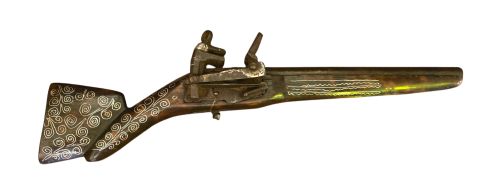
Decoration required meticulous handcrafting, incorporating bone, mother-of-pearl, and brass inlay directly into the wooden stocks. Complex firing mechanisms like matchlocks, flintlocks, snaphaunces, and percussion systems relied on precise metalwork and spring tension.
Antique Long Gun Retail Price Guide 2026
Typical asking prices for long gun among the pieces listed under this phrase on Sellingantiques today, from the lower quarter to the upper quarter. They describe what is for sale here now, not the wider market.
What varies in quality
Quality rests heavily on the crispness of the lock mechanism, the integrity of the wooden stock, and the preservation of original metal surfaces. Finer pieces retain functional spring action and clear maker marks without excessive replacement parts.
The intricacy and survival of decorative elements distinguish standard military issue from high-status presentation arms. Extensive bone, mother-of-pearl, or silver inlay executed with precision elevates the visual merit of the piece.
Sargant and Son
The Antique Long Gun Glossary
- Flintlock
- A firearm ignition mechanism that uses a flint struck against a steel frizzen to create sparks that ignite the gunpowder.
- Matchlock
- An early type of firearm ignition system where a slow-burning match is lowered into a pan of gunpowder by pulling a lever.
- Toradar
- A traditional South Asian matchlock musket characterised by a long, slender barrel and extensive binding.
- Jezail
- A type of long gun used in the nineteenth century across the Middle East and Central Asia, known for its distinct curved stock.
- Frizzen
- The vertical piece of steel struck by the flint in a flintlock mechanism to produce sparks.
- Percussion
- An ignition system developed in the nineteenth century using a percussion cap struck by a hammer to ignite the powder charge.
Antique Long Gun: Frequently Asked Questions
How do I clean an antique long gun?
Maintenance requires gentle dusting and light oiling of metal parts to prevent active corrosion without stripping historical patina. Avoid harsh modern chemical solvents on aged wood and delicate inlay work.
Store the firearm in a stable environment away from extreme humidity and direct sunlight to protect the timber and internal springs.
Are these old long guns still operable?
Most antique long guns are sold as historical artefacts or wall pieces rather than for live firing. Disuse over centuries leaves internal components fragile and potentially unsafe for modern ammunition.
Consult a specialist gunsmith if you intend to test the mechanical action of any flintlock or percussion mechanism.
How do I identify the period of a musket?
Dating relies on examining the lock mechanism type, barrel construction, and stylistic clues found in the stock design and mountings. Eighteenth-century arms often utilise matchlock or flintlock systems, while nineteenth-century pieces frequently feature percussion locks.
Maker stamps and proof marks stamped onto the metal barrels provide further documentary evidence for precise dating.
Where were jezail muskets used?
Jezails saw widespread use across the Northwest Frontier, Afghanistan, and parts of India during the nineteenth century. Tribesmen and regional fighters favoured them for their long-range accuracy in mountainous terrain.
Their distinctive curved stocks absorbed recoil and allowed shooters to brace the weapon effectively from rocky cover.