



Antique Lighting Accessories
These antique lighting accessories bring practical illumination and hearthside utility from Georgian and Victorian rooms directly into modern interiors.
Antique Lighting Accessories
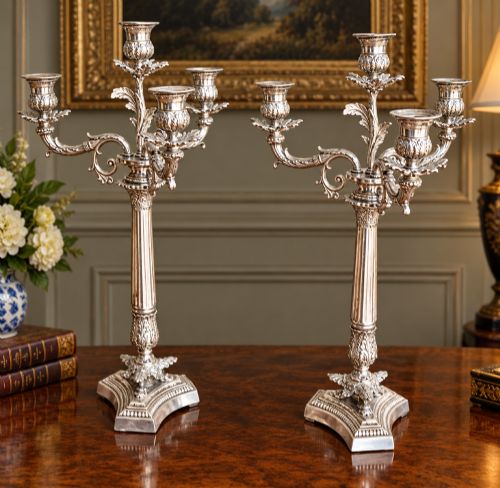
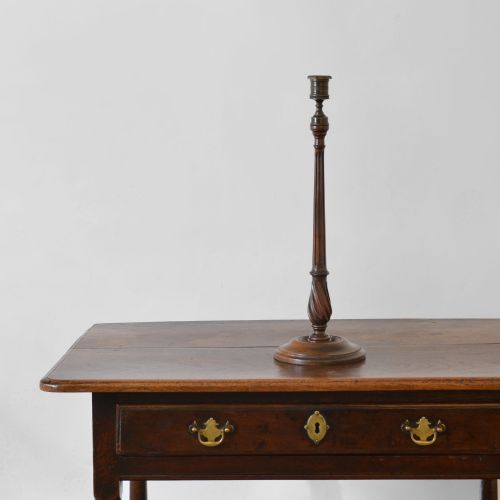
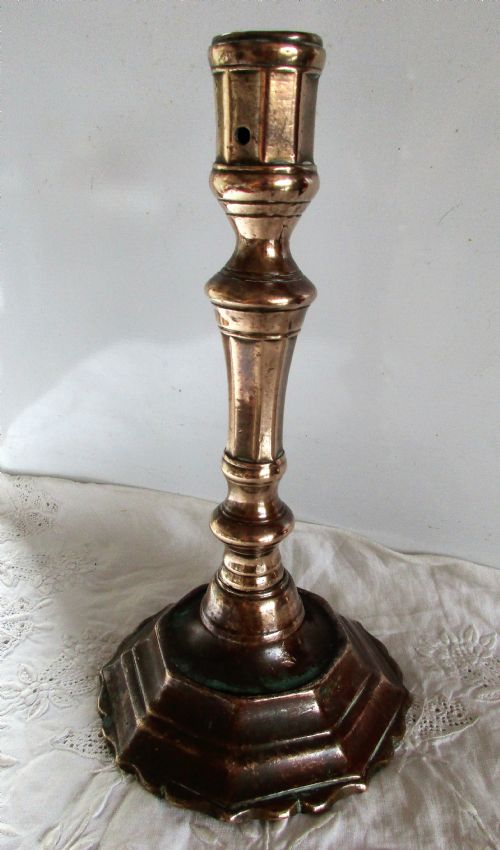
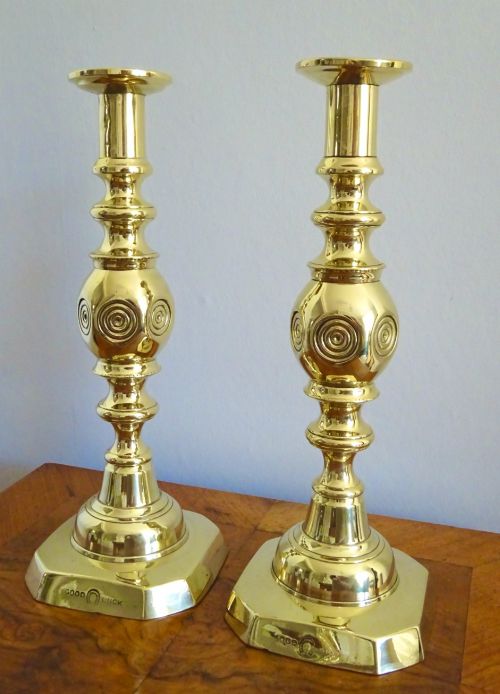
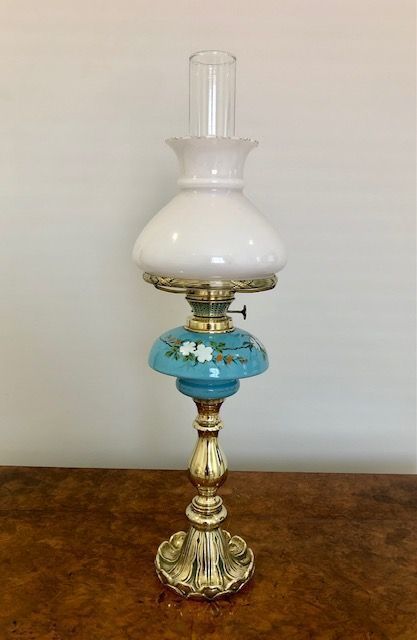
When you search for antique lighting accessories, you encounter a varied collection of utilitarian objects designed to support domestic illumination and desk tasks. The selection centres heavily on brass, silver plated and solid silver candlesticks alongside specialised items such as oil lamps, chambersticks and telescopic designs.
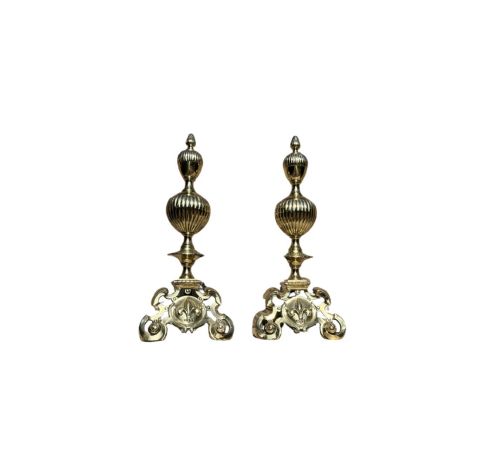
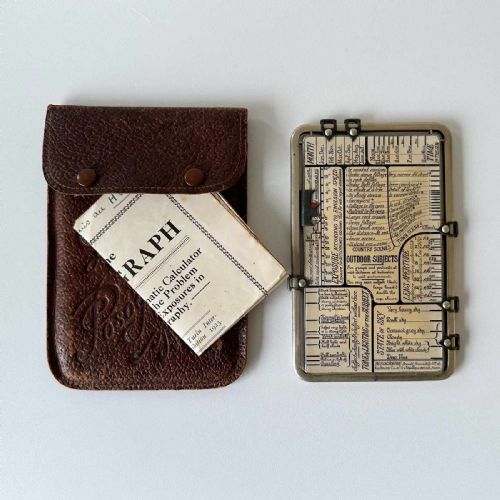
Most pieces date from the Georgian and Victorian periods, reflecting the transition from candlelight to early oil and paraffin lighting. Alongside standard candlesticks, the inventory includes related desk items, scientific instruments, fireplace accessories and decorative ceiling roses that completed period rooms.
How they were made
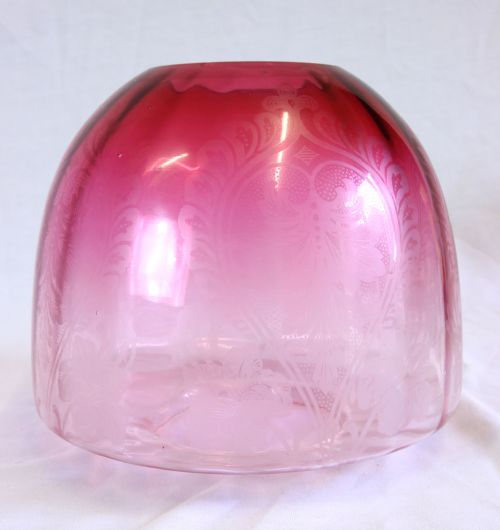
Makers utilised cast and turned metals, predominantly brass, iron, copper and bronze, alongside silver plating and solid sterling silver. Certain items incorporate contrasting elements like mahogany, fabric, horn, marble and cranberry glass to enhance their decorative appeal.
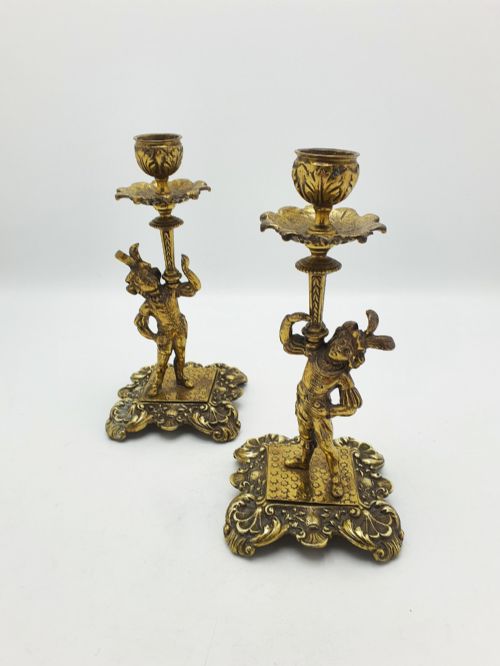
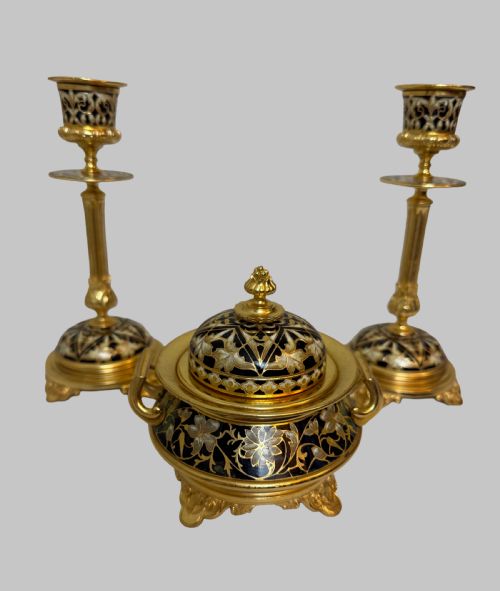
Manufacturing methods combine traditional foundry casting with detailed hand finishing, seen in champleve enamel work, intricate brass figural designs and turned wooden taper holders. Telescopic mechanisms and adjustable screw fittings demonstrate the mechanical ingenuity applied to everyday lighting equipment.
The listings feature brass, iron, copper, sterling silver, silver plate, mahogany, fabric, and gilt bronze across Georgian and Victorian periods.
What varies in quality
Quality rests on the crispness of the casting and the proportion of the form, where heavier gauge metals and well-defined figural details separate superior examples from plain production pieces. Matching pairs command greater interest than single survivors, particularly when original components remain intact.
The sophistication of surface enrichment distinguishes the work, from simple turned mahogany to elaborate gilt bronze, champleve enamelling and integrated mechanical functions like telescopic stems or patent candle shields.
M Pillischer of London·Auguste Robert Kauffman·Jan Eisenlöffel·WMF·Wedgwood
The Antique Lighting Accessories Glossary
- Chamberstick
- A low candlestick fitted with a saucer base and a handle, designed for carrying safely through dark corridors at night.
- Candelabra
- A multi-branched lighting device holding several candles or lights on a single stem, originating in formal reception rooms.
- Telescopic candlestick
- An adjustable lighting stand utilising sliding tubular sections to alter the height of the candle as it burns down.
- Champleve
- An enamelling technique where troughs are dug into a metal surface and filled with vitreous paste before firing.
- Ceiling rose
- A decorative ornamental moulding fixed to the ceiling around the point where a light fitting or pendant emerges.
- Jasperware
- A fine stoneware developed by Josiah Wedgwood, characterised by a matte finish and applied white relief ornaments against a coloured background.
Antique Lighting Accessories: Frequently Asked Questions
What is a chamberstick used for?
A chamberstick provided portable light for navigating unlit hallways and staircases in large houses before the invention of electric lighting. The wide drip pan caught melted wax while the side loop allowed a firm grip during movement.
Over time, these pieces transitioned from purely utilitarian items into decorative accessories displayed on mantelpieces or bedside tables.
How do telescopic candlesticks function?
Telescopic candlesticks feature sliding inner metal tubes that raise or lower the candle platform. This mechanism allowed users to adjust the height of the flame and easily extract leftover wax stubs.
Master metalworkers engineered these adjustable stems from brass and Sheffield plate, ensuring a smooth glide without losing structural stability.
What distinguishes Sheffield plate?
Sheffield plate involves fusing a thin sheet of sterling silver to a thicker copper core through heat and pressure. This technique created durable tableware and lighting items that offered the appearance of solid silver at a lower cost.
Examining the edges often reveals a faint copper line where the metals joined during the manufacturing process.
Where were ceiling roses placed?
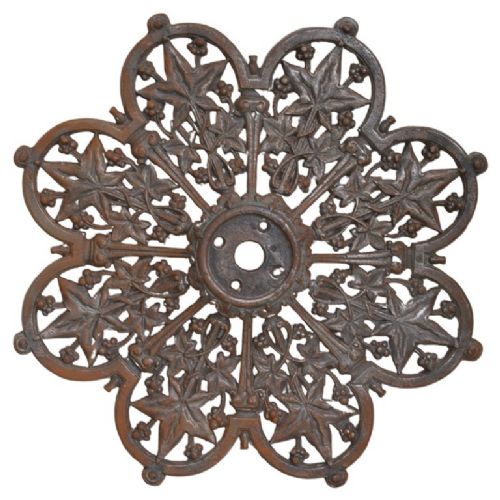
Ceiling roses were installed centrally on plaster ceilings to anchor chandeliers or gas light fixtures and protect the plaster from heat and smoke. Victorian homes utilised cast iron and plaster versions decorated with botanical motifs like ivy leaves.
These architectural elements added texture to the room and visually framed the primary light source overhead.