

Vintage Candle Stands
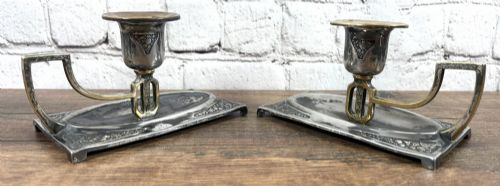
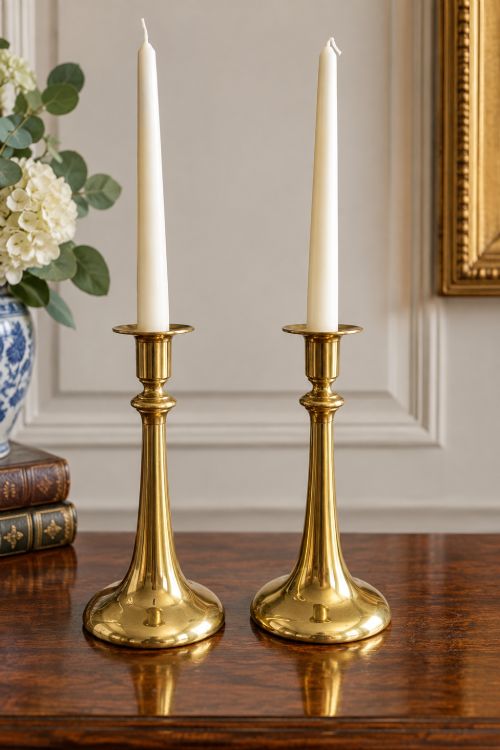
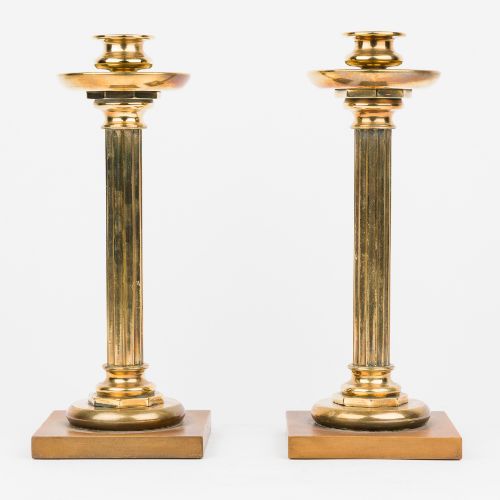
Vintage candle stands bring functional illumination and elevated display to a room, spanning weighty brass, polished mahogany and gleaming silver plate.
Vintage Candle Stands
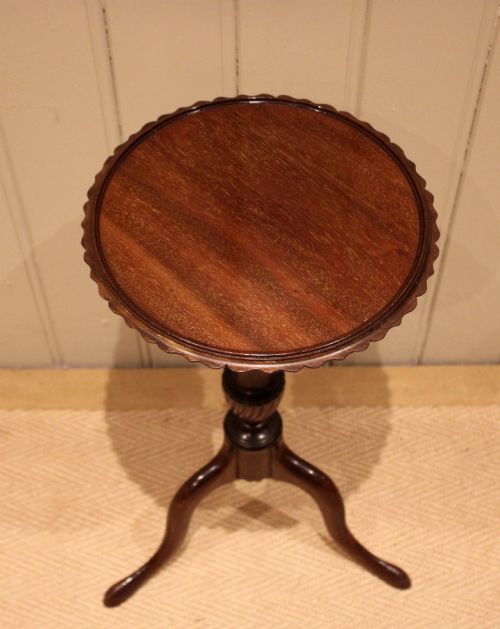
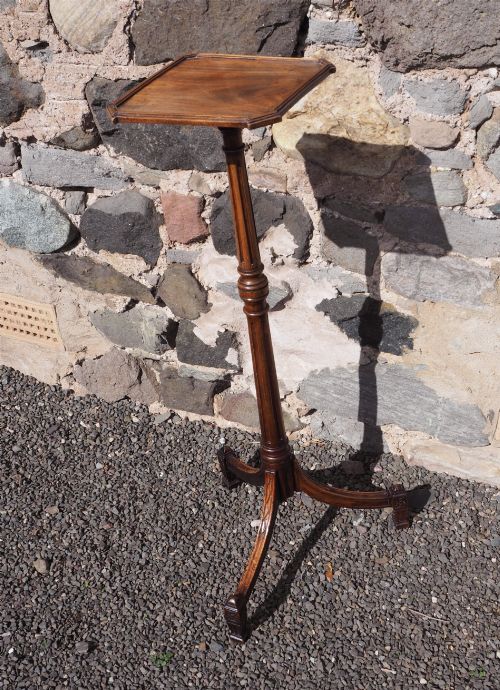
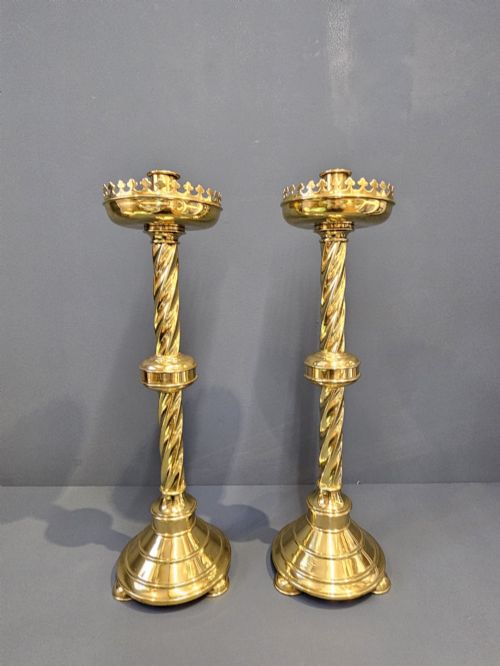
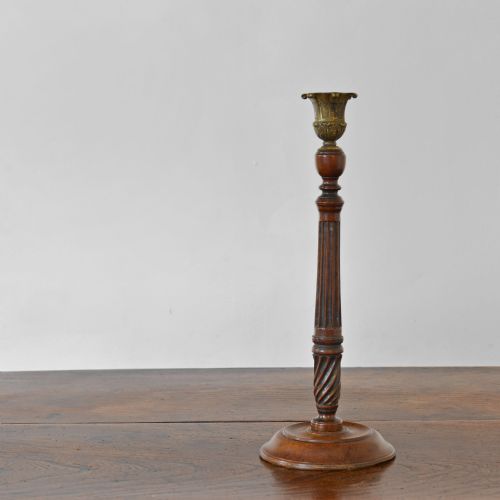
When you search for vintage candle stands, you encounter a varied assembly of objects designed to elevate light or hold small items, merging domestic utility with decorative presence. The selection ranges from towering church candlesticks in brass to delicate tripod wine tables and tall torcheres.
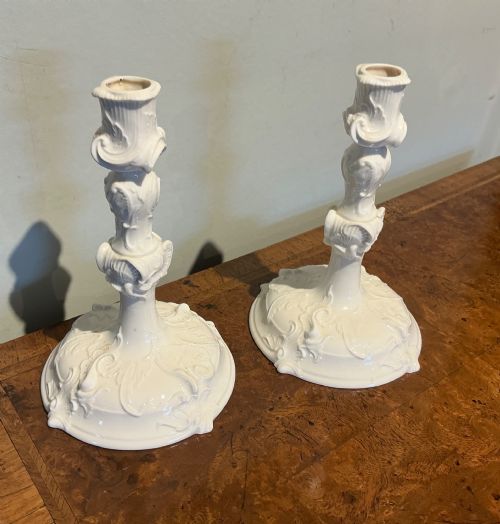
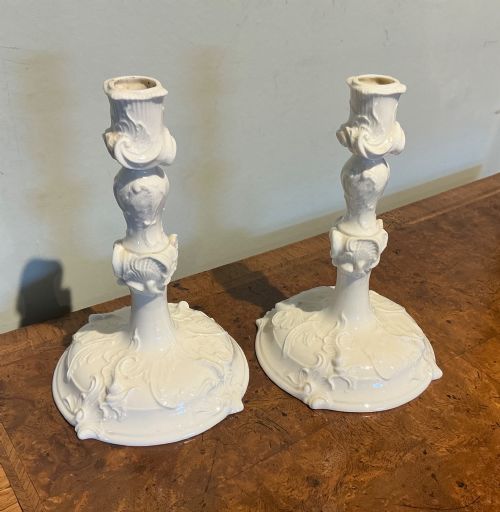
The pieces appearing on this page stretch from the eighteenth century through the Victorian and Edwardian eras into the early twentieth century. Candlesticks, candelabra and pricket stands sit alongside mahogany occasional tables and plant stands, reflecting how varied the term candle stands proves in practice.
Materials and construction
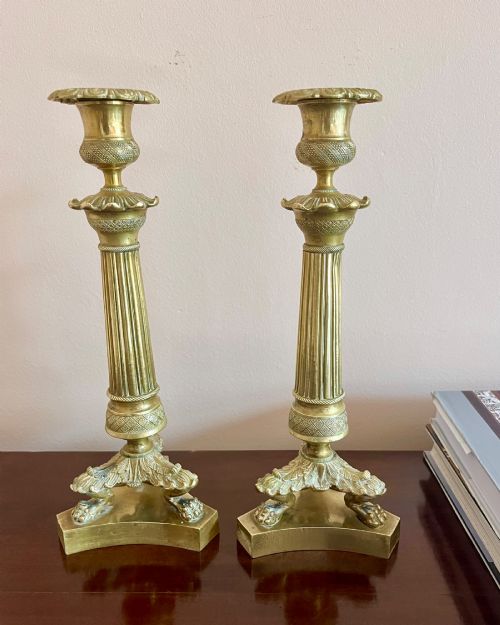
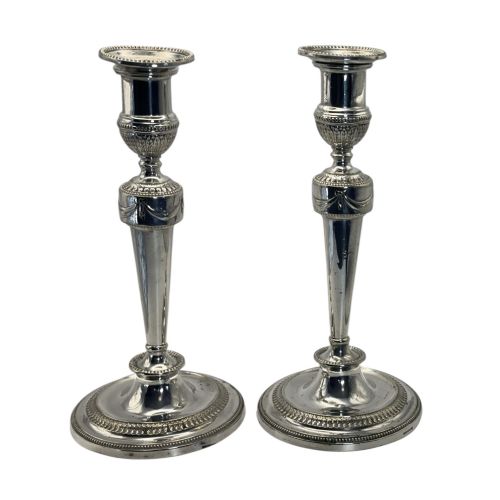
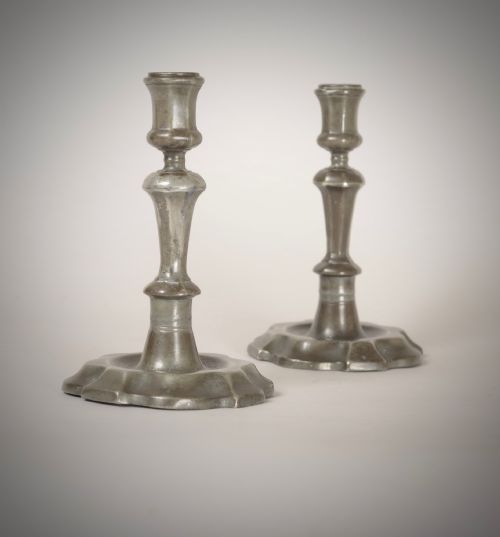
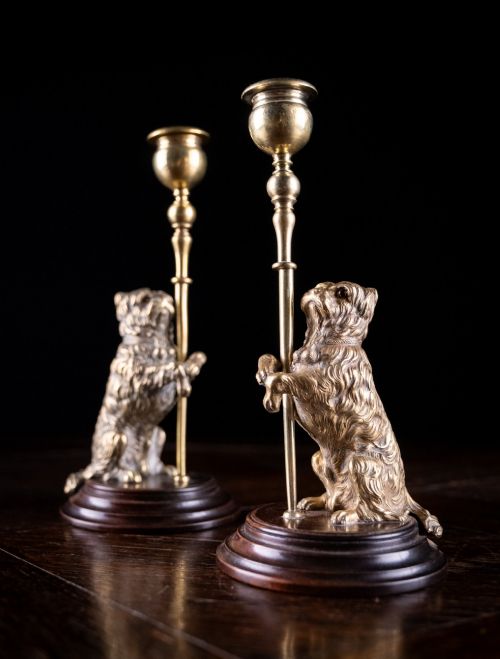
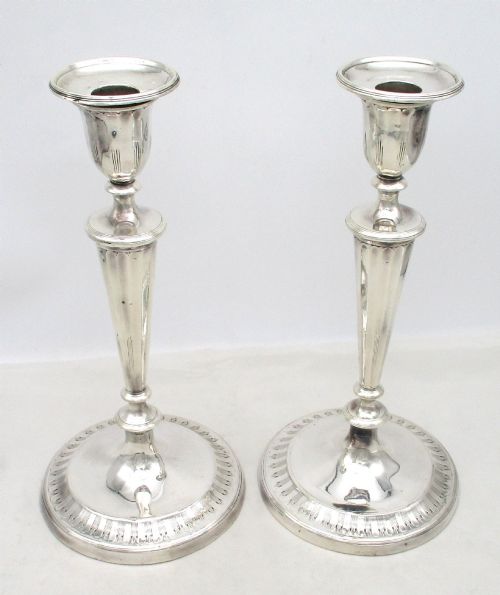
Metals such as brass, pewter, sterling silver and silver plate provide the substance for traditional candlesticks and candelabra, often cast or shaped with detailed column designs, neoclassical motifs or figurative elements like standing terrier dogs and snakes.
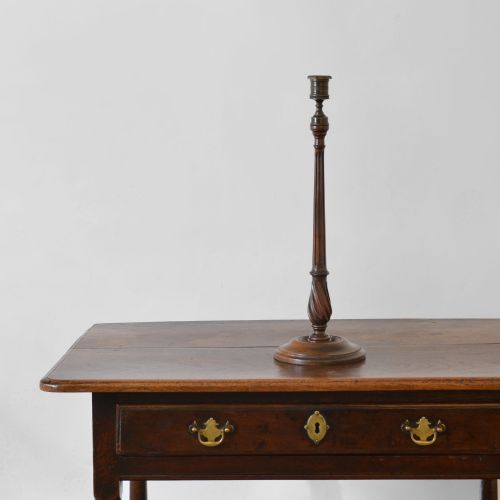
Timbers including mahogany, walnut, satinwood and rosewood form the tripod tables, wine tables and torcheres, sometimes utilising inlaid decoration, painted finishes or ebonised surfaces to achieve distinct decorative styles.
Among the brass stands sit cast standing terrier dogs, offering illumination held aloft by surprisingly attentive canine companions.
What separates the fine from the ordinary
Quality rests in the crispness of casting for metal pieces, where sharp fluting on Corinthian columns or defined details on ormolu mounts indicate skilled hands. In wooden tripod tables and torcheres, the integrity of the timber, the subtlety of turning on the column and the stability of the base dictate the standing of the piece.
Maker attribution also shifts an object's standing, as pieces bearing marks from established silversmiths or workshops carry distinct credentials. Proportion and balance complete the distinction, separating standard utility items from well-proportioned examples of period design.
Mappin & Webb·Garrard & Co
The Vintage Candle Stands Glossary
- Torchere
- A tall, slender stand designed to hold a candle or lamp, often featuring a circular top and a tripod base.
- Pricket candlestick
- A candlestick featuring a sharp metal spike at the centre to impound the base of a candle rather than a socket.
- Candelabra
- A multi-branched candle holder designed to support several candles simultaneously upon a single base.
- Occasional table
- A small, movable table utilised for specific secondary tasks around a room such as holding a lamp or drinks.
Vintage Candle Stands: Frequently Asked Questions
What is a torchere?
A torchere is a tall, slender stand traditionally used to elevate a light source or decorative object in a room. These tall pieces often feature decorative turned wooden columns or ebonised surfaces.
They function well in corners or beside seating where vertical presence is desired without occupying excessive floor space.
How do I use a wine table?
Wine tables operate as small, movable occasional surfaces designed for drinks, books or small decorative items. Their compact tripod bases allow them to sit easily beside armchairs or sofas.
These timber pieces bring warmth to a scheme through polished mahogany or walnut grains while offering practical surface space.
What is the difference between a candlestick and a candelabra?
A candlestick supports a single candle within a socket or upon a pricket spike. A candelabra provides multiple arms to hold several candles from one central stem.
Candelabra usually offer a more ornate appearance suitable for dining tables or sideboards, whilst single candlesticks suit mantelpieces and smaller ledges.
How do I care for silver plated candle stands?
Silver plated pieces require gentle cleaning with a specialised silver cloth to maintain their shine without wearing through the thin silver layer. Regular dusting prevents tarnish from settling deeply into engraved or embossed details.
Store them away from direct heat sources and damp environments to preserve the integrity of both the metal and any underlying base material.
How do I identify a Georgian mahogany stand?
Georgian mahogany pieces generally display deep natural wood patination, hand-turned pillars and sturdy tripod bases with pad or snake feet. Construction often involves traditional joinery methods without modern fixings.
Examining the underside and interior surfaces reveals the tool marks and ageing characteristic of eighteenth century cabinet making.