


Frosted Floral Lamp Shade
A frosted floral lamp shade brings a soft, diffused glow to a room, pairing tactile glass with delicate botanical motifs.
Frosted Floral Lamp Shade
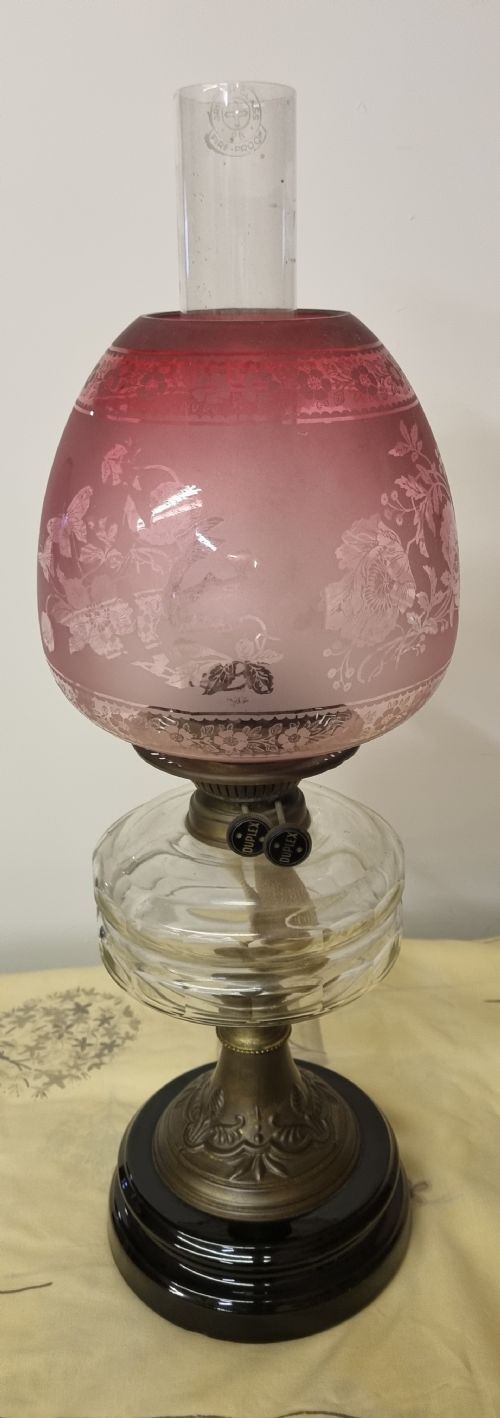
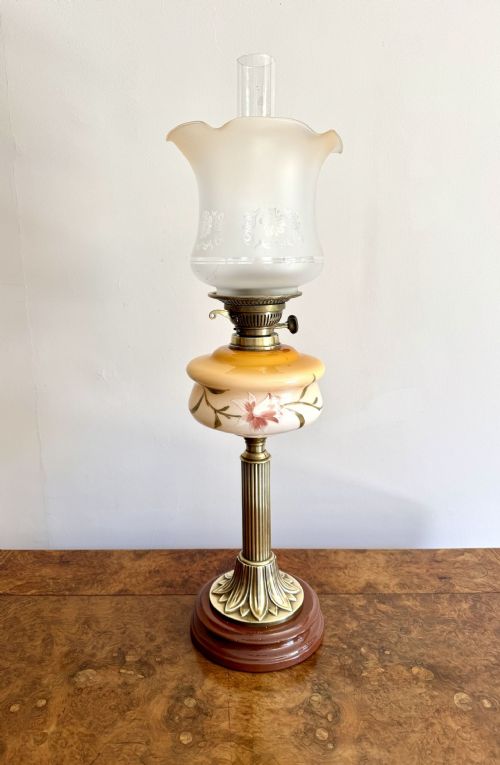
When you search for a frosted floral lamp shade, you find glass shades designed to fit oil lamps, table lamps, and light fixtures from periods spanning the Victorian era through the early twentieth century. These pieces combine a translucent frosted surface with moulded or etched botanical details.
The versions you are most likely to meet on this page include Victorian and Edwardian examples, alongside pieces from the 1900s to the 1930s. They appear in forms such as tulip globes, oil lamp shades, and general light shades.
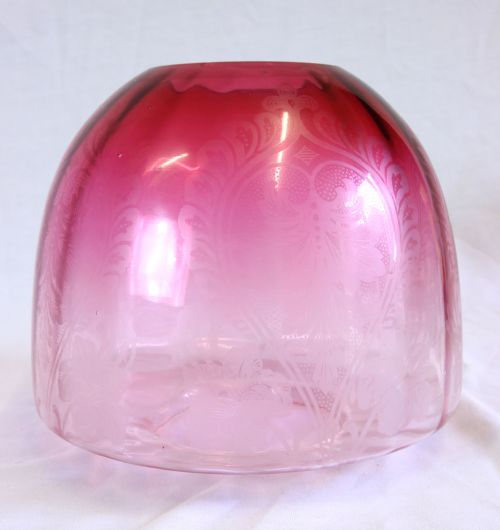
Makers produced these shades in various colours, with green glass, cranberry glass, and clear frosted glass frequently appearing across Victorian and later listings. They accompany brass, ceramic, and crystal lamp bases or chandeliers.
How they were made
Glassmakers created the frosted effect using chemical acid etching or sandblasting to dull the surface of the glass, softening the glare of the internal light source. They shaped the floral and tulip designs using moulds or by hand-cutting details into the glass.
Manufacturers combined these glass shades with mounts, galleries, and bases made from brass, crystal, and ceramic components. Some pieces incorporated supplementary materials such as marble and fabric within the wider lamp assemblies.
Cherubs occasionally hold up the hardware, proving that even Victorian engineers needed a little celestial assistance to keep the lights on.
What varies in quality
Quality in a frosted floral lamp shade rests on the crispness of the moulded or etched botanical detail against the evenness of the frosted surface. Finer examples display sharp petal edges and well-defined floral relief that catch the light cleanly.
The weight and clarity of the base glass itself differentiate standard production from superior work. Heavier glass bodies with consistent thickness and rich coloration, such as deep cranberry or vibrant green hues, command greater appreciation.
Sitzendorf·Baccarat
The Frosted Floral Lamp Shade Glossary
- Frosted glass
- Glass treated to scatter light and create a translucent, matte surface rather than a clear view. This technique softens harsh glares from oil or electric lamps.
- Tulip shade
- A lamp shade shaped to resemble an opening tulip blossom, often featuring flared petals at the rim. These are common among Victorian and Edwardian oil lamp globes.
- Oil lamp
- A lighting device that burns liquid fuel through a wick, usually comprising a reservoir, burner, and glass shade. Many surviving examples have been converted to electricity.
- Art Nouveau
- A style popular around 1900 characterised by flowing, organic lines inspired by natural forms. It heavily influenced the floral motifs found on glass light shades of the period.
Frosted Floral Lamp Shade: Frequently Asked Questions
What fits a frosted floral lamp shade?
These shades generally fit standard oil lamp burners, galleries, or specific ring fitters on antique table lamps and chandeliers.
Buyers should measure the fitter rim diameter carefully to ensure compatibility with existing lamp hardware.
How do I clean frosted glass?
Clean frosted glass gently using warm water and a mild detergent with a soft cloth. Avoid abrasive pads that can scratch the matte finish.
Dry the shade thoroughly with a lint-free cloth to prevent water spots on the etched surface.
Were these shades electrified originally?
Many of these shades date from the Victorian and Edwardian eras when oil was the primary fuel for lighting. They were subsequently adapted for electrical use as technology advanced.
Original oil lamp shades often feature open top and bottom collars designed to accommodate burners and chimneys.
How do I date a lamp shade?
Dating relies on the manufacturing technique, the colour palette, and the stylistic traits of the floral motifs. Victorian and Edwardian pieces often display distinct botanical moulding and specific hues like cranberry or pale green.
Comparing the form to documented oil lamp and chandelier catalogues from the nineteenth and early twentieth centuries helps confirm the period.