

Antique Library Globe
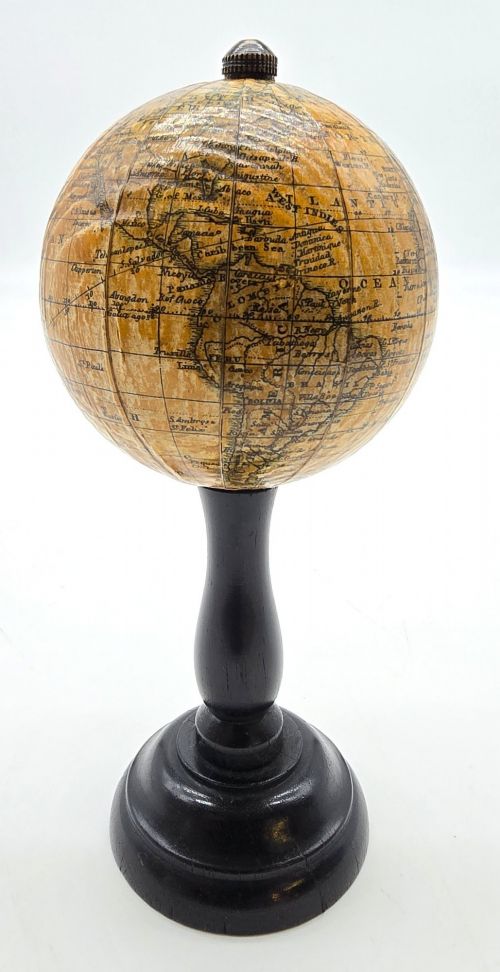
An antique library globe maps the world on a paper sphere, bringing period geography and scholarship directly into a room.
Antique Library Globe
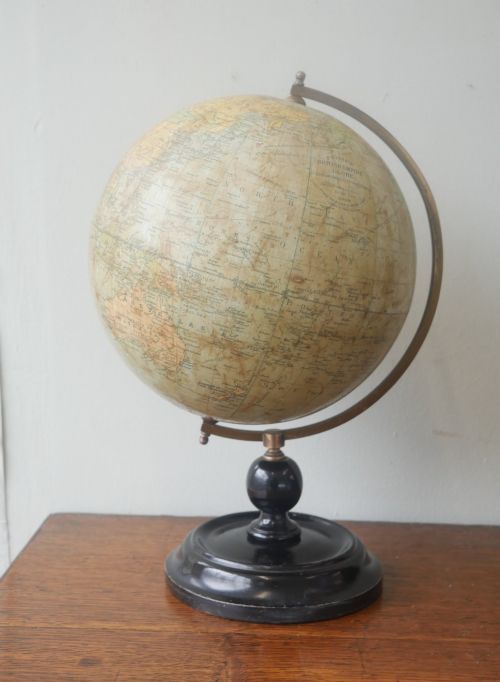
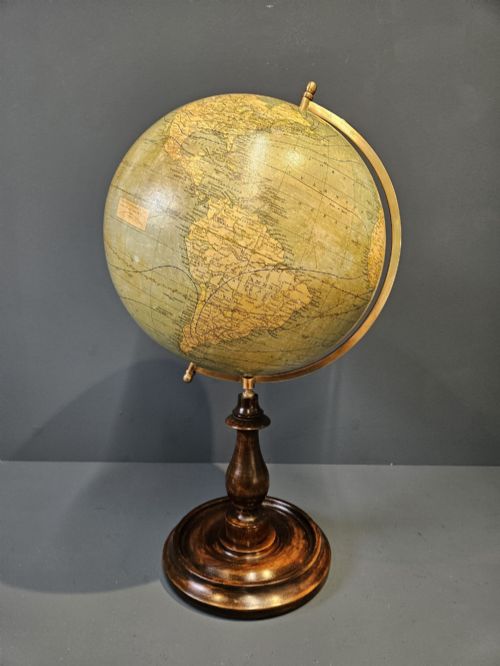
An antique library globe is a terrestrial or celestial sphere mounted on a stand, designed for study and reference in a private room or library. These objects range from small desktop models to large floor-standing examples created by makers across Europe and Britain.
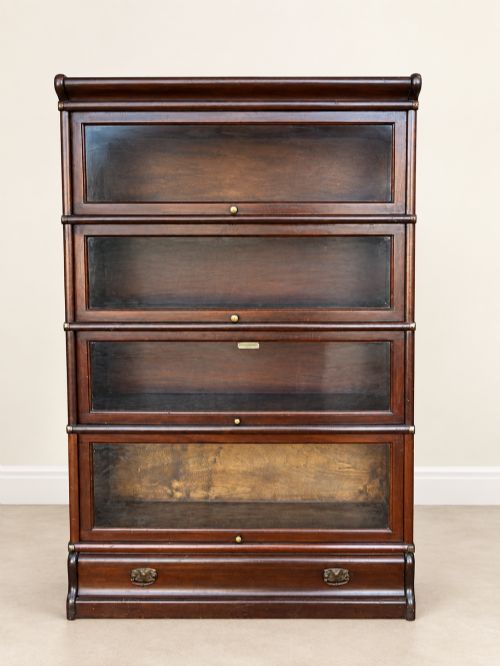
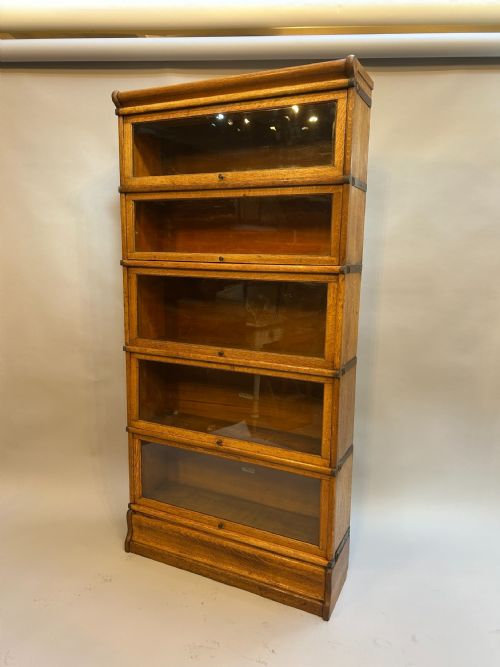
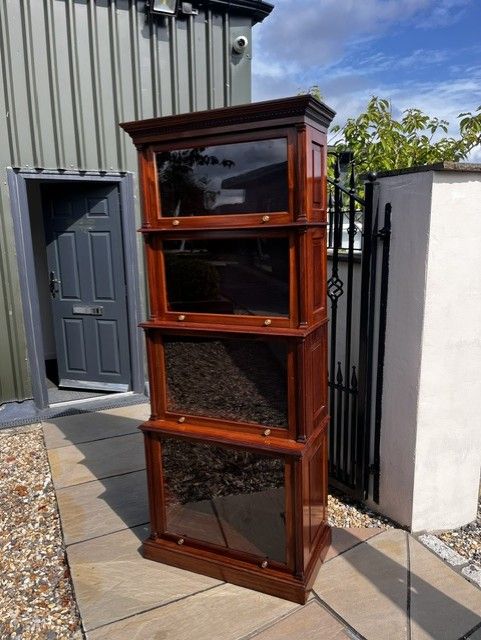
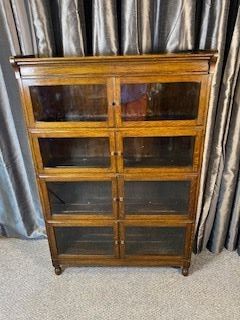
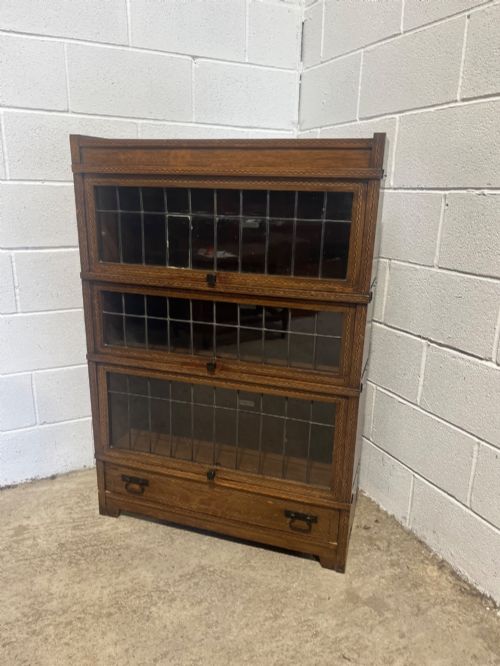
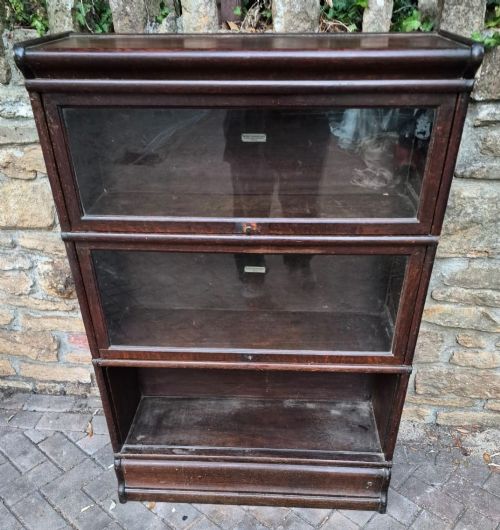
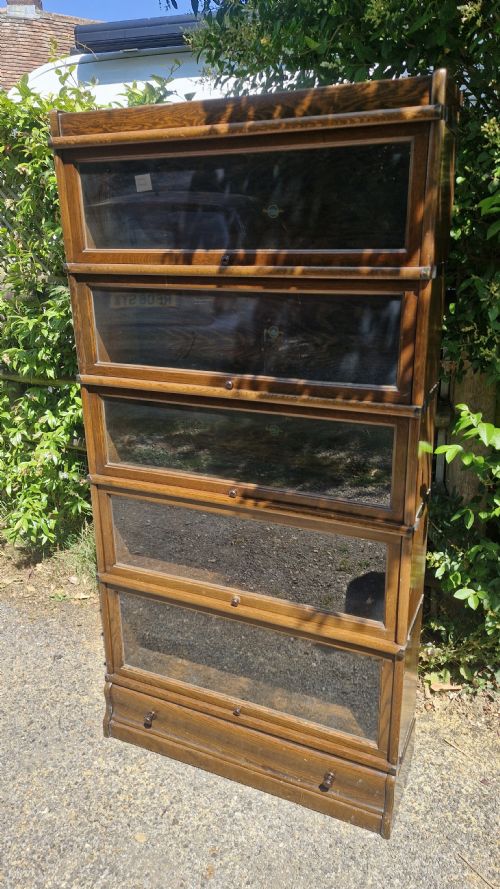
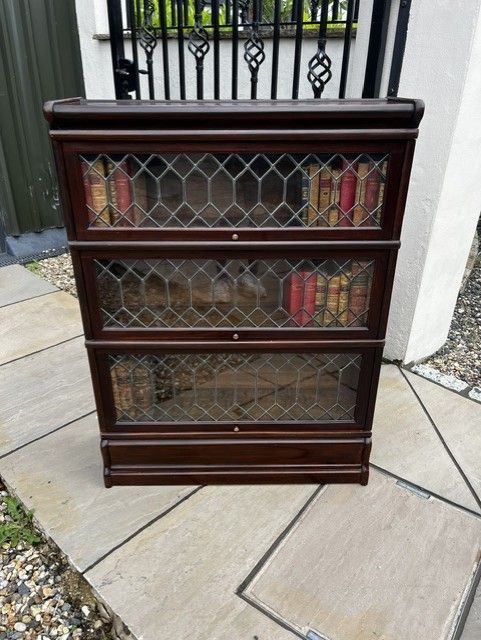
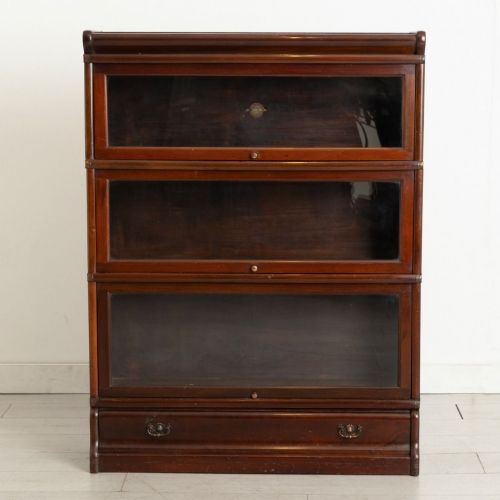
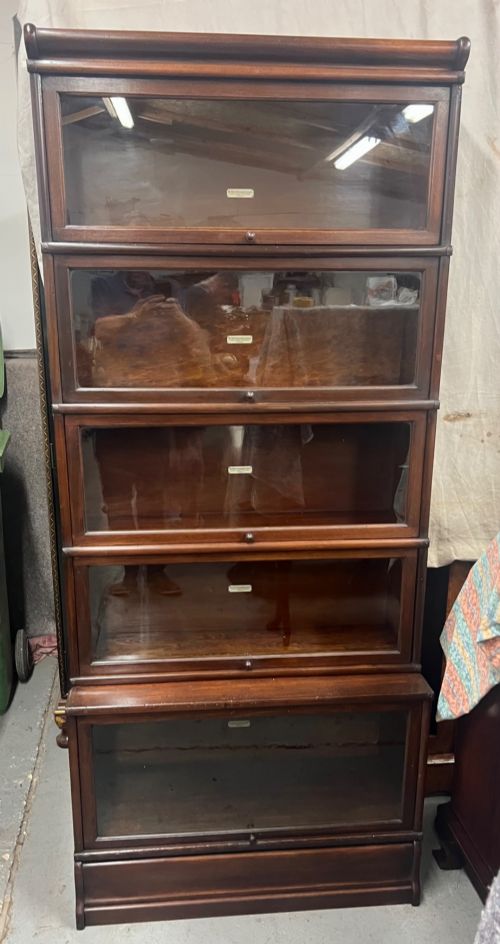
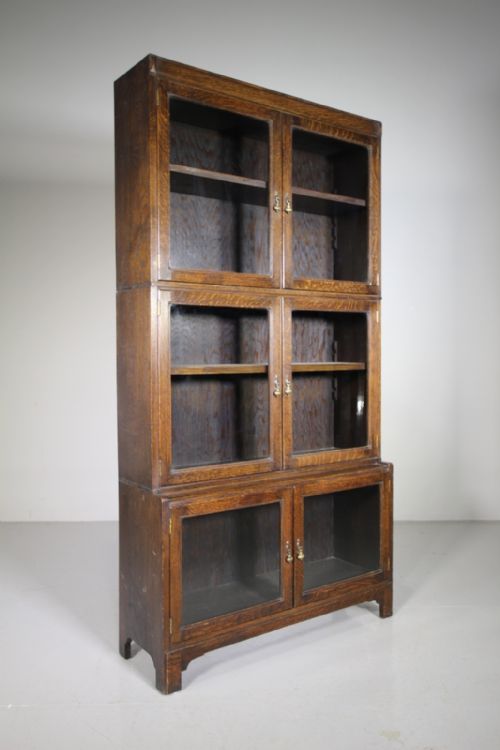
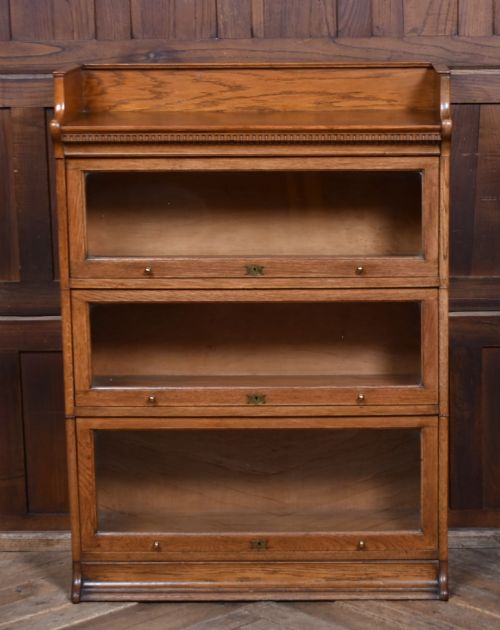
The pieces appearing on this page span several centuries, including Victorian, Edwardian, and interwar editions. Alongside dedicated floor and table globes, the search surfaces related sectional bookcases that once furnished the same spaces.
Makers such as Cary, Malby, and Newton produced these geographical tools using plaster spheres overlaid with printed gores. Collectors encounter them mounted on timber stands or brass bases, reflecting the interior tastes of their respective periods.
Materials and construction
Makers built the core sphere using plaster applied over a solid base or hollow armature, ensuring a stable surface for cartographic work. Printed paper gores, engraved with geographical details, were then hand-applied in segments across the sphere.
Stands and mountings utilised seasoned timbers such as mahogany, oak, and walnut, alongside cast brass and metal for graduated rings and desk feet. Glass often protected associated library bookcases, while lead weights stabilised particular mechanical elements.
Listings feature globes spanning the 18th, 19th, and 20th centuries, constructed from paper, plaster, brass, mahogany, and oak.
Distinctions in quality
Quality rests in the precision of the cartographic engraving and the clarity of the printed gores applied to the plaster sphere. Finer globes exhibit detailed geopolitical boundaries and delicate hand-colouring that remains legible across the surface.
The craftsmanship of the supporting stand distinguishes ordinary pieces from exceptional works. Solid mahogany or walnut frames, robust brass meridian rings, and stable turned footings indicate higher standards of period manufacture.
G and J Cary·Malby·W and AK Johnston·J Forest·Globe Wernicke
The Antique Library Globe Glossary
- Gore
- A tapering printed paper strip shaped to fit smoothly over the curved surface of a globe sphere. Sets of these segments are pasted together during manufacture.
- Terrestrial globe
- A scale model of the Earth depicting landmasses, oceans, political boundaries, and shipping routes. These instruments served as standard reference tools in studies and libraries.
- Celestial globe
- A sphere mapping the stars, constellations, and astronomical coordinates relative to the Earth. They were frequently produced as companion pieces to terrestrial globes.
Antique Library Globe: Frequently Asked Questions
How do I date an antique globe?
Dating relies heavily on the geopolitical boundaries, country names, and exploration routes printed on the paper sphere. Examining the style of the timber stand and the typography of the cartouche also helps narrow the production era.
Makers often printed revision dates or operational years within the cartouche text. Comparing these details against known publishing periods provides a reliable timeframe.
Where were library globes placed?
Makers designed larger editions as floor-standing instruments positioned near bookcases and writing desks in private studies. Smaller models sat directly on top of mahogany or oak desks and library tables.
These pieces anchored the scholarly aesthetic of a room, sitting alongside sectional bookcases and reading lamps. Their placement allowed easy reference during scholarly reading or correspondence.
How do terrestrial and celestial globes differ?
Terrestrial globes represent the surface of the Earth, showing continents, oceans, countries, and historical trade routes. They were utilised for geography, navigation, and political reference.
Celestial globes map the night sky, displaying constellations and star magnitudes against an imaginary sphere. Makers frequently sold them in pairs alongside terrestrial globes for comprehensive study.