



Antique Letter Organiser
An antique letter organiser keeps correspondence tidy on a desk, bringing practical order and period craftsmanship to daily post.
Antique Letter Organiser
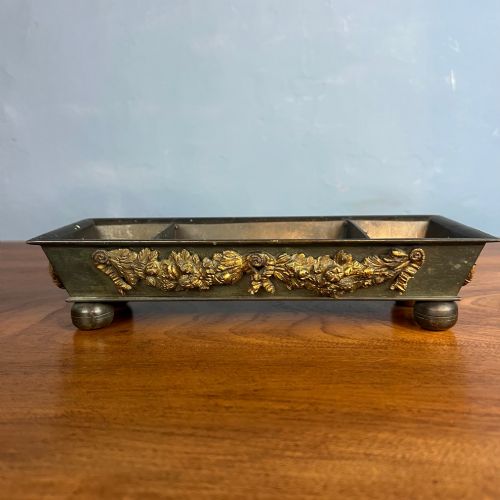
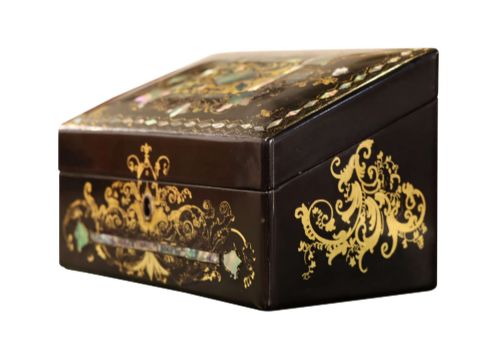
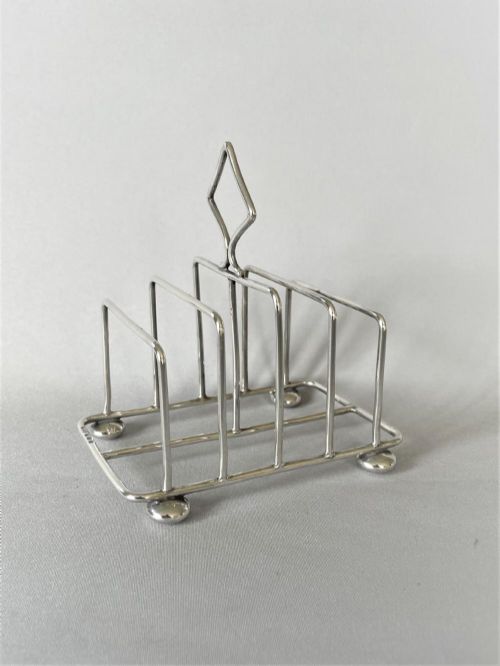
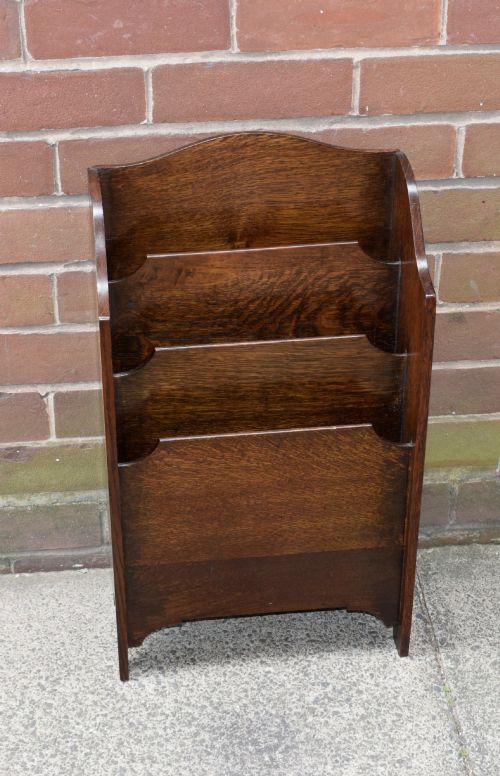
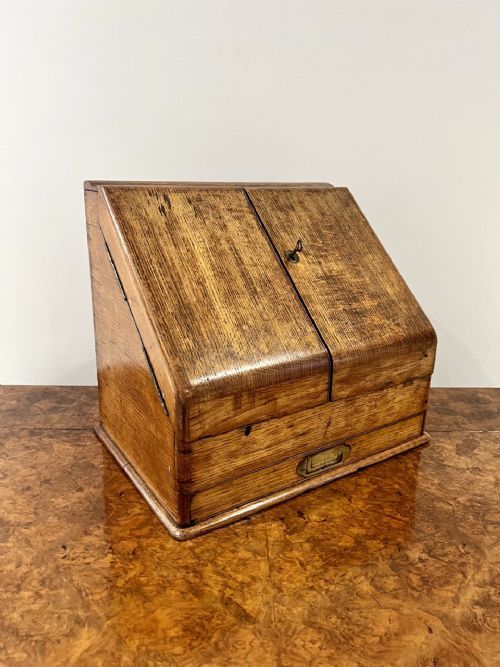
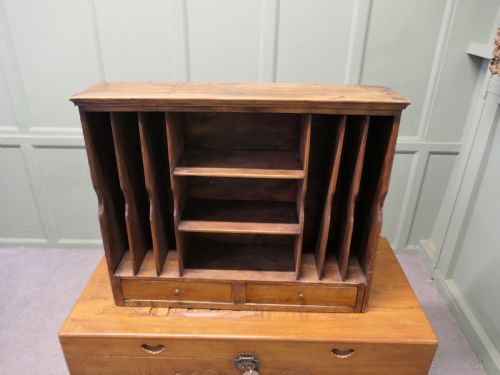
An antique letter organiser serves as a dedicated desktop accessory designed to hold incoming post, envelopes, and stationery neatly in place. These pieces appear in forms such as stationery boxes, letter racks, correspondence boxes, and desk tidies originating mainly from the Victorian and Edwardian periods.
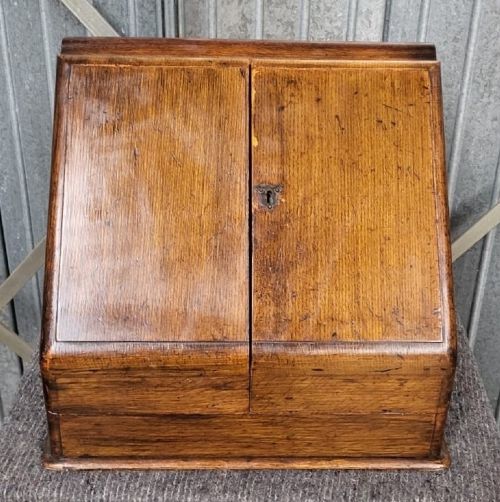
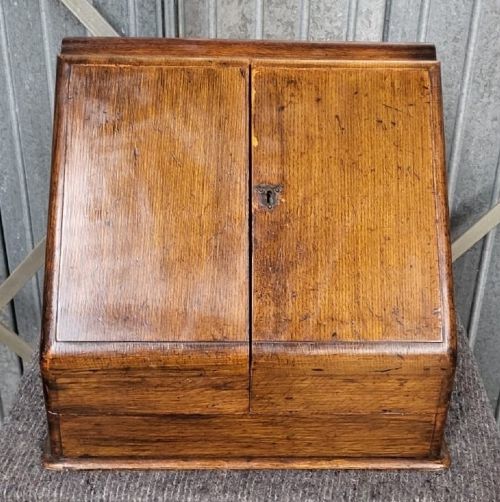
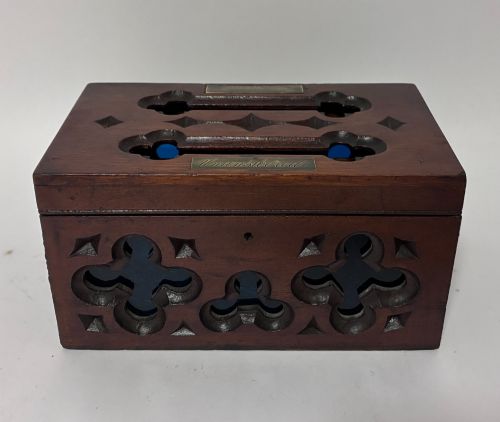
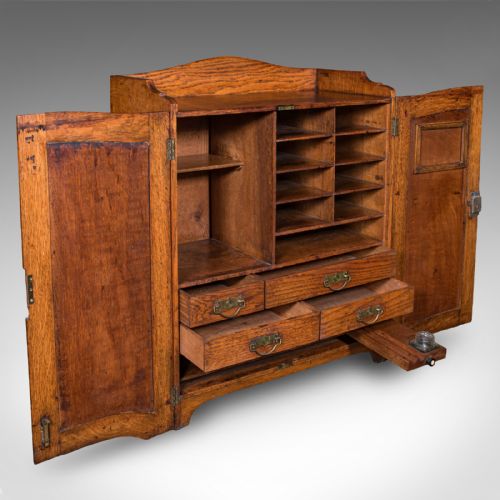
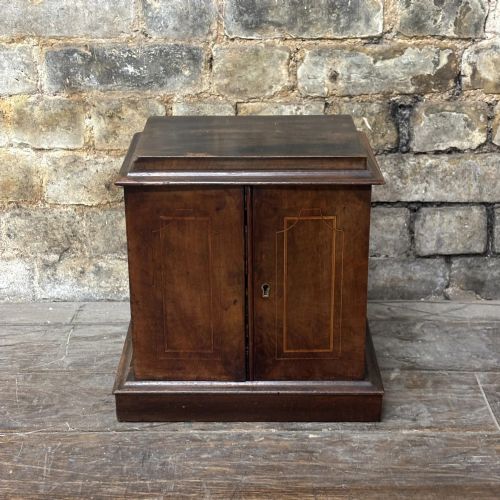
Buyers will most frequently encounter sturdy oak and mahogany stationery cabinets or brass letter racks from the nineteenth and early twentieth centuries. Many incorporate hinged lids, fall fronts, or tiered dividers to sort letters efficiently within a study or library setting.
How They Were Made
Cabinet makers utilised dense hardwoods such as oak, mahogany, walnut, and coromandel, often constructing sturdy carcases with dovetailed joints to withstand daily desk use. These timbers provided a stable foundation for applied mouldings, hinged compartments, and sloping fall fronts.
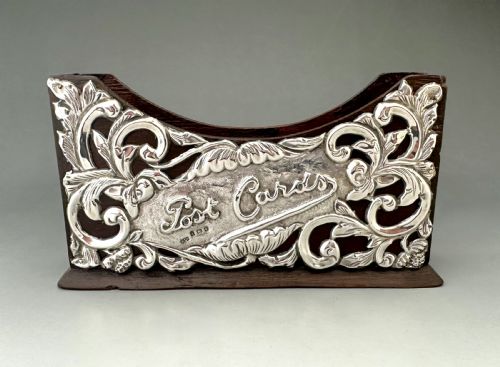
Metalwork played a defining role, with brass, copper, and silver mounts, hinges, and carrying handles fitted securely to the wooden bodies. Decorative techniques included applied ormolu, inlay, and intricate Tunbridge Ware marquetry to enhance the exterior surfaces.
Antique Letter Organiser Retail Price Guide 2026
Typical asking prices for letter organiser among the pieces listed under this phrase on Sellingantiques today, from the lower quarter to the upper quarter. They describe what is for sale here now, not the wider market.
Secret drawers lurk beneath several oak desk boxes, ready to hide love letters or stray postage stamps.
What Varies in Quality
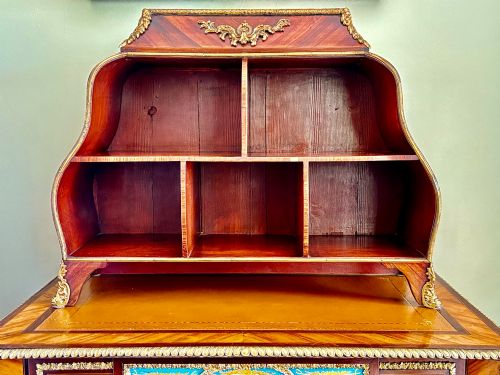
The standard of timber selection and interior fitting dictates the grade of each piece, distinguishing simple utility items from elaborate country house examples. Finer specimens display well-figured grain, matched veneers, and meticulously cut pigeon holes or secret drawers.
Execution of decorative details separates everyday boxes from high-status creations. Cast ormolu mounts, crisp brass fretwork, and complete original silver or glass ink and calendar components indicate superior craftsmanship and workshop origin.
Edmund Nye·Elkington
The Antique Letter Organiser Glossary
- Stationery box
- A tabletop desk cabinet featuring a sloped or hinged lid designed to house writing paper and envelopes upright.
- Cartonnier
- A desktop filing cabinet with multiple horizontal compartments or pigeon holes for sorting papers and correspondence.
- Tunbridge Ware
- A form of intricate woodwork using thousands of tiny coloured wood blocks to create mosaic pictorial designs on boxes.
- Gothic Revival
- A nineteenth-century design style drawing inspiration from medieval architecture, often seen in pointed arches and heavy brass strapwork.
Antique Letter Organiser: Frequently Asked Questions
What is an antique letter organiser?
An antique letter organiser is a desktop accessory designed to hold mail, envelopes, and paper supplies in an orderly fashion.
These items range from simple wooden letter racks to fully enclosed stationery cabinets with multiple compartments.
How were stationery boxes used?
Victorian and Edwardian writers used these boxes to keep incoming and outgoing correspondence sorted on desks and writing tables.
The hinged lids and fall fronts protected private letters from dust and kept private documents secure.
What materials are most common?
Oak and mahogany form the basis of most surviving nineteenth-century desk accessories and letter holders.
Brass and copper appear frequently as structural mounts, hinges, and decorative frames.
How do I date an organiser?
Dating relies on stylistic clues, such as Gothic revival arches, Arts and Crafts copperwork, or Edwardian satinwood inlay.
Timber choice and construction methods also point toward specific decades within the nineteenth and early twentieth centuries.