


Antique Lead Figure
These antique lead figure examples bring distinct sculptural character to gardens and interiors through solid cast metal forms shaped across the eighteenth and nineteenth centuries.

Antique Lead Figure
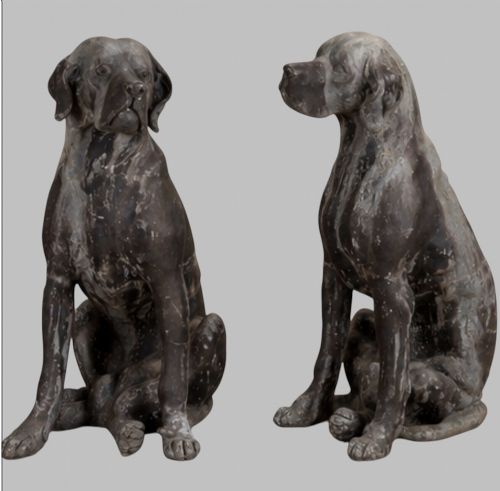
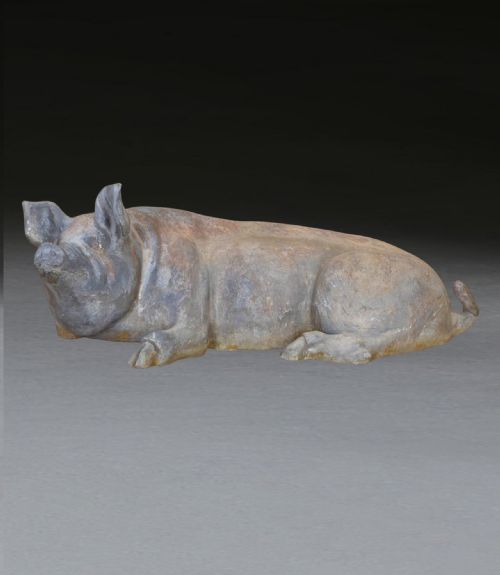
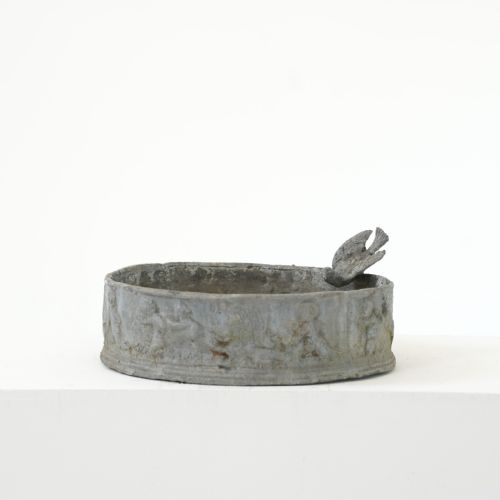
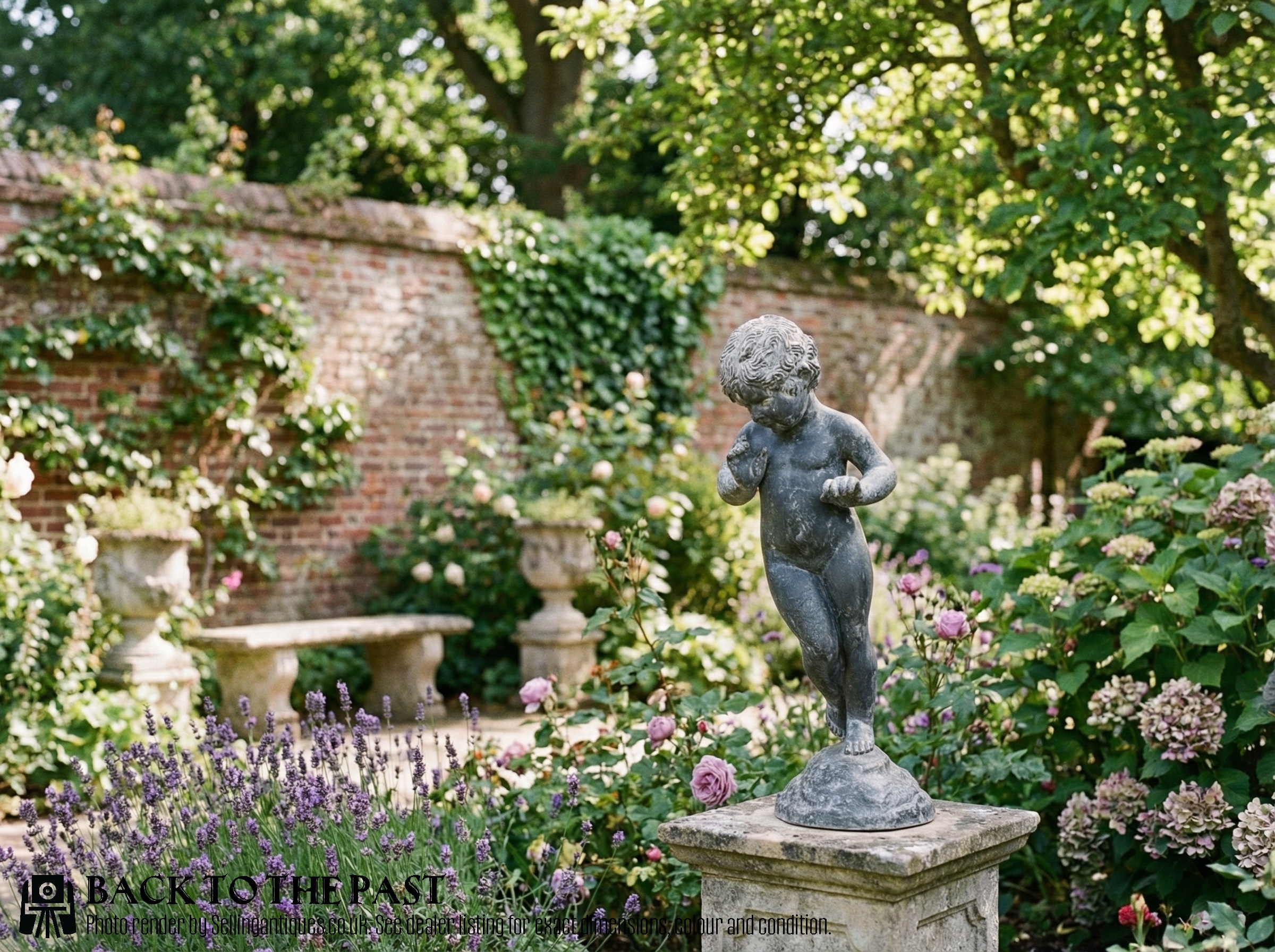
An antique lead figure covers sculptural works cast in metal, alongside related garden statuary, animal studies, and mythological subjects appearing across the eighteenth, nineteenth, and early twentieth centuries. Pieces range from small tabletop ornaments and cold-painted cabinet birds to life-size garden hounds and putti designed for outdoor display.
Most examples found in this category date from the Victorian era and the Georgian period, executed in solid cast lead or pewter with varied patination. Buyers encounter everything from classical figures and architectural planters to whimsical animals and historical monarchs.
What varies in quality
The integrity of the original surface patination and the presence of early cold-painted decoration heavily influence the character of a piece. Substantial weight and balanced proportions in larger garden sculptures also indicate superior foundational casting.
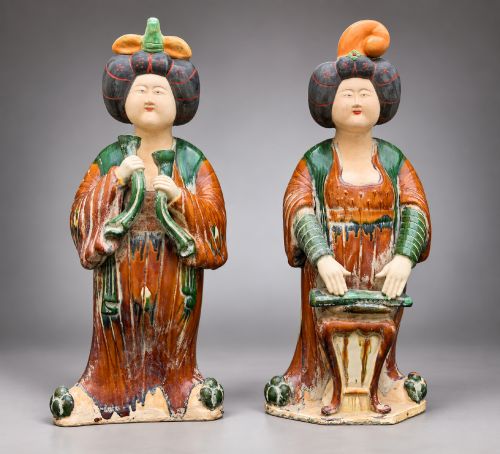
Listings span the Georgian and Victorian periods, featuring lead alongside earthenware, terracotta, and glaze materials.
Lakin and Poole·Robinson and Leadbeater
The Antique Lead Figure Glossary
- Cast lead
- Molten lead poured into a mould to form a solid or hollow sculptural object. This technique allows for durable outdoor statuary that weathers with a distinctive grey oxidation.
- Putto
- A chubby male child figure, frequently winged, appearing in classical and neoclassical art. These sculptural motifs often decorate garden settings as putti pairs.
- Cold painted
- Pigment applied to a metal object after casting without subsequent high-temperature firing. This finish is frequently found on small decorative animal and bird figures.
- Patination
- The surface alteration and colour change developed on metal over long periods through exposure to air and handling. Natural oxidation creates a protective and visually appealing skin on lead.
- Staffordshire pottery
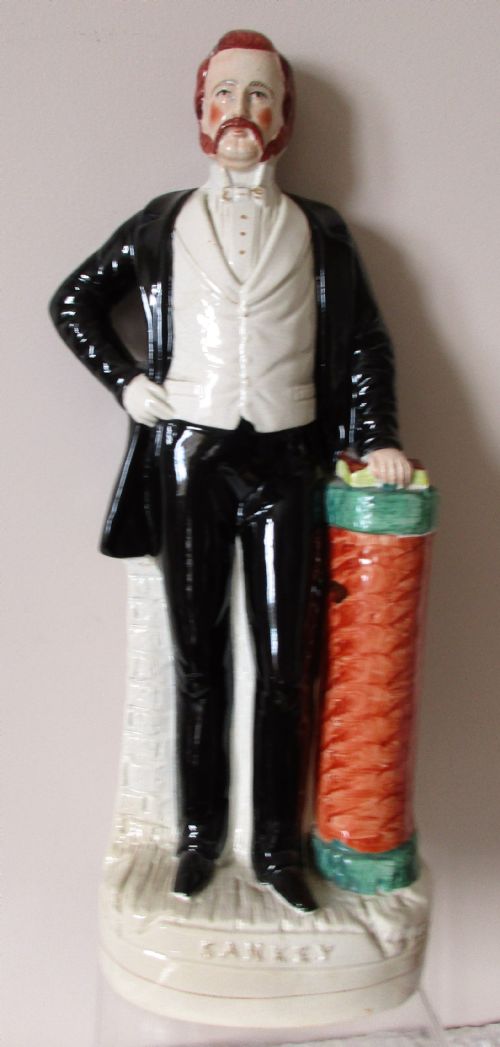
- Ceramic figures produced in the Staffordshire pottery district during the eighteenth and nineteenth centuries. These earthenware pieces often depict portrait subjects and literary figures.
Antique Lead Figure: Frequently Asked Questions
Where should lead garden figures be placed?
These heavy metal sculptures suit outdoor placement on stone terraces, lawns, or within garden beds where they can withstand weather and develop natural patination.
Positioning them away from constant standing water helps preserve the metal surface over many years of outdoor exposure.
How do I clean an antique lead sculpture?
Gentle washing with mild soap and water removes accumulated dirt without disturbing the historic oxidized surface layer of the metal.
Harsh chemical cleaners and abrasive scouring pads must be avoided to prevent stripping the protective patina that forms over decades.
What subjects are common in lead figures?
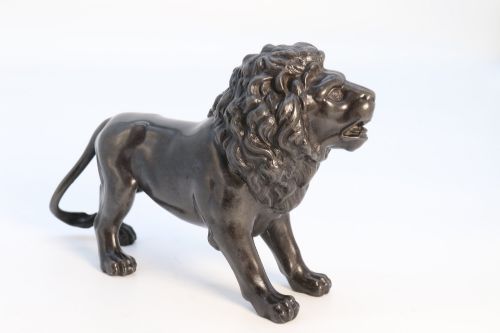
Common subjects include mythological putti, classical animals such as lions and hounds, historical figures, and garden companions like monkeys and satyrs.
These motifs reflect both classical neoclassical revivals and the whimsical tastes of Victorian and Georgian garden designers.
How can I tell the age of a lead figure?
Dating relies on stylistic clues, casting methods, and the depth of the natural grey oxidation accumulated across the metal surface.
Comparing the sculptural style to documented eighteenth and nineteenth-century examples helps establish the likely period of manufacture.