


Victorian Lead Ornament
These victorian lead ornament examples bring character to a garden through figures, planters, and sundials cast to weather outdoors.

Victorian Lead Ornament
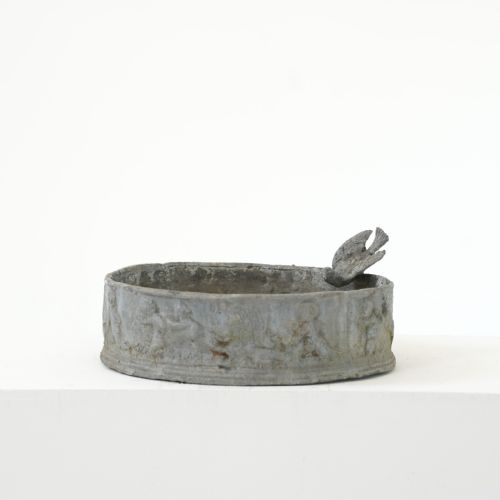
Most pieces date from the nineteenth century, showing the robust casting methods of the period. Forms range from garden statuary and bird baths to decorative planters resting on claw feet.
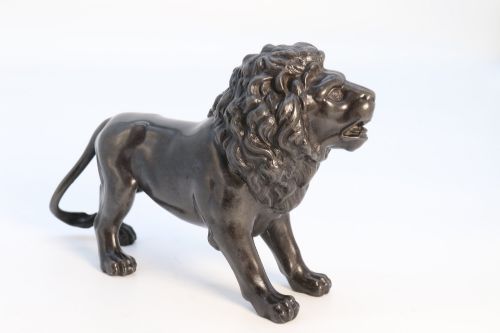
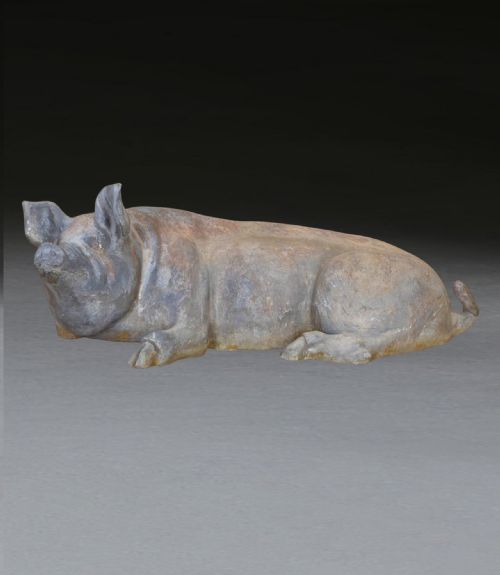
English country and neoclassical styles appear frequently among these items, reflecting the formal and rustic tastes of nineteenth-century gardens. Figures such as lions, pigs, satyrs, and monkeys bring a distinct narrative quality to outdoor spaces.
How they were made
Some works incorporate decorative treatments such as cold painting, adding colour to metal surfaces before natural weathering takes hold. Other items combine lead casting with structural forms like chimneys adapted for garden use.
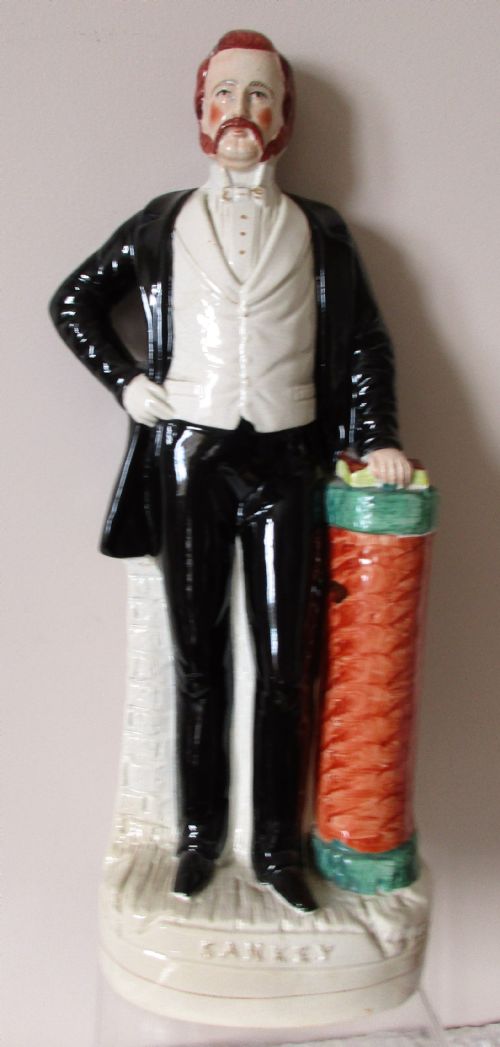
The listings on this site record nineteenth-century items created in lead alongside earthenware pottery figures and cut-glass lustres.
What varies in quality
The weight and thickness of the metal plate determine how well a vessel or figure holds its shape over decades of outdoor exposure. Superior items maintain their structural integrity while developing a stable, mottled grey patina.
The Victorian Lead Ornament Glossary
- Lead
- A heavy, durable metal that develops a protective grey patina when exposed to the elements. It remains the defining material for these garden ornaments.
- Patina
- The surface layer formed on metal through age and oxidation. This natural weathering process adds depth to nineteenth-century garden pieces.
- Neoclassical
- A style drawing inspiration from classical antiquity. It influences the formal urns and classical animal studies seen in this category.
Victorian Lead Ornament: Frequently Asked Questions
How do I place lead ornaments in a garden?
Position these heavy metal pieces directly on soil, stone paving, or gravel paths where their weight provides natural stability. Placing them amid low-growing foliage allows the weathered grey metal to contrast with green plants.
Ensure larger planters and bird baths rest on level ground to distribute the combined weight of metal, soil, and water evenly.
Can lead garden pieces stay outside all winter?
Lead naturally withstands frost and rain without requiring indoor storage during colder months. The metal tolerates damp British weather while developing its characteristic surface oxidation.
Empty any standing water from planters or bird baths before hard freezes occur to prevent ice expansion from straining the metal seams.
How do I clean a lead garden ornament?
Wash accumulated dirt away using plain water and a soft brush to protect the historic surface. Avoid harsh chemical cleaners or abrasive scouring pads that strip away the stable grey patina.
Allow the metal to dry naturally in the open air after rinsing to maintain its authentic weathered appearance.
How do I date a nineteenth-century lead ornament?
Examine the casting seams, surface texture, and stylistic motifs to gauge the era of manufacture. Nineteenth-century examples often feature heavier metal gauges and hand-finished details characteristic of period foundry work.
Compare the specific animal or figural forms with documented pieces from the same era to confirm the period of origin.