
Antique Lead Crystal Glasses
Antique lead crystal glasses are drinking vessels shaped by time, prized for their weight and clarity.
What these pieces are
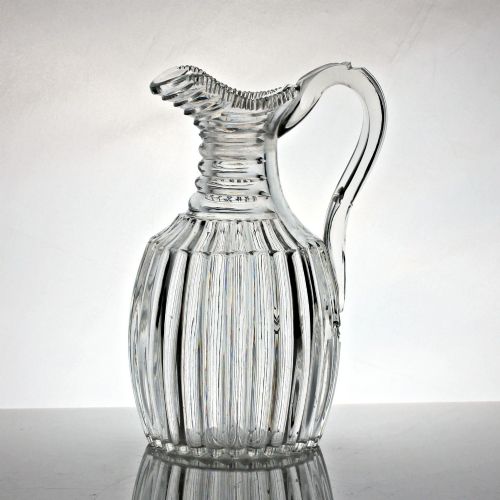
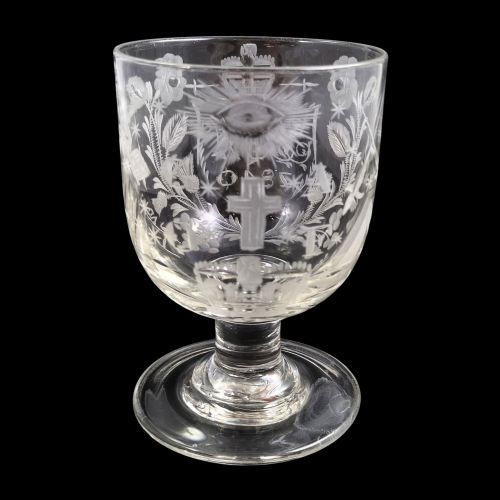
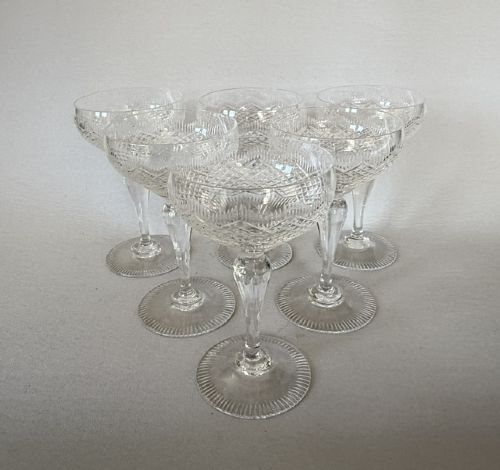
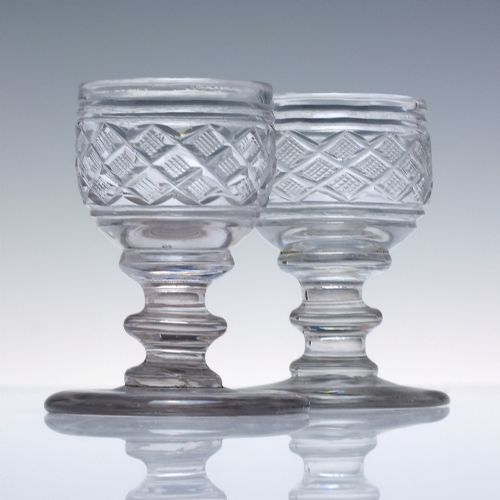
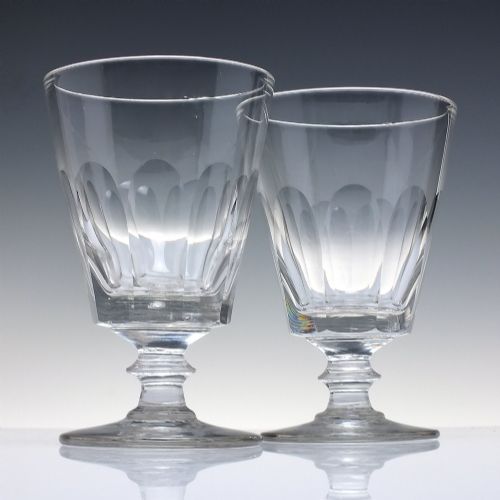
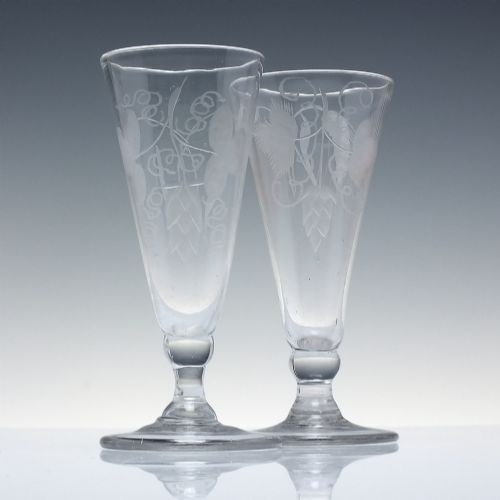
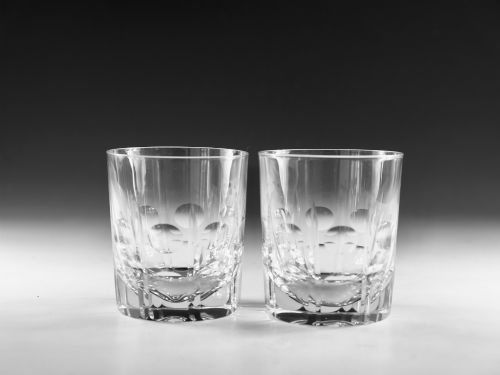
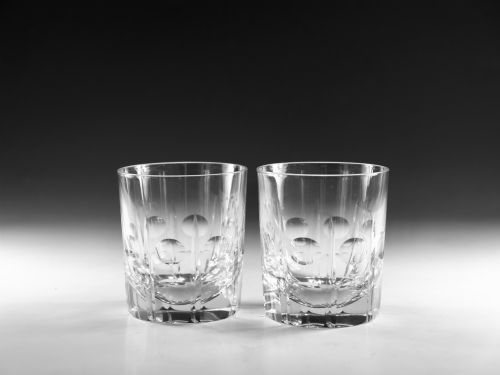
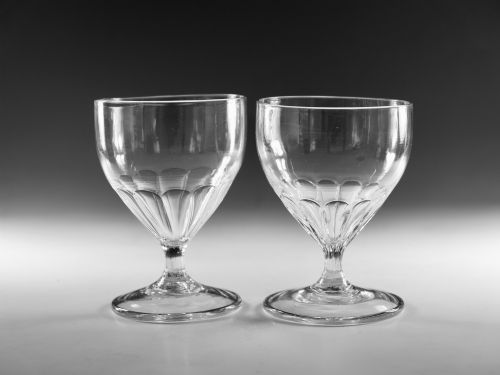
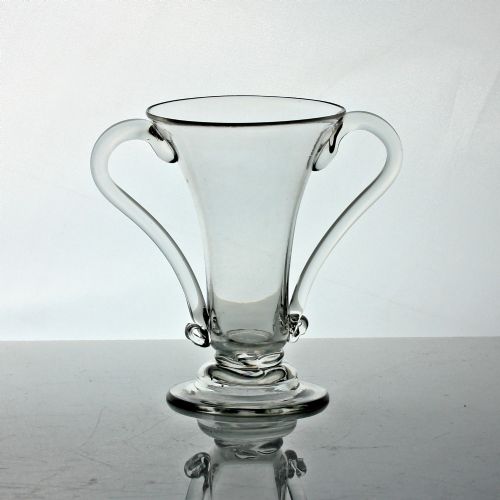
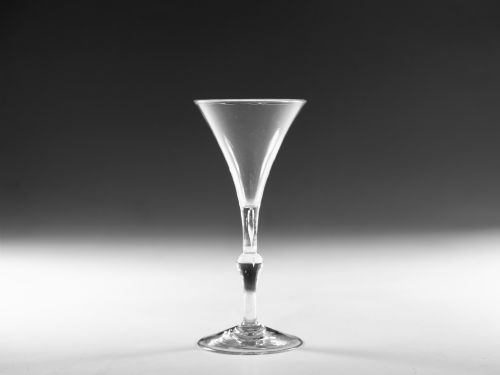
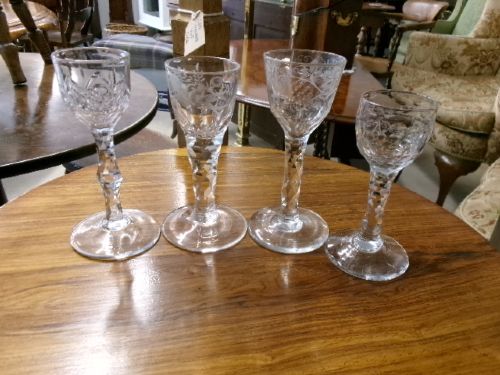
Antique lead crystal glasses comprise drinking vessels spanning several distinct historical periods from the Georgian era through to the Edwardian period. The selection includes port glasses, wine glasses, rummers, and whiskey tumblers.
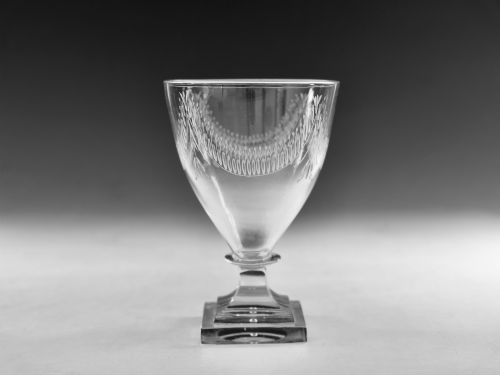
English and Irish origins predominate among these items, showing varied forms such as square lemon squeezer feet and traditional cylindrical profiles. Buyers encounter both single pairs and larger sets intended for practical use or display.
How they were made
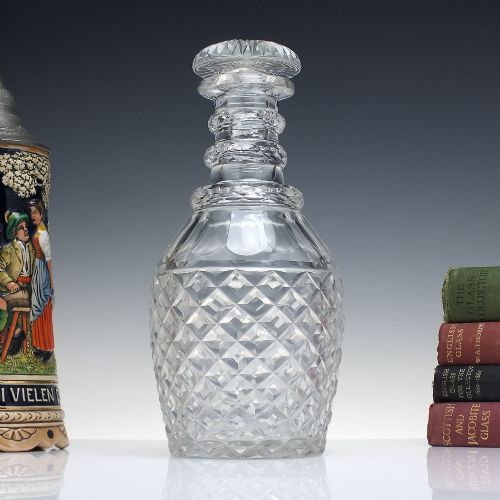
These items utilise lead crystal and glass materials shaped through traditional glassblowing and forming techniques. Artisans achieved decorative surface details through cutting and acid etching directly into the material.
The combination of heavy crystal composition and meticulous hand-cutting produces the characteristic refractive quality and solid feel associated with these historical drinking vessels.
Retail Price Guide 2026
Typical UK retail prices for lead crystal glasses, calculated from the Sellingantiques database of over a million retail prices indexed since 2003. This retail price guide relies exclusively on Sellingantiques data; no external sources or auction records are used, so the figures do not describe the wider market.
The listings on this site encompass lead crystal, crystal glass, and cut glass forms originating across the Georgian, Victorian, and Edwardian periods.
What varies in quality
Quality rests upon the precision and depth of the surface decoration, distinguishing sharply cut patterns from softer or simpler moulding. The clarity and weight of the crystal itself also divide standard production from finer output.
The integrity of the form, particularly on specialised bases like lemon squeezer feet, influences the overall standing of each piece within its period.
The Antique Lead Crystal Glasses Glossary
- Lead crystal
- Glass containing a significant proportion of lead oxide, increasing weight, brilliance, and refractive index.
- Rummer
- A large heavy drinking glass popular in the eighteenth and nineteenth centuries, often used for ale, wine, or punch.
- Lemon squeezer base
- A square, moulded foot with sharp corners found on certain Georgian and early nineteenth-century glassware.
- Acid etching
- A decorative technique using acid to eat into the glass surface and create fine patterns or designs.
- Port glass
- A small stemmed drinking vessel specifically proportioned for fortified wines.
Frequently Asked Questions
How do I date antique lead crystal glasses?
Dating relies upon examining the form, manufacturing traits, and stylistic markers characteristic of periods like the Georgian, Victorian, and Edwardian eras. Certain foot shapes and cutting styles help narrow down the decade of production.
Changes in glass chemistry and weight over the nineteenth century also provide clues to the age of individual drinking vessels.
Can I use these glasses for daily dining?
Many buyers choose to use antique lead crystal glasses for special occasions or everyday dining, provided they receive careful handling. Hand washing in lukewarm water protects the fragile surfaces and historical material.
Avoid sudden temperature changes to prevent thermal shock and preserve the integrity of the vintage glass.
What is a lemon squeezer foot?
A lemon squeezer foot is a distinctive square, moulded glass base with sharp bevelled edges resembling a kitchen juicer. This form is typical of early nineteenth-century rummers and related drinking vessels.
Craftsmen created these bases by pressing the hot glass into a mould before finishing the stem and bowl.
Are these glasses English or Irish?
Distinguishing English and Irish pieces involves looking at the weight, colour, and characteristics of the crystal. Irish glass from the Georgian period often exhibits a particular density and deep blue-grey tint.
Both regions shared similar cutting styles, making detailed provenance and material analysis key to exact attribution.