
Antique Crystal Drinking Glasses
These antique crystal drinking glasses carry the weight of centuries, offering a tangible connection to Georgian taverns and Victorian dining rooms through brilliant cut and engraved glass.
Antique Crystal Drinking Glasses
When you search for antique crystal drinking glasses, you encounter a diverse range of historic glassware spanning from the early 18th century through the Georgian and Victorian eras up to the 20th century. These pieces encompass everything from delicate wine glasses and ale flutes to robust rummers and whisky tumblers used for daily dining and formal toasts.
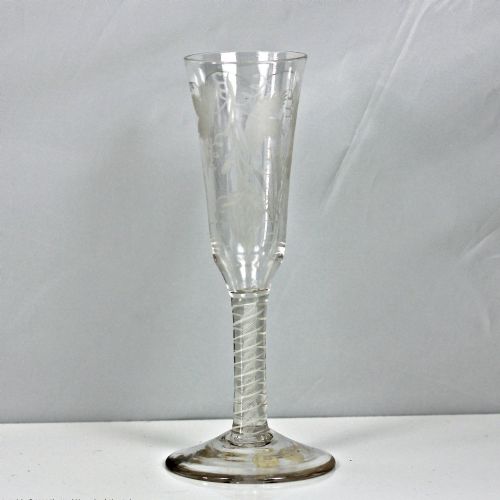
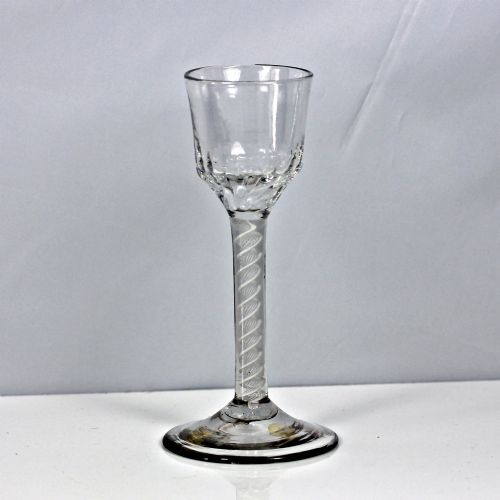
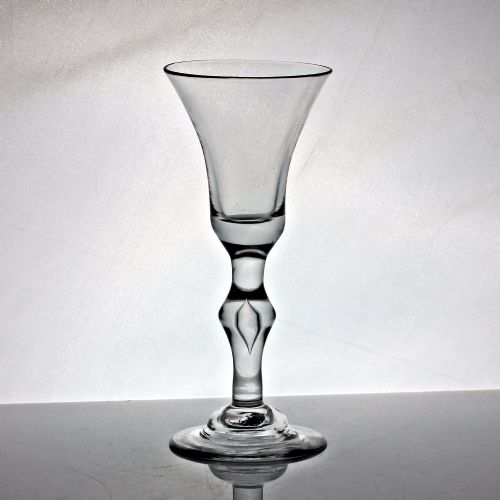
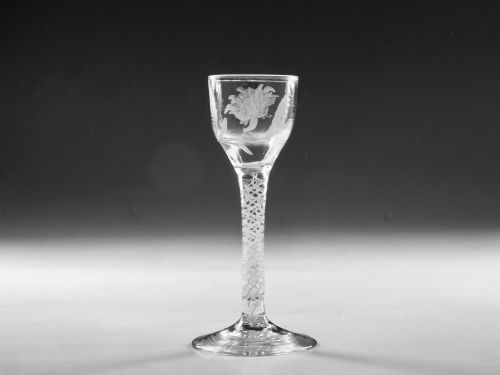
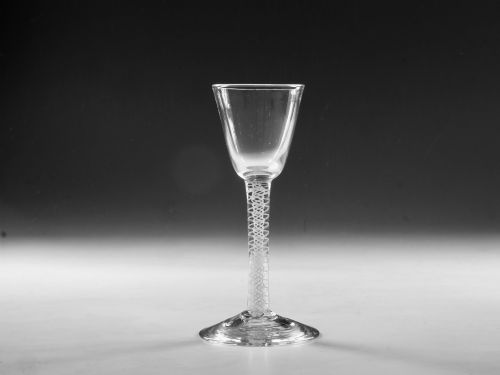
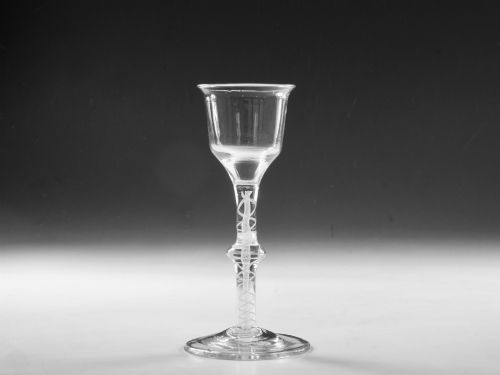
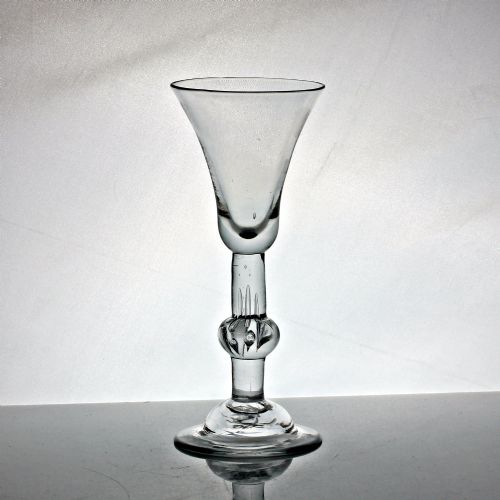
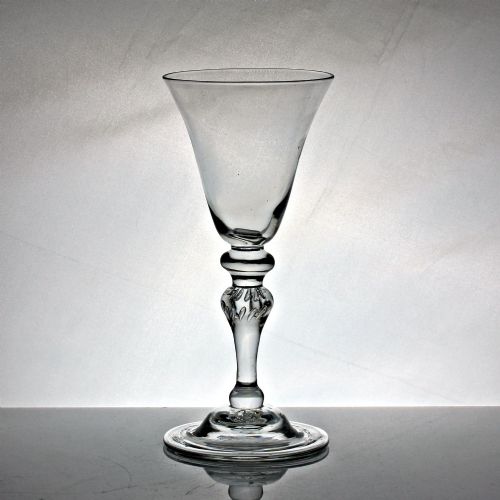
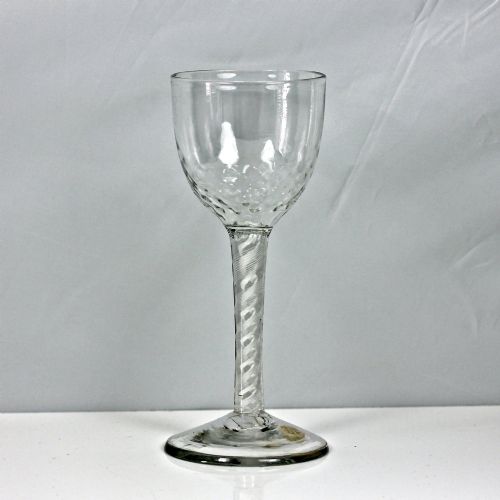
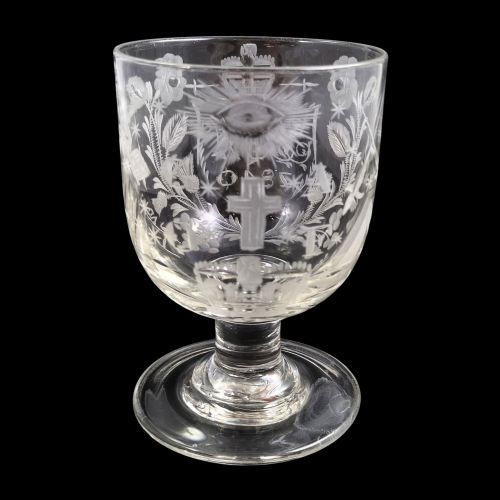
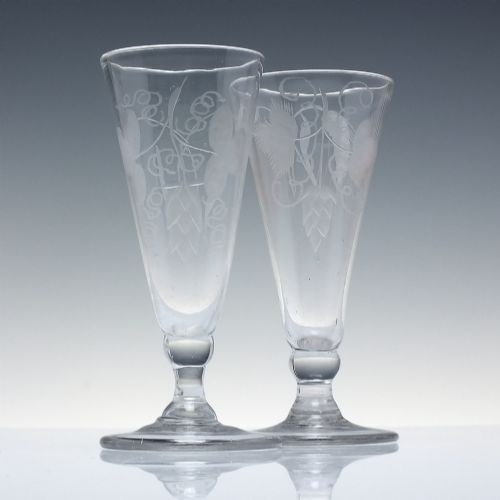
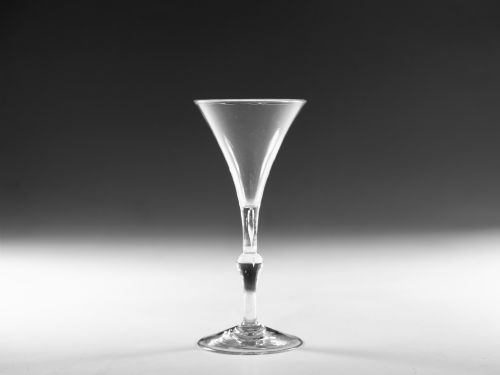
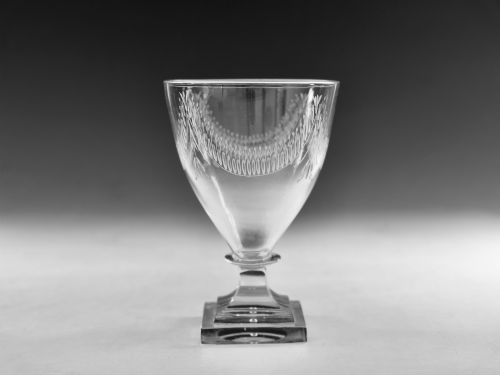
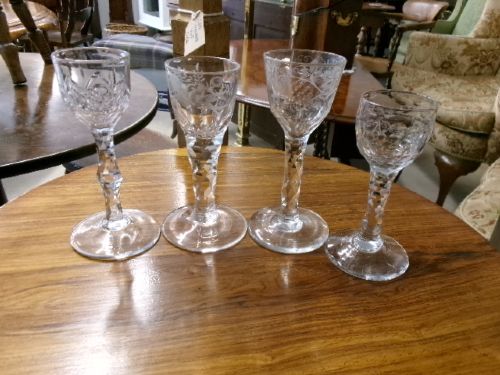
The specimens most frequently found on this page hail from the Georgian and Victorian periods, featuring distinct regional English origins alongside French Art Deco suites. Forms range from heavy faceted rummers and delicate jelly glasses to slender stems housing intricate air twists and opaque twists within their glass columns.
What varies in quality
The distinction between ordinary and exceptional pieces lies in the precision and depth of the hand-cut facets and the clarity of the metal itself. Superior examples display crisp, sharp facet edges and sophisticated optical properties without excessive cloudiness or heavy bubbles in the glass body.
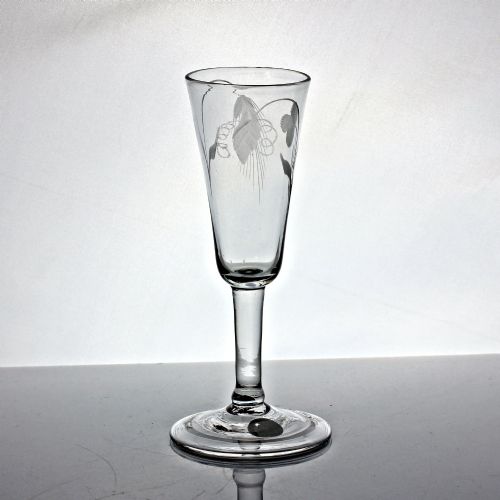
Form and proportion dictate the upper tier of the range, particularly in stemmed drinking glasses where the balance between foot, stem, and bowl must harmonize. Fine execution of difficult techniques, such as air twists and engraved armorial or political motifs, separates standard production ware from masterworks.
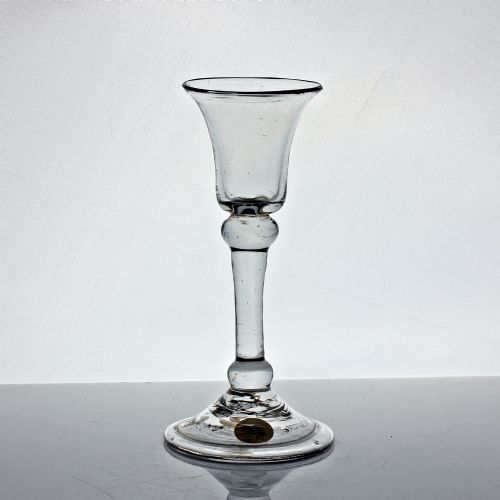
The listings span from early 18th-century baluster dram glasses up to 1930s French Art Deco suites, executed in lead crystal, flint glass, and clear glass.
The Antique Crystal Drinking Glasses Glossary
- Rummer
- A large, heavy drinking glass popular in the Georgian and Victorian periods, typically used for ale, wine, or punch.
- Air twist
- A decorative stem containing spiral channels of trapped air created during the glassmaking process.
- Opaque twist
- A stem featuring white or coloured enamel threads drawn into a spiral pattern inside the clear glass.
- Baluster
- A heavy, swelling stem form characteristic of early 18th-century drinking vessels.
- Ogee
- A double-curved bowl shape that arches inward at the lip and flares outward below, common in Georgian wine glasses.
Antique Crystal Drinking Glasses: Frequently Asked Questions
How do I clean antique crystal drinking glasses?
Wash these pieces gently by hand in warm water using a mild detergent, supporting the base and bowl carefully to avoid leverage breaks. Avoid dishwashers entirely, as harsh heat and detergents permanently cloud old lead glass.
Dry each glass immediately with a lint-free linen cloth to restore the brilliant refractive sparkle characteristic of historic crystal formations.
Can I still drink from antique crystal?
Historic drinking vessels serve beverages safely for modern use, provided you handle them with the care warranted by fragile centuries-old materials. Avoid serving warm liquids or exposing the glass to sudden thermal shocks.
Take care with older lead crystal formulations if drinks remain stored in the vessel for extended periods, though normal use for dining presents no practical barrier.
What is the difference between flint glass and crystal?
Flint glass originally denoted a heavy, high-refractive glass developed in England using calcined flint, while lead crystal refers broadly to glass containing significant lead oxide content. Both terms describe the heavy, clear material that allowed Georgian and Victorian glassmakers to cut deep facets.
Over time, these descriptions merged in common usage to denote high-quality glassware possessing superior weight, clarity, and ring when tapped.
What is a rummer used for?
Rummers served as robust drinking vessels for ale, porter, wine, and punch in Georgian and Victorian households and taverns. Their sturdy build made them practical for daily toasts compared to delicate fine wine stems.
These versatile glasses often featured cut lower bowls and heavy foot bases to prevent tipping on crowded tables.