

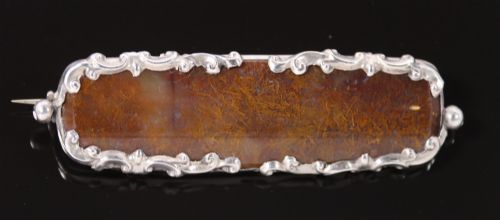
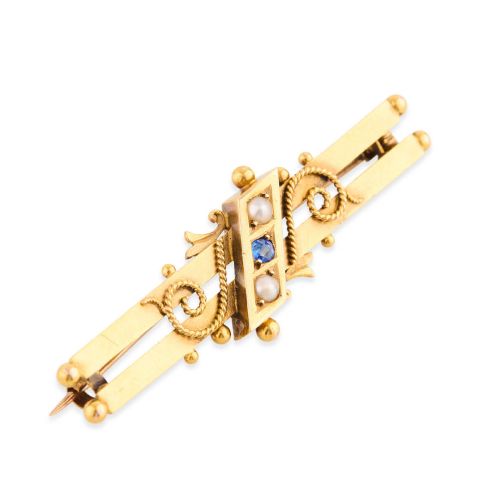
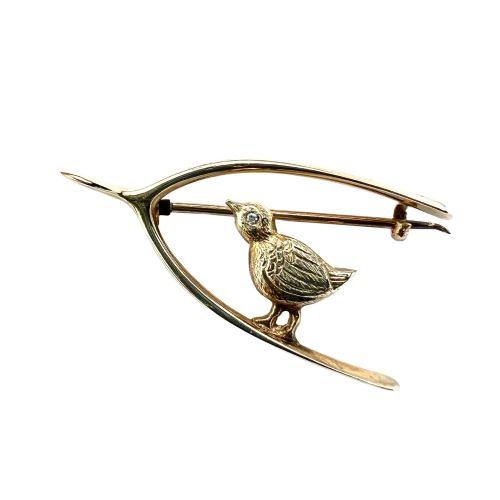
Antique Lapel Pin
An antique lapel pin brings small-scale metalwork and gemstones to a jacket or scarf, offering wearable history from the Victorian era onward.
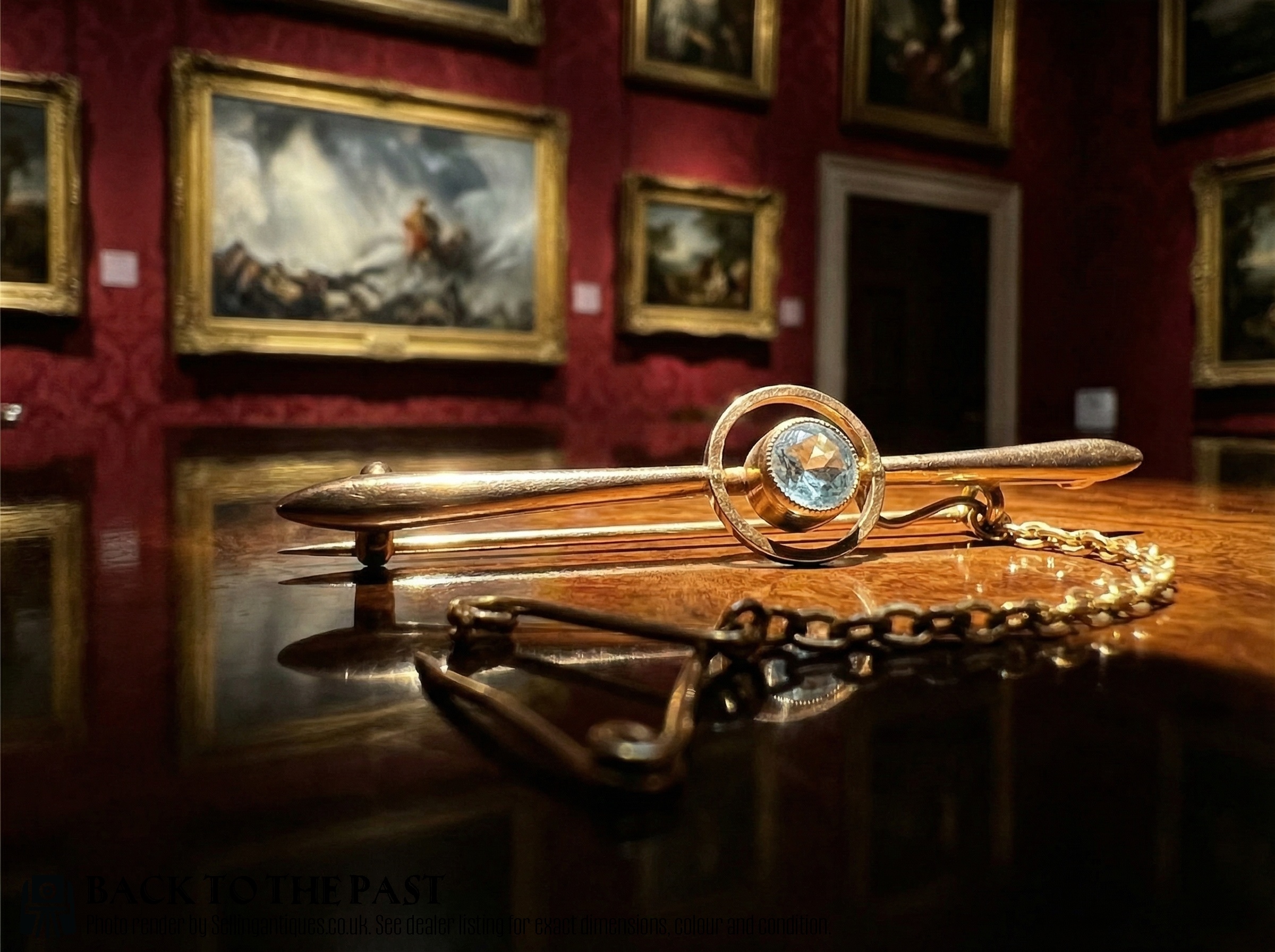
Antique Lapel Pin
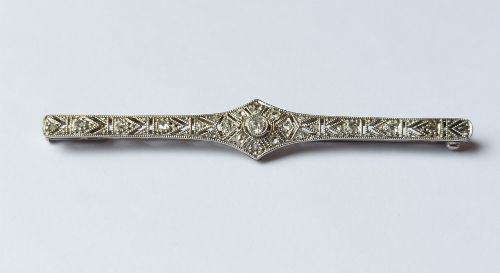
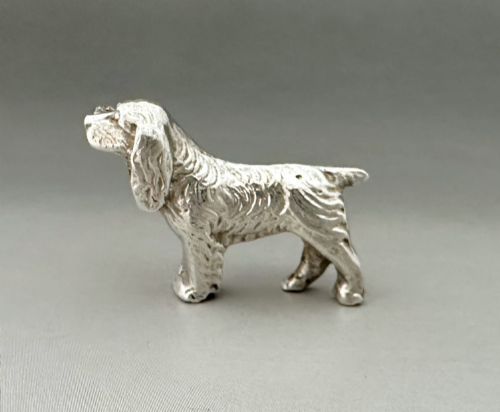
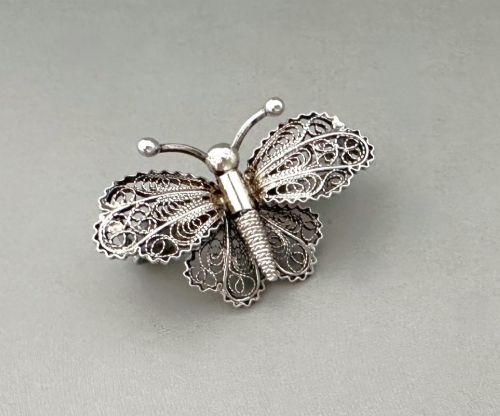
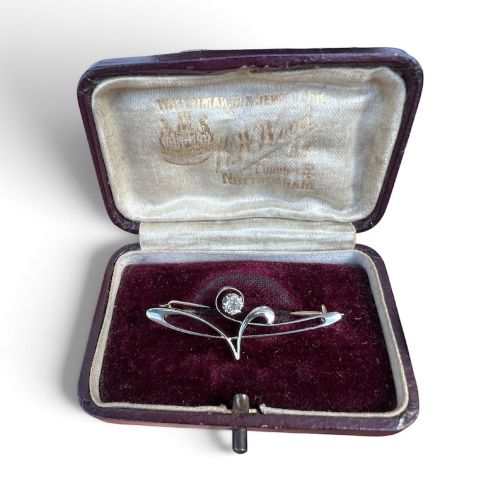
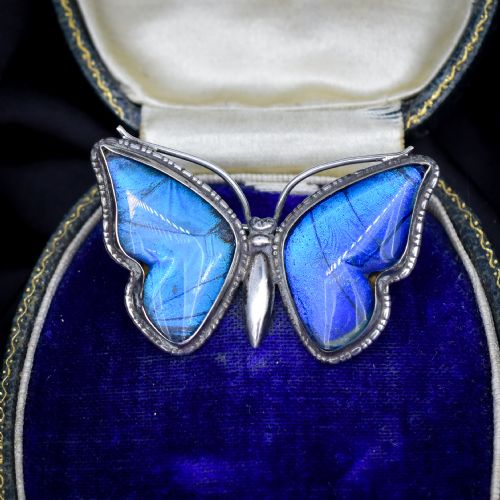
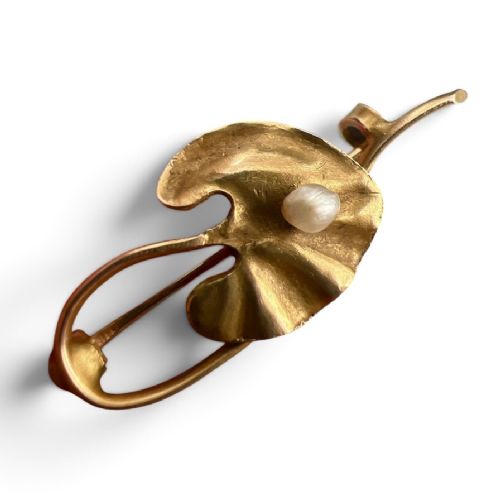
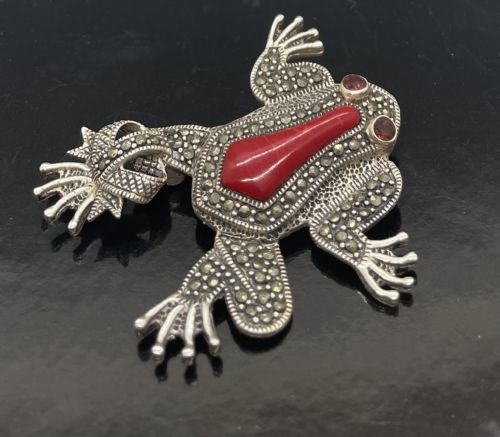
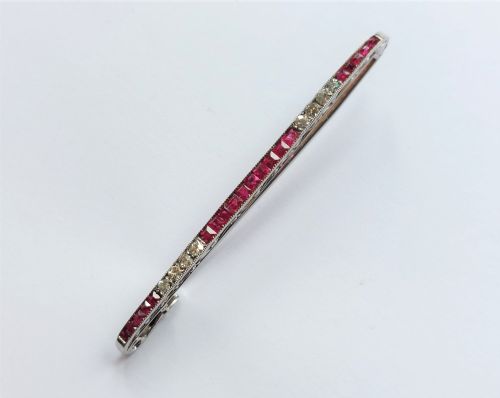
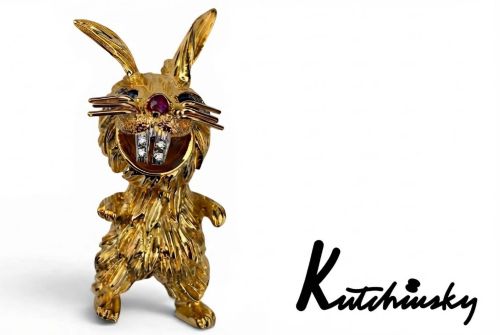
An antique lapel pin encompasses a variety of small fasteners and decorative brooches worn on clothing, spanning periods from the Georgian era through to the mid-twentieth century. The selection on this page leans heavily toward bar brooches, stick pins and novelty animal or floral designs in silver and gold.
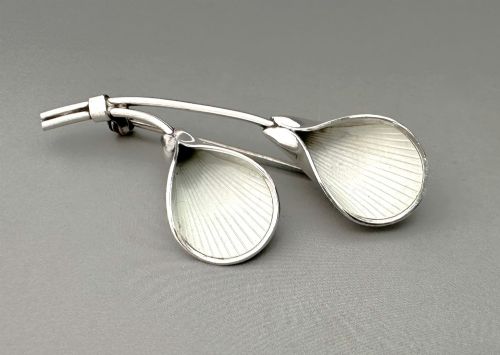
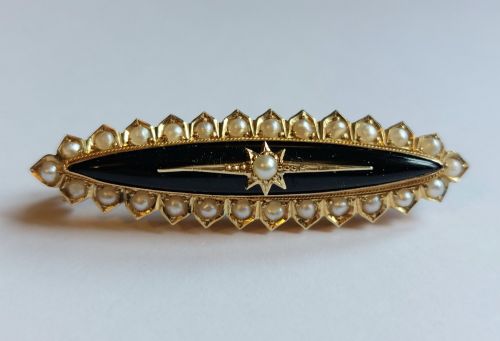
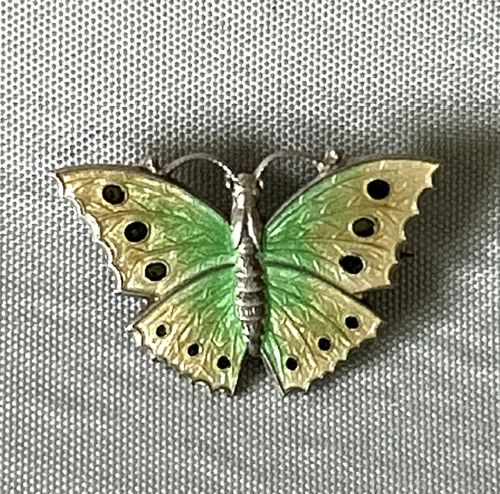
The materials range from 9ct and 15ct gold to sterling silver, often set with diamonds, pearls, enamel and coloured gemstones like turquoise and moss agate. Makers frequently utilised decorative motifs such as butterflies, flowers and sporting emblems, reflecting styles from Art Nouveau and Art Deco to Victorian and Edwardian aesthetics.
How they were made
Metals such as silver and various carats of gold were shaped into delicate bar brooches, filigree wirework or solid mounts using traditional bench techniques. Enamel work, particularly guilloche, added vibrant colour beneath translucent layers on silver bases.
Gemstones including diamonds, pearls, sapphires and opals were secured via early prong and bezel settings, whilst specialist pins utilised paste stones and foil-backed topaz for brilliant colour display.
Antique Lapel Pin Retail Price Guide 2026
Typical asking prices for lapel pin among the pieces listed under this phrase on Sellingantiques today, from the lower quarter to the upper quarter. They describe what is for sale here now, not the wider market.
Among the tiny winged menagerie, a silver snake coil rubs shoulders with a lucky wishbone and a cheerful garden pansy.
What varies in quality
The distinction between tiers rests upon the fineness of the metalwork, such as intricate filigree versus heavy cast mounts, and the integrity of hand-applied enamel without chipping. Superior examples display balanced gemstone selection, where natural diamonds, seed pearls or coloured stones are securely mounted with crisp claw work.
Maker attribution elevates certain pieces, particularly marked silver items from established workshops, alongside the survival of original fitted boxes and intact pin mechanisms that retain their operational tension.
Charles Horner
The Antique Lapel Pin Glossary
- Bar brooch
- A slender horizontal metal pin often ornamented with stones or central motifs. They gained immense popularity during the Victorian and Edwardian periods.
- Guilloche enamel
- Decorative engine-turned metalwork covered with translucent enamel layers. This technique was widely utilised on silver pieces during the Art Deco era.
- Stick pin
- A long pin topped with a decorative head designed to secure neckties or lapels. The shaft is long enough to pass through thick woollen coats.
- Paste
- Hand-cut lead glass utilised to simulate gemstones in period jewellery. High-grade paste displays deep refractive qualities akin to genuine stones.
- Filigree
- Delicate openwork jewellery formed from twisted fine threads of gold or silver soldered together. It appears frequently in intricate Edwardian and continental pieces.
Antique Lapel Pin: Frequently Asked Questions
How do I wear a lapel pin?
These pieces fasten securely through the lapel of a jacket, coat or scarf using a pin stem and catch or a long pin shaft. They add a focal point to tailoring without weighing down the fabric.
Heavier bar brooches suit thicker woollen lapels, whilst delicate stick pins slide neatly into buttonholes or woven textiles.
Are these pins made of real gold?
Many examples on this page utilise solid precious metals, including 9ct gold, 15ct gold, 18ct gold and sterling silver. Hallmarks or metal stamps often verify the purity.
Some pieces incorporate silver gilt or white gold alongside diamonds, pearls and enamel work to achieve varied decorative colour combinations.
How can I tell the period?
Stylistic clues indicate the era of production, such as flowing floral lines for Art Nouveau or geometric symmetry for Art Deco. Material choices like moss agate and foil-backed topaz point toward Georgian or early Victorian origins.
Maker marks and specific fastening types further assist in dating individual pieces to decades like the Edwardian era or the 1920s.
How do I care for antique enamel?
Enamel requires gentle handling to prevent scratching or impact damage to the glass surface. Store pieces separately in lined boxes away from harder metals.
Clean them with a soft, dry cloth and avoid harsh chemical dips or ultrasonic cleaners that can compromise the metal settings or pearls.