
Antique Landscape Pair
An antique landscape pair brings balanced composition and matched natural scenery to a room, offering two complementary views united by subject and period.
Antique Landscape Pair
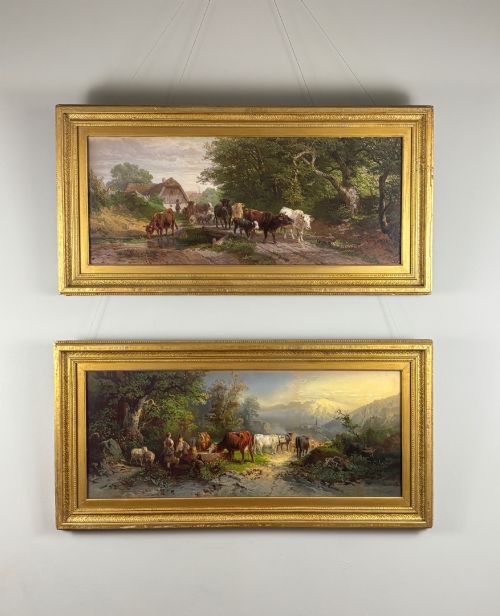
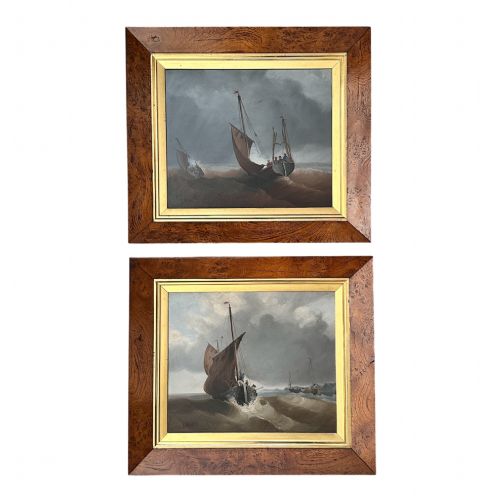
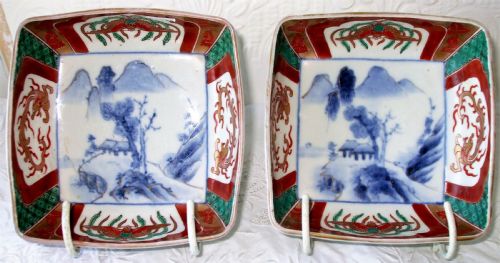
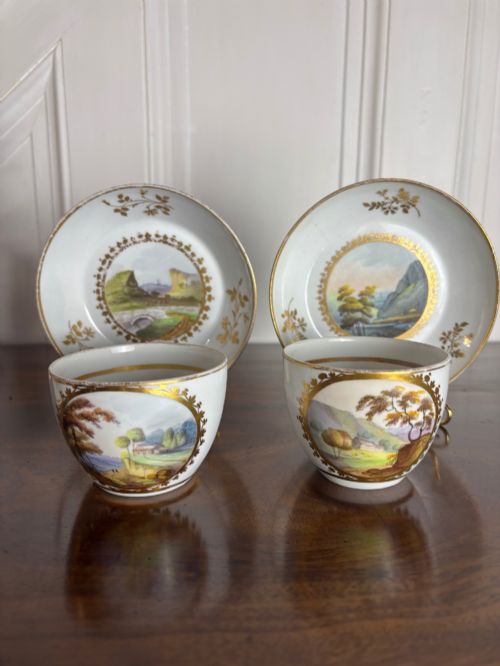
An antique landscape pair comprises two matched works capturing natural scenery, rendered across various mediums such as canvas, wood panel, and paper. These pieces frequently emerge from the nineteenth and early twentieth centuries, reflecting changing aesthetic tastes in domestic decoration.
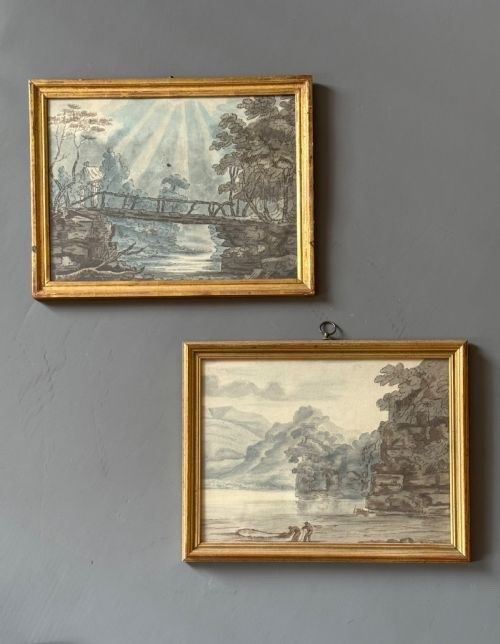
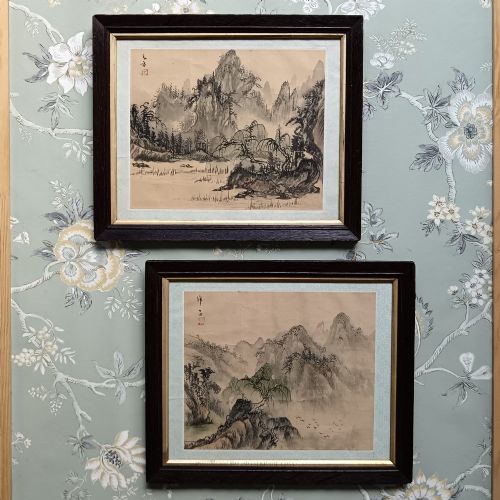
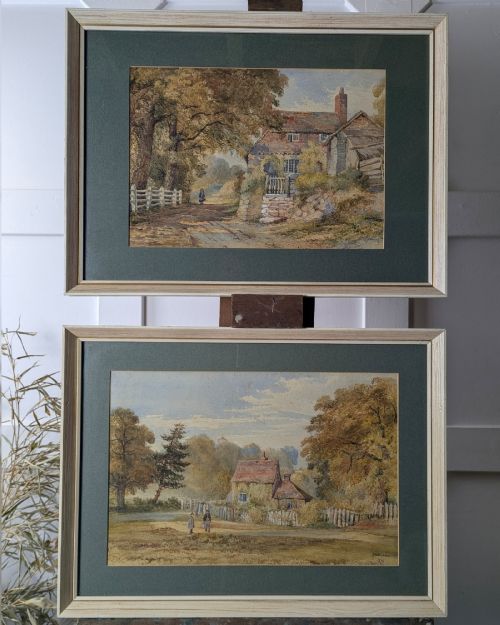
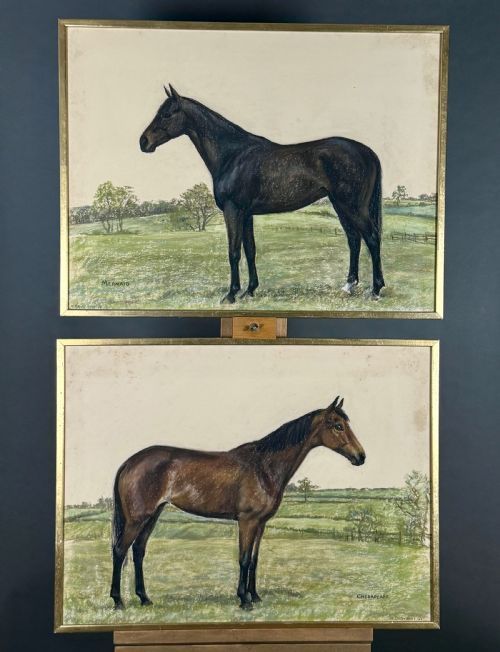
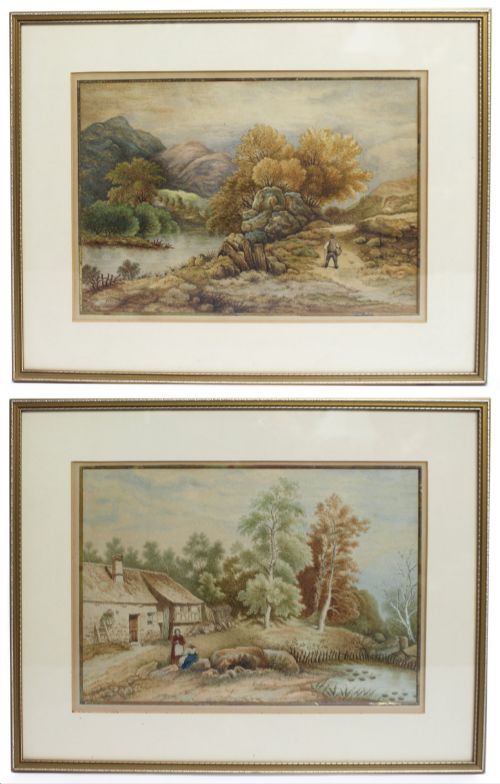
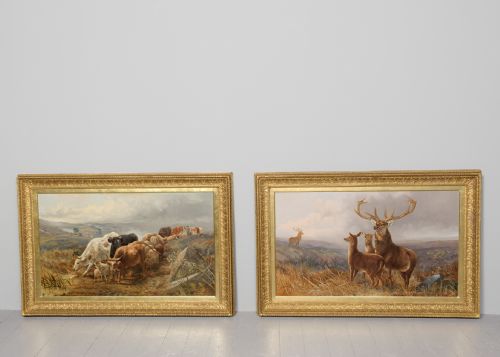
Buyers searching for an antique landscape pair encounter framed artwork and watercolours depicting mountainous terrain, river views, and rural expanses. The pairing principle relies on symmetry and narrative balance, where two individual pieces complete a unified visual statement.
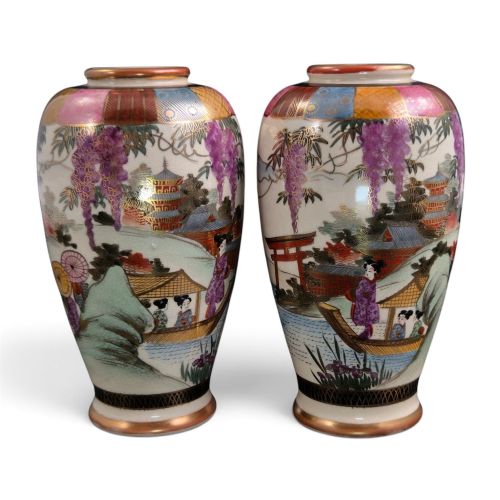
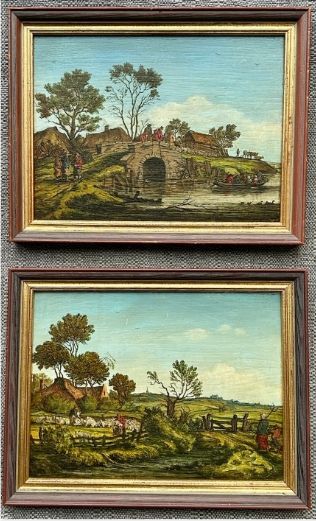
The selections span distinct regional schools, including British country scenes, Flemish style panels, and Italian classical ruins. This variety allows collectors to align specific geographic aesthetics with their interior preferences.
Materials and construction methods
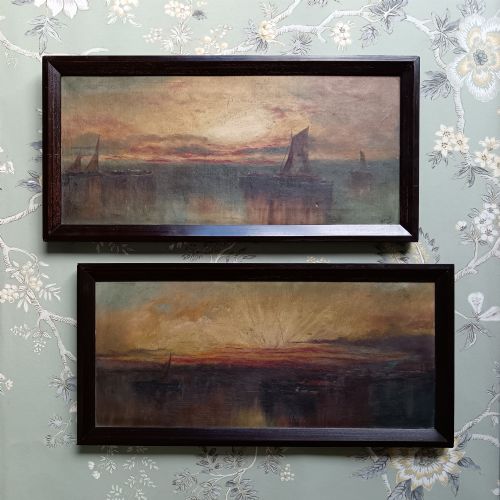
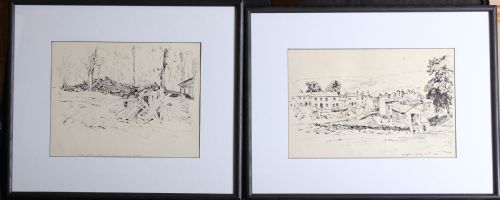
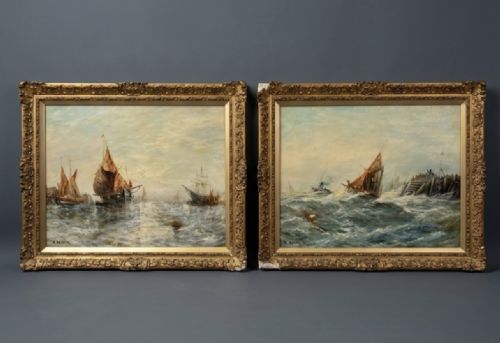
Oil paint applied to canvas, wood panels, or board forms the foundation of many surviving examples, often secured within original gilt wooden frames. Watercolour and pen and ink on paper represent alternative techniques utilised for lighter, more delicate topographical studies.
Substrates such as wood and paper require careful preparation, with artists employing ground layers before building up pigment. The framing typically incorporates gold leaf and decorative moulding characteristic of Georgian, Victorian, and Edwardian workshop practices.
Assessing quality in matched pairs
Distinction in quality rests upon the harmony between the two pieces, where matched dimensions, consistent pigment application, and complementary framing determine the strength of the pairing. Superior examples maintain equal preservation across both surfaces without one panel suffering disproportionate fading or pigment loss.
The execution of detail by named artists or recognised regional schools elevates the standing of an antique landscape pair. Brushwork precision, handling of atmospheric light, and the integrity of the original support structure define the upper tier of available works.
W Klombeck·B Nash·Robert Cleminson·Johann Friedrich Voltz·John Moore of Ipswich·Philip Rideout·F.J. Snell·John Grenville Fennell·Gustave De Bréanski·Franz van Severdonck·Pieter Cornelis Dommersen·John Bell·John Frederick Herring Jnr·Adrian Van Porten·Philip Henry Rideout·Giovanni Paolo Panini·Clarence Henry Roe·Frank Hider·Frederick James Knowles·Ernest Uden·C Harrison·J. C Jonas·Charles Frederick Allbon·S Williams·Adam Knight
The Antique Landscape Pair Glossary
- Gilt frame
- A wooden picture surround covered with a thin layer of gold leaf or metallic gilt gesso. These frames are frequently original to the artwork and show period moulding techniques.
- Oil on canvas
- A painting technique where oil-based pigments are suspended and applied upon a stretched woven fabric support. This method allows for rich colour blending and textured surface application.
- Watercolour painting
- A medium utilising water-soluble pigments applied to paper supports to create translucent washes of colour. It is common in nineteenth-century topographical and rural views.
- Wood panel
- A rigid flat wooden support used instead of canvas for painting. These panels frequently appear in earlier nineteenth-century and continental school works.
- Topographical
- Depicting accurate representations of specific geographical locations, towns, or natural landmarks. These works often serve as historical records of changing rural and urban environments.
Antique Landscape Pair: Frequently Asked Questions
What defines a true landscape pair?
A true pair consists of two artworks created by the same hand or within the same workshop, sharing identical dimensions, complementary subjects, and matching frames.
They are conceived together to hang side by side, offering balanced visual weight and narrative continuity.
How should I display my framed artwork?
Hang the pieces at eye level on a wall with stable ambient conditions, away from direct sunlight and damp environments.
Keeping them clear of radiators prevents the wood panels or canvas supports from warping and protects the fragile paper or paint layers.
Can I separate the two pictures?
Separating a matched pair diminishes their historical context and visual symmetry, as they are documented and valued as a single unit.
Keeping them together preserves the integrity of the original grouping established by the artist or early framer.
How do I identify the period of the painting?
Dating relies on examining the substrate materials, framing construction, artist signatures, and stylistic conventions characteristic of specific eras like the Victorian or Edwardian periods.
Inscriptions on the reverse of the canvas or board often record the date or location of creation.