


Vintage Nature Scene Art
Vintage nature scene art brings the quiet depth of woodlands, rivers and hills into your rooms through historic painted landscapes.
Vintage Nature Scene Art
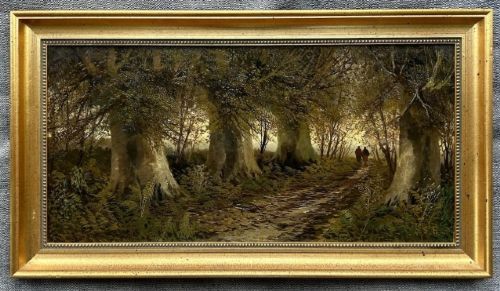
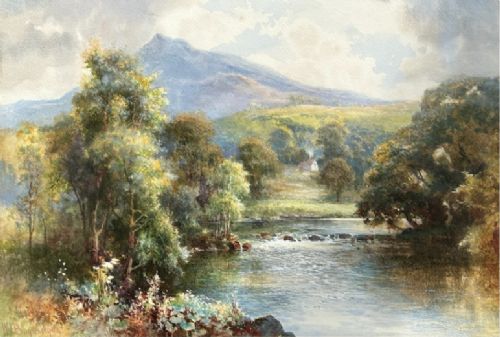
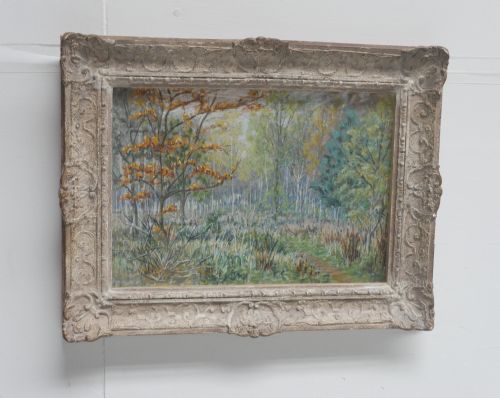
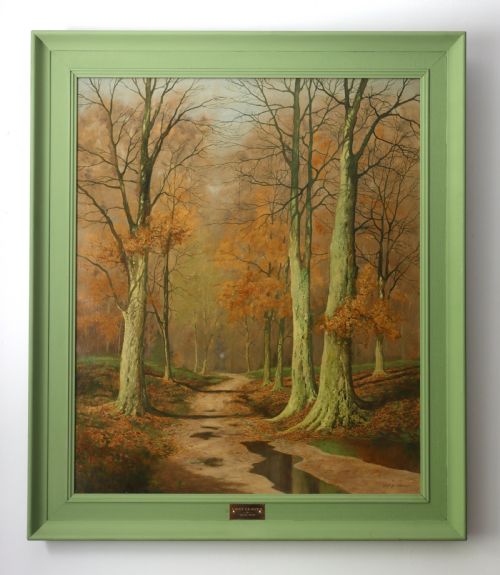
Vintage nature scene art encompasses painted representations of the outdoors spanning from the Victorian era through the mid-twentieth century. Buyers encounter rural vistas, riverbanks, and woodland scenes captured in various historic periods.
Makers and artists from the nineteenth and twentieth centuries dominate this grouping, offering both signed compositions and unsigned studies. Works typically arrive framed and ready for display in domestic interiors.
Materials and techniques
Artists relied primarily on oil paint and watercolour applied to canvas, paper or wood. Oil paint offered rich texture and depth, particularly visible in works on canvas depicting woodland or countryside scenes.
Watercolour and gouache provided lighter, more translucent finishes well suited to river landscapes and open views. Many pieces utilise traditional framing methods to protect the painted surface.
The listings span multiple decades from the Victorian period through the nineteen-sixties, utilising oil, watercolour, gouache and acrylic on canvas, paper and wood.
Judging quality in landscape paintings
Quality rests upon the artist's handling of light, brushwork and atmospheric perspective within the landscape. Works displaying confident application and distinct tonal variation stand apart from simpler decorative pieces.
The permanence of the materials and the preservation of the painted surface dictate the long-term integrity of the artwork. Original frames appropriate to the period also add context to the piece.
Thomas W Lascelles·William Joseph Boyes·John Hobson Nicholson·Ernest Moore·Adolphe Gumery
The Vintage Nature Scene Art Glossary
- Oil paint
- A slow-drying medium consisting of pigment suspended in drying oil. It allows artists to build rich textures and deep tones on canvas.
- Watercolour
- A paint where the colour pigments are suspended in a water-soluble vehicle. It is typically applied to paper to create luminous landscapes.
- Gouache
- An opaque water-based paint that includes a white pigment filler. It creates solid, flat areas of colour distinct from transparent watercolour.
- Impressionism
- A nineteenth-century painting style characterised by relatively small, thin yet visible brush strokes. It prioritises accurate depiction of light in changing qualities.
Vintage Nature Scene Art: Frequently Asked Questions
How do I hang a heavy oil painting safely?
Heavy oil paintings on canvas require secure picture hooks fixed directly into wall studs or solid masonry using appropriaterawl plugs. Wire or D-rings on the reverse of the frame must match the weight of the piece.
Position the painting at eye level to ensure proper balance within the room. Avoid hanging pieces in areas subject to direct sunlight or damp conditions.
What is the difference between oil and watercolour?
Oil paint utilises a drying oil binder that permits thick impasto application and lengthy blending times on canvas or wood. Watercolour employs a water-soluble binder applied to paper, resulting in transparent washes.
Watercolour works require protective glass framing to prevent moisture damage. Oil paintings on canvas typically remain unglazed to let the texture breathe.
How should I clean an antique frame?
Dust antique wooden and gilt frames gently with a soft, dry brush or feather duster. Avoid using liquid cleaners or chemical sprays that can strip historic finishes and gilding.
Keep moisture entirely away from the painted surface and the frame joints. Professional conservators should handle deep cleaning or structural repairs.
Where were most of these landscape scenes painted?
Artists painted these scenes across various British and European locations, including Welsh rivers, Scottish highlands, and French countryside. Many works record specific rural views familiar to nineteenth and twentieth-century painters.
Local topography often dictates the mood of the piece, from quiet woodland interiors to expansive river valleys. Signatures and titles on the reverse frequently note the exact location.