


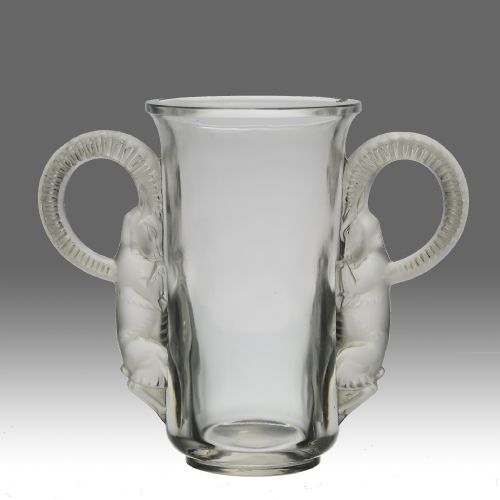


Antique Lalique Glass Vase
An antique lalique glass vase brings Art Deco craftsmanship into the home through sculpted frosted, opalescent, and moulded glass forms.
Antique Lalique Glass Vase
An antique lalique glass vase represents the height of early twentieth-century decorative design. When you search for an antique lalique glass vase, you encounter sculptural vessels created in distinct forms during the nineteen-twenties and nineteen-thirties. The examples found here take the shape of vases and decorative bowls.
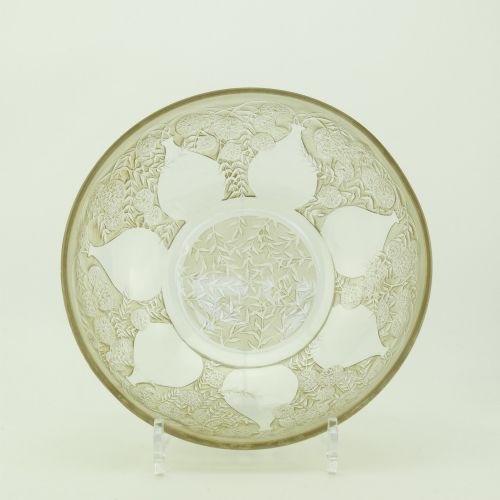
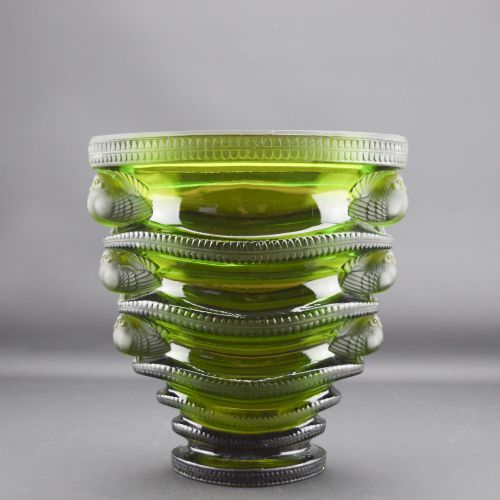
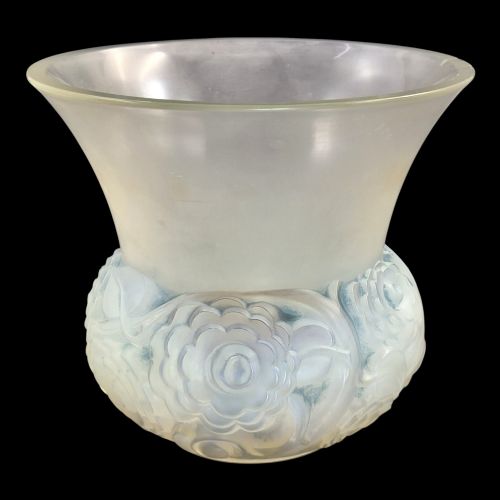
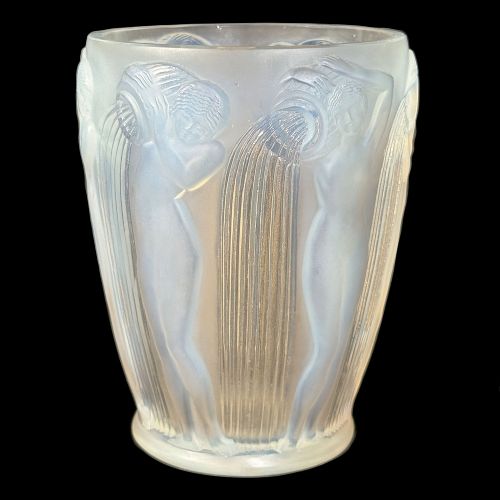
The aesthetic is rooted firmly in the Art Deco style, defined by botanical and figural motifs such as water carriers, leaves, and flower heads. Pieces carry specific model names like Saint-Marc, Ceylan, Thibet, Renoncules, Nefliers, Violettes, Coquilles, Myrrhis, St Francois, and Laurier. Most items date from the nineteen-twenties, with further examples originating from nineteen-thirty.
Moulded glass technology allows for intricate relief work depicting nature and mythology. The scale ranges from standard decorative vessels to large size bowls and coupe vases. Each piece reflects the distinctive French glassmaking heritage of the period.
How they were made
Moulded glass and pressed glass techniques form the structural foundation of these vessels. Molten material is shaped in metal or iron moulds to achieve deep relief ornamentation and precise geometric or organic profiles. Frosted glass surfaces contrast against clear glass areas to create depth and tactile contrast.
Opalescent glass is utilised extensively, shifting in tone depending on the light source and angle. Certain designs incorporate enamel stain or blue staining to highlight the recessed details of the moulded decoration. These combined processes produce the characteristic luminous quality associated with the workshop.
Several vases are named after modest garden plants like the humble violet, yet transform into luminous opalescent sculptures through the magic of pressed glass.
What varies in quality
The clarity and depth of the moulded relief define the visual success of each vessel. Finer examples display crisp botanical or figural detailing where every leaf, petal, and water carrier remains sharply defined against the background. Softer contours in the glass indicate a worn mould or a less successful pressing.
The handling of opalescence and colour also separates standard production from exceptional work. Subtle shifts in opalescent milkiness and the careful application of blue stain or enamel enhance the sculptural qualities of the design. The weight and distribution of the clear, frosted, or opalescent glass contribute to the physical presence of the object.
Rene Lalique
The Antique Lalique Glass Vase Glossary
- Opalescent Glass
- Glass that milky-blue colour which catches light differently as you turn it. This characteristic effect creates a pearlescent glow across the surface of the vessel.
- Frosted Glass
- Glass treated to give a textured, matt finish rather than a transparent shine. It provides contrast against clear sections in sculptural relief designs.
- Moulded Glass
- Glass shaped by being pressed into a prepared mould while hot. This technique allows for consistent production of complex decorative patterns.
- Enamel Stain
- Coloured pigment applied to the recessed portions of a glass design. It accentuates the lines of flowers, figures, or geometric motifs.
- Art Deco
- The dominant design style of the interwar period. It embraces stylised natural forms, symmetry, and machine-age geometry.
Antique Lalique Glass Vase: Frequently Asked Questions
What periods do these vases date from?
The pieces available date primarily from the nineteen-twenties and the nineteen-thirties. This era encompasses the height of Art Deco glass production.
Designs from this timeframe include iconic named models created during the interwar years.
What materials were used?
Maker workshops utilised opalescent glass, frosted glass, pressed glass, clear glass, and moulded glass. Enamel stain was also applied to enhance specific details.
These varied material treatments created the characteristic luminous and tactile qualities of the vessels.
How do I identify a specific model?
Many vessels carry recognised titles assigned during production, such as Ceylan, Coquilles, or St Francois. Botanical subjects like Laurier and Violettes also define specific designs.
Examining the relief motif and consulting period records helps determine the exact model name.
Were these objects purely decorative?
While many function as decorative bowls and display vases, their sculptural forms were intended as works of art. The intricate relief work meant they served as centrepieces.
Owners typically placed them where light could interact with the opalescent and frosted surfaces.