


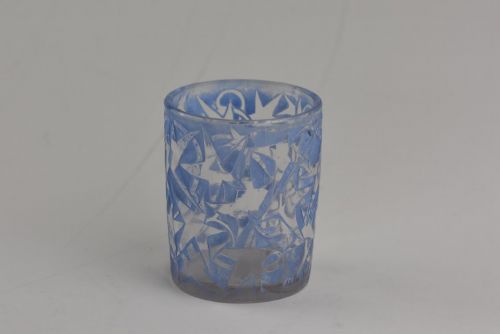


Rene Lalique Glass Vessel
A rene lalique glass vessel represents the height of Art Deco design, bringing tactile relief and subtle optical shifts to any room.
Rene Lalique Glass Vessel
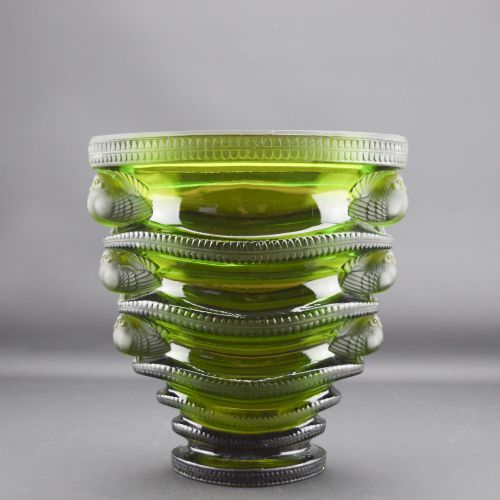
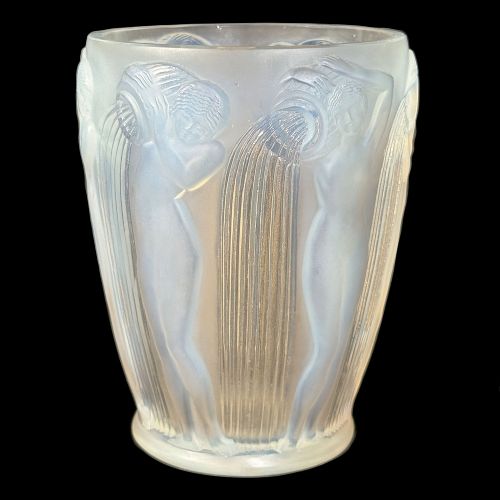
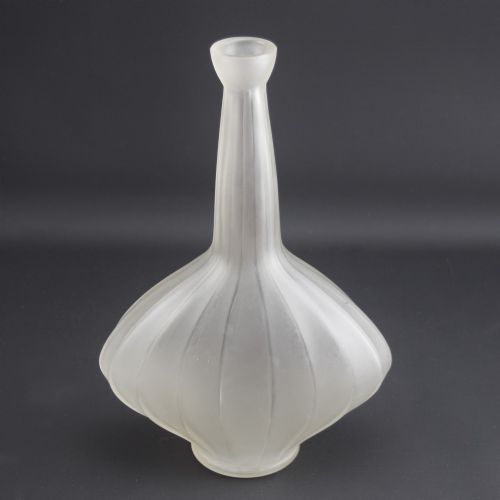
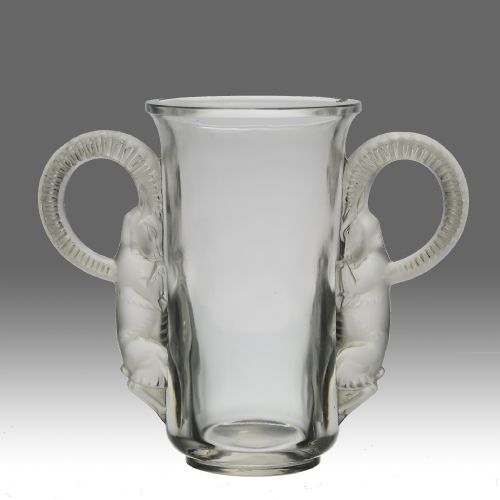
A rene lalique glass vessel is typically encountered in distinct forms such as vases, decanters, bowls, and boxes from the nineteen-twenties and nineteen-thirties. These pieces showcase naturalistic motifs including flora, fauna, and figurative scenes integrated into the body of the object.
The objects available span from large named vases like Ceylan and Saint-Marc to smaller trinket boxes and cigarette holders. Collectors encounter both clear profiles and richly coloured examples, often reflecting the specific aesthetic output of the interwar period.
Materials and production methods
Makers utilised moulded, pressed, and crystal glass to achieve heavy, substantial forms that could hold intricate surface details. The physical body often combined clear and frosted sections to create strong contrasts across the design.
Artisans applied enamel and blue staining into the recessed portions of the glass to accentuate the relief work. Opalescent glass was also frequently employed, shifting in tone from blue to amber depending on the light source.
A smoker in the interwar period could stow cigarettes inside a finely moulded glass holder shaped with frosted leaves.
Distinctions in craftsmanship
Quality rests in the crispness of the moulded relief and the depth of the finish, particularly how well the frosted and clear surfaces interact. Stronger pieces maintain sharp botanical or figurative lines without blurring in the heavier sections of the glass.
The preservation of original colour treatments, such as blue staining or enamel highlights within the recessed areas, influences the visual impact of the piece. Subtle opalescence that catches the light effectively marks out superior examples.
René Lalique
The Rene Lalique Glass Vessel Glossary
- Opalescent Glass
- Glass that diffuses light and exhibits milky blue or amber tones depending on the angle of illumination. This effect was a hallmark of interwar decorative production.
- Frosted Glass
- Glass treated to achieve a textured, matte surface finish rather than a transparent one. It creates a soft contrast against polished clear sections.
- Moulded Glass
- Glass shaped by being pressed or blown into a prepared matrix to form specific reliefs and patterns. It allowed for intricate serial production of artistic vessels.
- Art Deco
- The dominant design style of the nineteen-twenties and thirties characterised by stylised motifs and geometric symmetry. It heavily influenced the silhouette of these decorative objects.
- Enamel
- A decorative fused glass coating applied to the surface of the vessel to add permanent colour accents. It highlights specific linear details in the design.
Rene Lalique Glass Vessel: Frequently Asked Questions
What periods do these pieces come from?
The pieces originate primarily from the nineteen-twenties and nineteen-thirties, aligning with the height of the Art Deco movement.
Production during these decades utilised specific moulding and staining techniques characteristic of the maker's workshop.
How are different glass finishes created?
Makers combined frosted, clear, and opalescent glass within single vessels to achieve visual contrast and tactile depth.
Additional highlights were often achieved by applying enamel or coloured staining into the recessed portions of the moulded design.
What object types are most common?
The inventory frequently includes vases bearing named patterns like Ceylan, Saint-Marc, and Laurier, alongside bowls and decanters.
Smaller domestic items such as trinket boxes and cigarette holders also appear within the listed forms.
How do I identify specific models?
Models are typically recognised by their distinct sculptural motifs, ranging from floral garlands and leaves to animal figures and sirens.
Design names often reference these specific natural or figurative elements integrated into the vessel wall.