


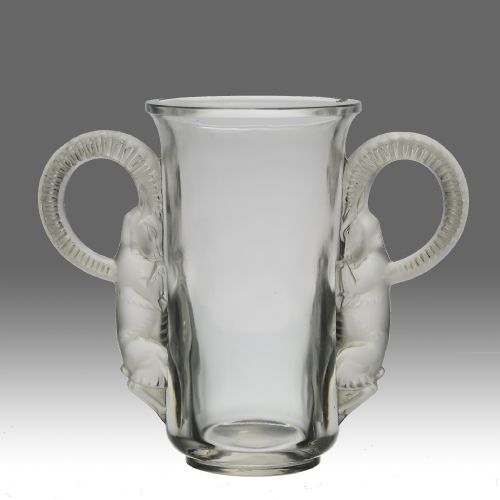


Lalique Art Glass Vase
A lalique art glass vase brings unmistakable Art Deco weight and luminosity to a room.
Lalique Art Glass Vase
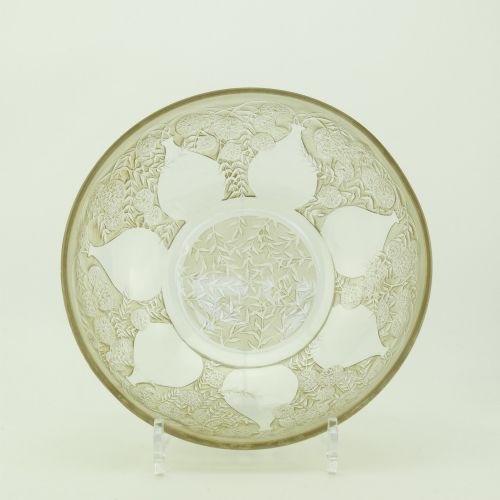
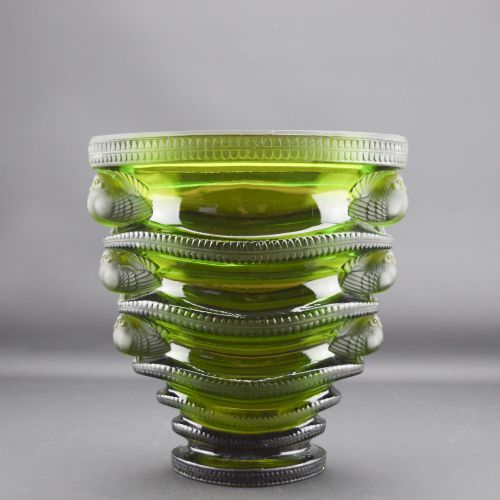
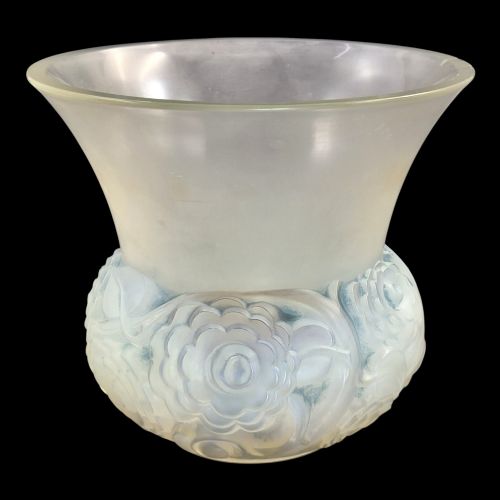
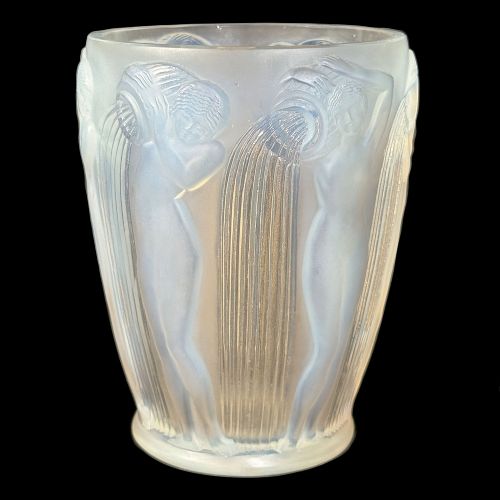
When you search for a lalique art glass vase, you encounter sculptural vessels shaped during the 1920 and 1930 periods. The pieces appearing here span named models such as Ceylan, Danaides, and Renoncules.
Vases dominate the selection, alongside related decorative bowls like the large size No1 bowl and Coquilles. Most examples on this page reflect the Art Deco style characteristic of French production from these decades.
The origin remains firmly French, capturing the distinctive aesthetic of the era through plant, animal, and figurative motifs. Buyers find both monumental statement pieces and smaller cabinet vessels in the current selection.
Materials and construction
Makers utilised opalescent glass, frosted glass, clear glass, pressed glass, press-moulded glass, and crystal to achieve shifts in opacity and light transmission. Blue patina and stain frequently accent the relief details of the design.
The technique relies on sophisticated mould-pressing to build deep sculptural depth into the body of the vessel. Surfaces alternate between polished clear areas and matte frosted sections to create strong contrast.
Water carriers and rams populate the glass walls, turning a simple floral display entirely redundant.
Assessing quality
The success of a lalique art glass vase depends on the crispness of the moulded relief and the subtlety of the opalescence. Superior examples display deep, deliberate contrast between the frosted motifs and the luminous body.
The preservation of original surface treatments, such as blue staining or patina within the recessed details, elevates the execution. Weight, balance, and clarity of the material distinguish the finest pieces from simpler production.
Rene Lalique
The Lalique Art Glass Vase Glossary
- Opalescent Glass
- Glass that milky-blue or amber quality which catches and reflects light dynamically. It shifts in tone depending on the angle of illumination.
- Frosted Glass
- Glass treated to give a textured, matte finish rather than a transparent polish. This finish defines the relief details on many vessels.
- Press-Moulded Glass
- A manufacturing method where molten material is forced into a metal mould using a plunger. This technique allows for complex three-dimensional decoration.
- Art Deco
- The dominant design style of the 1920 and 1930 periods characterised by stylised motifs and geometric symmetry. It guides the aesthetic of these French pieces.
Lalique Art Glass Vase: Frequently Asked Questions
What periods do these date from?
The pieces on this page originate primarily from the 1920 and 1930 periods. These decades capture the height of French Art Deco production.
Stylistic cues and material handling align closely with the interwar years. Makers during this time pushed the technical boundaries of glass artistry.
Where were they made?
Production took place in France, reflecting the sophisticated design culture of Paris and surrounding workshops. French manufacture set the international standard for decorative glass.
Provenance typically traces back to these European origins. The aesthetic vocabulary remains distinctly French Art Deco.
How should I display a vase?
Position the vessel where natural light can pass through the opalescent or clear body. Direct illumination activates the frosted surfaces and coloured patinas.
Keep the piece away from crowded settings to let the sculptural form stand alone. Stable surfaces protect the heavy glass from accidental knocks.