

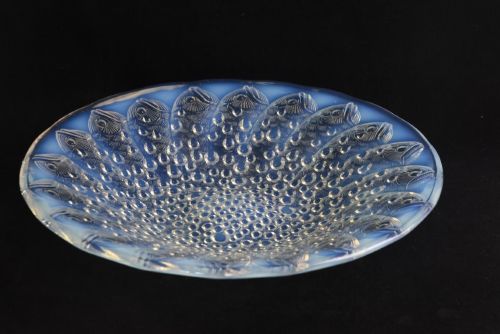


Blue Moulded Art Glass
These pieces of blue moulded art glass bring tangible depth and colour to a room, rooted in the experimental designs of the early twentieth century.
Blue Moulded Art Glass
When you search for blue moulded art glass, you encounter pieces shaped in metal or ceramic moulds that define the contours of vases, bowls, plates, and perfume bottles. These objects emerge predominantly from the Art Nouveau and Art Deco periods, spanning the Edwardian era through to the nineteen-thirties.
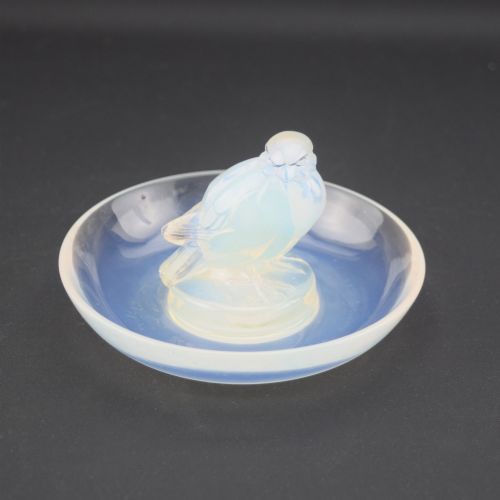
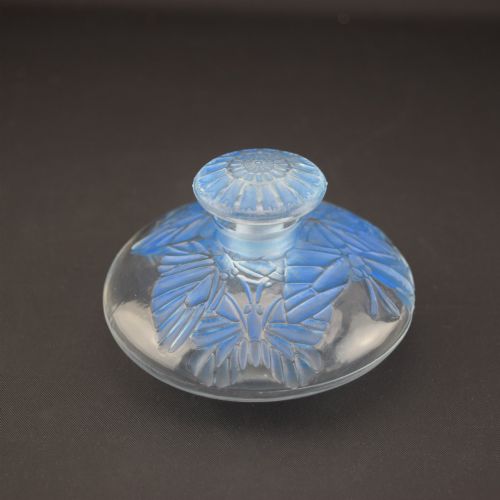
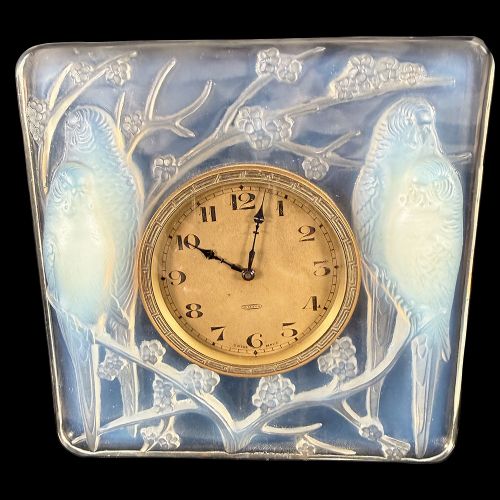
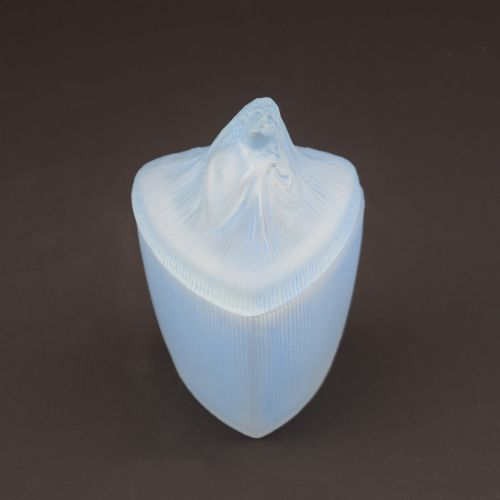
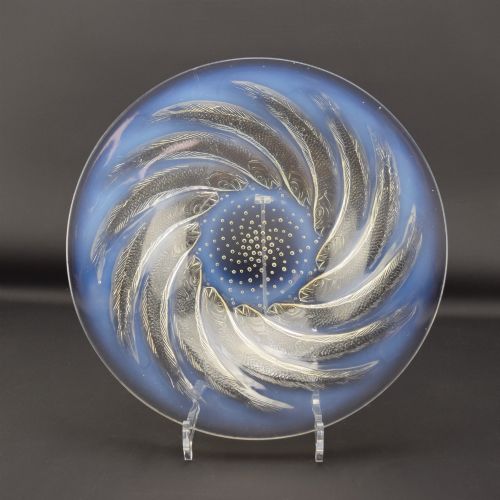
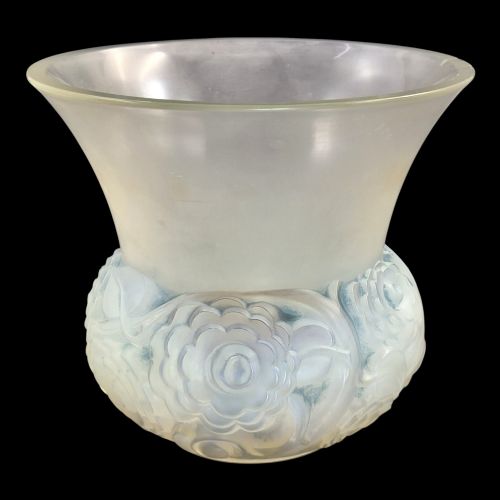
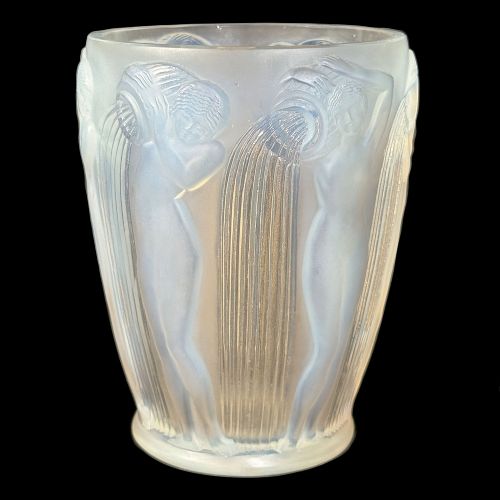
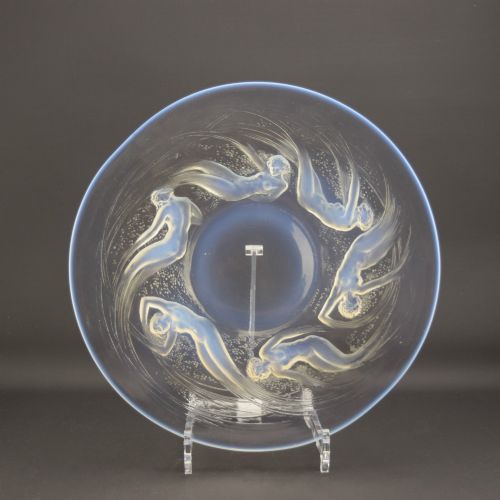
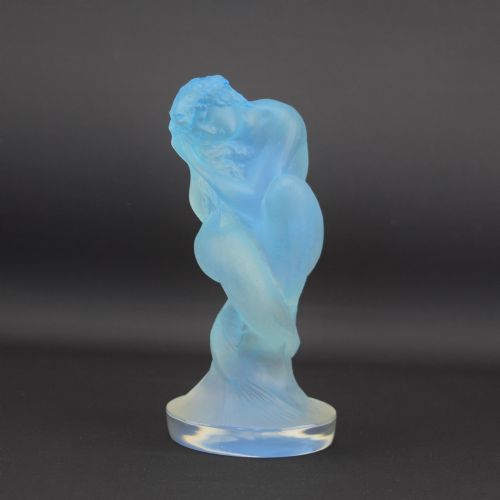
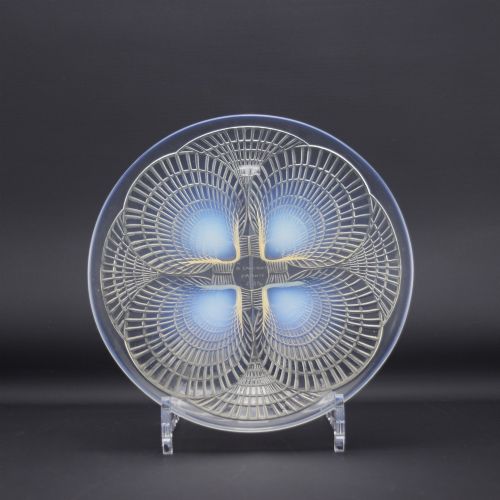
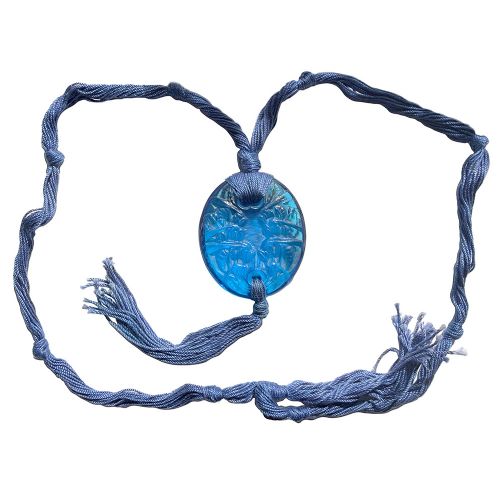
The version you meet most often on this page is French moulded glass from the nineteen-twenties and nineteen-thirties, frequently exhibiting opalescent qualities or blue stained highlights that catch the light. Forms range from utilitarian items like ashtrays and cigarette holders to decorative chargers, figurines, and car mascots.
Technique and materials
Makers utilised pressed and moulded glass techniques, forcing molten material into metal or earthenware matrices to achieve high-relief ornamentation such as flowers, figures, and geometric patterns. Frosted and opalescent finishes were subsequently achieved through specific chemical additions and heat treatments during cooling.
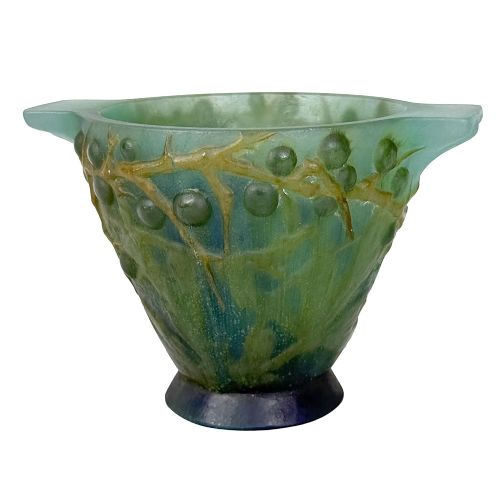
Pate de verre represented a distinct, laborious method where powdered glass was packed into a mould and fused in a kiln, producing dense, granular objects with mottled colour distribution. Stained glass elements and enamel details were applied by hand to accentuate relief work and deepen the perceived three-dimensionality of the motifs.
Among the creatures immortalised in these heavy glass forms, love birds, dragonflies, and wasps share shelf space with human figures and car mascots.
Distinctions in quality
The standard of a piece depends heavily on the crispness of the moulding and the depth of the relief work, where sharper lines separate superior examples from softer iterations. The interaction between clear, frosted, and opalescent areas dictates visual success, requiring precise thermal control during production.
Artistic collaboration also elevates certain works, particularly when established sculptors and designers partnered with glasshouses to shape complex figurative or botanical forms. Hand-finishing, such as targeted enamel work or manual polishing of high points, distinguishes the ambitious studio pieces from standard production runs.
Rene Lalique·Amalric Walter·Etling·Jobling·Marius Ernest Sabino
The Blue Moulded Art Glass Glossary
- Opalescent glass
- Glass that appears milky blue when viewed by reflected light and warm amber or orange when viewed by transmitted light. This optical effect results from the controlled precipitation of particles within the molten batch.
- Pate de verre
- A kiln-casting method using crushed or powdered glass mixed with a binding agent. It yields pieces with a characteristic granular texture and dense, painterly colour.
- Pressed glass
- Glass shaped by being pressed into a metal mould using a mechanical plunger. This technique allowed for intricate surface patterns to be replicated efficiently.
- Frosted glass
- Glass treated to achieve a matte, non-reflective surface, usually through acid etching or sandblasting. It provides a contrast to polished or clear sections on moulded vessels.
- Moulded glass
- Glass shaped by molten material being forced into a prepared cavity, capturing high-relief details. The seams left by the mould parts often require subsequent smoothing or polishing.
Blue Moulded Art Glass: Frequently Asked Questions
How are blue moulded art glass vases dated?
Dating relies on stylistic markers associated with Art Nouveau and Art Deco movements, alongside known production spans for specific named models. Signature styles and registry marks provide additional chronological anchors.
Changes in glass chemistry, such as the formulation of specific opalescent effects prevalent in the nineteen-twenties, further help place a piece within its decade of manufacture.
What is opalescent glass?
Opalescent glass displays a milky blue appearance under direct surface illumination while shifting to warm amber tones when light passes directly through it. This dual characteristic stems from microscopic particles suspended evenly throughout the cooled material.
Designers utilised this optical property to accentuate the high-relief motifs characteristic of twentieth-century moulded vessels and figurines.
How were perfume bottles and powder boxes used?
These vanity items served as functional containers for cosmetics and fragrances on dressing tables throughout the Edwardian and Art Deco eras. Their elaborate moulded designs transformed everyday toiletries into decorative focal points.
Many incorporated intricate stoppers or fitted lids featuring figural or floral subjects, combining practical sealing functions with sculptural presence.
Where was most moulded art glass produced?
Production was concentrated primarily in France, where specialised glasshouses and independent artists developed advanced moulding and casting techniques. Regional workshops in Britain also contributed notable pressed glass designs during the nineteen-thirties.
French ateliers dominated the luxury market, employing skilled sculptors to model complex figurative and botanical vessels.