


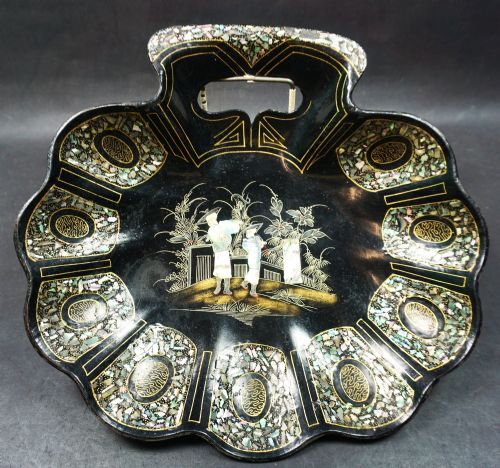
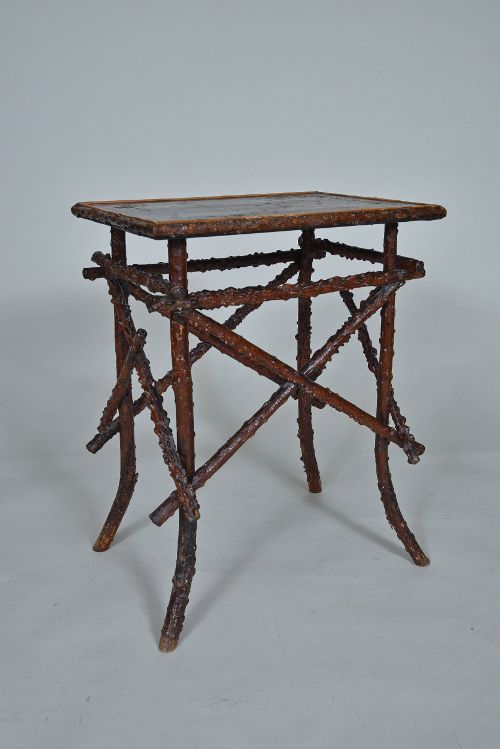
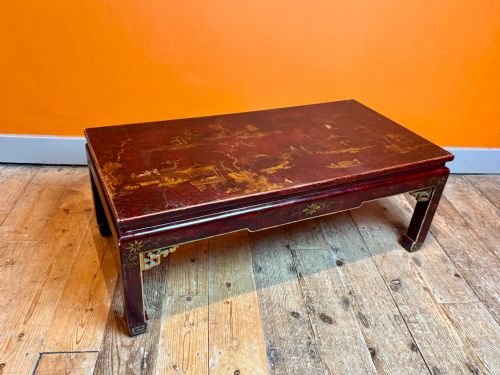
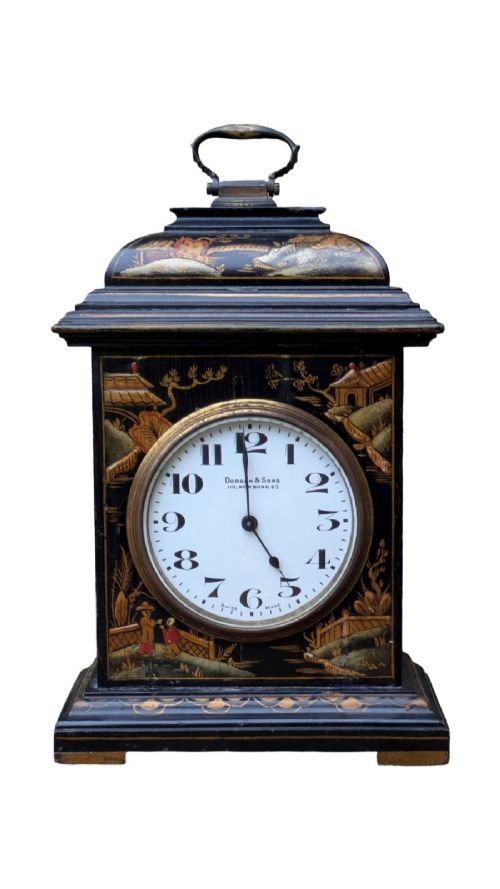

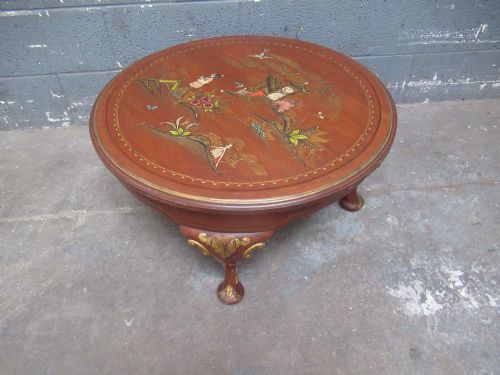

Antique Lacquered Table
An antique lacquered table brings deep gloss, painted motifs and rich texture into a room, offering both a functional surface and a distinct decorative focus.
Antique Lacquered Table
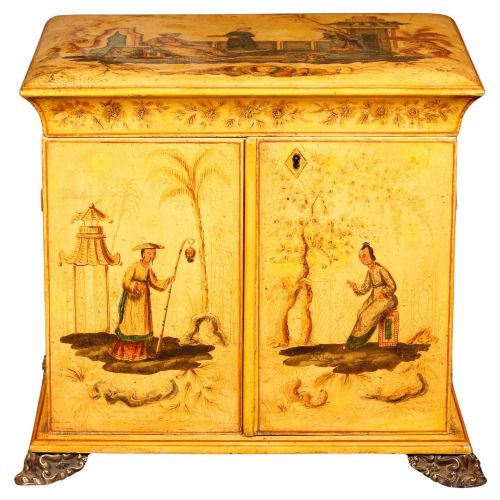
An antique lacquered table encompasses a variety of occasional, side, coffee and work tables finished in lacquer, paint or varnish. These pieces emerge from multiple periods including the Regency era, the Victorian period, and the early twentieth century.
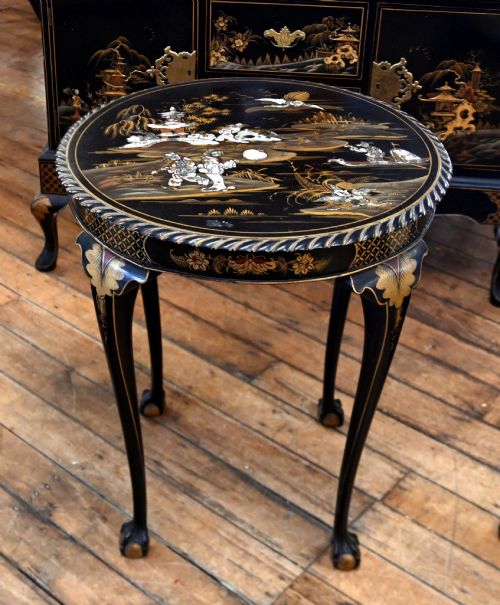
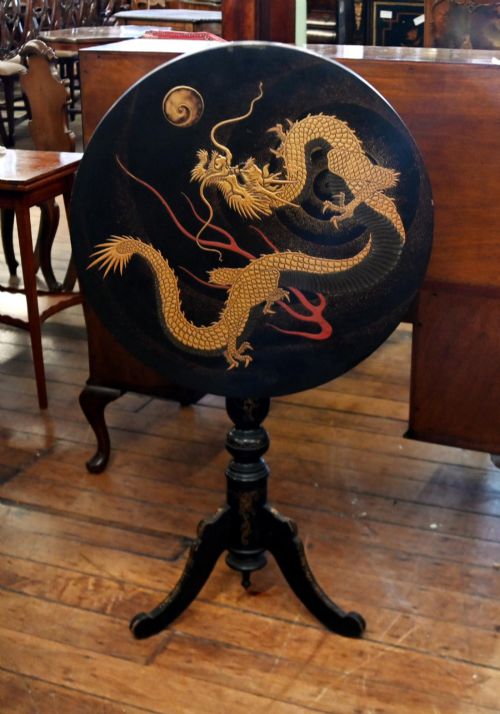
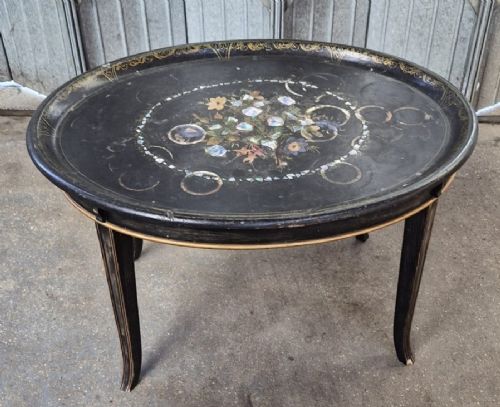
The selections span distinct stylistic traditions such as Chinoiserie, Anglo-Indian, Kashmiri, and Regency designs. Alongside traditional tea and occasional tables, the inventory includes related forms like low tables, tilt-top tables, and writing desks.
Buyers frequently encounter occasional tables and side tables decorated with painted scenes, gilt highlights, and oriental motifs. These items reflect both British interpretation and direct export work from Asia.
How they were made
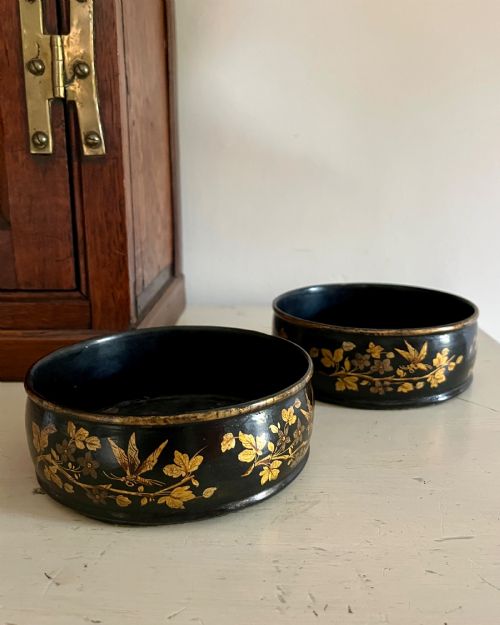
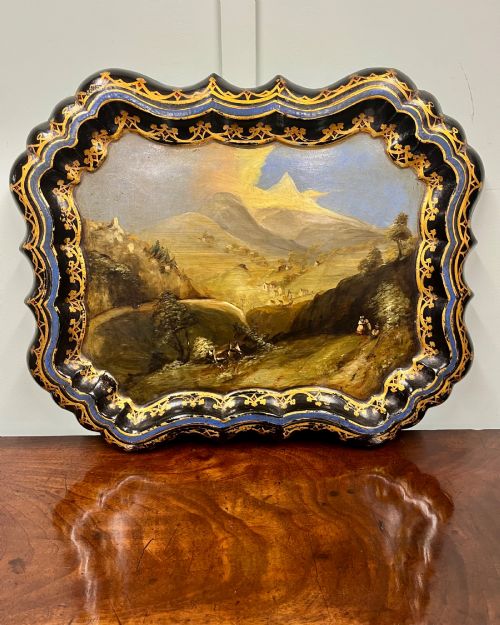
Maker construction relies on timber foundations such as wood, elm, or kingwood, sometimes incorporating bamboo frames or papier-mâché components. Artisans applied layers of lacquer, paint, or varnish to build a durable and glossy substrate.
Decoration involved hand-painting, gold leaf, and gilt details to render intricate Chinoiserie scenes, floral patterns, and figurative motifs. Brass mounts, handles, and occasional ormolu fixtures added structural reinforcement and decorative contrast.
Antique Lacquered Table Retail Price Guide 2026
Typical asking prices for lacquered table among the pieces listed under this phrase on Sellingantiques today, from the lower quarter to the upper quarter. They describe what is for sale here now, not the wider market.
Several tables come paired with matching sake cups or serve as clever sewing workboxes for nineteenth-century domestic life.
What varies in quality
Quality rests upon the depth and preservation of the lacquer surface, alongside the crispness of the hand-painted or gilt decoration. Finer pieces maintain their original finish without excessive craquelure or clumsy later repainting.
Structural integrity of the underlying timber frame, whether solid wood, papier-mâché, or bamboo, dictates how well the table bears daily use. Superior examples display refined joinery, intact brass or ormolu mounts, and harmonious proportions.
The Antique Lacquered Table Glossary
- Chinoiserie
- European decorative style reflecting Chinese artistic influences, typically featuring painted landscapes, figures, and pavilions on lacquered surfaces.
- Papier-mâché
- A composite material made from paper pulp or reinforced paper sheets, moulded and lacquered to form lightweight trays, tables, and boxes.
- Japanned
- European work imitating Japanese and Chinese lacquerware, created by applying layers of varnish and dark paint followed by metallic decoration.
- Tilt-top
- A table mechanism allowing the surface to pivot to a vertical position when not in use, saving space in period rooms.
- Etagere
- A set of open shelves or tiered stands used for displaying small objects, often constructed in bamboo or polished wood.
Antique Lacquered Table: Frequently Asked Questions
How do I care for a lacquered table?
Keep these surfaces away from direct sunlight and excessive moisture to prevent the lacquer from fading or lifting.
Dust gently with a soft, dry cloth and avoid chemical polishes that can damage the historical finish.
What is the difference between Chinoiserie and Japanned?
Chinoiserie is a broader European style encompassing general Chinese motifs and scenic landscapes applied to furniture and decorative arts.
Japanned specifically refers to European lacquer work that imitates traditional Japanese black and gold lacquer techniques.
Can I use an antique lacquered table daily?
These tables function well for everyday use as side or coffee tables provided you protect the surface from heat and liquids.
Using coasters and placemats helps preserve the hand-painted or gilt decoration from unnecessary wear.
How do I identify a Regency period table?
Regency pieces typically display classical restraint, clean architectural lines, and specific decorative idioms like ebonised finishes and Chinoiserie motifs.
Examining the underlying timber construction and hardware helps confirm the early nineteenth-century date of manufacture.