





Antique Lacquered Platter
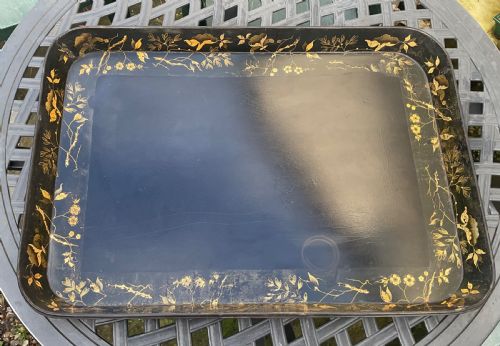
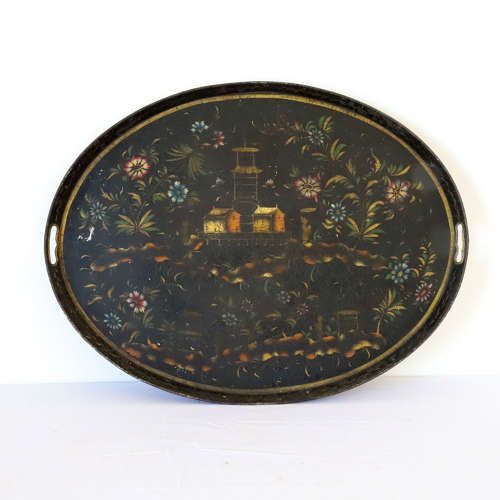
These antique lacquered platters and trays combine durable papier-mâché and wood with meticulous surface art, offering both utility and striking display presence.
Antique Lacquered Platter
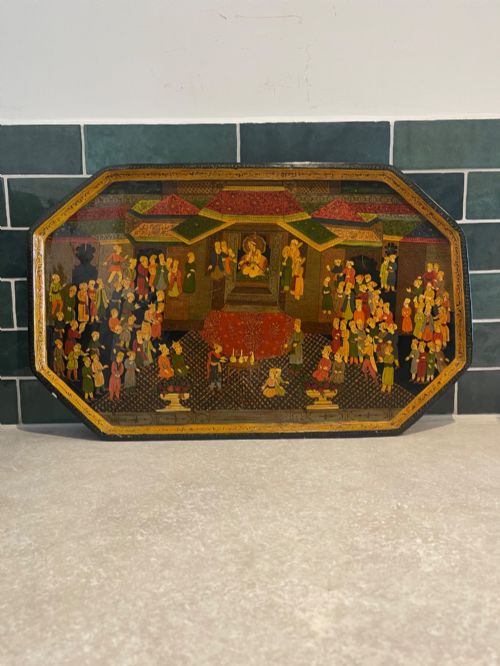
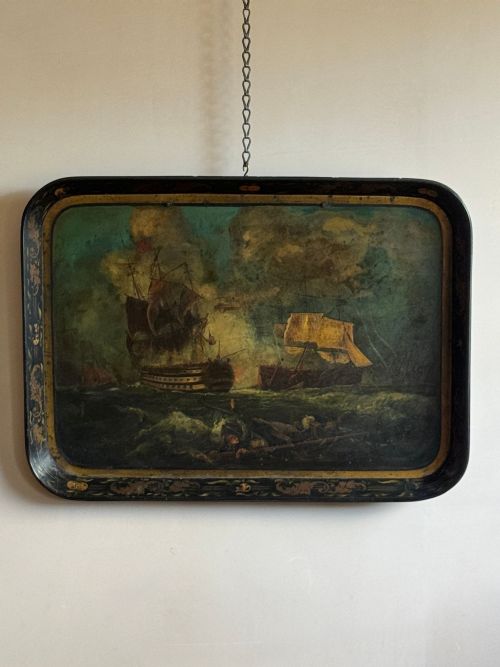
An antique lacquered platter represents a diverse group of serving trays, decorative plaques, and chargers created across the eighteenth, nineteenth, and early twentieth centuries. When searching for an antique lacquered platter, buyers encounter everything from large Regency papier-mâché serving trays to Japanese export lacquer pieces and Kashmiri works.
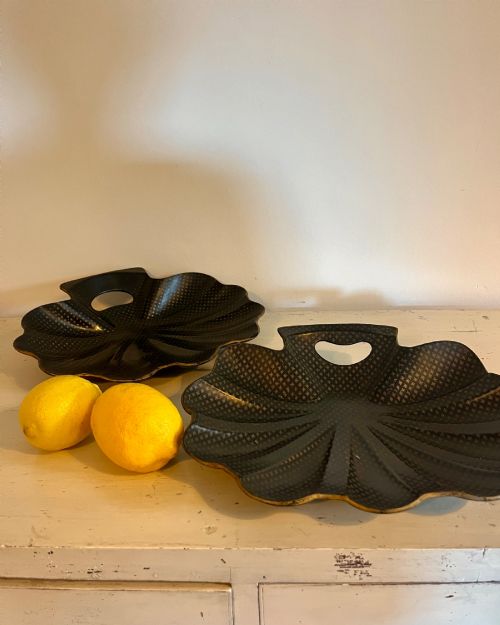
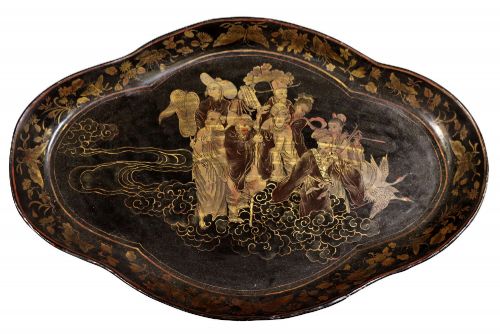
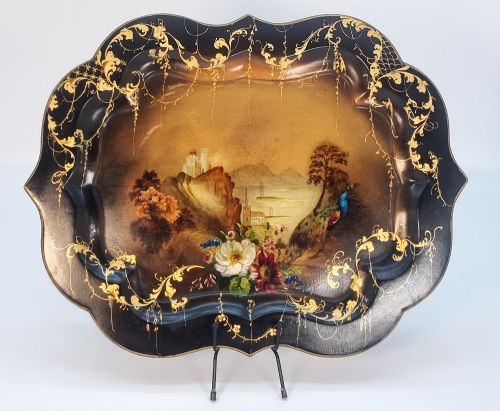
The objects take various shapes, including oval, rectangular, and kidney forms, alongside classic chargers. English Victorian and Regency examples frequently feature painted landscapes or hunting scenes, while pieces from Chinese and Japanese traditions employ distinct aesthetic motifs like the Ho-o bird and phoenix.
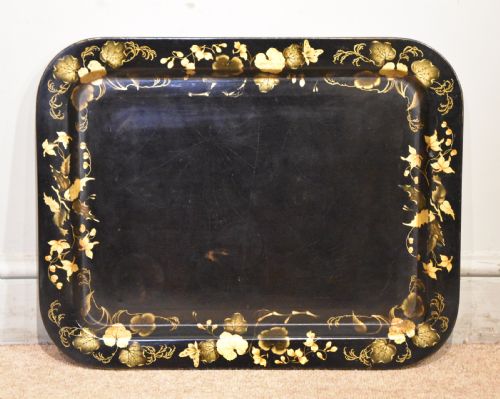
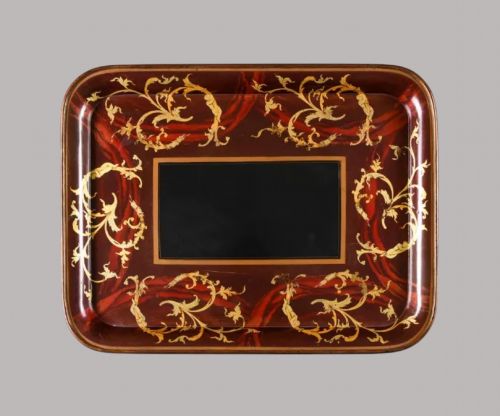
Geographic origins span England, Sweden, France, China, Japan, and Kashmir, reflecting global demand for decorative lacquerware. Buyers are most likely to meet nineteenth-century papier-mâché examples bearing gilt borders and hand-painted or inlaid ornamentation.
Materials and construction methods
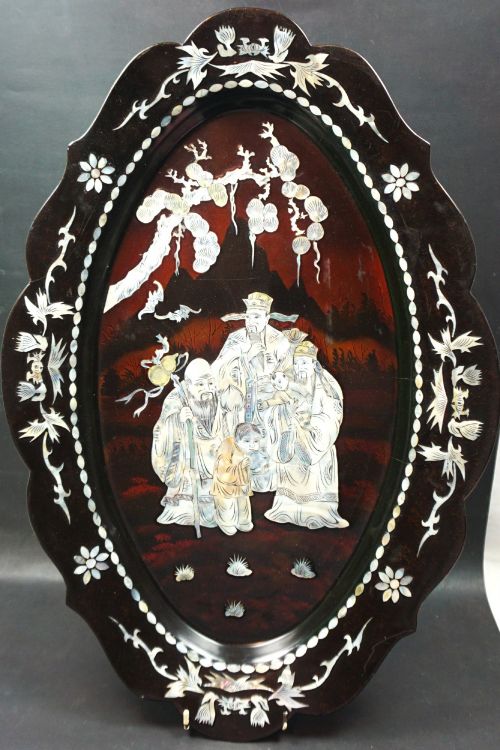
Many of these pieces utilise pressed papier-mâché or solid wood as a foundation, shaped into substantial trays, chargers, and plaques. Artisans built up smooth surfaces using layers of lacquer, applying gold leaf, paint, and mother-of-pearl inlay to create detailed pictorial designs.
Specialised techniques such as Japanning and Totai incorporate lacquer over porcelain or metal bases like toleware. Surface decoration relies heavily on hand-applied pigments and metallic leaf, sealed to protect the underlying material and imagery.
Listings include materials ranging from gold leaf and mother-of-pearl to traditional papier-mâché and wood across various international traditions.
Assessing quality in lacquerware
Quality rests in the crispness of the hand-painted details, the depth of the lacquer finish, and the preservation of original gilding. Pieces retaining their intended surface decoration without extensive overpainting command greater interest.
The integration of decorative elements like mother-of-pearl inlay and the structural stability of the underlying papier-mâché or wood core define the standard of execution. Maker attribution, visible in specific nineteenth-century signatures or stamps, further distinguishes individual pieces.
Jennens and Bettridge·Clay
The Antique Lacquered Platter Glossary
- Papier-mâché
- A composite material made from paper pulp or reinforced paper sheets mixed with binding agents, moulded into rigid forms for trays and plaques.
- Japanning
- A European imitation of East Asian lacquer work, created by applying successive layers of varnish and heat-curing them to achieve a glossy black or coloured finish.
- Toleware
- Painted or lacquered sheet metal items, commonly formed into serving trays and domestic vessels during the eighteenth and nineteenth centuries.
- Totai
- A Japanese technique where lacquer is applied directly over a porcelain or ceramic body to form decorative vessels and chargers.
- Chinoiserie
- European artistic styles reflecting Chinese and East Asian motifs, popular in decorative arts throughout the eighteenth and nineteenth centuries.
- Mother-of-pearl
- The iridescent inner layer of mollusc shells, cut into thin sections and embedded into lacquer surfaces for decorative contrast.
Antique Lacquered Platter: Frequently Asked Questions
What are antique lacquered platters made of?
These items are constructed primarily from papier-mâché, wood, or metal toleware, which provide a rigid base for the finished objects.
Artisans then coat these foundations in layers of lacquer, finishing the surfaces with paint, gold leaf, and mother-of-pearl inlay.
How were these trays originally used?
Many examples functioned as serving trays for food and beverage service in domestic settings during the Regency and Victorian periods.
Others served purely decorative purposes as wall plaques, chargers, or centrepiece trays displayed in reception rooms.
How do I care for a lacquered tray?
Keep these items away from direct sunlight, excessive heat, and moisture to protect the delicate lacquer surface and underlying materials.
Dust them gently with a dry, soft cloth and avoid using chemical cleaning agents or abrasive materials.
How do I identify a Regency period piece?
Regency items often feature specific stylistic markers such as gilded borders, distinct oval or kidney shapes, and hand-painted English landscapes.
Examining the construction of the papier-mâché and any maker marks helps confirm the early nineteenth-century origin.