
Antique Lacquered Chest
An antique lacquered chest brings deep, lustrous surfaces and rich cultural narrative into a room, spanning grand Japanese cabinets and Chinese export trunks.
Antique Lacquered Chest
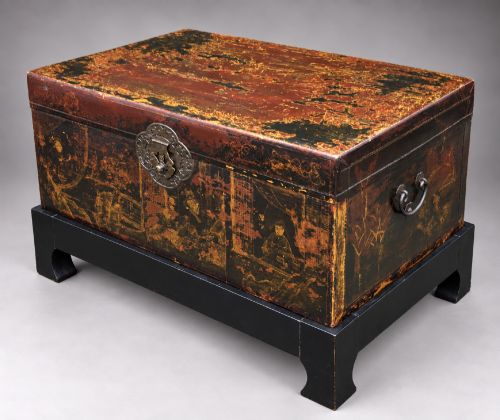
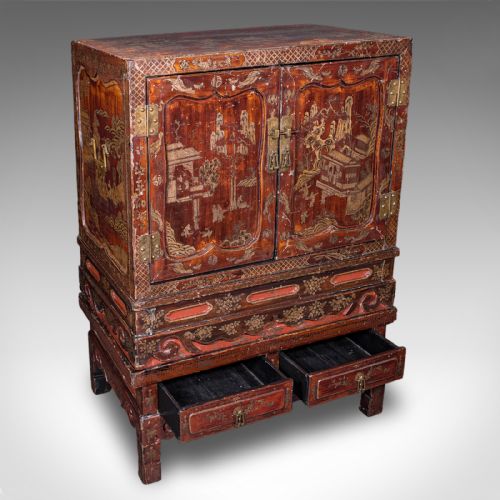
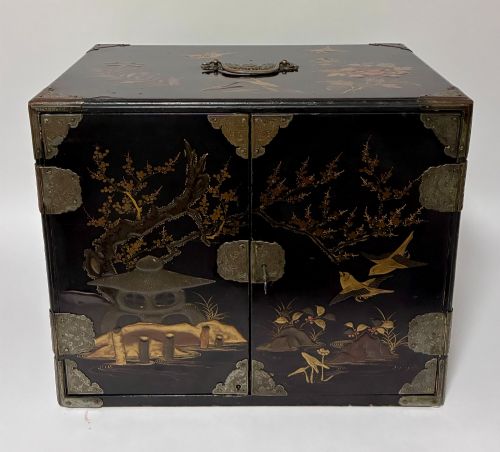
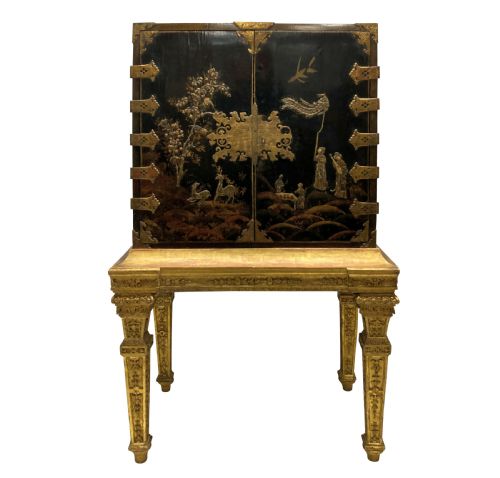
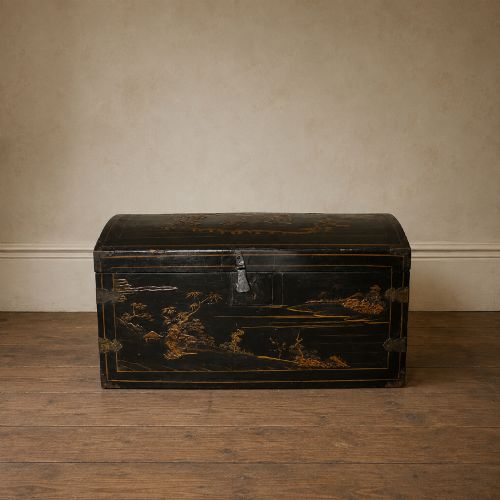
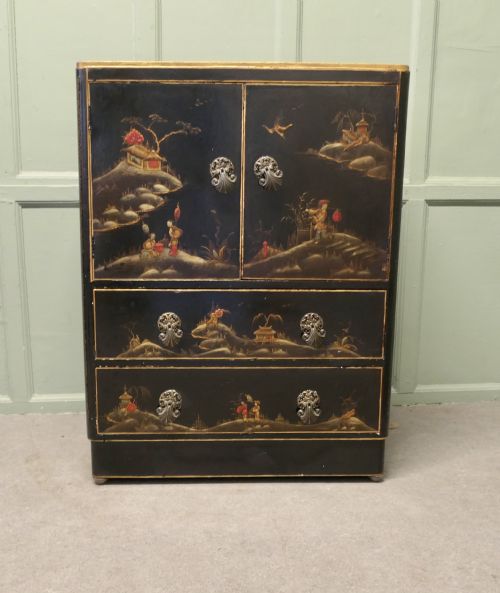
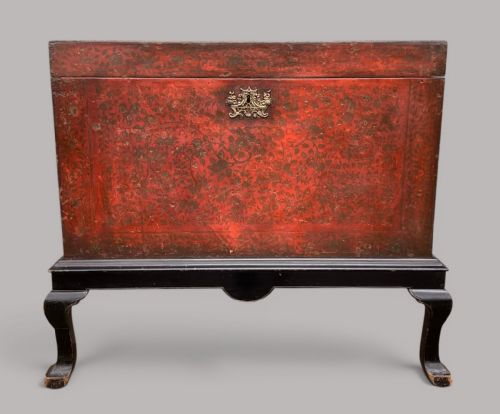
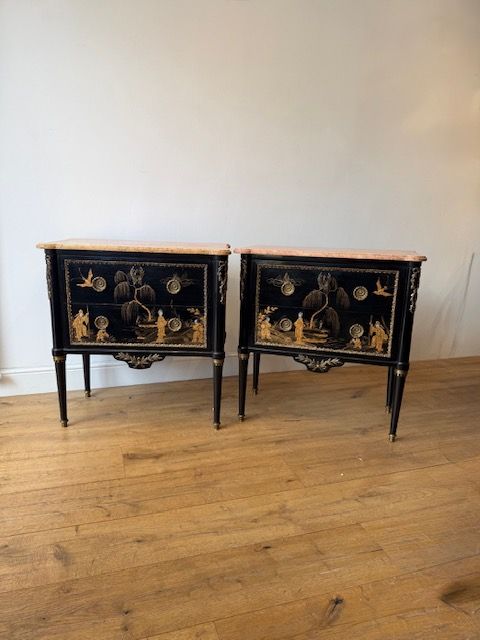
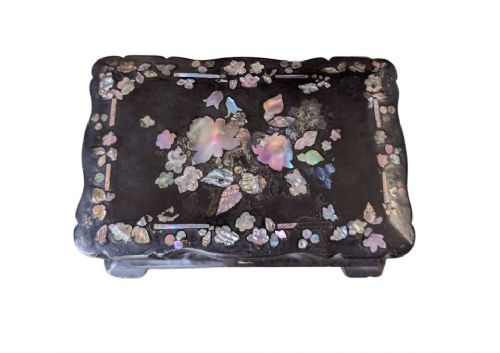
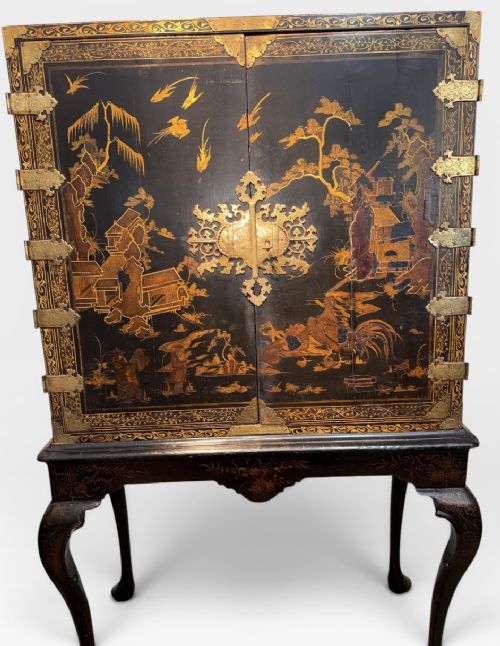
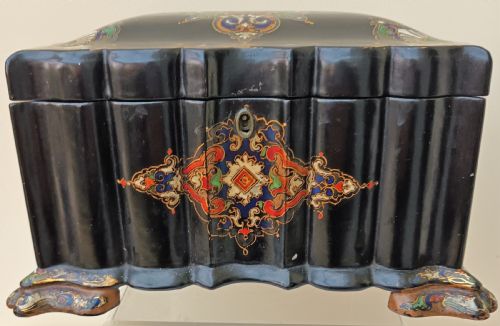
When searching for an antique lacquered chest, collectors encounter diverse forms including large seventeenth-century cabinets on stands, table cabinets, tea caddies, and domed travel trunks. The pieces originate from Chinese export workshops, Japanese Meiji period makers, and European makers working in the Chinoiserie style.
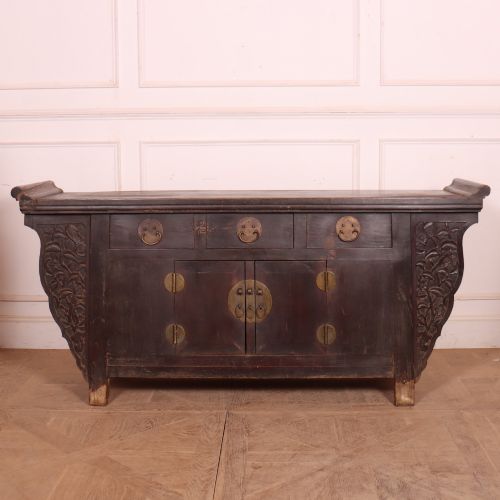
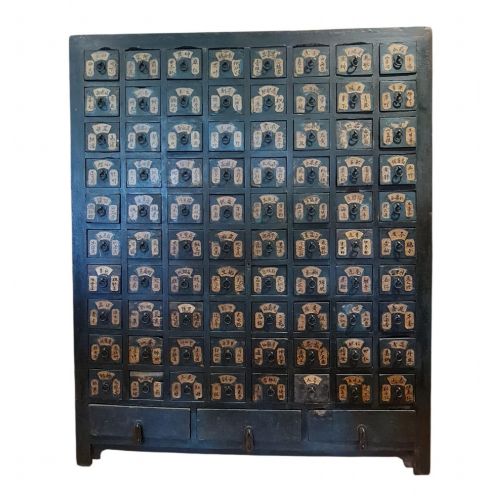
The most frequent examples on this page are nineteenth-century Chinese and Japanese storage pieces, alongside twentieth-century Chinoiserie cabinets and Indian red lacquered trunks. These utilitarian and decorative objects served distinct domestic functions, from apothecary storage to personal jewellery boxes and blanket chests.
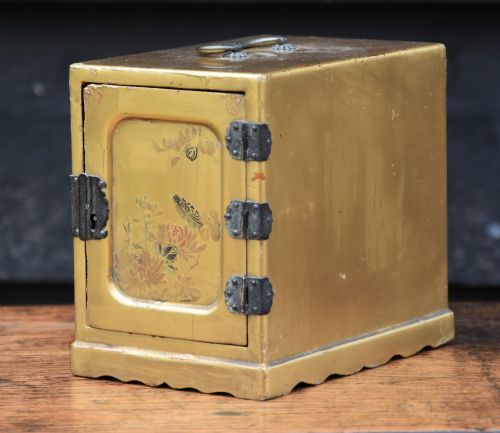
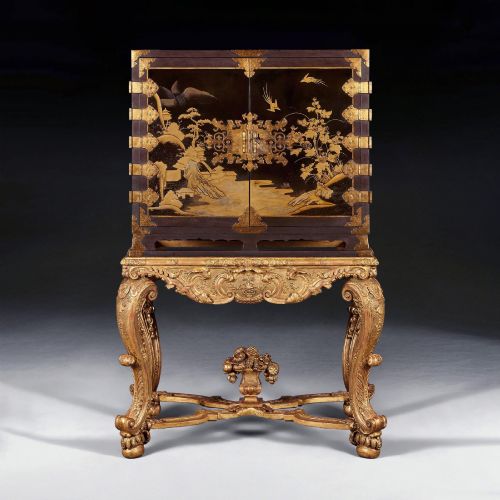
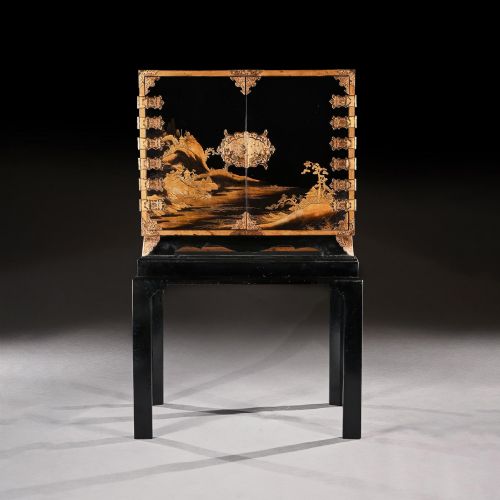
Forms range from intimate tabletop Kodansu boxes with multiple small drawers to substantial floor-standing cupboards and commodes mounted on French giltwood or English stands. Each piece displays distinct regional tastes, marrying local timber construction with durable plant-based resin finishes.
Materials and construction
Construction relies on stable base woods such as pine, elm, kiri, and walnut, providing a rigid foundation for layers of natural lacquer resin. Artisans applied successive coats of sap, sanding and polishing each tier to achieve a smooth, moisture-resistant ground before decoration.
Ornamentation frequently incorporates gold leaf, metallic powders, and hand-painted pigments to build raised Chinoiserie or Japanese pictorial scenes. Brass, iron, and gilt mounts reinforce corners and drawers, combining structural utility with decorative contrast.
Listings span periods from the 17th century through the 1930s, utilising wood, lacquer, brass, and gold leaf across diverse cabinet forms.
What separates the grades
Quality rests upon the depth and stability of the lacquer surface, where superior examples exhibit complex pictorial layering without heavy flaking or modern repainting. The finesse of the hand-painted gold detailing dictates the artistic merit of Chinoiserie and Japanese export pieces.
Internal joinery and the survival of original brass or iron hardware influence the standing of a cabinet or trunk. Pieces retaining their matching custom stands or untouched fitted interiors command greater scholarly interest.
The Antique Lacquered Chest Glossary
- Chinoiserie
- European decorative style reflecting Chinese artistic motifs. Artisans applied lacquered finishes and gilt scenes to furniture made in England and France.
- Kodansu
- Small Japanese tabletop cabinet featuring multiple internal drawers. These miniature pieces were traditionally used for storing documents, seals, or personal valuables.
- Tansu
- Traditional Japanese mobile storage chest built from timbers such as kiri wood. They feature robust iron hardware and specialised configurations for domestic organisation.
- Gilt
- Application of gold leaf or powdered gold onto the lacquered surface. This technique highlights pictorial motifs and creates contrast against dark backgrounds.
Antique Lacquered Chest: Frequently Asked Questions
How were these chests used?
These pieces served diverse household functions depending on their scale, acting as travel trunks, blanket boxes, or secure storage for textiles and valuables. Table cabinets and tea caddies organised smaller personal items, letters, and imported luxuries.
Larger cabinets on stands functioned as primary display and storage furniture in reception rooms. Apothecary chests managed specialised herbal remedies with numerous small internal drawers.
Where were these pieces made?
Origins span East Asian workshops in China and Japan, where regional lacquer traditions flourished across dynasties and imperial periods. European cabinetmakers also produced significant quantities in the Chinoiserie taste, adapting local woods to mimic oriental imports.
Additionally, Anglo-Indian and Korean workshops contributed distinct regional interpretations using local timbers and specific decorative palettes.
How do I care for lacquer?
Maintain stable room temperatures and avoid direct sunlight to prevent the lacquer surface from drying out or cracking. Dust gently with a soft, dry cloth without utilising modern chemical polishes or abrasive cleaners.
Keep pieces away from direct heat sources and excessive humidity fluctuations. Natural resin finishes respond best to stable indoor environments.
How do I tell Japanese and Chinese pieces apart?
Japanese examples frequently employ technical innovations from the Meiji period alongside native timber foundations like kiri wood. Their decorative motifs often reflect specific landscape traditions and metal mount styles unique to Japanese joinery.
Chinese export pieces typically utilise heavier woods such as elm, featuring distinct brass hardware shapes and narrative scenes associated with Qing dynasty aesthetics.