
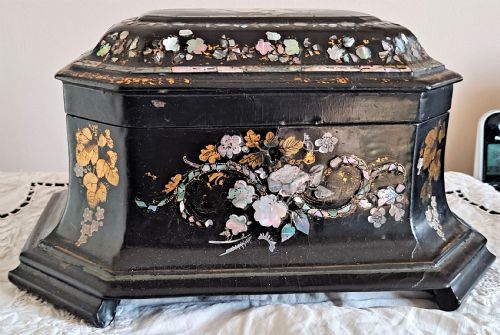

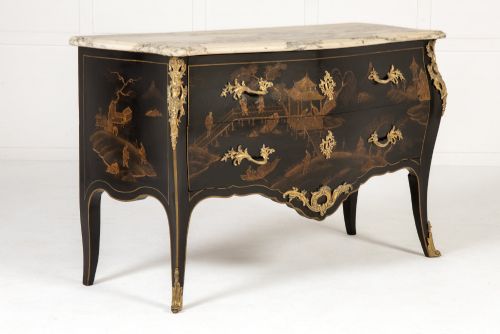


Gilt Lacquer Chest
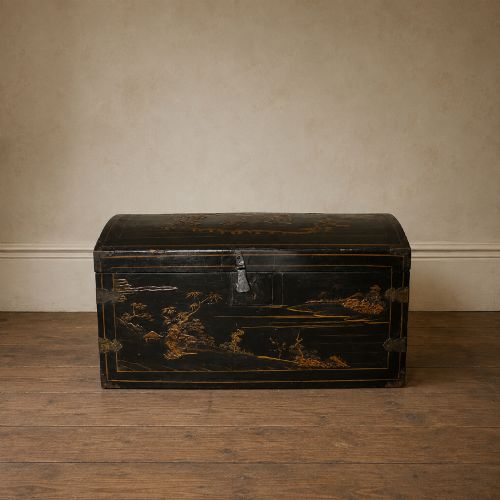
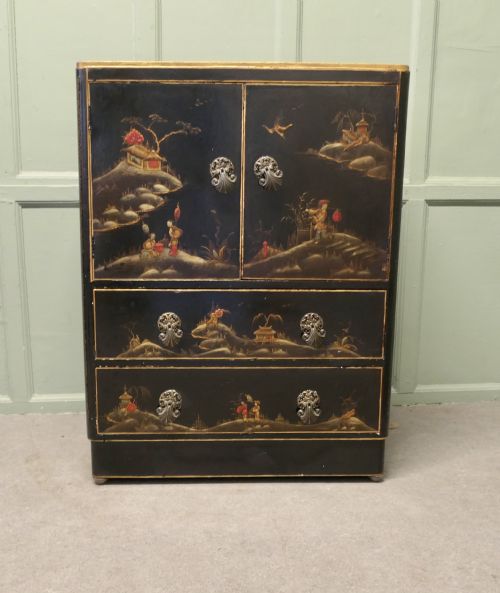
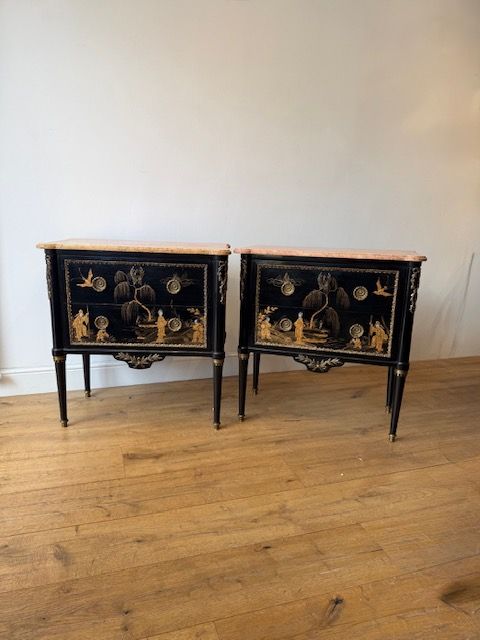
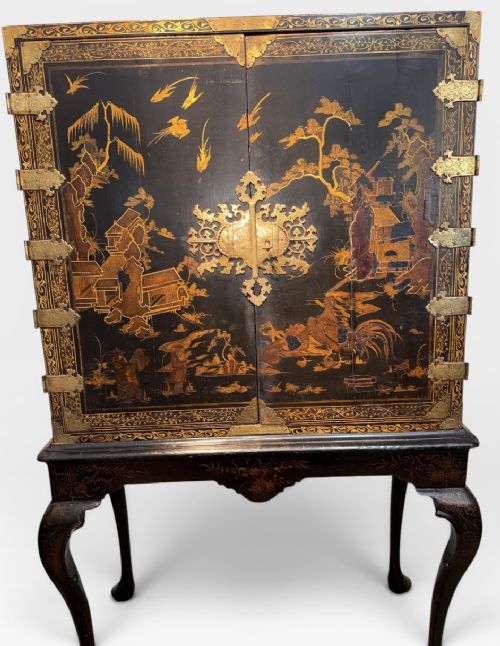
A gilt lacquer chest brings rich surface decoration and depth of colour to a room, drawing the eye with metallic highlights.
Gilt Lacquer Chest
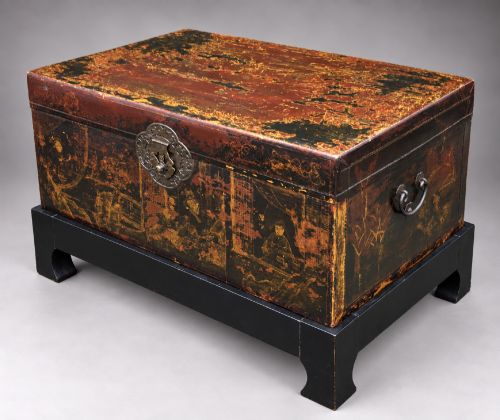
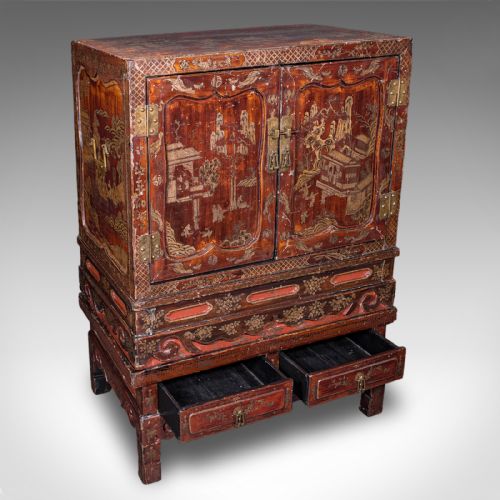
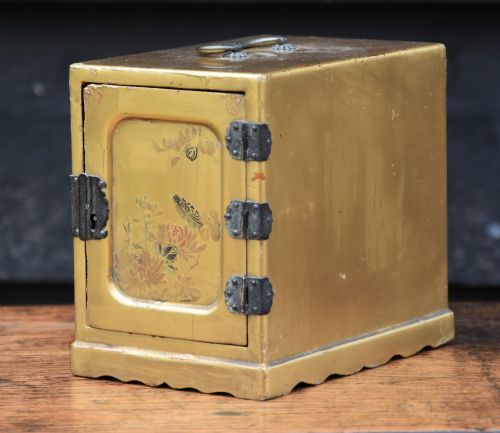
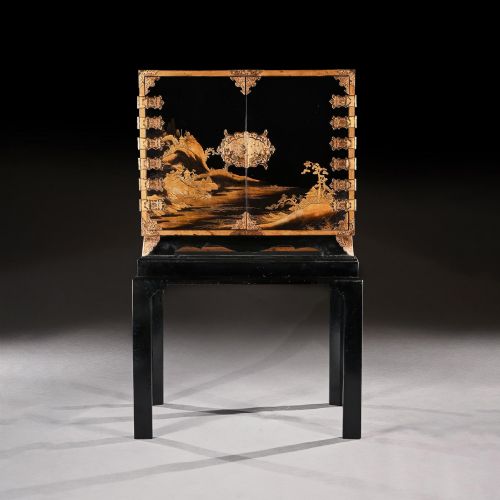
A gilt lacquer chest encompasses a range of storage pieces, from large blanket boxes and coffers to smaller table cabinets and tea caddies. The examples found here span the eighteenth, nineteenth, and early twentieth centuries, reflecting diverse global origins including Chinese export, Japanese Edo and Meiji periods, and Anglo-Indian workshops.
Cabinets on stand and freestanding trunks are common configurations, often decorated in styles that embrace Chinoiserie and Japanning. These pieces served practical storage needs while displaying intricate craftsmanship that suited prominent domestic spaces.
Materials and construction
Makers built these pieces using wood substrates, sometimes incorporating papier-mâché, metal, or iron, which were then finished with layers of lacquer. Surfaces received detailed gilt decoration, gold leaf, and brass fittings to accent the dark or colourful lacquer grounds.
Techniques relied on precise application of multiple lacquer coats to achieve a hard, lustrous finish before gilding was applied by hand. Structural joinery varied from cabinetwork to box construction, supporting decorative schemes executed in Chinese export, Japanese, and European Chinoiserie traditions.
The listings span the eighteenth, nineteenth, and early twentieth centuries, utilising wood, brass, lacquer, and gold leaf.
Assessing quality in lacquer work
Quality rests in the depth of the lacquer finish and the crispness of the gilt decoration, where finer pieces show detailed brushwork and stable surfaces. The integration of stands, brass hardware, and original fittings also dictates the desirability of a piece.
The complexity of the regional style, such as sophisticated Japanese Meiji or Edo work versus later commercial production, separates standard items from exceptional examples. Preservation of the lacquer surface without excessive restoration marks the dividing line between tiers.
The Gilt Lacquer Chest Glossary
- Chinoiserie
- European imitation and adaptation of Chinese and East Asian artistic traditions, often seen in decorative lacquer furniture. This style flourished across Georgian and Victorian periods.
- Japanning
- A European technique for finishing furniture to imitate East Asian lacquer using heat-dried varnishes and gold dust. It gained popularity in eighteenth-century cabinet making.
- Kodansu
- A small Japanese tabletop cabinet with multiple drawers and compartments, frequently finished in lacquer and gilt. These portable pieces were used for storing valuables or documents.
- Coffer
- A large sturdy chest used traditionally for storing valuables, linens, or documents. Many examples in this category are raised on dedicated stands.
- Toleware
- Painted or enamelled metalware often decorated in imitation of Asian lacquer techniques. It appears on smaller domestic containers and spice boxes.
Gilt Lacquer Chest: Frequently Asked Questions
What is a gilt lacquer chest?
A gilt lacquer chest is a storage piece coated in hardened sap resin and decorated with gold leaf or metallic paint. These items range from large trunks on stands to small table cabinets.
They combine practical storage with elaborate surface decoration reflecting various Asian and European decorative traditions.
How do I date a lacquer chest?
Dating relies on examining the construction methods, wood types, hardware, and stylistic conventions used in the decoration. Eighteenth-century pieces often feature distinct export motifs and joinery compared to later nineteenth or twentieth-century interpretations.
Comparing the lacquer ageing and hardware style against documented examples helps narrow down the period.
How do I care for lacquer furniture?
Lacquer surfaces require gentle treatment, avoiding direct sunlight, extreme humidity changes, and harsh chemical cleaners. Dusting with a soft, dry cloth preserves the finish and prevents scratching.
Maintaining a stable indoor climate protects both the wooden substrate and the delicate gilt decoration.