




Carved Stand Coffer
These carved stand coffer examples unite sturdy chests with raised bases, offering both storage and display height for period rooms.
Carved Stand Coffer
When you search for a carved stand coffer, you encounter pieces that combine a lidded box or chest with an elevated wooden base. The selection ranges from early oak examples bearing heavy panel work to later revival designs and exotic lacquer trunks.
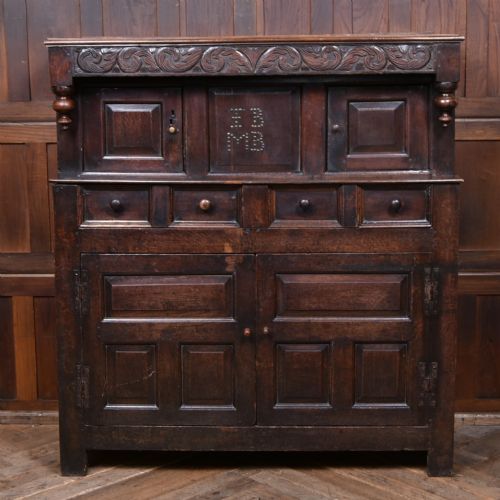
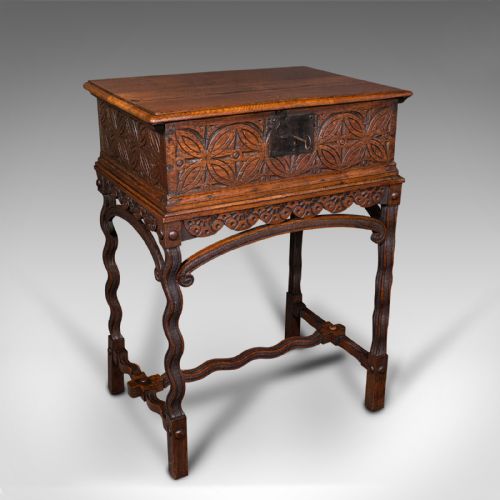
The version you are most likely to meet on this page is the oak coffer on stand, often originating from the seventeenth or nineteenth century. These forms vary from simple country pieces with Bible boxes to grander court cupboards and chests raised upon legs.
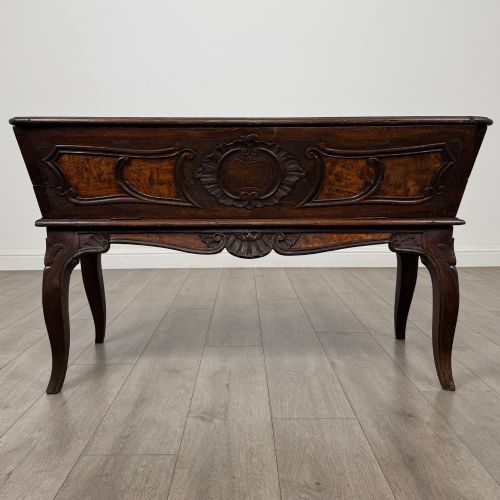
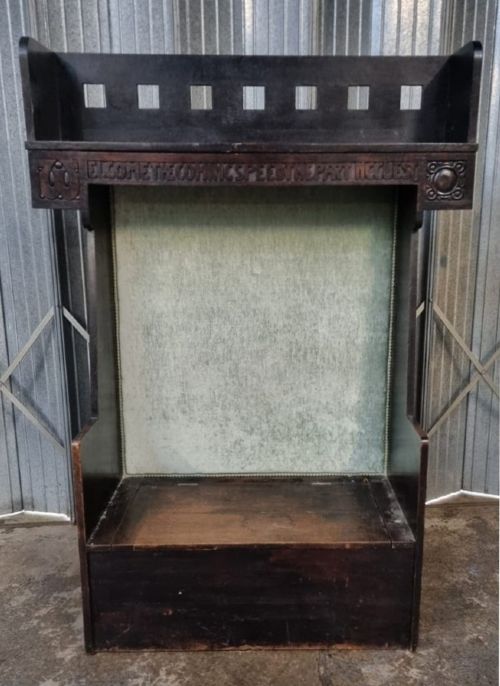
Makers adapted the basic storage box by mounting it on bespoke frames, stands, or cabinets. The grouping also includes dough bins, side cabinets, and trunks influenced by French Provincial, Jacobean, and Anglo-Indian styles.
How they were made
Makers relied primarily on solid oak for early English pieces, utilising sturdy timber joined by traditional framing methods. Later or exotic examples incorporated walnut, burr walnut, and wood frameworks finished with black lacquer and brass hardware.
Carving formed the main decorative technique, rendered directly into the solid wood surfaces of panels, friezes, and stands. Joiners constructed the underlying chests to endure heavy use, securing lids and bases with pegged joints and iron reinforcement.
Some seventeenth-century ancestors of these stands started life on the floor before clever joiners gave them a leg up.
What varies in quality
The standard of a carved stand coffer depends upon the crispness of the timber carving and the integrity of the stand's proportions. Finer pieces display deeply cut ornamentation that integrates harmoniously with the original base rather than appearing later or mismatched.
Material selection divides standard utilitarian items from exceptional work, particularly where figured burr walnut, detailed lacquer, or well-preserved seventeenth-century oak are present. The relationship between the upper chest and its supporting frame dictates the visual balance and historical coherence of the piece.
The Carved Stand Coffer Glossary
- Coffer
- A large wooden chest used historically for storing valuables, linens, or documents. Most examples feature a hinged lid and solid panel construction.
- Stand
- The elevated frame, table, or base upon which a chest, cabinet, or trunk rests to raise it off the floor. Stands provide better proportions and easier access to contents.
- Bible Box
- A small desk-like box designed to hold sacred texts or writing materials, frequently placed upon a table or stand for use.
- Jacobean
- A style of English design prevalent during the early seventeenth century, characterised by geometric moulding, dark oak, and strapwork carving.
- Chinoiserie
- European artistic interpretation of Chinese and East Asian decorative motifs, frequently expressed through lacquer work and gilded imagery.
Carved Stand Coffer: Frequently Asked Questions
What is a coffer on stand?
A coffer on stand is a storage chest raised on legs or a frame. This design lifts the storage space to a more accessible height and creates a lighter profile in a room.
Such pieces evolved from floor-standing chests as interior fashions favoured elevated furniture during the seventeenth and eighteenth centuries.
How were these chests used?
These chests served primarily for storing household textiles, garments, valuables, and documents safely away from damp floors. The raised stand kept the contents drier and allowed easier cleaning underneath.
In domestic settings, they functioned both as secure storage and as stable surfaces for displaying other objects.
How do I date an oak coffer?
Dating an oak coffer relies on examining construction methods, tool marks, timber shrinkage, and the style of the carved decoration. Seventeenth-century pieces typically show pegged joinery, hand-planed boards, and distinct regional motifs.
Later revival pieces from the nineteenth or twentieth century often display machine-cut elements and standardised fixings beneath the surface.
Where did lacquer trunks come from?
Lacquer trunks and cabinets on stands often reflect global trade connections, including Anglo-Indian production and European Chinoiserie workshops. These pieces utilised imported styles and exotic finishes to create striking decorative storage.
Craftsmen applied layered lacquer and painted details over wooden carcases to achieve durable, highly ornate surfaces.
How do I place one at home?
A carved stand coffer works well in hallways, living rooms, or bedrooms where it provides both surface display space and internal storage. The elevated base keeps the furniture looking light within modern or traditional interiors.
Positioning the piece away from direct heat sources helps protect the historical timber and lacquer finishes from drying out.