



Antique Kurdish Textile
An antique kurdish textile brings nomadic craftsmanship into a room, offering rich tribal patterns and tactile wool surfaces.
Antique Kurdish Textile
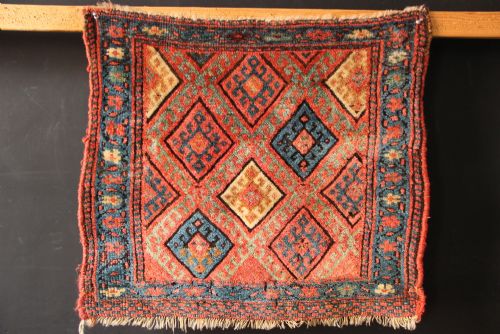
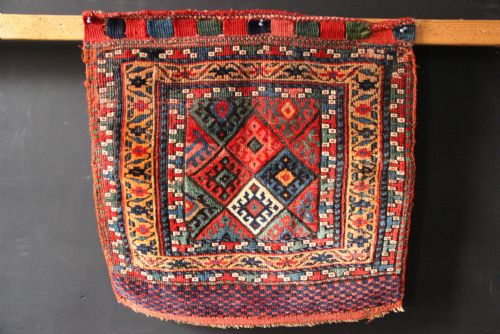
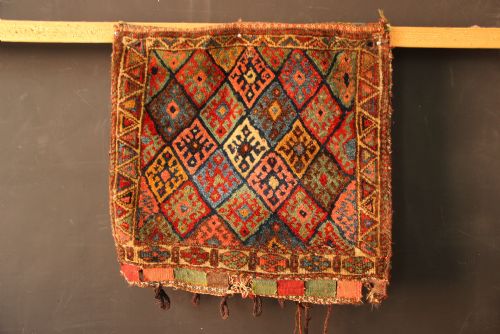
When you search for an antique kurdish textile, you encounter items shaped by nomadic and tribal traditions from the nineteenth and early twentieth centuries. These pieces encompass functional domestic items including bagfaces, saddlebagfaces, cushions, wheat sacks, and garments.
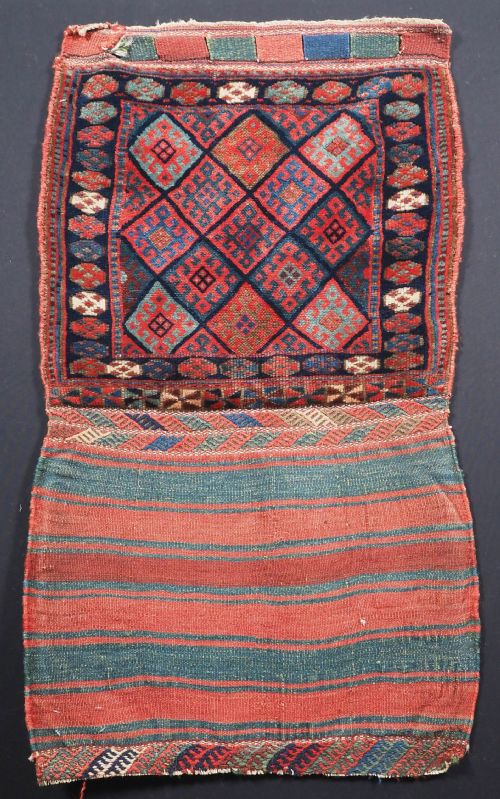
The most common examples on this page are small tribal bags and bagfaces attributed to the Jaf Kurd tribes. These items display distinctive weaving methods and regional motifs handed down through generations of makers.
Other variations appearing in the inventory include Turkish and Anatolian pieces, alongside gold-embroidered garments and larger juvals. Each object reflects the utilitarian needs of tribal life combined with traditional decorative artistry.
How they were made
Makers utilised hand-spun wool and goat hair as the primary foundation materials for these woven items. These natural fibres provide the durability and dense texture characteristic of nomadic textile production.
Certain garments incorporate velvet, silk, and metallic thread alongside the heavier wool structures. Wooden and glass elements occasionally appear as decorative components or structural supports within the textile items.
Antique Kurdish Textile Retail Price Guide 2026
Typical asking prices for kurdish textile among the pieces listed under this phrase on Sellingantiques today, from the lower quarter to the upper quarter. They describe what is for sale here now, not the wider market.
The listings span the late nineteenth century to the early twentieth century, utilising wool, goat hair, silk, and metallic thread.
What varies in quality
Quality differences emerge in the handling of the raw materials and the precision of the weave. Tightly spun wool and secure structural foundations distinguish finer examples from simpler utilitarian pieces.
The complexity of the tribal designs and the survival of secondary materials such as plain weave backs or metal thread embroidery influence the overall character of the textile.
The Antique Kurdish Textile Glossary
- Bagface
- The decorative front panel of a tribal storage sack, typically preserved after the plain weave back has worn away. This portion usually displays the primary geometric or tribal motifs.
- Juval
- A large storage bag produced by nomadic tribes for household belongings and bedding. These pieces feature horizontal formats designed for camel or donkey transport.
- Chanteh
- A small woven tribal bag used for carrying personal items or documents. They frequently exhibit refined miniature versions of larger carpet patterns.
- Tasheh
- A specific regional term for a wheat sack or agricultural bag. These items combined sturdy construction with practical storage capacity.
- Plain weave
- A fundamental textile technique where warp and weft threads cross alternately to create a flat surface. This structure often forms the back panels of Kurdish bags.
Antique Kurdish Textile: Frequently Asked Questions
What is an antique kurdish textile?
These items are woven and embroidered objects created by Kurdish tribal groups, primarily during the nineteenth and early twentieth centuries.
They include functional objects like saddlebagfaces, cushions, and garments designed for nomadic or village life.
How were these textiles used?
Nomadic communities utilised these woven pieces for storage, transport, and domestic furnishing within tents and homes.
Items such as bagfaces and juvals held household possessions, while specialised sacks transported grain and personal belongings.
How do I live with them?
These textiles adapt well to modern interiors when displayed as wall art, table covers, or transformed into decorative cushions.
Keeping them away from direct sunlight helps preserve the natural dyed wool and delicate metallic threads.
How can I tell periods apart?
Dating relies on material analysis, structural evidence, and traditional design characteristics recorded across different decades.
Nineteenth-century examples often feature hand-spun wool and natural dyes, while later pieces from the early twentieth century show subtle shifts in palette and weave.