




Antique Kuba Rug
When you handle an antique kuba rug, you hold a piece of Caucasian weaving tradition shaped by geometric precision and rich wool work.
Antique Kuba Rug
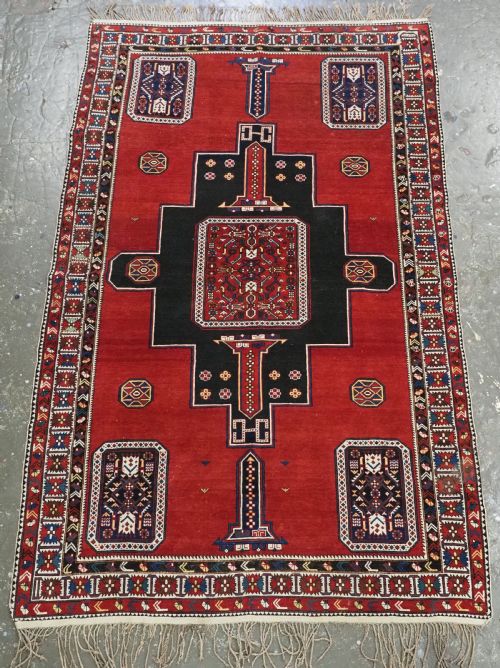
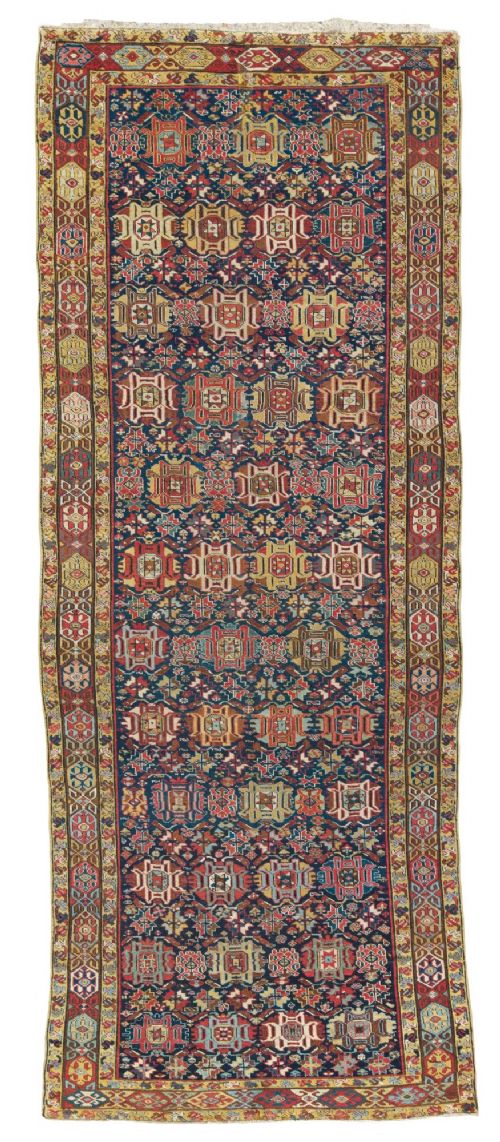
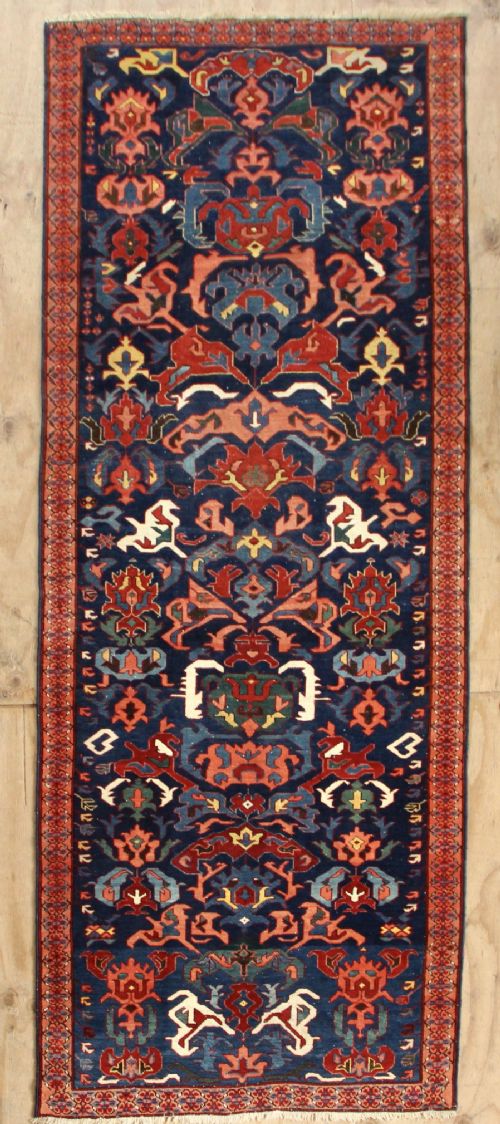
An antique kuba rug originates from the Eastern Caucasus, specifically the Kuba region, and represents a distinct tradition within Caucasian tribal weaving. These textiles encompass various formats, including standard area rugs, long runners, prayer rugs, and larger carpets dating from the eighteenth century through to the early twentieth century.
The designs found on these pieces typically feature intricate geometric motifs, repeating lattices, and specific regional patterns such as Perepedil, Konagkend, Alpan, and Karagashli. Collectors encounter examples displaying medallion structures, cruciform designs, and floral or bird motifs woven with characteristic regional flair.
Most pieces available on the market date from the nineteenth century and the decades immediately following around nineteen hundred. They serve both as decorative floor coverings and as historical textile artefacts reflecting the distinct cultural output of Caucasian villages.
Materials and Construction Techniques
The construction of these textiles relies entirely on wool, utilised for both the foundational warp and weft threads as well as the dense surface pile. Weavers employed traditional hand-knotting techniques to achieve a fine, durable weave that defines the structural integrity of each piece.
Flatwoven variants such as kilims and soumaks utilise alternative interlacing and wrapping methods without a cut pile, creating a lighter structure. The application of natural dyes produces the varied palettes seen across the region, ranging from bright primary tones to soft, faded hues.
Listings for this phrase include wool rugs, runners, flatwoven kilims, and soumaks originating from the nineteenth and early twentieth centuries.
Distinguishing Quality and Execution
The degree of fineness in the weave largely dictates the precision of the geometric motifs and the overall clarity of the design. Dense knotting allows complex patterns like the Alpan or Perepedil lattices to render with sharp definition.
Condition and pile retention significantly influence the integrity of a textile, alongside the harmonious ageing of the wool and dyes. Pieces exhibiting strong structural survival and well-preserved colour relationships stand apart within the surviving corpus.
The Antique Kuba Rug Glossary
- Kuba
- A geographic region in the Eastern Caucasus known for producing distinctive woven carpets and rugs with precise geometric designs.
- Soumak
- A flatweave technique involving wrapped supplementary weft threads that create a durable structure without a traditional cut pile.
- Konagkend
- A specific design attribution associated with the Kuba region, often characterised by distinct medallion formations and structured layouts.
- Perepedil
- A traditional Kuba pattern recognised by hooked motifs and rams-horn elements arranged across the field.
- Afshan
- A repeating floral lattice design frequently utilised in Caucasian carpets and Kuba region rugs.
Antique Kuba Rug: Frequently Asked Questions
How do I identify a Kuba rug?
Look for characteristic Caucasian geometric organisation, specific regional patterns like Perepedil or Karagashli, and wool construction typical of the Eastern Caucasus.
Examining the weave density and palette helps distinguish these regional pieces from other Caucasian tribal rugs.
What is the difference between a rug and a soumak?
A standard rug utilises a cut wool pile knotted onto a foundation, whereas a soumak is a flatwoven textile created by wrapping threads around the warp.
This structural difference gives soumak pieces a thinner, firmer handle compared to piled carpets.
How should I care for an antique textile?
Protect the piece from direct sunlight to prevent the natural wool colours from fading over time. Use a suitable underlay to reduce friction and vacuum gently without using a rotating brush bar.
Professional cleaning by a specialist familiar with antique Oriental rugs remains essential for long-term maintenance.
When were these carpets made?
The surviving examples span from the eighteenth century through to the early decades of the twentieth century. The majority encountered today date from the nineteenth century, including pieces from the eighteen-eighties and eighteen-nineties.
Dated inscriptions occasionally appear on specific examples, confirming their exact period of manufacture.