
Antique Kitchen Prep Table
These antique kitchen prep tables bring honest working timber and practical utility straight into a modern domestic room.
Identifying an antique kitchen prep table
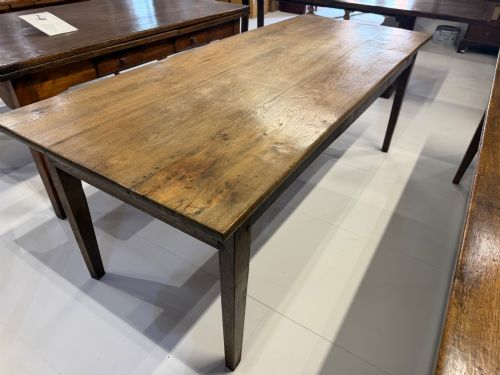
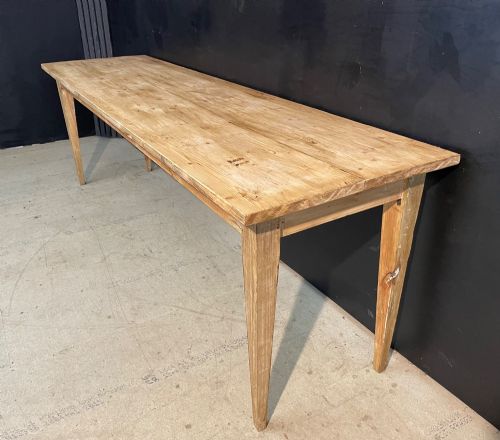
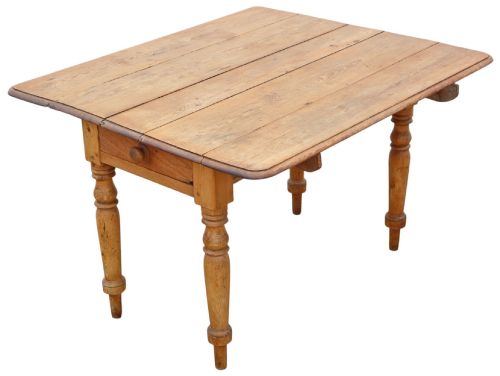
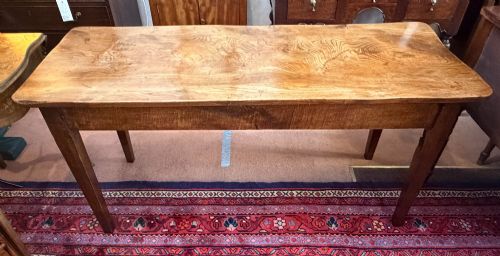
An antique kitchen prep table serves as a heavy-duty working surface designed for heavy culinary tasks like baking, butchery, and vegetable preparation. When you search for an antique kitchen prep table, you will encounter forms ranging from French drapers tables and Irish or Welsh pine work tables to substantial butchers blocks andServers.
The pieces on this page span the 18th, 19th, and early 20th centuries, originating from English, Welsh, French, and Hungarian workshops. You are most likely to meet rustic farmhouse tables and utilitarian servers constructed from sturdy softwood and hardwood timbers.
Makers originally built these tables for intense domestic or commercial labour rather than formal dining. Their enduring appeal lies in the scars of daily work, deeply scrubbed tops, and practical drawers that retain their original utility.
Materials and construction methods
Carpenters built these working tables using accessible, robust timbers like pine, oak, ash, and other hardwoods suited to bearing heavy loads. Joinery relies on straightforward, sturdy methods designed to withstand constant pressure and vigorous daily movement.
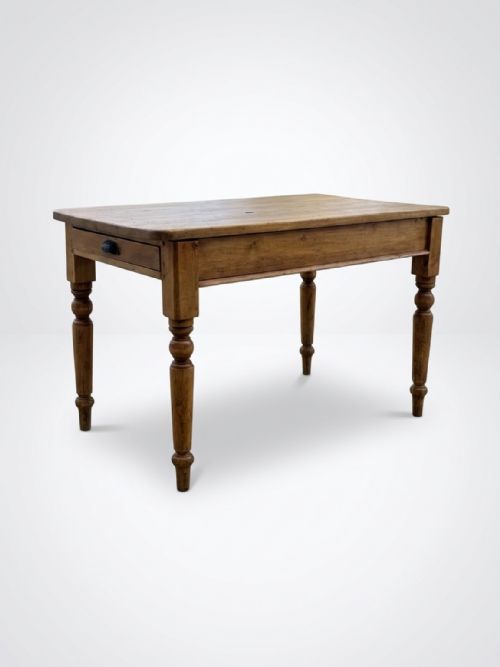
Surfaces often feature thick timber boards left unvarnished or scrubbed clean to handle moisture and kneading, while lower frames occasionally retain traces of old paint or distressed painted finishes. Hardware details such as brass pulls or iron fittings appear selectively where utility demands them.
Retail Price Guide 2026
Typical UK retail prices for kitchen prep table, calculated from the Sellingantiques database of over a million retail prices indexed since 2003. This retail price guide relies exclusively on Sellingantiques data; no external sources or auction records are used, so the figures do not describe the wider market.
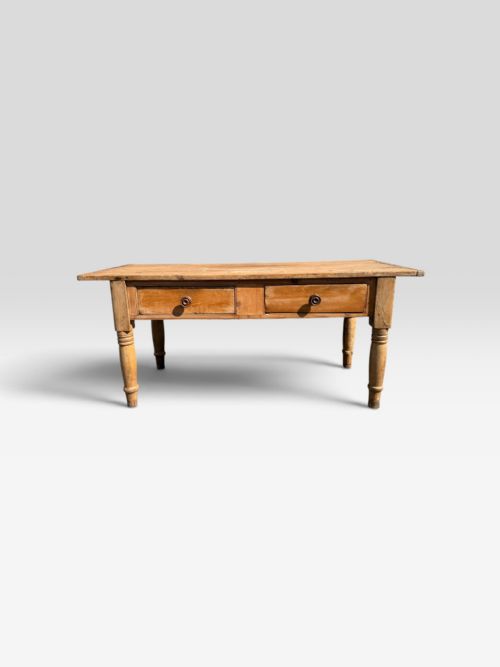
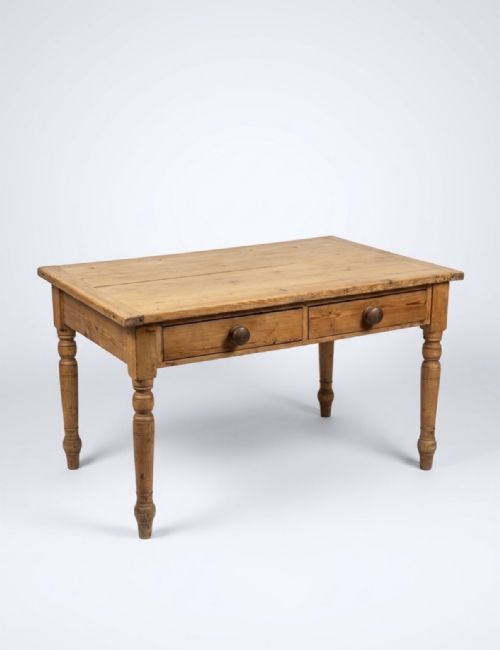
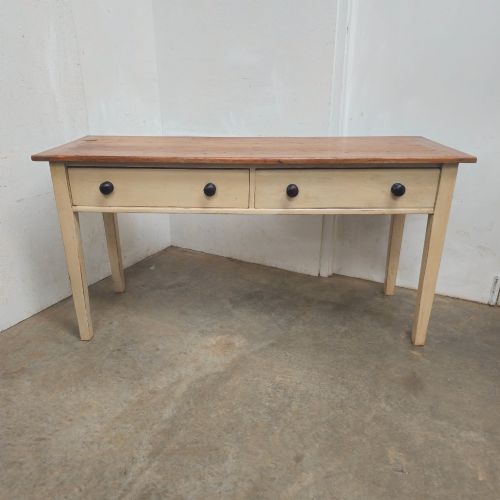
One table comes complete with twin drawers ideal for hiding away modern kitchen clutter.
Assessing quality in working furniture
Quality in a prep table rests upon the integrity of its structural timber and the honesty of its wear. A superior piece exhibits thick, well-seasoned top boards that have survived decades of daily scrubbing without losing their structural stability.
The distinction between a standard utility table and a finer regional example lies in proportion, timber selection, and untouched originality. Tables retaining authentic working surfaces and minimal later restoration hold greater character than those with heavily replaced components.
The Antique Kitchen Prep Table Glossary
- Butchers Block
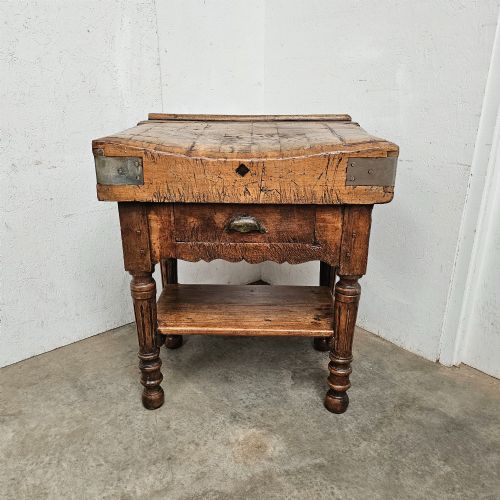
- A thick, solid timber block designed specifically for cutting and preparing meat. These heavy blocks show deep surface scoring from intensive knife work.
- Drapers Table
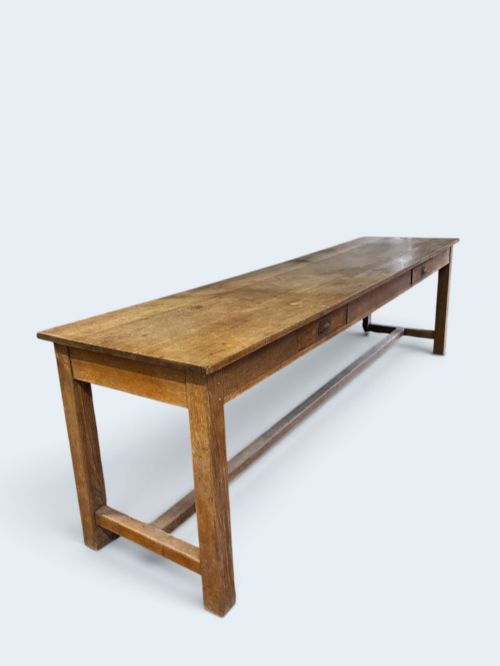
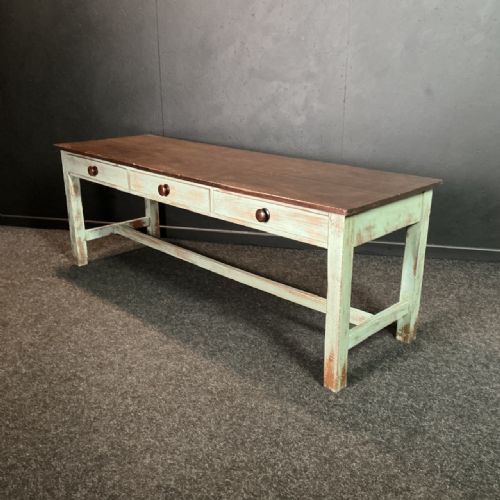
- A long, narrow utility table originally utilised in linen shops for measuring and folding fabric. Their generous length and narrow depth make them exceptionally useful as kitchen islands.
- Primitive
- A descriptive term for furniture built with basic tools and straightforward joinery, focusing entirely on function rather than stylistic refinement. These pieces often originate from rural farmhouses and dairies.
- Scrubbed Top
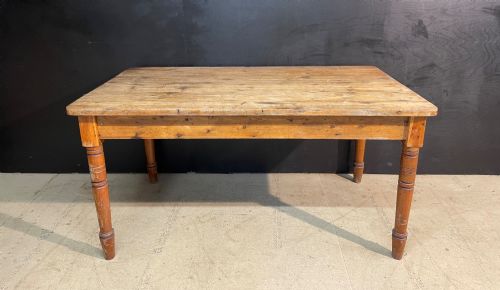
- A timber table surface that has been repeatedly washed and scrubbed over generations to maintain hygiene. This process leaves the grain raised and pale, displaying a smooth, weathered texture.
Frequently Asked Questions
How were these tables used?
These tables served as the central workstation for daily food preparation, pastry rolling, and meat butchery in large kitchens, dairies, and shops. Domestic staff and tradespeople relied on their sturdy surfaces for hours of continuous labour.
Over decades of heavy use, the timber absorbed the marks of everyday chores, creating the characteristic worn surfaces collectors value today.
Can I use an antique prep table daily?
Yes, these pieces were originally engineered for heavy manual work and remain remarkably robust for modern kitchen use. Their solid timber construction easily accommodates everyday cooking tasks.
Applying a simple food-safe oil or wax helps protect the aged wood from moisture while preserving its historic matte finish.
How do I identify a Welsh pine table?
Welsh pine tables typically feature local softwood timbers combined with simple, honest joinery characteristic of rural workshop production. They often display deep patina and regional proportions suited to cottage kitchens.
Examining the underside and drawer construction reveals hand-cut elements distinct from mass-produced factory furniture.
What is a drapers table?
A drapers table is a long, narrow antique table originally built for retail shops to display and measure bolts of cloth. Their slender proportions suit narrow kitchens and hallways perfectly.
Many examples include lower undertiers or multiple drawers originally used for storing textiles and ribbons.