




End Grain Chopping Block
An end grain chopping block is a heavy-duty food preparation surface built from vertical wood fibres, offering exceptional durability for demanding kitchens.
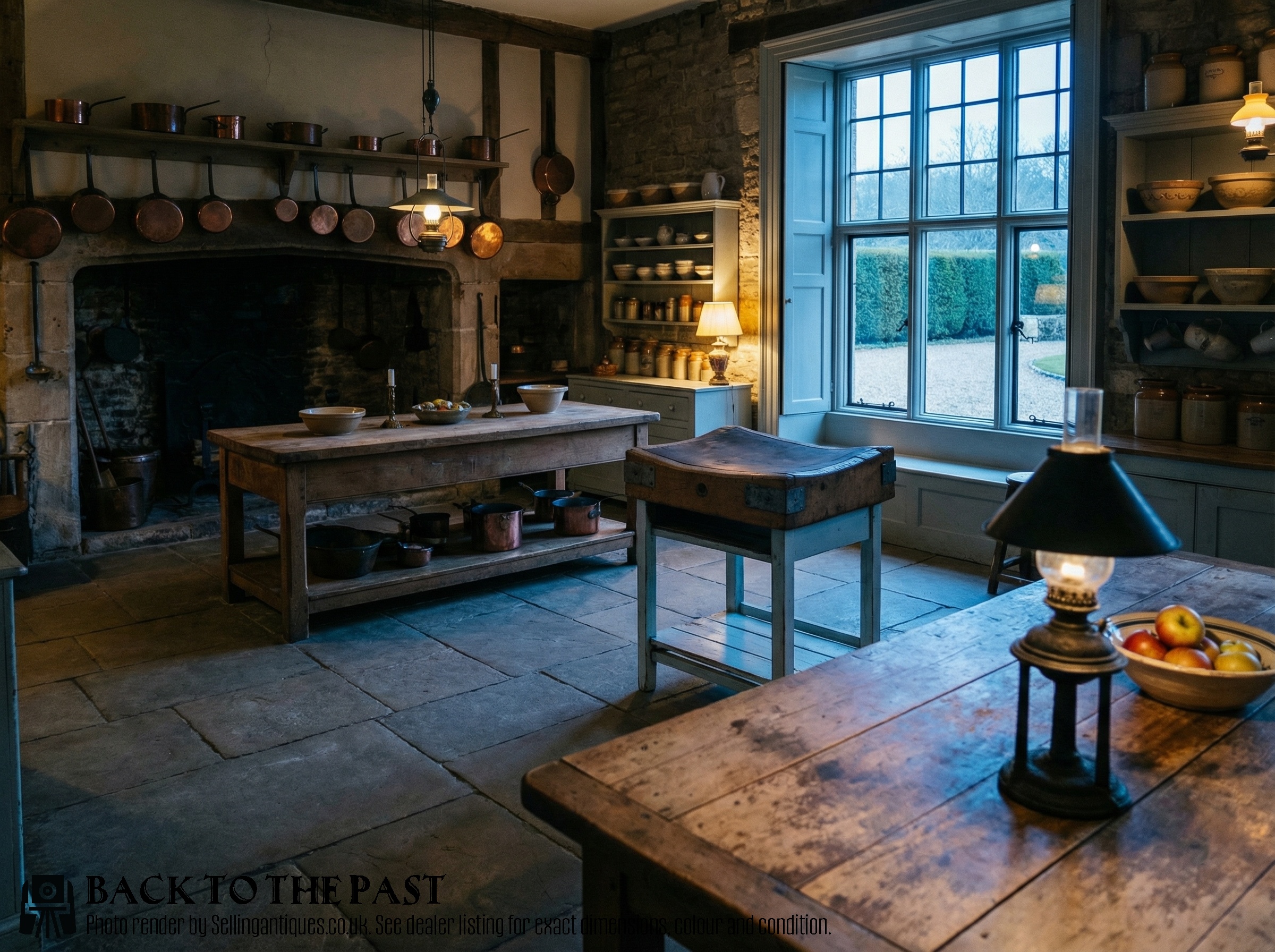
End Grain Chopping Block
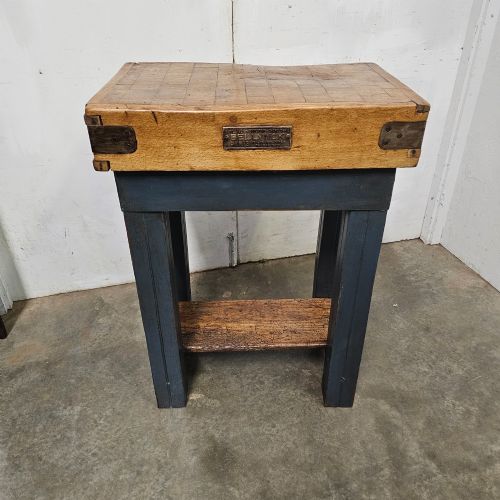
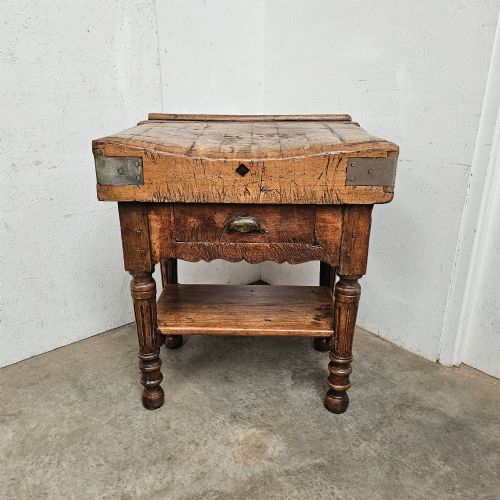
An end grain chopping block is a substantial utility piece designed for heavy food preparation, constructed with vertical wood fibres facing upward to absorb the impact of a cleaver or knife. These heavy-duty tables appear in forms such as butchers blocks and vintage stands, often standing on robust supportive bases.
The versions met on this page span the Victorian era, around 1900, and the mid-twentieth century around 1950. Stylistic variations include French provincial, Victorian industrial, and rustic farmhouse aesthetics.
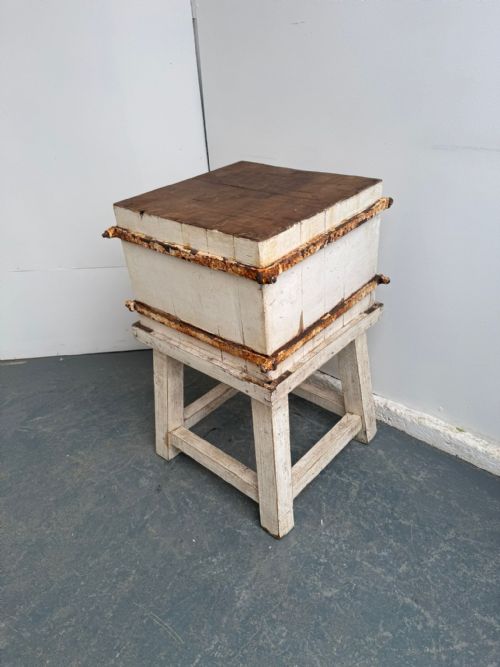
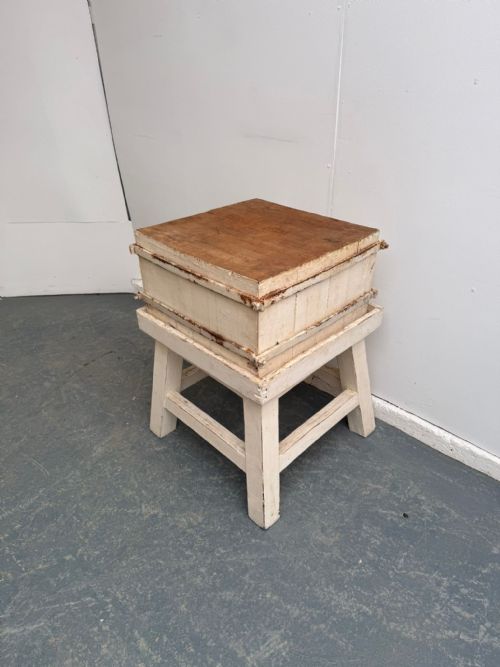
Origins represented in the current stock include French and Hungarian pieces. Surviving examples range from large painted white Victorian specimens to pieces mounted on decorative bases or metal stands.
What Varies in Quality
Quality rests upon the density and selection of the timber used for the block surface, where solid beech and dense hardwoods demonstrate superior longevity compared to softer secondary timbers. The integrity of the original construction determines how well the heavy top integrates with its base.
Distinction also lies in the character of the base, ranging from simple functional legs to decorative bases and industrial metal stands. The presence of original paint finishes and authentic age-related patination elevates the visual merit of the piece.
End Grain Chopping Block Retail Price Guide 2026
Typical asking prices for end grain chopping block among the pieces listed under this phrase on Sellingantiques today, from the lower quarter to the upper quarter. They describe what is for sale here now, not the wider market.
Design styles span French provincial, rustic farmhouse, and Victorian industrial forms.
The End Grain Chopping Block Glossary
- End grain
- The mosaic-like surface formed by cutting timber across the growth rings rather than along them. This orientation allows knife blades to slip between the fibres rather than severing them.
- Butchers block
- A thick, heavy wooden table designed specifically for meat preparation and chopping. These utilitarian pieces typically feature deep working surfaces of solid hardwood.
- Victorian industrial
- A style combining nineteenth-century utilitarian function with robust metal and wood construction. These pieces reflect the heavy-duty engineering requirements of working premises from the period.
- French provincial
- A domestic style originating from regional France, favouring honest construction and practical forms. Pieces in this tradition balance robust utility with simple decorative lines.
End Grain Chopping Block: Frequently Asked Questions
How do I clean an end grain chopping block?
Maintain the surface by scraping away food debris and wiping with a damp cloth and mild soap. Avoid soaking the wood in water to prevent warping or splitting.
Regularly apply food-safe mineral oil or beeswax to nourish the timber and maintain moisture resistance. This preserves the natural grain and prevents the wood from drying out.
Can I use these blocks for daily cooking?
These heavy-duty surfaces are built for serious food preparation, making them ideal for chopping, dicing, and kneading dough. The vertical grain construction absorbs knife impacts effectively.
Keep in mind that their substantial weight means they function best as static kitchen furniture. Position them carefully in the kitchen before loading them with heavy equipment.
How do I date an antique chopping block?
Examine the materials, construction methods, and hardware used in the frame and base. Victorian examples often feature hand-cut joints and heavier timber scantlings compared to mid-twentieth-century pieces.
Look for signs of wear and original paint layers that match historical periods like the nineteenth century or around 1950. Secondary woods and fastener types also provide clues to the manufacturing era.
Are painted bases original to these pieces?
Many utilitarian tables received coats of protective paint during their working lives in commercial shops or large kitchens. White paint was common on Victorian examples to maintain a clean appearance in food preparation areas.
Evaluate the paint for age-related crackle, wear patterns, and underlying timber adherence. Authentic vintage surfaces show natural patination accumulated through years of practical use.