


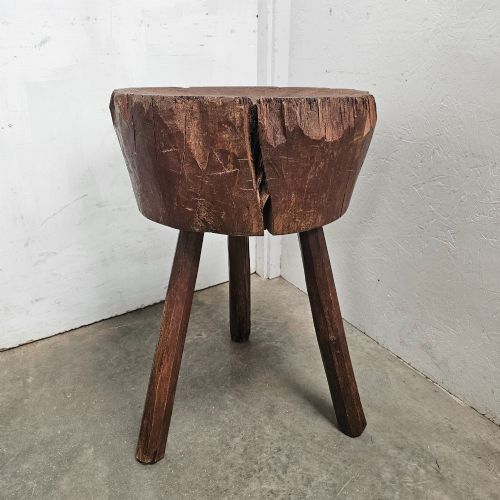


Wooden Chopping Block
These wooden chopping block pieces are heavy working surfaces built from beech, elm, and oak for practical kitchen preparation.
Wooden Chopping Block
When you search for a wooden chopping block, you are looking at heavy utility tables and preparation surfaces built for kitchen and food preparation use. These pieces span the 19th Century, Victorian period, and the early decades of the 20th Century, originating primarily from French provincial settings.
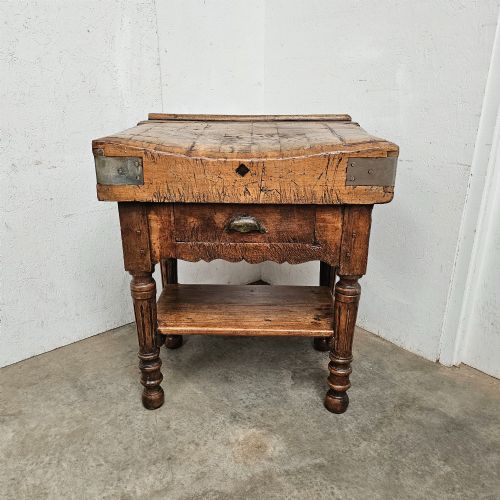
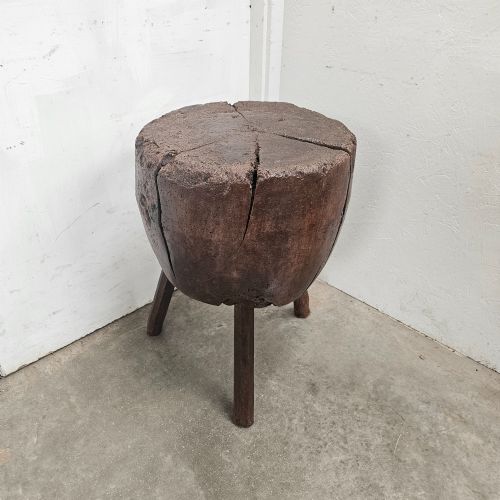
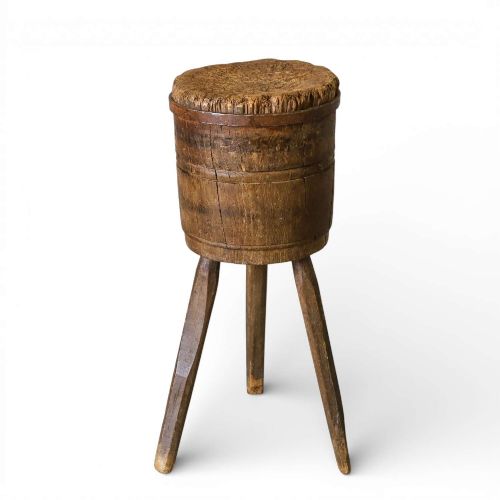
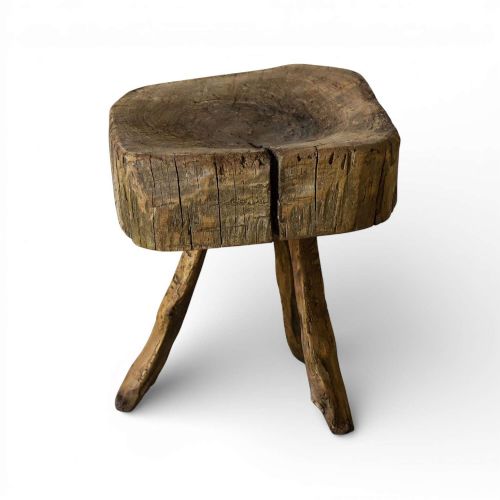
The selection on this page centres on sturdy butcher blocks, kitchen islands, and game blocks shaped in rustic country, French provincial, and vernacular rural styles. You will frequently encounter forms mounted on original stands, decorative bases, or gnarled legs.
Materials range from dense beech and elm to oak and hardwood, sometimes paired with iron and metal elements. These items served demanding daily roles in kitchens and shops before entering the decorative sphere.
How they were made
Constructed from thick blocks of hardwood such as beech, elm, and oak, these surfaces were built to withstand heavy pounding and chopping. Carpenters and rural makers utilised durable timber ends and joints to create stable, solid working slabs.
Many examples are supported by bespoke stands, iron hardware, or original gnarled wooden legs that elevate the heavy top. The joinery reflects practical vernacular traditions intended for endurance rather than delicate display.
Wooden Chopping Block Retail Price Guide 2026
Typical asking prices for wooden chopping block among the pieces listed under this phrase on Sellingantiques today, from the lower quarter to the upper quarter. They describe what is for sale here now, not the wider market.
Periods represented include the 19th Century, Victorian era, and the 1920s, 1930s, and 1950s.
What varies in quality
The distinction between items lies in the choice of timber density, such as heavy beech versus mixed hardwood, and the integrity of the original base. Pieces retaining their early stands or gnarled legs carry greater architectural presence.
Proportion and surface patination separate standard utility examples from sculptural, highly patinated game blocks and charcuterie surfaces. The depth of the wooden block itself and the character of the grain dictate the visual weight of the piece.
The Wooden Chopping Block Glossary
- Butchers Block
- A thick, heavy wooden table traditionally used for meat preparation. These surfaces display deep end-grain or face-grain construction designed for heavy chopping.
- Game Block
- A specialised heavy wooden block used historically for dressing game. These are often compact and dense in form.
- Vernacular Rural Style
- Furniture built by local tradespeople using regional traditions and available materials. This approach prioritises utilitarian function over academic design styles.
- French Provincial
- Domestic furniture styles originating from the regions of France outside Paris. These designs combine rural practicality with simple decorative shaping.
Wooden Chopping Block: Frequently Asked Questions
What is a wooden chopping block?
A wooden chopping block is a heavy utilitarian table built from dense timbers like beech, elm, and oak for food preparation.
Historically used in butcher shops and large kitchens, these surfaces were designed to endure heavy daily chopping and cutting.
How do I date a wooden chopping block?
Dating relies on construction methods, timber types, and the design of the supporting base or legs.
Pieces from the 19th Century and early 20th Century often feature hand-worked iron elements and vernacular frames characteristic of French provincial workshops.
Are these blocks suitable for modern kitchens?
These blocks function well as central kitchen islands, preparation tables, or freestanding decorative surfaces in modern homes.
Their solid wooden construction provides a durable workspace and strong architectural character.
What materials are used in these blocks?
The primary materials include dense hardwoods such as beech, oak, elm, hornbeam, and general timber.
Many examples incorporate iron and metal bracing or hardware to secure the heavy wooden components.