

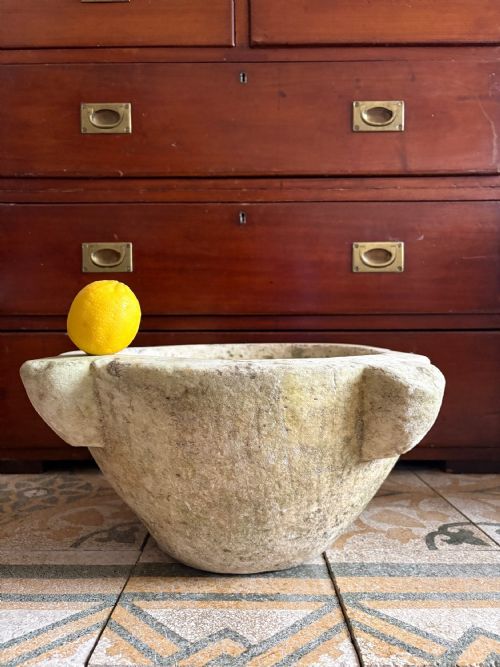


Antique Kitchen Mortar
An antique kitchen mortar is a heavy vessel built to grind spices and herbs, prized for its sheer utility and tactile presence.
Antique Kitchen Mortar
An antique kitchen mortar is a heavy vessel designed for grinding and pounding herbs, spices, and medical ingredients. When you search for this phrase, you will encounter diverse forms ranging from domestic kitchenware to apothecary tools.
The pieces on this page span the seventeenth, eighteenth, and nineteenth centuries, alongside Edwardian examples and specific dates like seventeen fifty and eighteen fifty. You are most likely to meet bronze, marble, and wood versions originating from English and French kitchens.
Forms include standalone bowls as well as complete pairs with matching pestles, and occasional variants like treen bowls or herb chopper bowls. They cross stylistic boundaries from rustic country and Georgian to French provincial and Victorian.
How they were made
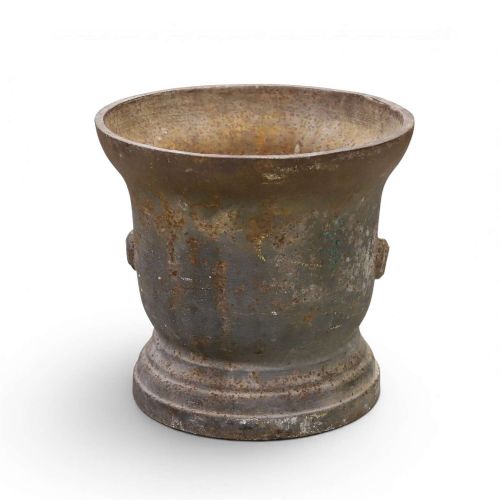
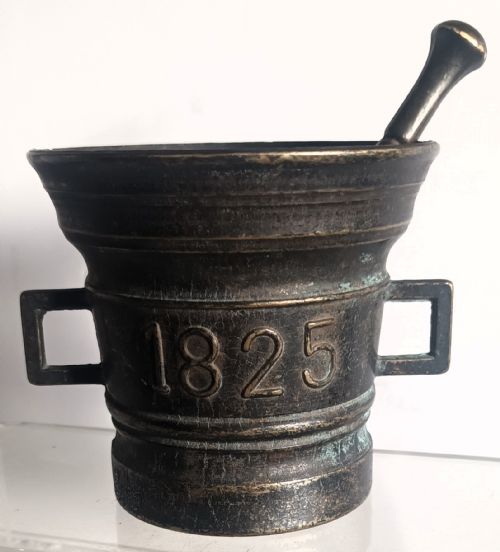
Metals such as bronze, brass, and cast iron were poured into moulds and finished by hand, yielding thick walls designed to absorb the heavy impact of a pestle. These metallic vessels often display surface tooling and casting seams from their period of manufacture.
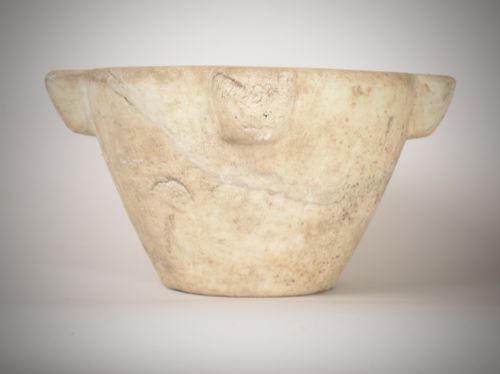
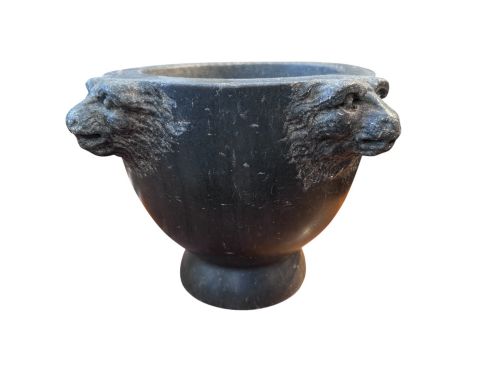
Stone pieces, including white marble and basalt, were carved from solid blocks to create heavy, non-porous bowls capable of withstanding vigorous friction. Wood versions like walnut, fruitwood, beech, sycamore, and treen were turned on lathes or carved from single sections of timber.
Antique Kitchen Mortar Retail Price Guide 2026
Typical asking prices for kitchen mortar among the pieces listed under this phrase on Sellingantiques today, from the lower quarter to the upper quarter. They describe what is for sale here now, not the wider market.
Listings feature materials spanning bronze, marble, stone, brass, cast iron, walnut, basalt, ceramic, and fruitwood across several centuries.
What varies in quality
Quality rests in the integrity of the material and the harmony of proportion between the vessel and its pestle. Heavier stone and dense bronze examples demonstrate superior craftsmanship compared to lighter utility pieces.
The clarity of form, such as well-defined mouldings on metal or clean carving lines in marble and wood, separates ordinary utility items from finer examples of period kitchenware.
The Antique Kitchen Mortar Glossary
- Mortar
- A heavy bowl used with a pestle for pounding and grinding substances. It forms the primary vessel in kitchen and apothecary settings.
- Pestle
- A heavy tool with a rounded end used for crushing and grinding materials against the interior of a mortar. Surviving matched pairs are particularly valued.
- Treen
- Small handmade wooden domestic objects. These items include bowls and mortars turned from fruitwood or sycamore.
- Apothecary
- A historical practitioner who prepared and sold medicines. Many mortars served a dual purpose in both kitchens and chemist shops.
- Basalt
- A dense, dark volcanic rock utilised for heavy grinding vessels. It provides a durable, non-porous surface for pharmaceutical and culinary tasks.
Antique Kitchen Mortar: Frequently Asked Questions
How were antique mortars used?
These vessels were employed daily to crush dried herbs, grind spices, and prepare medicinal compounds in both domestic kitchens and apothecary shops.
The heavy pestle ground ingredients against the dense interior walls, reducing roots and seeds into fine powders before the advent of modern food processors.
Can I still use an antique mortar?
Many stone and metal versions remain entirely functional for grinding dry spices and pestle work today.
Wooden and porous stone vessels require careful handling and cleaning to preserve the historic material while preparing food.
How do I date an antique mortar?
Dating relies on identifying the material, manufacturing technique, and stylistic markers associated with periods like the seventeenth or eighteenth century.
Cast bronze often carries period-specific shaping, while turned treen displays tool marks characteristic of seventeenth or nineteenth-century woodshops.
What is the difference between kitchen and apothecary mortars?
Kitchen mortars generally focused on culinary food preparation, whilst apothecary examples were built for chemists to compound medicines.
In practice, many robust bronze and ceramic pieces crossed between domestic kitchens and chemist use over their long lifespans.