


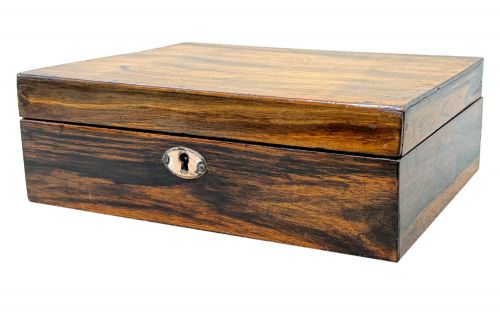

Antique Jewellery Storage
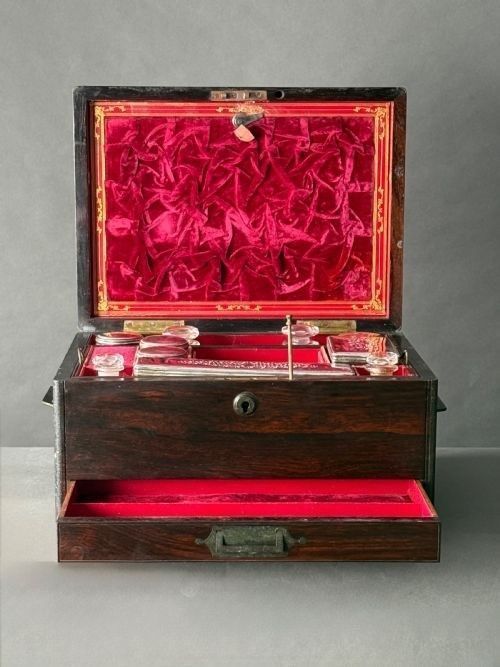
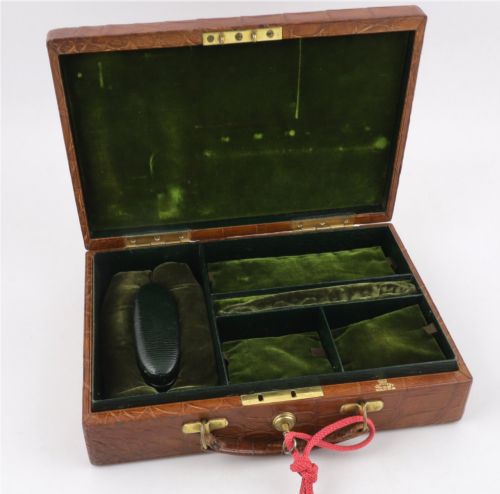
Antique jewellery storage comprises boxes and miniature chests designed to protect precious trinkets, spanning Georgian rosewood, Victorian walnut, and Edwardian leather.
Antique Jewellery Storage
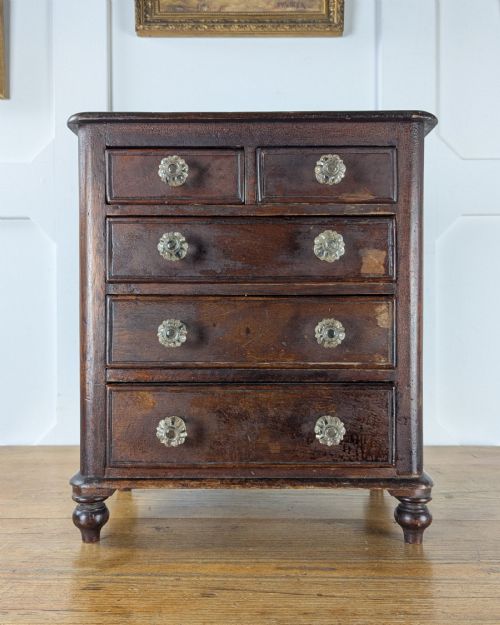
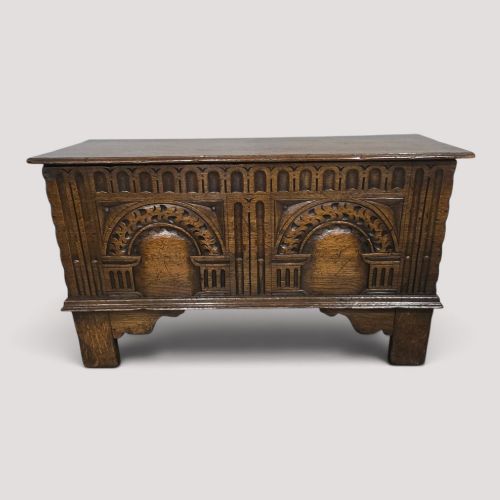
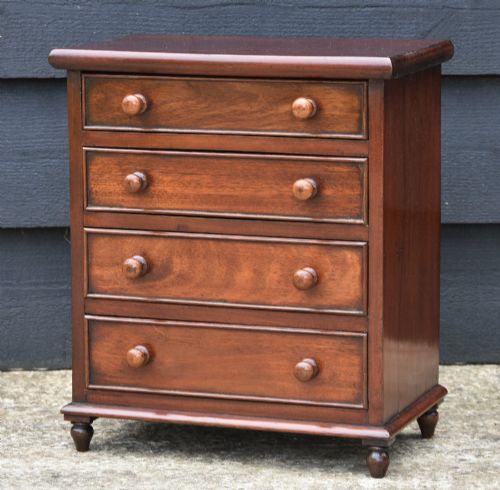
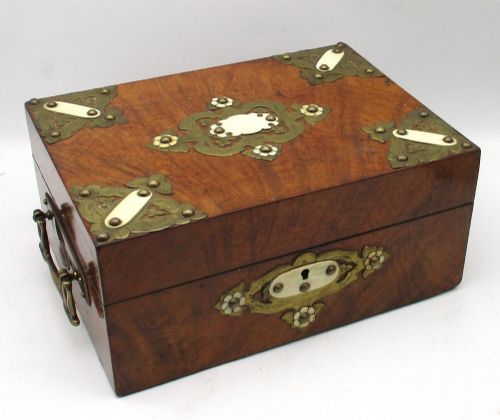
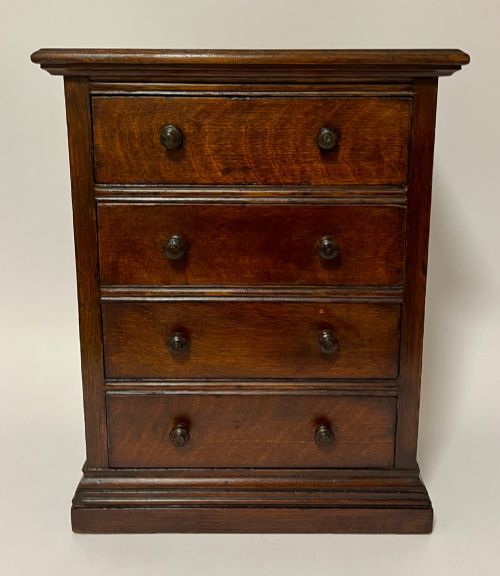
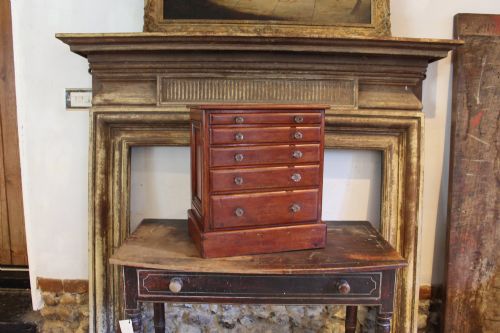
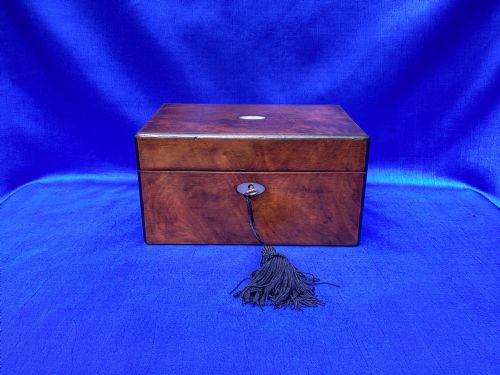
When searching for antique jewellery storage, buyers encounter a diverse selection of specialist containers spanning the eighteenth, nineteenth, and early twentieth centuries. The objects range from fitted work boxes and velvet-lined caskets to miniature chests of drawers and tabletop cabinets, reflecting varied domestic storage requirements.
The versions most frequently met on this page are Victorian mahogany and rosewood boxes, alongside miniature apprentice pieces in oak and walnut. These containers originate from British workshops as well as continental and international makers, showcasing styles from Georgian simplicity to Arts and Crafts craftsmanship.
Materials and Construction
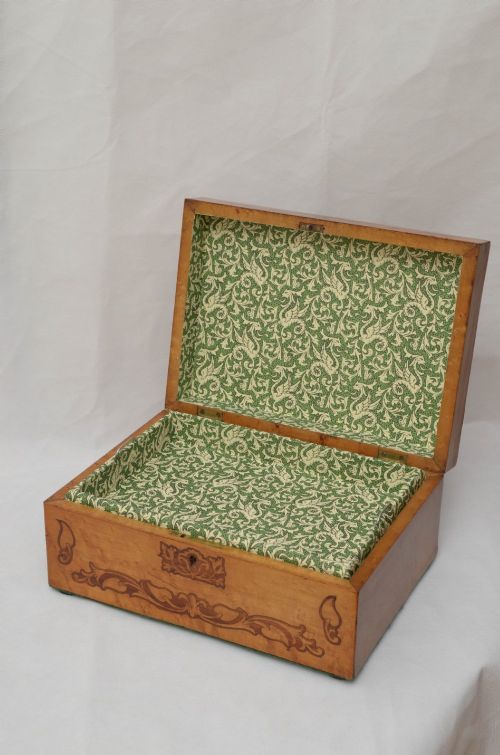
Cabinet makers utilised dense hardwoods such as mahogany, rosewood, walnut, and oak for structural carcasses, often applying decorative veneers like bird's eye maple, burr yew, and kingwood. Surface enrichment involved meticulous techniques including mother-of-pearl inlay, tulipwood stringing, and Tunbridge ware mosaic work.
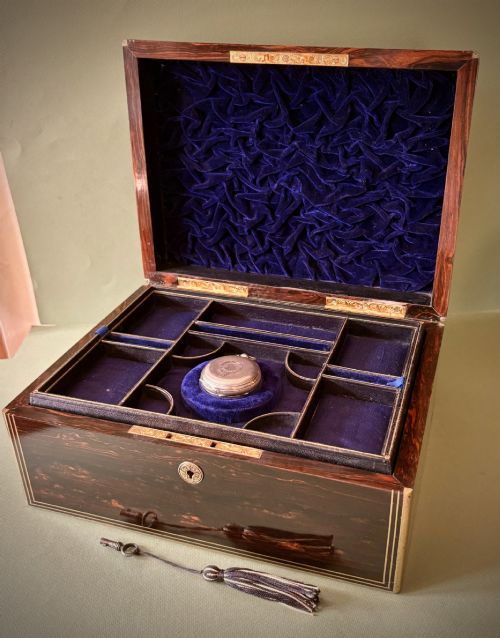
Interiors typically featured fitted trays lined with velvet or leather, complemented by brass campaign handles, escutcheons, and working locks. Construction methods relied on precise dovetail joints and solid timber linings to ensure durability.
Listings feature woods including rosewood, mahogany, walnut, oak, and coromandel, alongside brass, leather, and velvet.
Markers of Excellence
Quality separates through the integrity of timber selection and the precision of decorative inlays such as tulipwood or mother-of-pearl. Pieces displaying superior craftsmanship feature tightly fitted internal trays, original brass hardware, and cleanly executed dovetail joints.
The refinement of surface finish and the preservation of original velvet or leather linings further distinguish finer examples. Lesser pieces exhibit crude repairs, mismatched timbers, or replacement hardware that compromises historical cohesion.
J C Vickery
The Antique Jewellery Storage Glossary
- Apprentice piece
- A miniature item of furniture demonstrated by a craftsman to prove skill before gaining guild admission. These pieces often doubled as functional tabletop jewellery chests.
- Tunbridge ware
- A form of decorative woodworking originating in Kent, characterised by intricate mosaic patterns assembled from thousands of tiny wood blocks to form geometric or pictorial scenes.
- Cartouche
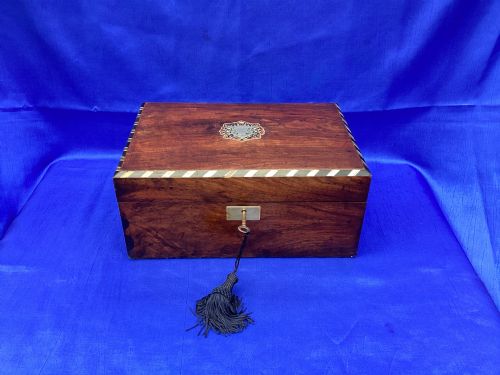
- An ornamental panel, often shaped like an unfurled scroll or shield, placed upon box lids for heraldic engraving or initials.
- Campaign box
- Portable furniture made for military officers on active service, featuring recessed brass handles and reinforced corners for transit.
- Casket
- A small, ornate box designed for holding valuables, distinguished from standard utility boxes by more decorative construction.
Antique Jewellery Storage: Frequently Asked Questions
What were antique miniature chests used for?
Miniature chests served primarily as tabletop repositories for small valuables, rings, and personal documents. Wealthy households utilised them in private chambers where full-sized furniture proved impractical.
Craftsmen also produced them as demonstration pieces to exhibit advanced woodworking proficiency to potential employers or guild masters.
How do I care for velvet box linings?
Velvet linings require gentle treatment to preserve the delicate pile against flattening and dust accumulation. Use a soft-bristled brush to remove surface debris without abrading the textile.
Keep antique boxes away from direct sunlight and excessive humidity to prevent the underlying wood from warping and the fabric from fading.
Are keys usually included with these boxes?
Many antique boxes survive without their original keys due to centuries of displacement during house moves. Locks frequently remain functional, allowing specialist locksmiths to cut replacement keys if desired.
Collectors often accept missing keys as a normal consequence of age, provided the escutcheons and mechanisms remain intact.