




Antique Jewellery Storage Box
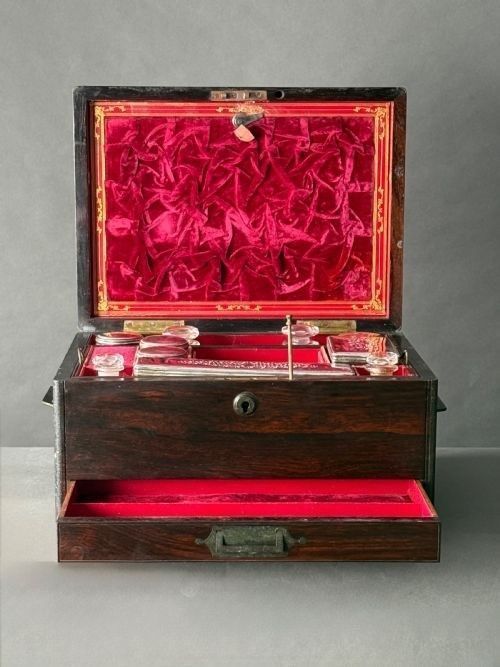
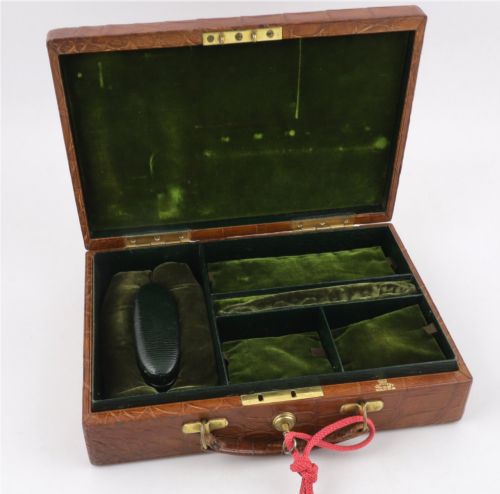
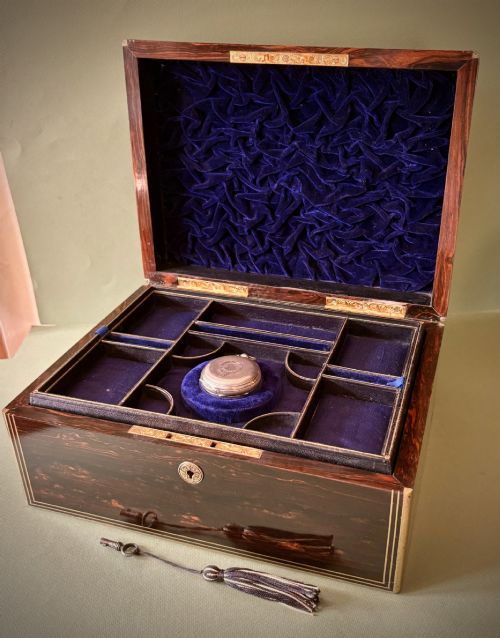
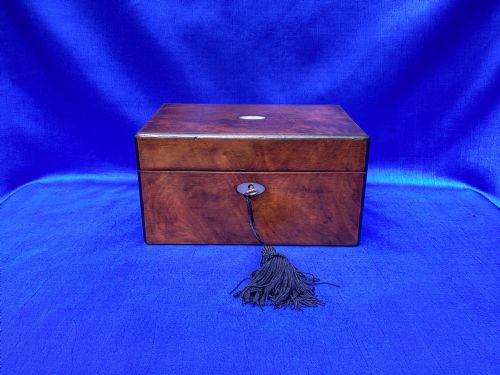
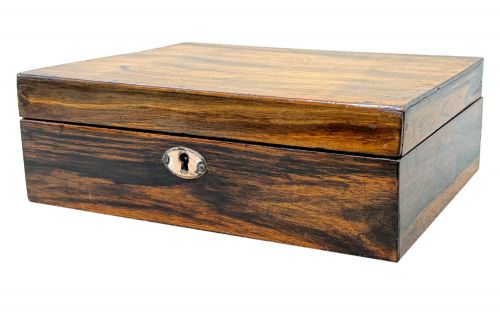
These antique jewellery storage box examples are timber and leather caskets designed to hold precious trinkets, most frequently encountered in Victorian rosewood and mahogany.
Antique Jewellery Storage Box
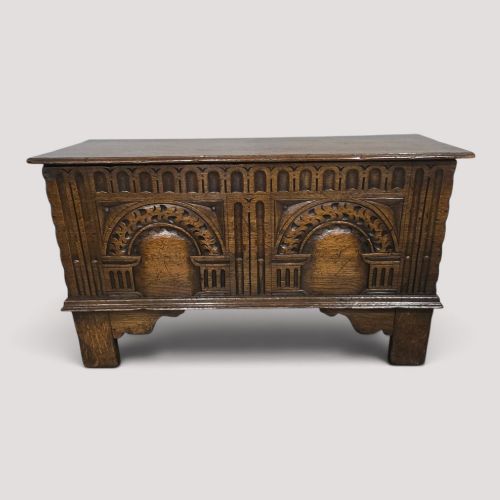
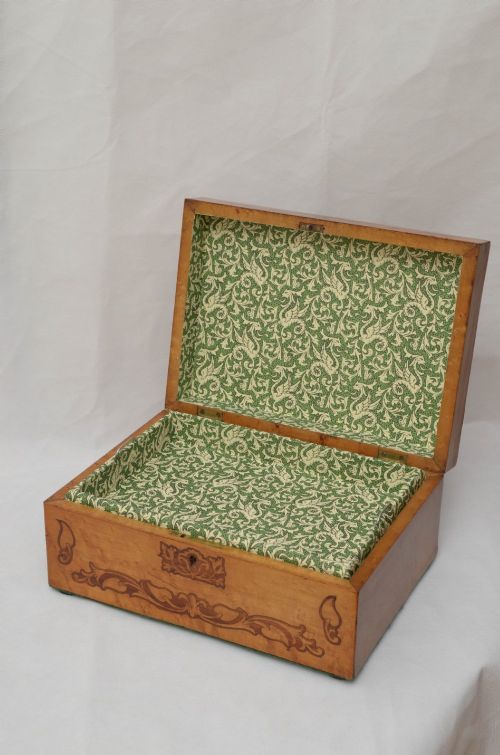
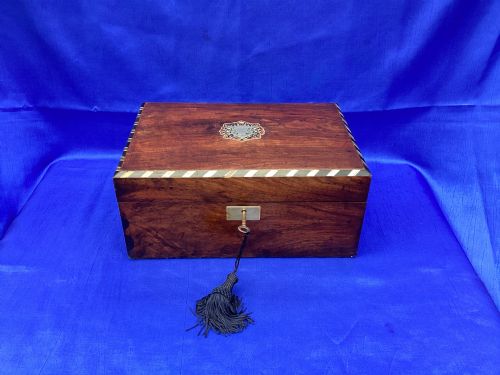
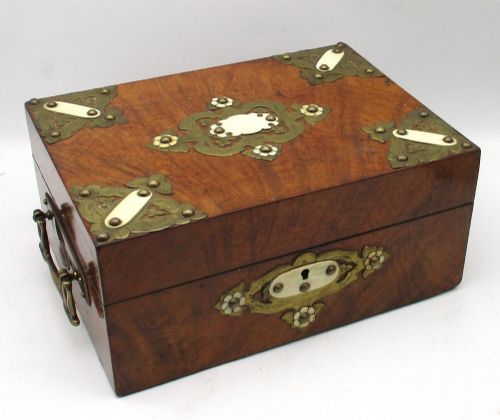
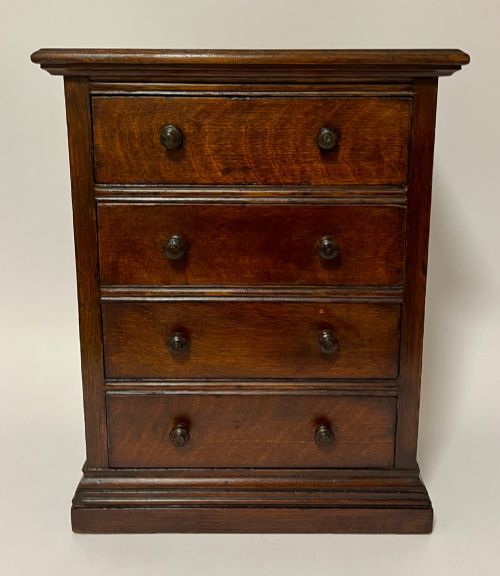
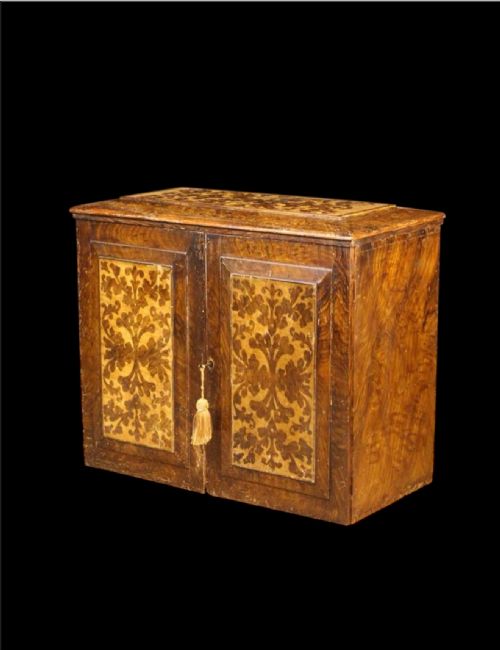
When you search for an antique jewellery storage box, you enter a field dominated by nineteenth-century examples in rosewood, mahogany, and walnut. These containers range from fitted vanity cases with internal trays to miniature chests of drawers and tabletop cabinets.
The most common pieces on this page date from the Victorian period, though earlier Georgian work boxes and later Edwardian leather cases appear frequently. Makers adapted these forms for specific contents, creating dedicated compartments for rings, watches, and cufflinks.
Materials and construction
Cabinet makers utilised dense hardwoods like rosewood, mahogany, and walnut, often applying veneers or intricate marquetry and Tunbridge ware inlay. Interiors were typically lined with velvet or silk to protect delicate items.
Metal accents in brass provided structural reinforcement and secure locks, whilst specialist techniques like mother-of-pearl inlay and tooled leather finishes enhanced the exterior appearance.
Secret compartments hidden behind false drawer bottoms occasionally reward owners with long-forgotten pins.
Distinctions in standard
The distinction between standard pieces and the finest work lies in the precision of the joinery and the complexity of the interior fitting. Fully fitted compartments with working locks and original velvet linings separate superior examples from simpler containers.
Material selection also dictates standard, with burr woods, tortoiseshell, and coromandel commanding greater attention than plain softwood carcasses. The crispness of carved details and the accuracy of stringing and inlay reveal the hand of a skilled cabinet maker.
The Antique Jewellery Storage Box Glossary
- Tunbridge ware
- Woodworking technique involving small pieces of coloured wood glued together to form a mosaic picture or geometric pattern. It is commonly found on nineteenth-century boxes from Kent.
- Campaign box
- Portable furniture or container designed for military travel, fitted with brass corners and recessed carrying handles. These pieces were constructed for durability on the move.
- Marquetry
- Decorative veneer applied to a wooden structure in patterns using various woods, shells, or other materials. It creates intricate pictorial or geometric surface designs.
- Coromandel
- Dense, dark timber imported from Asia, prized for its rich grain and used for high-end nineteenth-century work boxes and vanity cases.
- Cofer
- A small chest or box for valuables, often constructed in oak during the seventeenth or eighteenth centuries.
Antique Jewellery Storage Box: Frequently Asked Questions
What is an antique jewellery storage box?
These pieces are portable wooden or leather containers designed to hold rings, necklaces, and keepsakes securely. They vary from simple lidded caskets to complex tabletop cabinets with multiple drawers.
Cabinet makers produced them across several centuries using regional hardwoods and luxury materials. Many incorporate internal trays and velvet linings tailored for specific items.
How do I date a Victorian box?
Dating relies on timber choices, construction methods, and stylistic cues found within the design. Victorian pieces often use rosewood or mahogany with mother-of-pearl inlay or velvet interiors.
Earlier Georgian versions tend to display simpler mahogany frames with brass carrying handles. Edwardian and later examples frequently utilise leather or crocodile skin finishes.
Were these boxes used for sewing?
Many containers served multiple purposes, functioning interchangeably for needlework and trinkets. Work boxes and sewing cases included specialised compartments for spools, needles, and thimbles.
Owners adapted these velvet-lined spaces to store personal ornaments alongside sewing implements. Removable trays often concealed deeper storage beneath.
What is an apprentice piece?
Apprentice pieces are miniature items of furniture created by trainees to demonstrate their skill to a guild. They replicate full-size chests of drawers or cabinets on a small scale.
These tabletop objects served practical storage functions despite their reduced dimensions. Their meticulous joinery distinguishes them from mass-produced containers.
How should I clean a wooden box?
Maintenance requires gentle dusting with a dry cloth to protect fragile veneers and inlay work. Excessive moisture damages historic wood and degrades original velvet linings.
Applying appropriate wax preserves the patina of hardwoods like walnut and rosewood. Metal hardware benefits from careful cleaning without abrasive agents.