


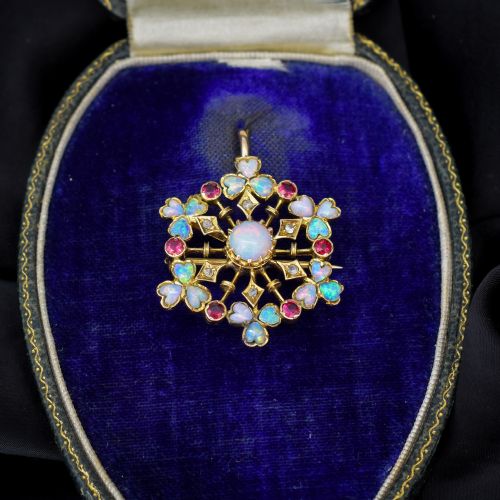
Antique Jewellery Brooch
An antique jewellery brooch brings together centuries of metalwork, stones and enamel, offering wearable history from Georgian, Victorian and Edwardian eras.
Antique Jewellery Brooch
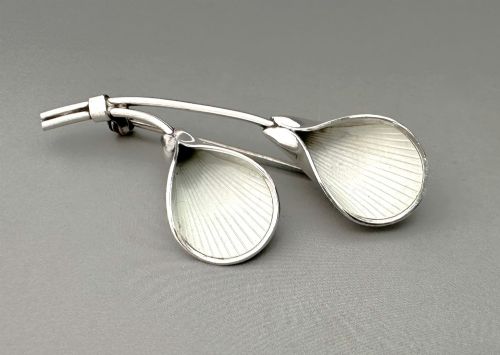
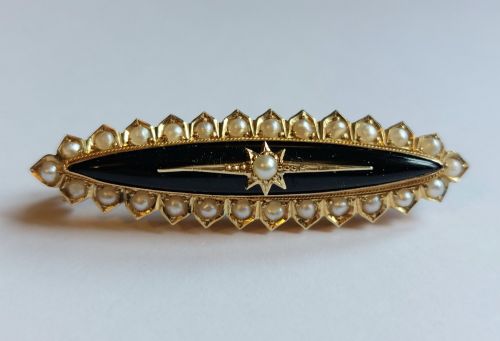
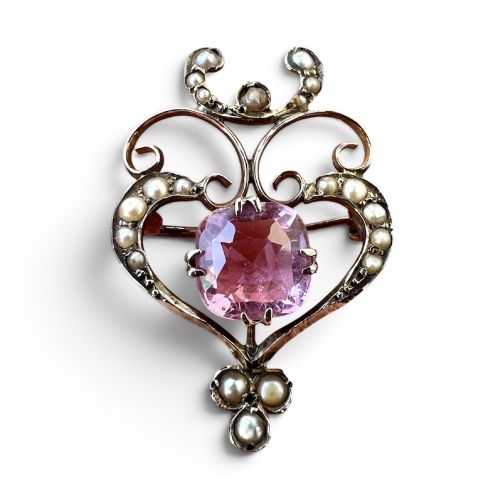
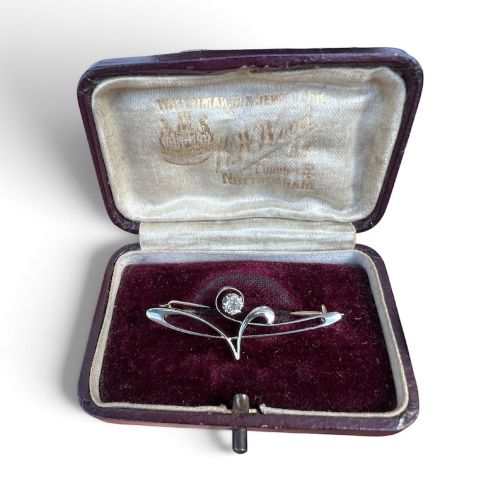
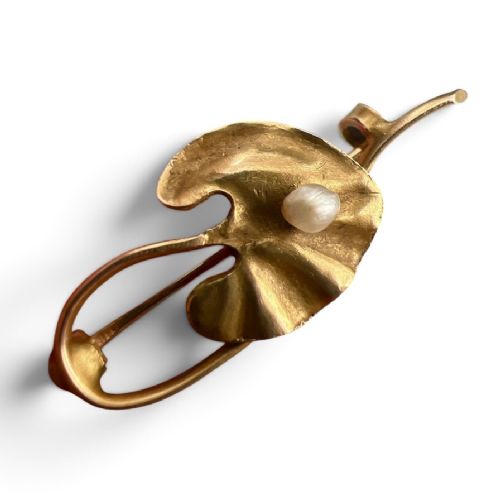
When searching for an antique jewellery brooch, buyers encounter a diverse range of pins, pendants and bar brooches spanning the Georgian, Victorian, Edwardian and Art Deco periods. The selection on this page leans heavily toward Victorian 15ct gold pieces, Edwardian gem-set designs and silver enamel work from the early twentieth century.
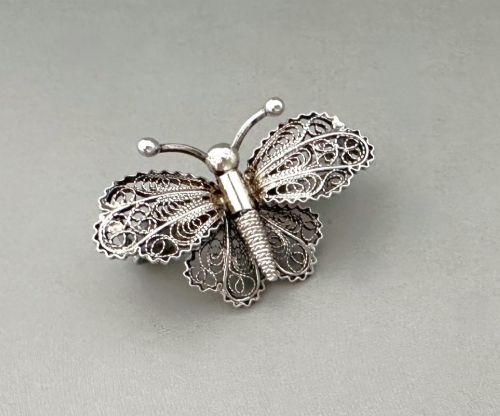
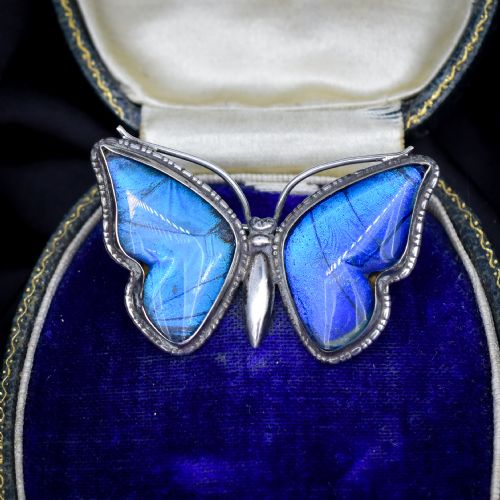
Forms vary from floral sprays and geometric bar brooches to figural animal pins, butterfly wing pieces and Scottish pebble designs. Many examples double as pendants, offering versatile ways to wear these historical ornaments on lapels, chains or collars.
Materials and construction methods
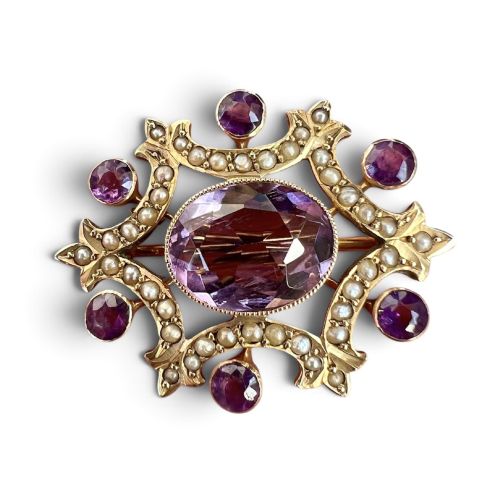
Goldsmiths of the nineteenth and early twentieth centuries relied on 9ct and 15ct gold, sterling silver, and platinum settings to house diamonds, seed pearls, tourmalines, garnets and opals. Casting, filigree work, and hand-cut foil-backed stones define the earlier pieces, while geometric platinum settings characterise later twentieth-century examples.
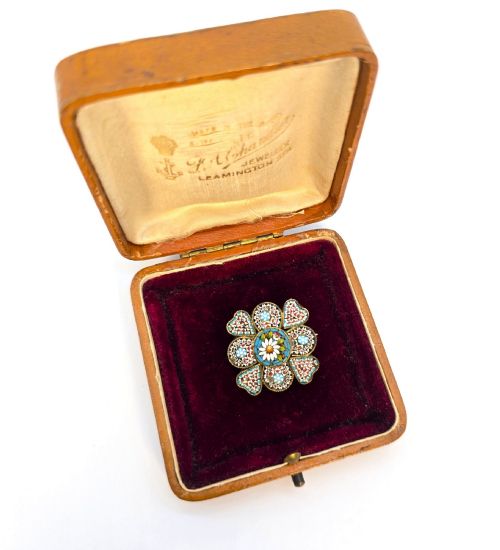
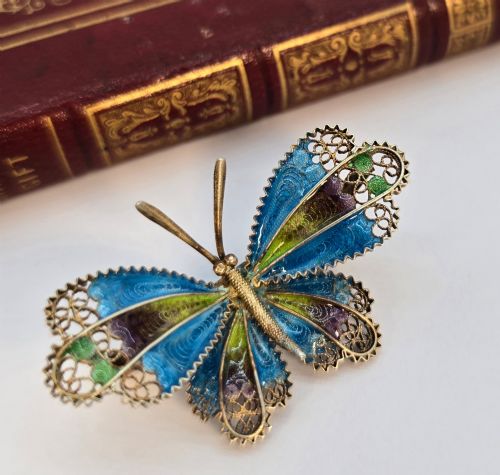
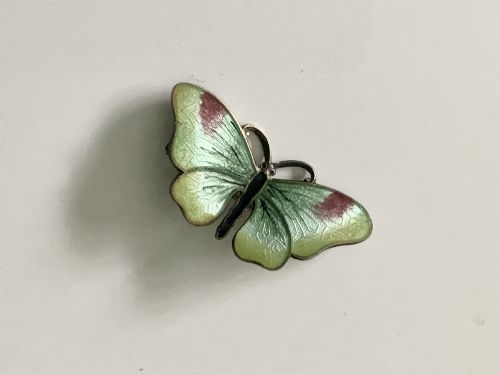
Enamelling techniques, particularly guilloche and vibrant coloured glass applications, bring rich hues to floral and butterfly motifs. Micro mosaic and agate pebble work utilise traditional stone-cutting and tesserae placement rooted in regional artisan traditions.
Antique Jewellery Brooch Retail Price Guide 2026
Typical asking prices for jewellery brooch among the pieces listed under this phrase on Sellingantiques today, from the lower quarter to the upper quarter. They describe what is for sale here now, not the wider market.
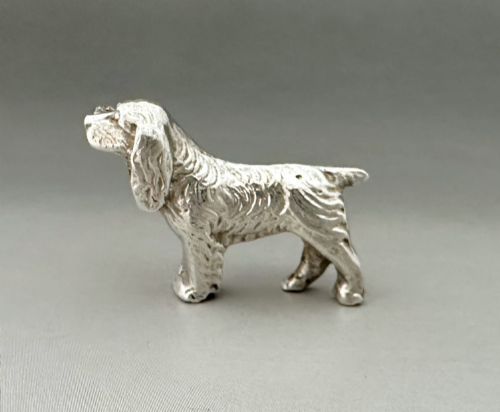
Among the tiny metal insects and winged creatures, a cheerful silver spaniel dog waits patiently for a lapel to call home.
Judging quality in antique brooches
Quality rests upon the crispness of the metalwork, the matching and calibre of the set gemstones, and the preservation of delicate enamel or micro mosaic details. Superior pieces display secure stone settings without excess solder, alongside crisp chasing on gold or silver surfaces.
The integrity of the pin mechanism and hinge also plays a role, though originality of stones and clean hallmarks on gold or silver elevate an item above standard production.
A H Darby & Son·Charles Horner
The Antique Jewellery Brooch Glossary
- Bar brooch
- A narrow horizontal pin format popular across the Victorian and Edwardian periods, often centred with a cluster of gems or pearls.
- Guilloche enamel
- Decorative enamel applied over engine-turned metal engraving, creating repetitive geometric patterns beneath translucent colour.
- Micro mosaic
- Tiny coloured glass tesserae assembled by hand to form pictorial scenes, characteristic of nineteenth-century Italian souvenir jewellery.
- Seed pearl
- Very small natural or saltwater pearls, frequently drilled and strung onto fine hair or wire within Victorian floral cluster designs.
- Silver gilt
- Sterling silver that has been coated with a thin layer of gold, providing a rich yellow finish while maintaining a silver base.
Antique Jewellery Brooch: Frequently Asked Questions
How do I wear an antique brooch securely?
Pin the brooch through a sturdy fabric weave rather than delicate silk or thin cotton to support the weight of the metal and stones.
Many period brooches feature traditional C-clasps or safety pins that require careful placement, and modern pin converters or safety chains can be added for extra security.
Can these brooches be worn as pendants?
Numerous antique designs incorporate hidden loops or hinged bales on the reverse specifically intended for threading onto a chain.
Items listed as pendant brooches offer this dual functionality, allowing a smooth transition from lapel pin to neckpiece.
What is a mourning brooch?
Mourning jewellery was created to commemorate deceased loved ones, often incorporating dark materials such as black onyx, jet or woven hair beneath a glass compartment.
Victorian examples frequently pair these solemn elements with seed pearls to symbolise tears.
How do I date an antique brooch?
Dating relies on a combination of gemstone cuts, metal purity marks, fastening styles and overall design motifs associated with periods like the Georgian era or Art Deco.
Assay office stamps and maker marks on the metal provide definitive manufacturing years where present.