


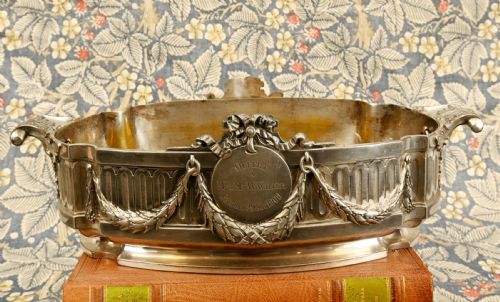

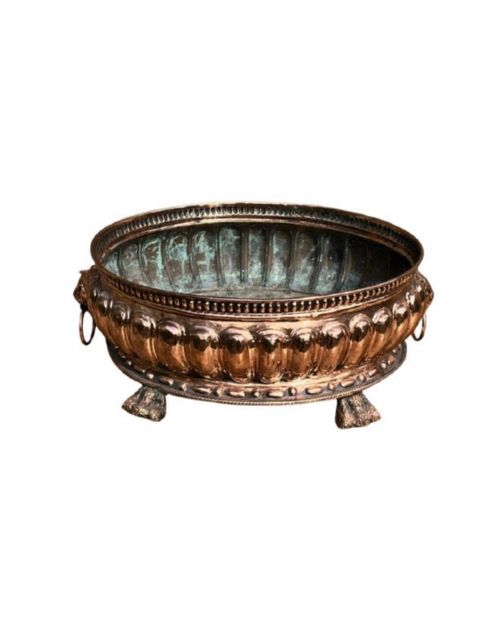


Antique Jardiniere Bowl
An antique jardiniere bowl is a decorative vessel made to hold a potted plant, bringing greenery indoors with sculptural presence.
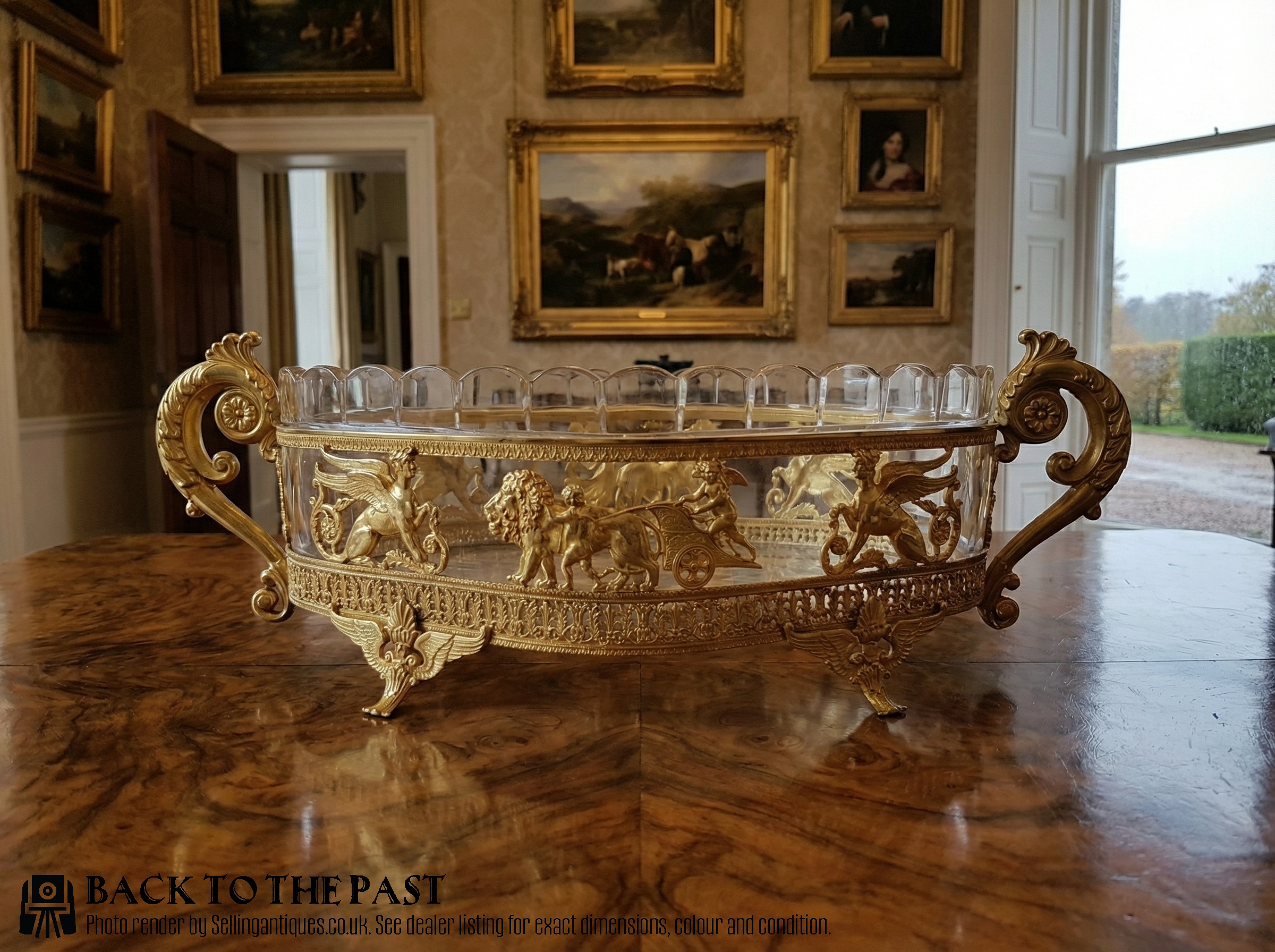
Antique Jardiniere Bowl
An antique jardiniere bowl serves as an ornamental plant holder, designed to sit upon tables, floors or dedicated stands within domestic interiors. When searching for an antique jardiniere bowl, buyers encounter vessels spanning the eighteenth, nineteenth and early twentieth centuries from European, British and Asian workshops.
The selection ranges from heavy cast metals and spun copper to delicate porcelain and earthenware ceramics. Forms frequently overlap with cachepots, wine cisterns and centrepiece bowls, reflecting how multipurpose these large vessels often were in historical homes.
Victorian and Edwardian brass and copper examples appear frequently alongside Chinese export porcelain, Japanese Meiji bronzes and Italian majolica. Buyers select these pieces to house living plants or to display as standalone decorative focal points in a room.
Materials and construction methods
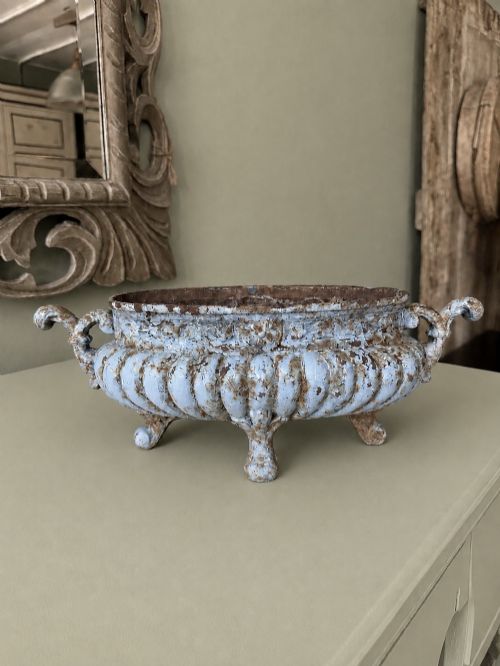
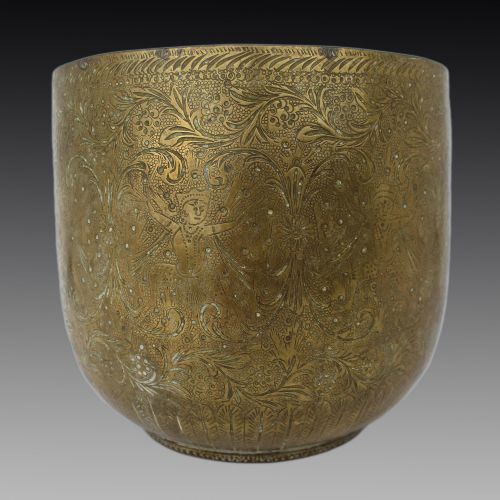
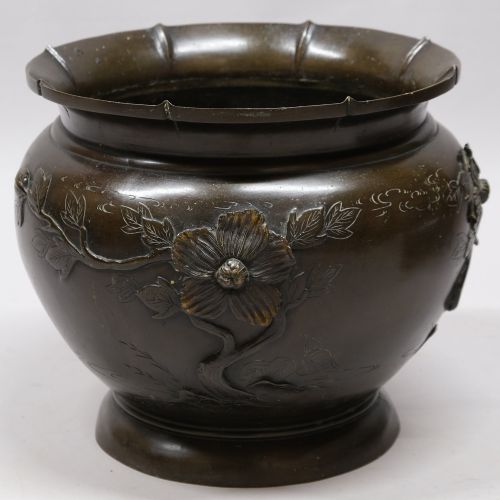
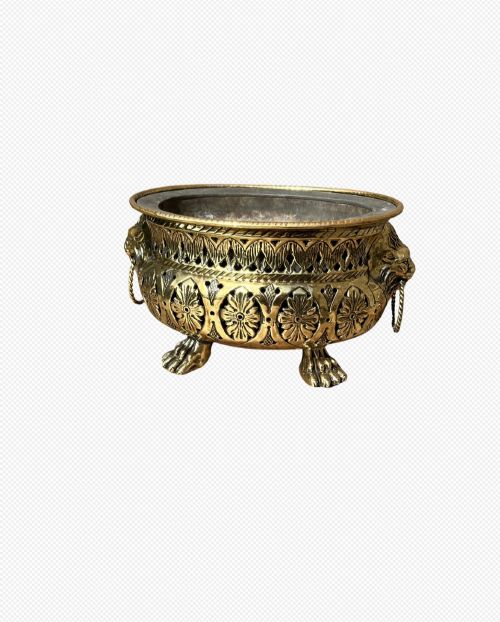
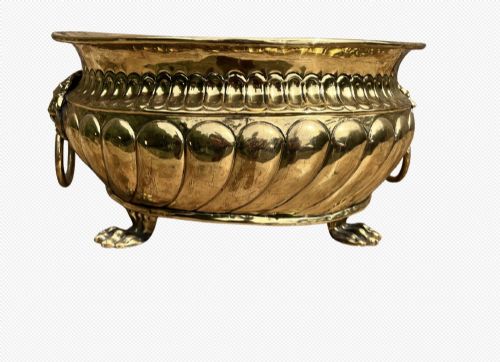
Metals such as brass, copper, bronze and cast iron are shaped through heavy casting, hand-hammering or intricate repoussé work, often featuring applied handles like lion masks or animal heads. These metallic vessels demonstrate durable construction designed to withstand the weight of damp soil and large root systems.
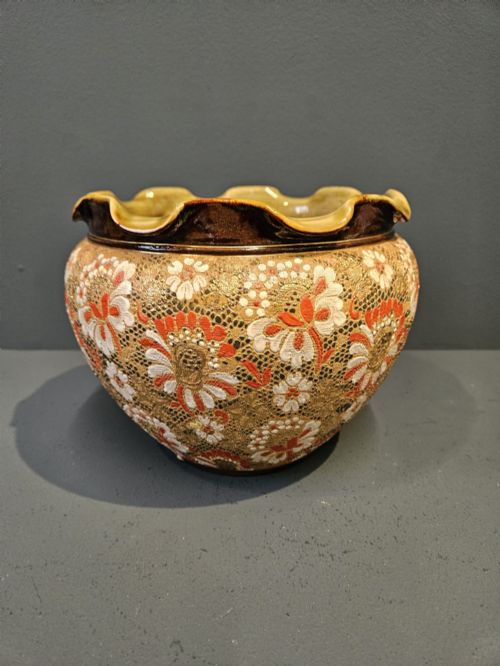
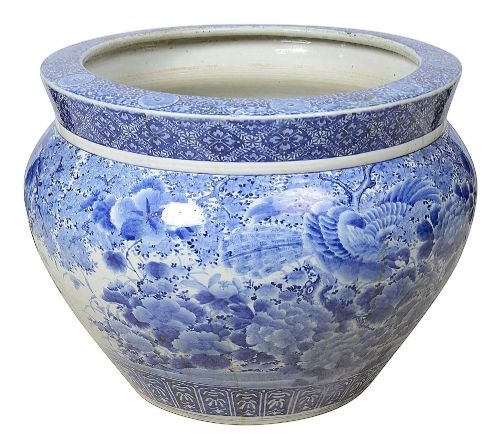
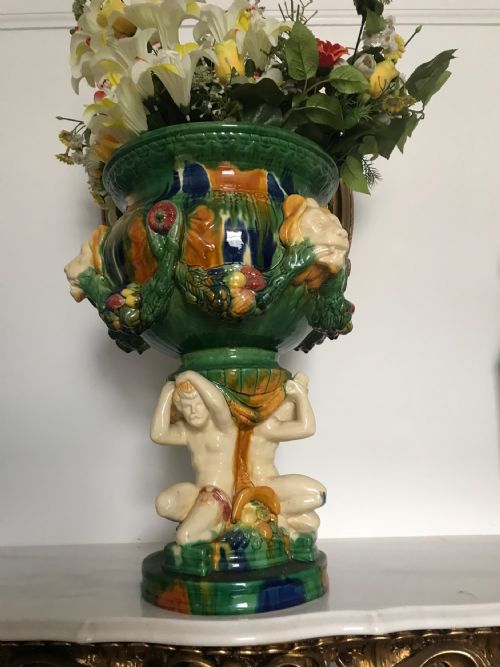
Ceramic and porcelain pieces utilise high-fired earthenware, majolica glazes or delicate underglaze blue and white painting, occasionally augmented with gold leaf or enamel details. Cloisonné examples incorporate soldered wire compartments filled with coloured enamel pastes before firing.
Several heavy bronze and ceramic jardinieres appear ready to host small household jungles under the watchful gaze of sculpted lions.
Distinctions in quality
Quality rests in the crispness of the casting, the depth and hand-finished detail of repoussé decoration, and the artistic control evident in hand-painted glazes or enamels. Superior examples show deliberate attention to interior finishing and structural balance rather than hurried mass production.
The reputation of the maker or pottery, the preservation of original patination on metals, and the clarity of cobalt pigments or polychrome details elevate certain pieces above standard decorative wares. Ritcher ornamentation, such as figural bases or integrated stands, denotes higher ambition in design and execution.
Doulton Lambeth·Royal Worcester·WMF·Doulton Burslem
The Antique Jardiniere Bowl Glossary
- Jardiniere
- A large ornamental pot or bowl designed to hold a plant or floral arrangement. The term derives from the French word for gardener.
- Cachepot
- A decorative container used to hide an ordinary flowerpot, lacking the direct drainage hole usually found in traditional planters. These pots often protect fine furniture from water damage.
- Repoussé
- A metalworking technique where a design is hammered into relief from the reverse side of the sheet metal. This method creates tactile, three-dimensional surface patterns.
- Cloisonne
- An ancient technique for decorating metalwork objects with coloured material held in place by thin strips of metal. Artisans solder flat wires to a metal base before filling the resulting cells with enamel.
- Majolica
- Heavy earthenware covered with an opaque tin-lead glaze, brightly painted with colours. It became particularly popular in nineteenth-century Italy and England for vibrant display vessels.
- Imari
- A style of Japanese export porcelain characterised by a palette of underglaze blue, iron red, and added gold. These wares were widely exported to Europe from the Edo period onwards.
Antique Jardiniere Bowl: Frequently Asked Questions
What is the difference between a jardiniere and a cachepot?
A jardiniere is traditionally a large vessel intended to hold a plant directly or contain a potted arrangement within a formal interior setting. A cachepot specifically functions to hide a plain flowerpot inside a decorative outer shell.
While their historical uses often overlapped in domestic display, cachepots generally remain smaller and lack the heavier structural bases seen on monumental jardinieres.
How were antique jardiniere bowls used historically?
Historical households utilised these decorative bowls to bring large ferns, flowering plants and decorative palms indoors during colder months. They were placed on tables, pedestals or specialised stands to anchor room schemes.
Beyond horticulture, many large metal and ceramic bowls doubled as wine cisterns or centrepieces for dining tables during large social gatherings.
Can I plant directly into an antique metal bowl?
Planting directly into antique brass, copper or bronze bowls risks water retention, chemical corrosion and staining to the historic metal interior. Moisture mixed with soil accelerates oxidation and can weaken vulnerable seams.
Placing a modern plastic liner or a smaller potted plant inside the vessel protects the antique interior while allowing safe watering.