

Antique Japanned Furniture
Antique japanned furniture brings rich lacquer and Chinoiserie decoration into a room, offering striking painted surfaces that catch the light.
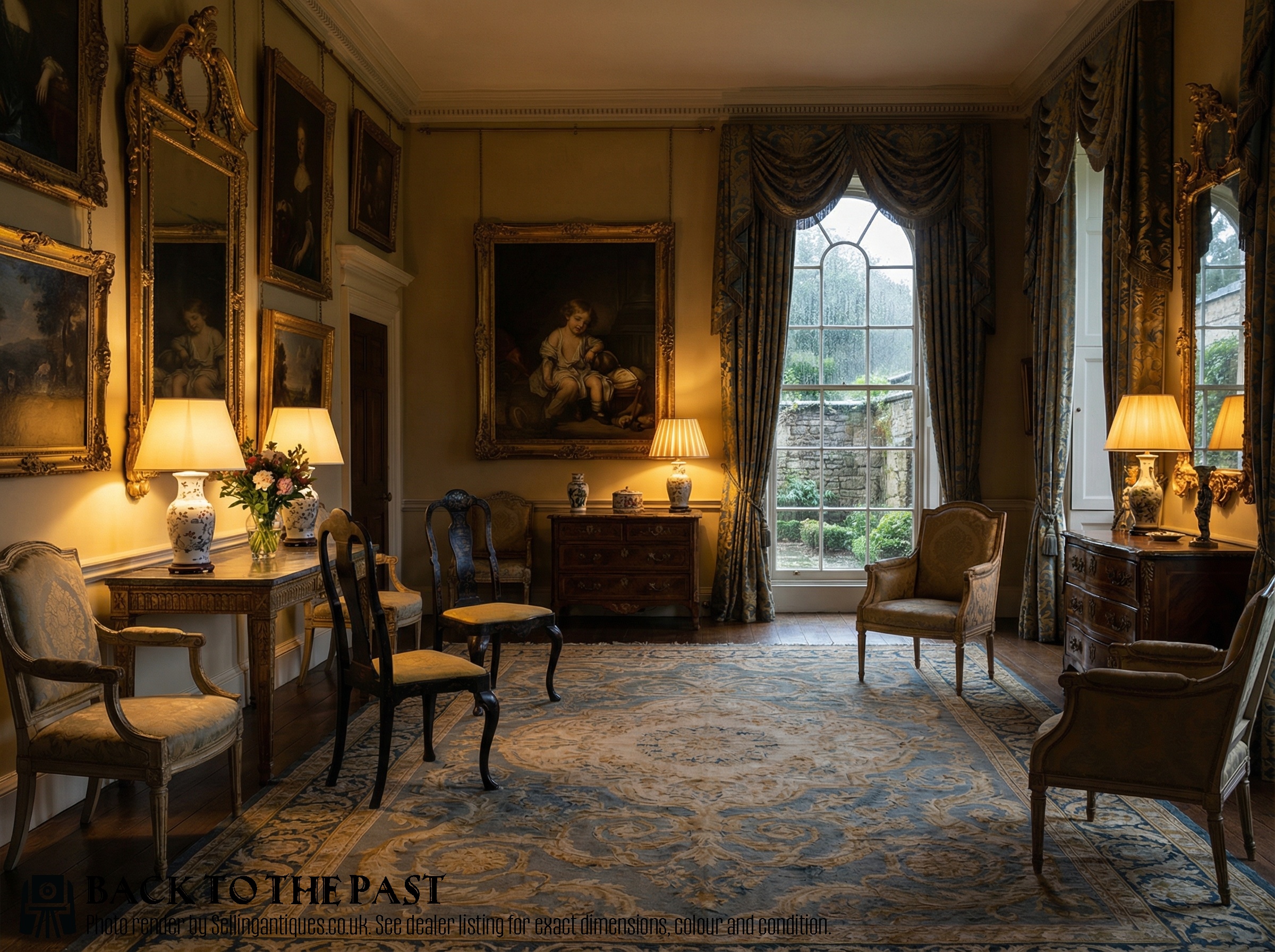
Antique Japanned Furniture
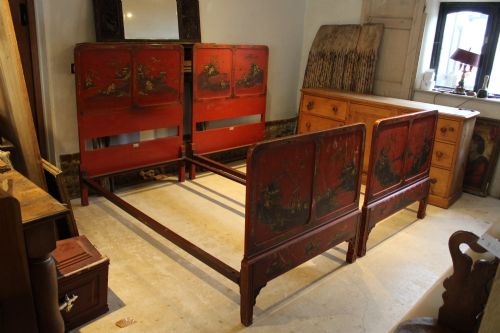
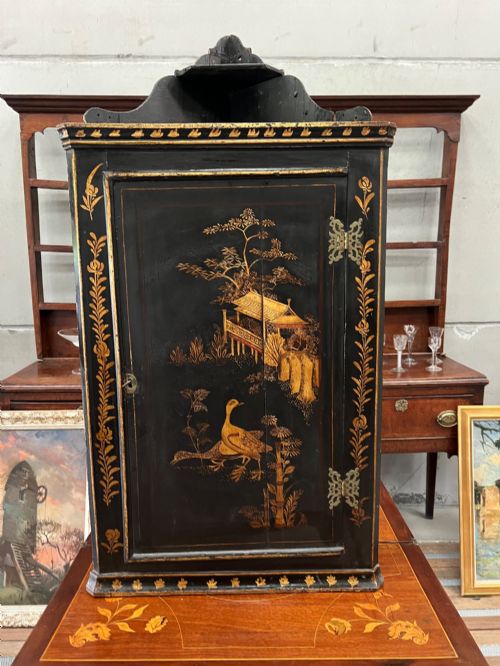
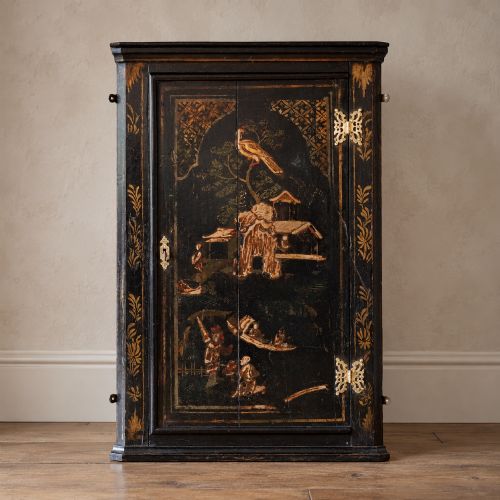
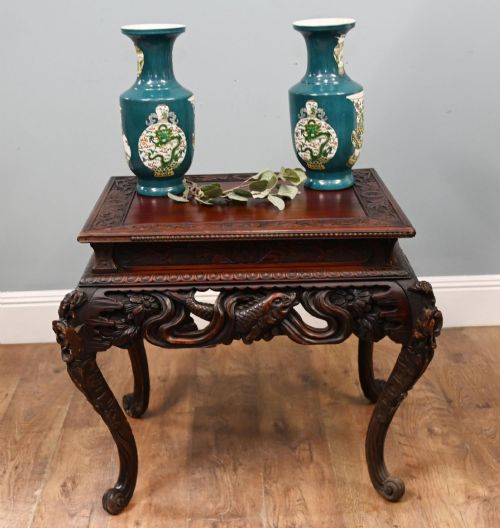
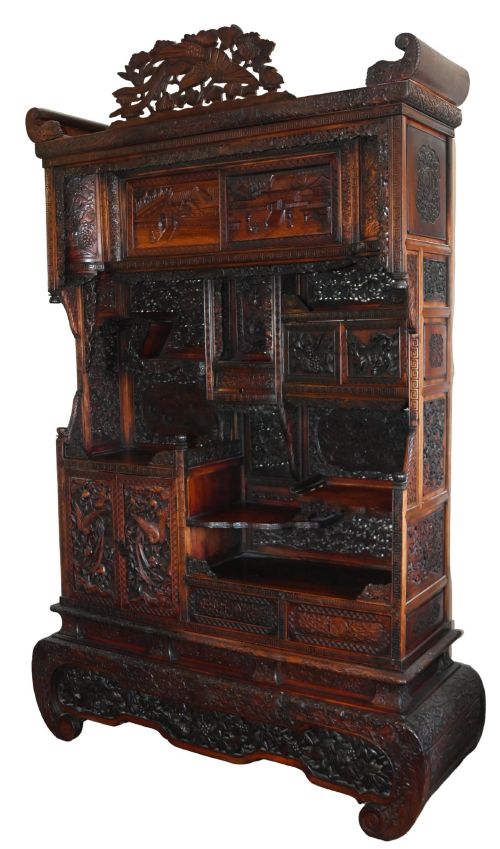
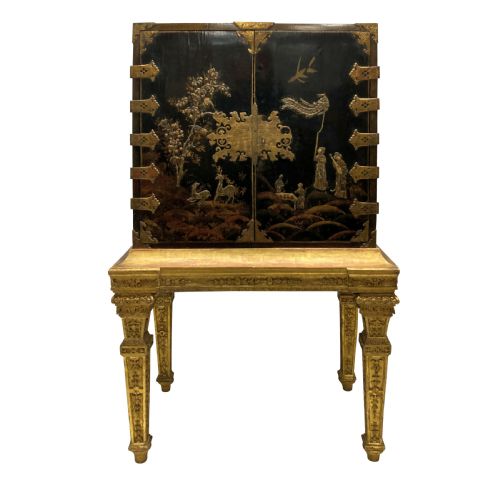
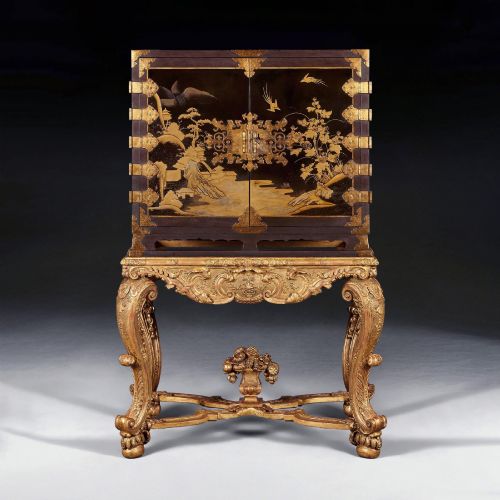
Antique japanned furniture encompasses items finished with European lacquerwork imitating Asian designs, spanning forms such as cabinets on stands, side tables, and corner cabinets. Pieces date from the 17th century through to the early 20th century, with notable examples from the 18th century, Georgian, and Regency periods.
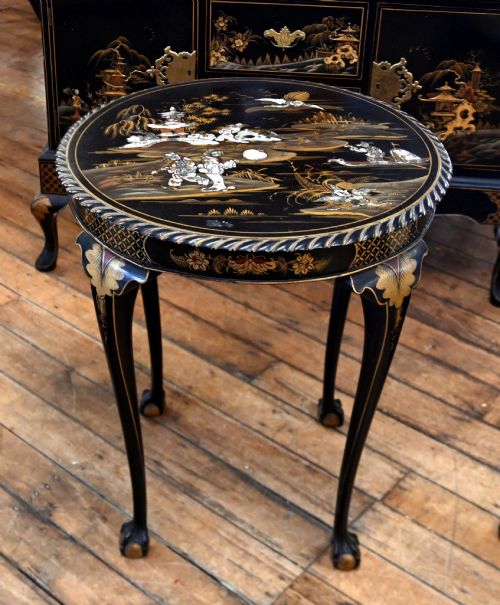
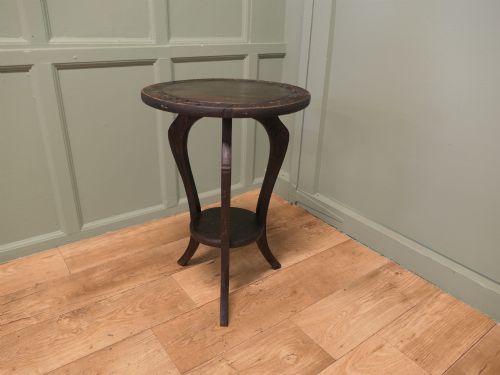
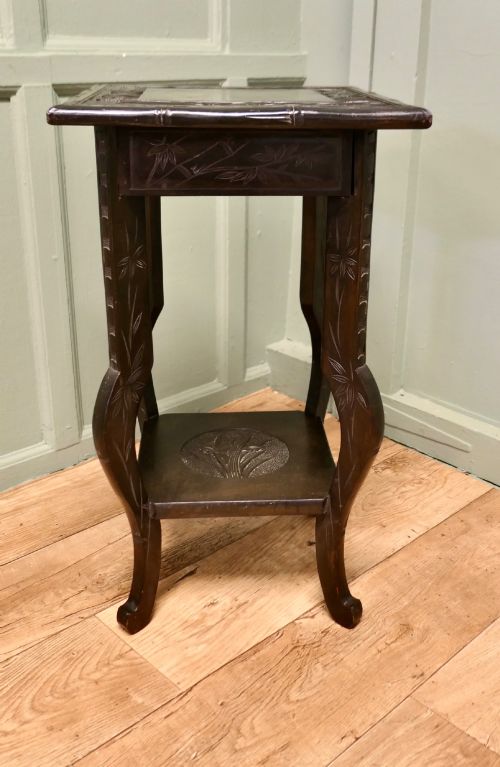
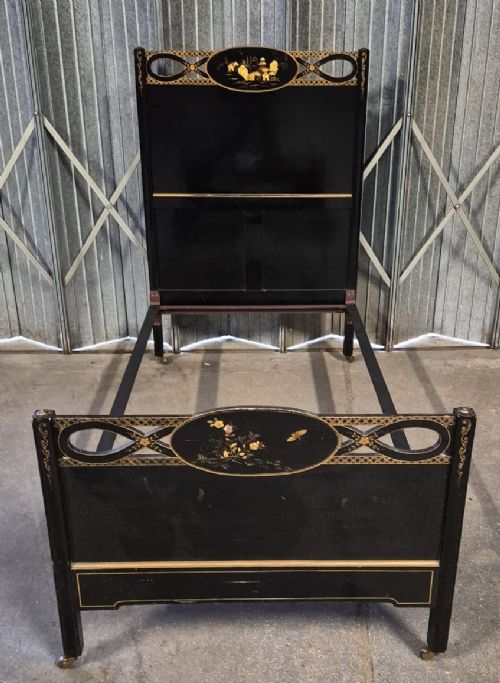
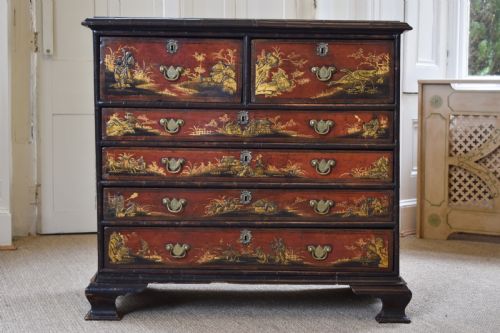
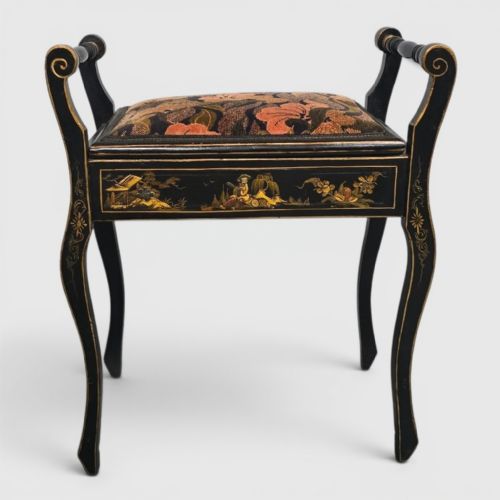
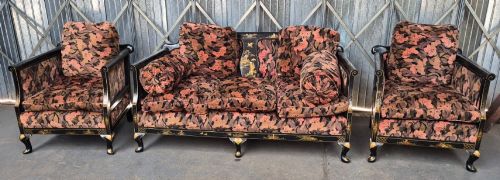
Buyers frequently encounter Edwardian and 1920s interpretations alongside older pieces, taking the shape of occasional tables, chests of drawers, and display cabinets. Chinoiserie and Aesthetic Movement styles dominate these offerings, often featuring motifs of birds, flowers, and figures.
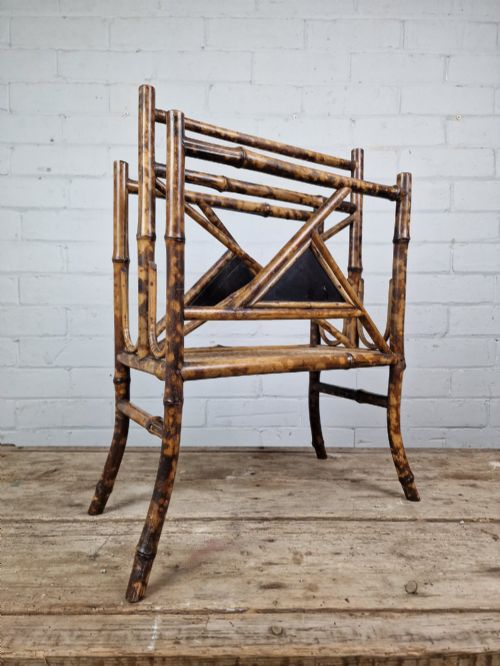
The selection ranges from grand walnut and lacquered cabinets to lighter bamboo pieces and side cabinets. Each item reflects the enduring European fascination with simulated oriental lacquer finishes.
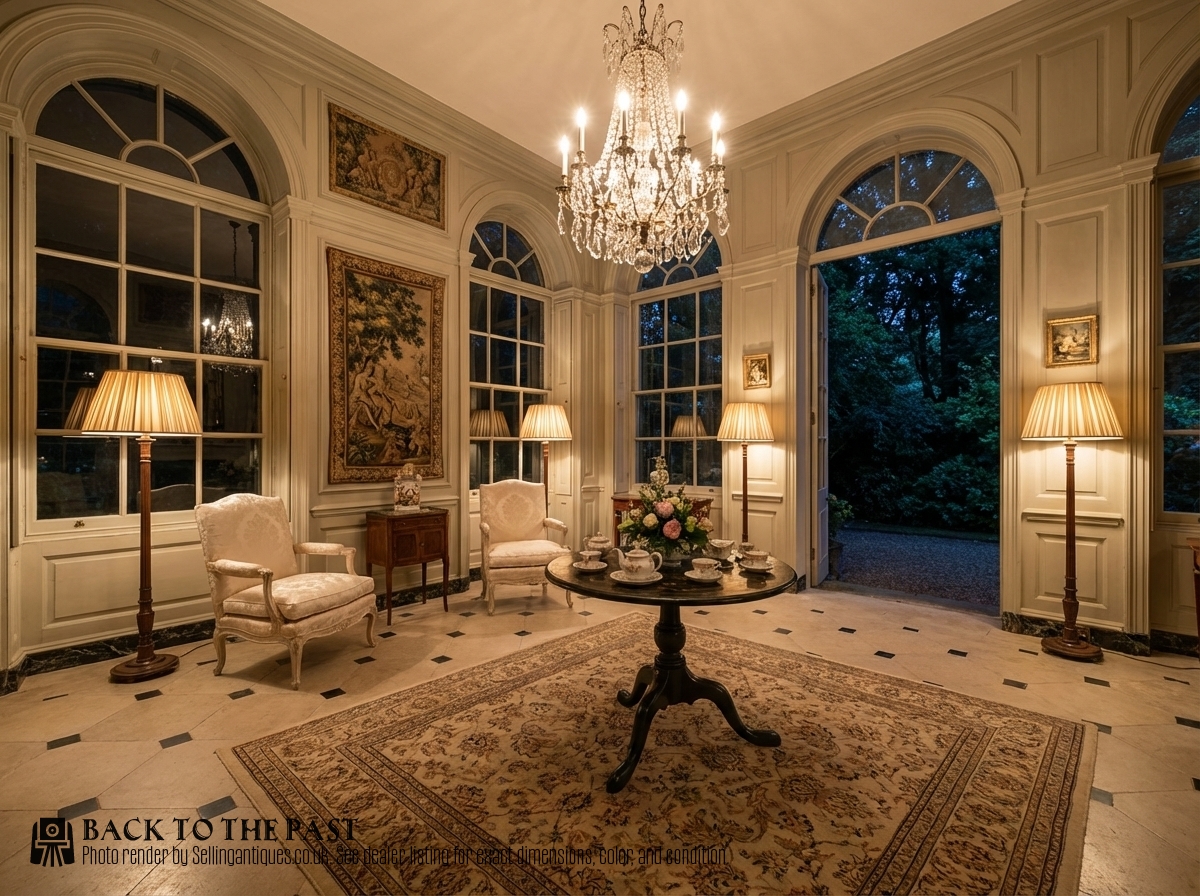
Materials and Construction
Construction relies heavily on wood, walnut, bamboo, and papier-mâché, providing the structural base for the intricate finishes. Artisans applied layers of lacquer to build up a smooth ground before decorating the surfaces.
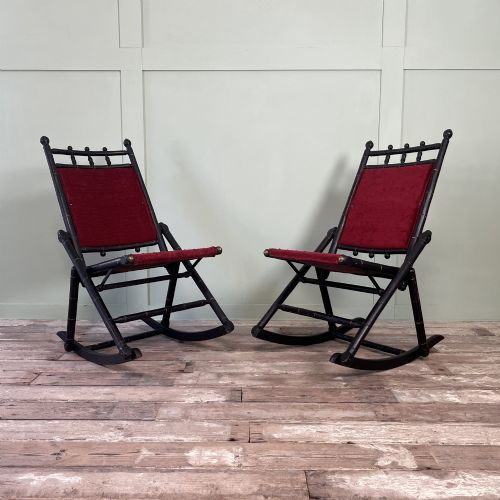
Gold leaf, brass hardware, and painted details were utilised to create the characteristic raised motifs and metallic highlights seen on Chinoiserie and Regency pieces. Glass panels appear on display cabinets, while faux bamboo frameworks define the Aesthetic Movement items.
Antique Japanned Furniture Retail Price Guide 2026
Typical asking prices for japanned furniture among the pieces listed under this phrase on Sellingantiques today, from the lower quarter to the upper quarter. They describe what is for sale here now, not the wider market.
Listings span the 17th, 18th, 19th, and early 20th centuries, incorporating styles from William & Mary to Art Deco.
Distinctions in Quality
Quality rests in the depth of the lacquer surface and the precision of the hand-painted decoration, where finer examples display crisper detailing in figures, birds, and floral motifs. The complexity of the underlying form, such as a cabinet on a carved stand or a Regency pen-work cabinet, marks out superior craftsmanship.
The integrity of the wooden or bamboo structure and the preservation of the original gilt and painted layers separate standard decorative items from more important period pieces.
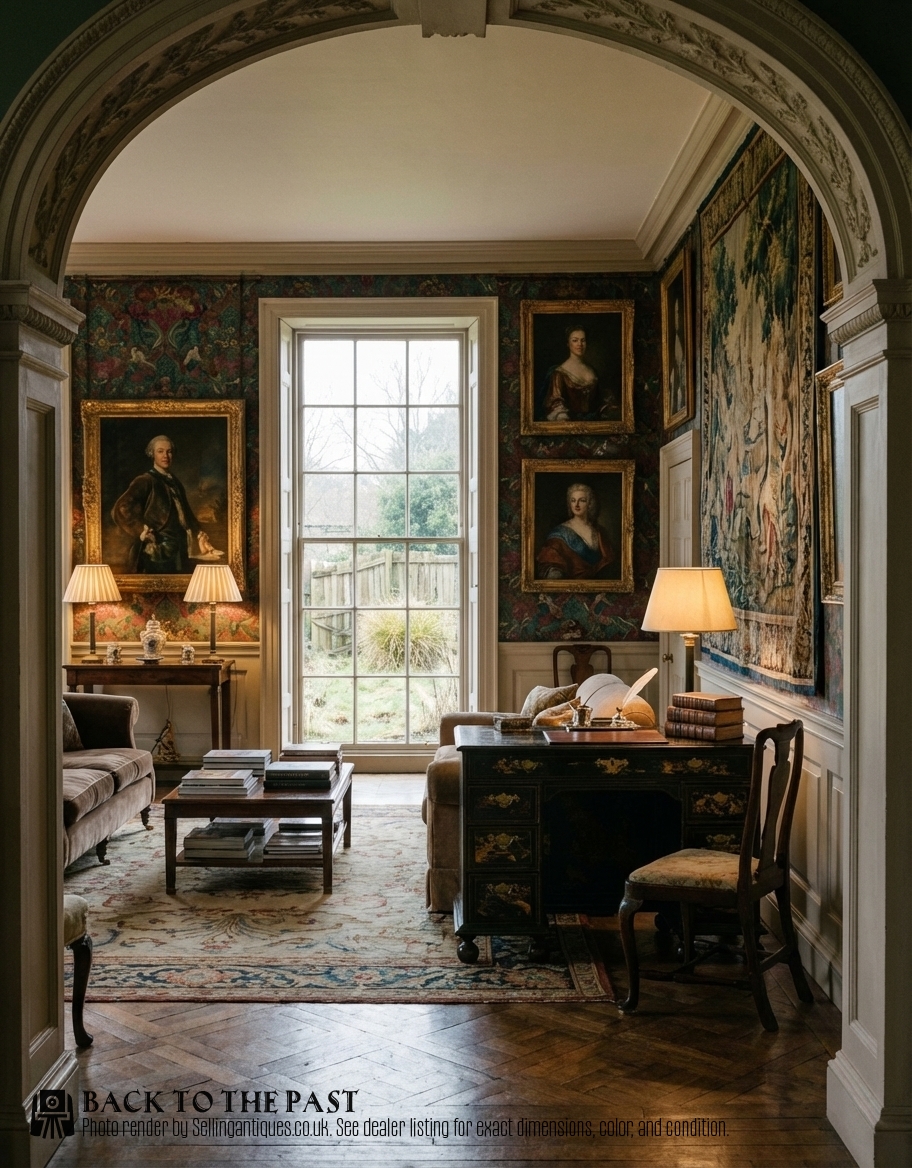
Maison Krieger
The Antique Japanned Furniture Glossary
- Japanning
- European imitation of East Asian lacquerwork, created by applying layers of varnish and heating the surface to harden it. This technique was widely used on English and European furniture from the 17th century onwards.
- Chinoiserie
- European artistic style reflecting Chinese and East Asian motifs, prevalent in furniture decoration, textiles, and porcelain. It typically incorporates figures, pagodas, birds, and floral landscapes.
- Cabinet on Stand
- A tall storage cabinet supported by a separate or integrated base frame with legs. These pieces often showcase elaborate japanned decoration across the doors and panels.
- Aesthetic Movement
- Late 19th-century design movement that emphasised visual beauty over narrative function, frequently incorporating bamboo, lacquer, and Japanese-inspired motifs.
- Pen-Work
- Decoration created using fine ink drawing on wood, often finished with varnish to resemble more costly inlay or lacquerwork. This technique appears on Regency furniture.
- Papier-Mâché
- Composite material made from paper pulp or layers of paper bound with glue, moulded and lacquered to form trays and small table tops.
Antique Japanned Furniture: Frequently Asked Questions
How do I identify genuine antique japanning?
Genuine antique japanning shows age-related craquelure, subtle wear patterns, and hand-applied layers that differ from modern printed laminates. Examining the edges and protected underside areas reveals the buildup of traditional varnishes and paint.
Older pieces often feature subtle imperfections in the hand-painted motifs, whereas modern reproductions tend to look uniform. Familiarity with the materials used in 18th-century and 19th-century workshops helps clarify the age of the finish.
Where were japanned cabinets placed in historic homes?
Cabinets on stands and corner cabinets were typically displayed in formal reception rooms, drawing rooms, or parlours where guests would admire their decorative surfaces. They served both as storage for precious items and as status symbols reflecting global trade influences.
Smaller pieces like occasional tables and tea trays were moved around entertaining spaces as needed. Their reflective lacquer surfaces were designed to catch the light of candles and lamps.
How should I care for lacquered furniture?
Lacquered and japanned surfaces require gentle dusting with a soft, dry cloth and protection from direct sunlight to prevent fading. Avoid using modern chemical polishes, abrasive cleaners, or excess water on the delicate painted finish.
Maintaining a stable room temperature and humidity level protects the wooden substrate from expanding or contracting, which can cause the lacquer layer to crack.
What is the difference between Chinoiserie and Japanese styles here?
Chinoiserie represents the European imaginary interpretation of Chinese art, featuring whimsical figures, pavilions, and landscapes executed in gold and colour on dark lacquer. Aesthetic Movement and later 19th-century pieces draw more directly from Japanese artistic traditions and natural forms.
While both styles utilise lacquered surfaces and bamboo elements, the decorative motifs and structural forms reflect distinct shifts in European taste across the 18th and 19th centuries.