




Antique Japanese Style China
Antique japanese style china brings together the rich palette of Imari and Kakiemon designs applied to porcelain, earthenware, and bone china.
Antique Japanese Style China
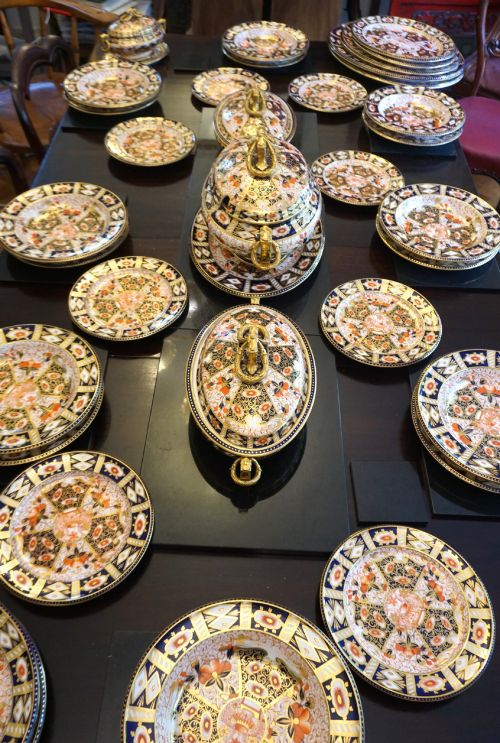
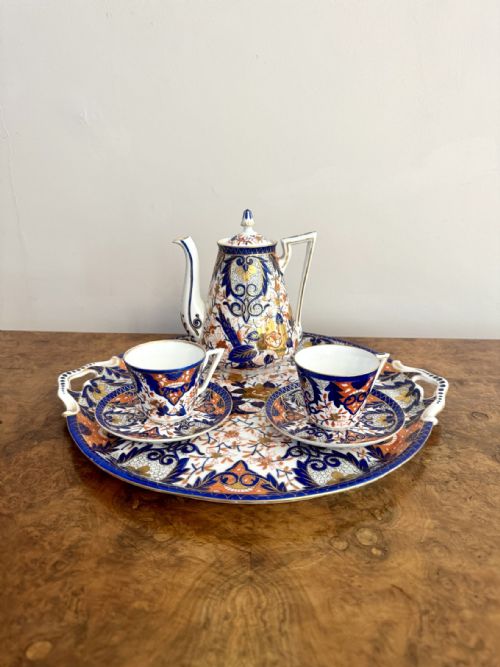
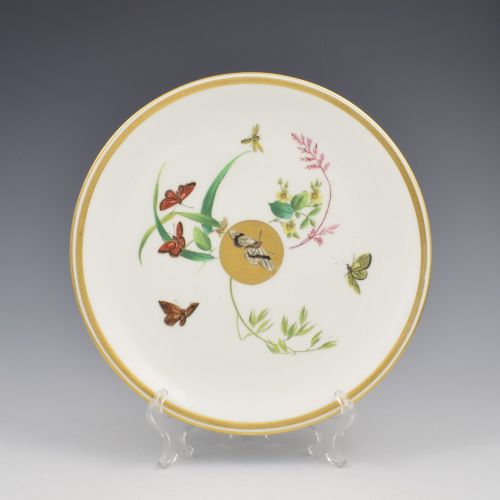
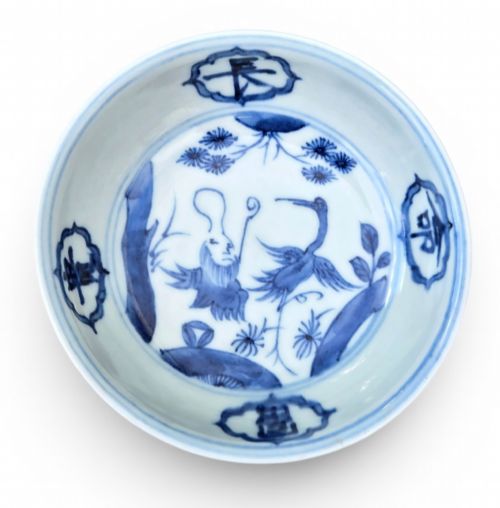
When you search for antique japanese style china, you encounter a fascinating cross-cultural dialogue between Asian aesthetics and European ceramic manufacturing traditions spanning several centuries. The selection encompasses cabinet plates, decorative bowls, tea sets, and serving dishes created by prominent English factories alongside pieces originating from Japan.
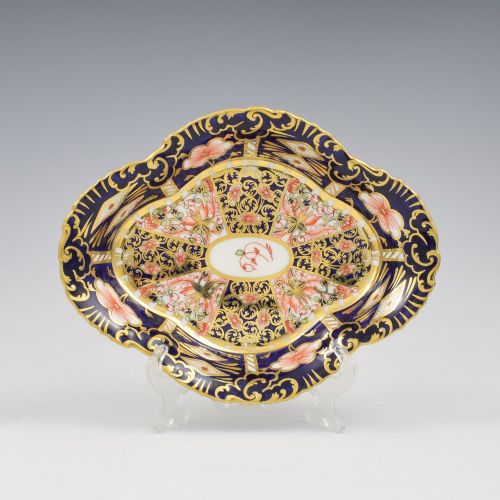
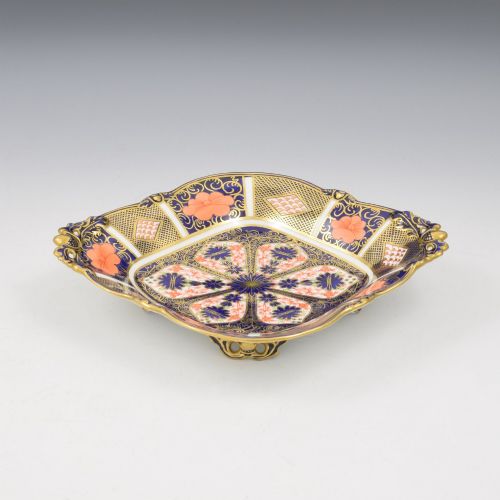
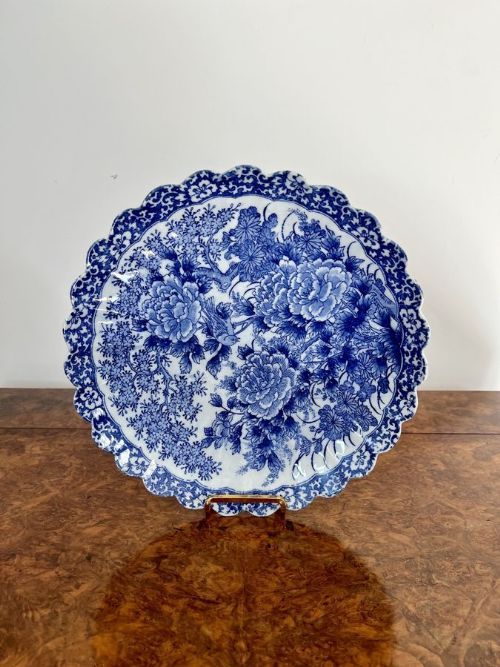
The most common items you meet on this page are nineteenth-century plates and tea wares featuring Imari palettes or Kakiemon patterns. These range from Victorian bone china breakfast cups to large scallop-edged bowls decorated with cobalt glaze, enamel, and gold leaf.
Alongside porcelain, the category occasionally embraces related forms such as hardwood display cabinets and earthenware dishes. Each piece reflects the enduring nineteenth-century enthusiasm for Eastern ornamentation adapted to Western domestic interiors.
What varies in quality
The precision of the hand-painted brushwork distinguishes standard production from superior examples. Master painters applied cobalt and enamel with meticulous control over line and colour saturation, creating depth within floral and avian motifs.
The application and preservation of gold leaf or gilt details dictate the visual impact of a vessel. Heavily utilised gilding that remains crisp and bright indicates careful handling over generations, while worn surfaces alter the piece's integrity.
Listings feature porcelain, bone china, and earthenware spanning the seventeenth to the twentieth centuries, with a strong representation of nineteenth-century production.
The Antique Japanese Style China Glossary
- Imari palette
- A decorative style characterised by the prominent use of underglaze blue, iron red, and gold. This palette originated in Japan and was extensively replicated by European porcelain factories.
- Kakiemon
- A style of Japanese enamelled porcelain featuring asymmetrical designs of birds, flowers, and banded hedges. European makers adopted these specific motifs throughout the eighteenth and nineteenth centuries.
- Cobalt glaze
- A deep blue mineral pigment applied beneath the transparent glaze before firing. It withstands high temperatures without losing intensity.
- Bone china
- A type of soft-paste porcelain containing bone ash, developed in England to create a durable, translucent body. It served as a favoured medium for nineteenth-century tea and coffee sets.
- Gilt
- A thin layer of gold applied to the surface of ceramics or woodwork as decoration. It catches the light and frames painted scenes.
Antique Japanese Style China: Frequently Asked Questions
How do I identify Imari style china?
Imari style china is readily identified by its distinctive tripartite colour scheme consisting of underglaze cobalt blue, rich iron red, and supplementary gold leaf details. The patterns frequently incorporate floral panels and intricate geometric borders.
European factories from the eighteenth century onward adopted these visual traits, meaning you will find both Japanese originals and British interpretations on the market.
What is Kakiemon decoration?
Kakiemon decoration refers to a Japanese ceramic style known for milky white porcelain bodies adorned with sparse, elegant motifs. Common subjects include the quail pattern, flowering branches, and banded hedges.
English potteries frequently emulated this aesthetic on tea wares and cabinet plates during the Georgian and Victorian eras.
Can I use these plates for dining?
While many of these items were originally produced as functional tableware or tea sets, antique pieces with delicate hand-painted enamels and gold gilt are generally reserved for display. Utensil use and frequent washing can wear away the historic surface decoration.
Consider using cabinet plates and decorative trays for visual enjoyment rather than daily meals.