



Antique Japanese Porcelain Stands
Antique japanese porcelain stands bring decorative presence to an interior, combining pottery and fitted wooden or porcelain supports.
Antique Japanese Porcelain Stands
When you search for antique japanese porcelain stands, you encounter various large vessels, jardinieres, and floor vases paired with dedicated supports. These pieces originate predominantly from the nineteenth century, including the Meiji and late Edo periods.
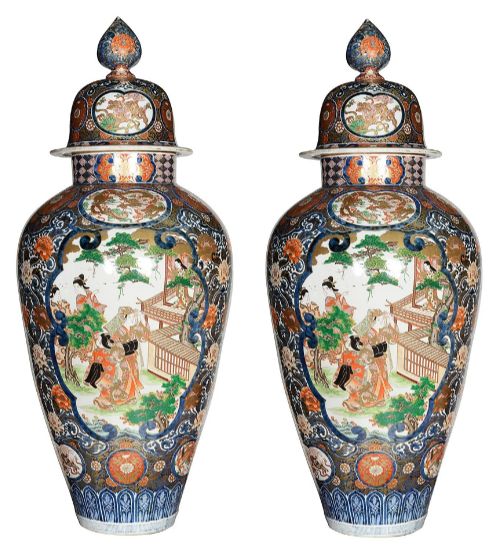
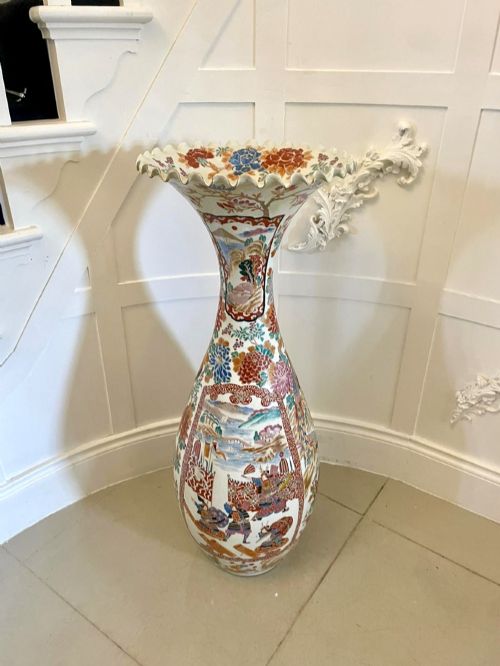
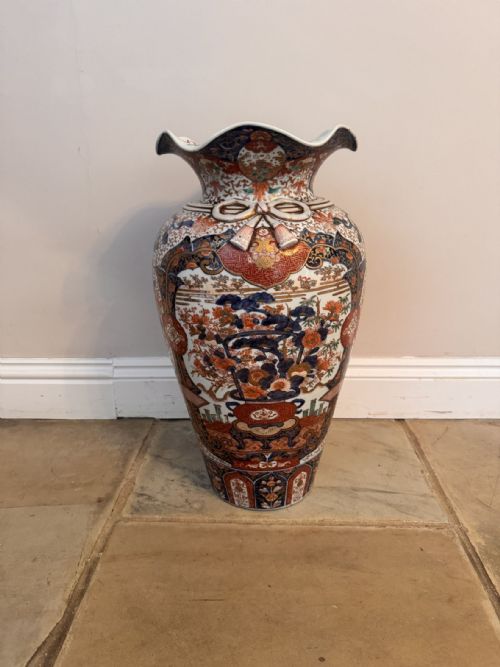
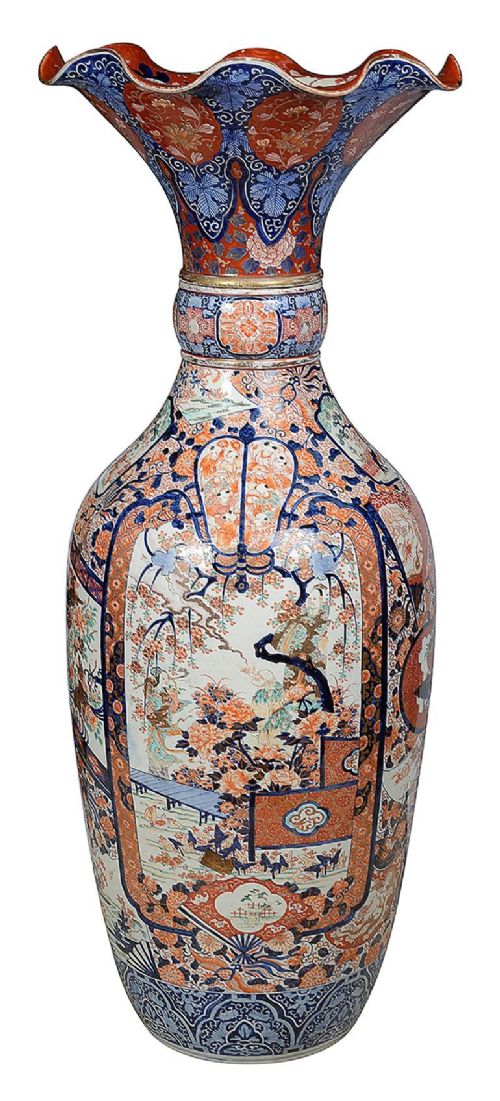
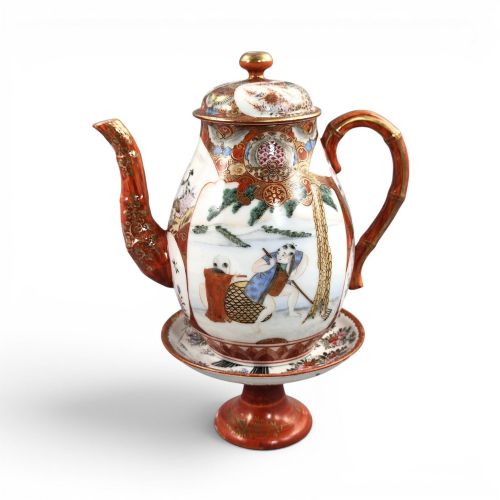
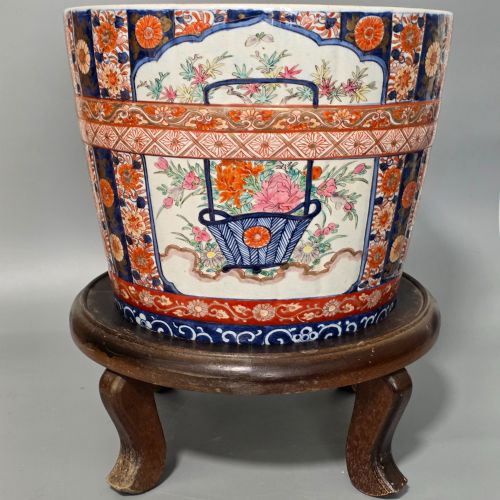
The objects themselves span from monumental floor-standing Imari vases to Kutani tea vessels and Fukagawa planters with matching or associated bases. Most pieces you meet on this page date from the 1860s through to 1900, reflecting robust production for export and domestic use.
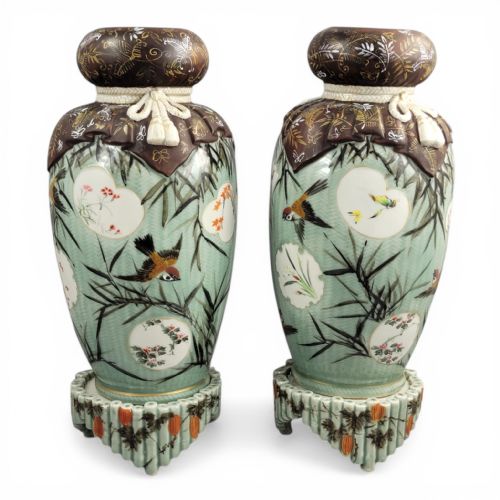
Supports range from integral porcelain bases fired with the vessel to associated hardwood and lacquer stands tailored to fit the base of each individual jar or vase. This pairing elevates the profile of the ceramic body within a room.
How they were made
Potters shaped the porcelain bodies using refined clay before applying mineral glazes and underglaze pigments. Many examples incorporate intricate enamels, moriage relief work, and gold leaf highlights.
Antique Japanese Porcelain Stands Retail Price Guide 2026
Typical asking prices for japanese porcelain stands among the pieces listed under this phrase on Sellingantiques today, from the lower quarter to the upper quarter. They describe what is for sale here now, not the wider market.
Watch out for mischievous lions keeping guard on handles, ready to hold up a vase whether it wants to stand or not.
What varies in quality
The distinction between standard export ware and exceptional pieces lies in the precision of the hand-painted decoration and the ambition of the form. Monumental scale combined with crisp detailing separates ambitious workshop production from routine output.
The integrity of the pairing also dictates the standing of the piece. Original matching stands designed specifically for the ceramic vessel hold greater cohesion than associated stands gathered at a later date.
Kato Sanhei·Fukagawa
The Antique Japanese Porcelain Stands Glossary
- Imari
- A style of Japanese porcelain decorated in underglaze blue, iron red, and gold. This palette dominates nineteenth-century floor vases and planters.
- Kutani
- A distinct type of Japanese painted porcelain known for vibrant colour schemes and detailed pictorial scenes. These often feature raised enamel work known as moriage.
- Meiji Period
- The era of Japanese history spanning from 1868 to 1912. Much of the export porcelain available today originates from this time of prolific artistic output.
- Jardiniere
- A large ornamental pot or receptacle intended for holding plants or flowers. They frequently rest on dedicated hardwood stands.
- Hardwood
- Dense timber used to construct sturdy bases for heavy ceramic vessels. These stands are often carved to cradle the rounded base of a vase.
Antique Japanese Porcelain Stands: Frequently Asked Questions
Are the stands always attached to the vases?
Most stands are separate components designed to support the weight of the porcelain vessel safely. Associated or matched hardwood stands sit independently beneath the base.
In some instances, particularly with monumental pairs, the porcelain stand is formed as an original matching element during the production process.
How do I care for antique porcelain and wood?
Dust the porcelain gently with a soft dry cloth and avoid harsh chemical cleaners that might damage delicate enamels or gold leaf. Hardwood stands benefit from occasional light treatment with appropriate natural wax.
Keep the pieces away from direct sunlight and sudden temperature shifts to protect both the ceramic glaze and the timber structure.
What is the difference between Imari and Kutani?
Imari porcelain relies on a characteristic palette of underglaze blue, iron red, and gold leaf, often arranged in dense geometric and floral patterns. It provides a robust, decorative finish suited to large floor vases.
Kutani ware frequently incorporates broader pictorial scenes, heavier enamel relief work, and detailed figural motifs. Both styles gained significant popularity during the nineteenth century.
How do I identify a Meiji period piece?
Meiji period porcelain reflects the artistic output of Japan between 1868 and 1912, a time when ceramic production expanded for international export. Look for confident brushwork, rich enamel decoration, and characteristic forms like floor vases and stick stands.
Many pieces from this era demonstrate a high degree of technical ambition in both the ceramic body and its supporting stand.