

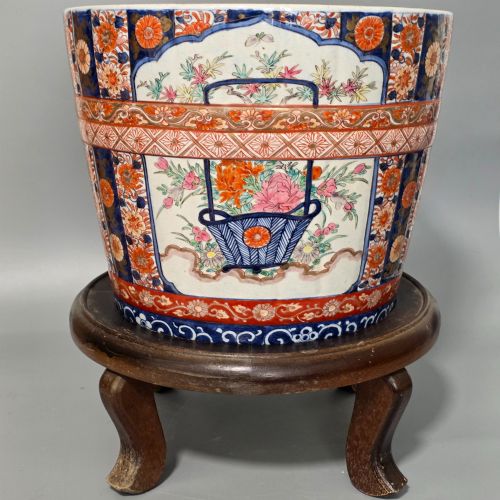


Antique Japanese Planter
An antique Japanese planter brings the grounded weight of bronze and wood into a room, holding greenery with quiet authority.
What an antique Japanese planter is
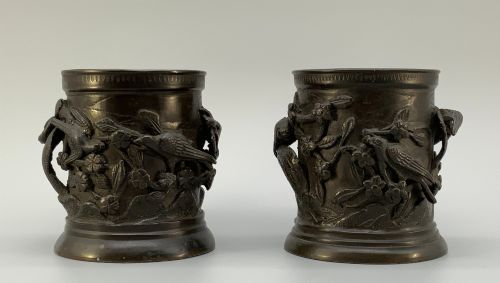
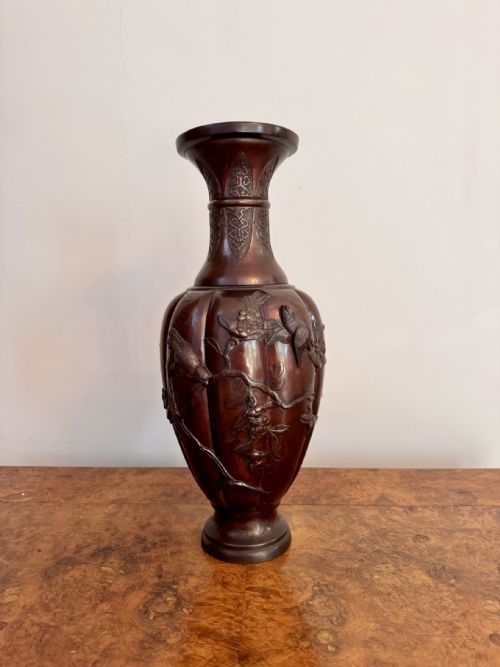
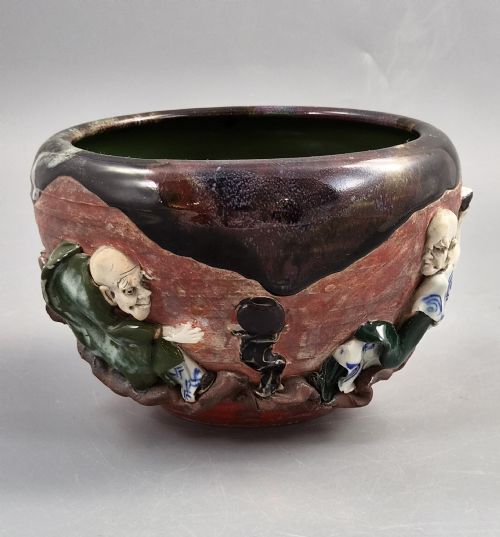
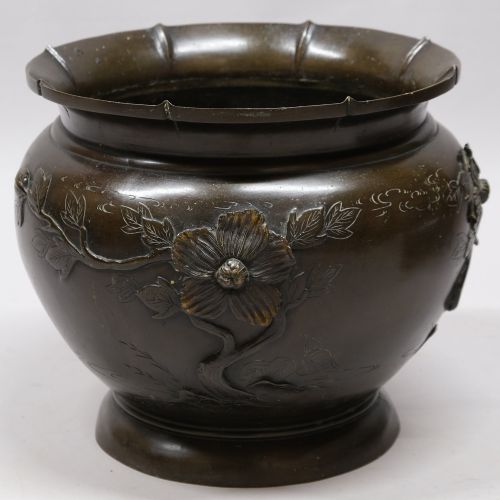
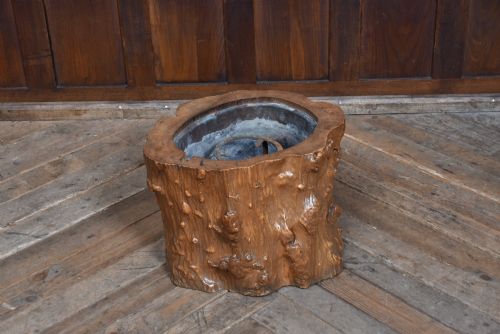
When you search for an antique japanese planter, you encounter vessels originally made as jardiniere pots, hibachi heaters, suiban bonsai dishes, and censors across the nineteenth century, nineteen hundred, nineteen ten, nineteen twenty-five, and nineteen thirty. These objects served functional roles in Japanese interiors before finding new purpose holding plants and floral arrangements in Western homes.
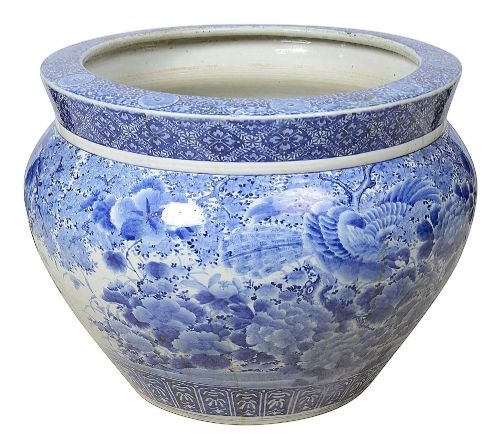
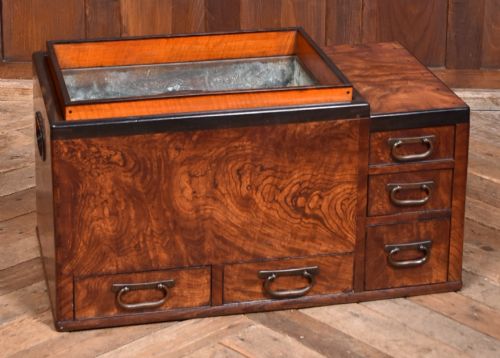
The bronze jardiniere from the Meiji period dominates the selection, frequently presented as a large bowl with substantial heft. Alongside these metal vessels appear wooden hibachi, mahogany planter stands, and porcelain Imari examples decorated in cobalt blue glaze.
Styles range from traditional Meiji and Mingei designs to pieces showing European Art Nouveau influence, reflecting the cross-cultural exchange of the late nineteenth and early twentieth centuries. Each form carries distinct marks of its original domestic or ceremonial function.
Materials and construction
Metal vessels rely on cast bronze, brass, copper, and iron, sometimes enriched with champleve enamel or mixed metal decoration depicting dragons and natural motifs. Artisans shaped these heavy metallic bodies to hold water, heat, or soil securely without leakage.
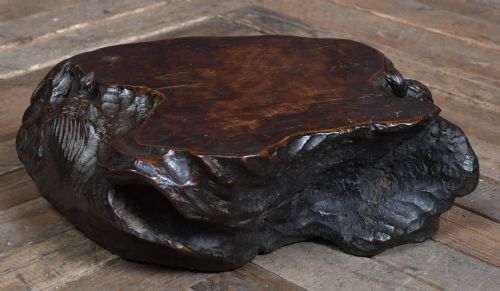
Wooden examples utilise solid timber, including mahogany and other native woods, constructed to support heavy pots or serve as standalone containers. Porcelain and ceramic pieces combine clay bodies with cobalt blue glaze fired at high temperatures to achieve durable, decorative surfaces.
Retail Price Guide 2026
Typical UK retail prices for japanese planter, calculated from the Sellingantiques database of over a million retail prices indexed since 2003. This retail price guide relies exclusively on Sellingantiques data; no external sources or auction records are used, so the figures do not describe the wider market.
Several heavy bronze bowls double as ancient heating devices, meaning your ferns now sit in what once warmed a nineteenth-century room.
Distinctions in quality
The division between standard vessels and the finest examples rests on the depth and crispness of surface ornamentation, particularly in bronze and champleve enamel work. Superior pieces display finely detailed relief casting of motifs like dragons, where every scale and claw retains sharp definition.
Weight and physical substance also dictate value, with larger bronze bowls and dense hardwood stands demonstrating superior material density. The harmony between the original manufacturing technique and the preserved surface patina separates ordinary utility items from masterwork display pieces.
The Antique Japanese Planter Glossary
- Jardiniere
- A large ornamental pot or bowl designed to hold plants or flowers indoors. These vessels form the majority of the metal and ceramic selections.
- Hibachi
- A traditional Japanese heating device featuring a bowl-shaped container, repurposed in Western interiors as a planter. They appear in both metal and wooden formats.
- Suiban
- A shallow basin used for holding water and stones or for displaying bonsai trees and ikebana arrangements. These containers emphasise horizontal expanse over depth.
- Champleve
- An enamelling technique where troughs are carved into a metal surface and filled with vitreous enamel before firing. It creates vibrant colour contrasts against bronze bodies.
- Imari
- A style of Japanese porcelain featuring distinctive cobalt blue glaze alongside iron red and gold decorations. These ceramics bring contrasting colour to the heavier bronze vessels.
Frequently Asked Questions
How do I care for plants inside a bronze planter?
Metal vessels require a secondary inner pot or liner to protect the historic interior surface from prolonged moisture and damp soil contact. Placing a plastic or terracotta pot inside the bronze bowl prevents water accumulation and mineral damage.
Lifting the inner pot also ensures proper drainage, keeping the roots healthy while allowing the outer antique metal to remain dry and stable.
What period do most of these planters come from?
The vast majority of these pieces originate from the Meiji period during the late nineteenth and early twentieth centuries. This era saw a surge in metalworking skill and export production aimed at Western collectors.
Later examples extend into the Showa period around nineteen thirty, while earlier pieces occasionally touch upon the Edo period, reflecting shifting stylistic influences.
Where were these metal bowls originally placed?
In traditional Japanese interiors, bronze bowls and hibachi occupied central positions within rooms to provide warmth, social focus, or appreciation for refined craftsmanship. They sat on tatami mats or low stands rather than directly on the floor.
Western adoption repurposed them as floor-standing or table ornaments, placing heavy bronze and ceramic basins in entrance halls, living rooms, and conservatories.