




Antique Japanese Chest
An antique japanese chest brings centuries of practical storage and exceptional craftsmanship into a modern room.

Antique Japanese Chest
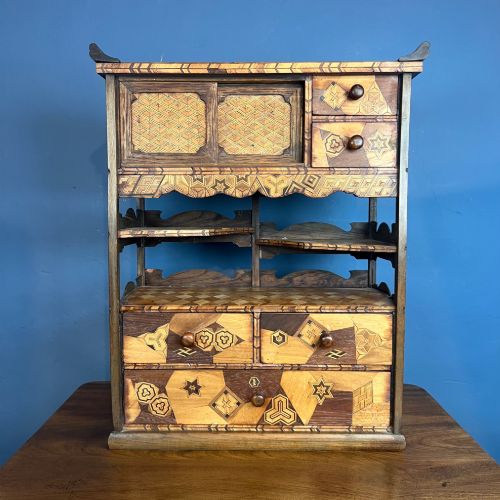
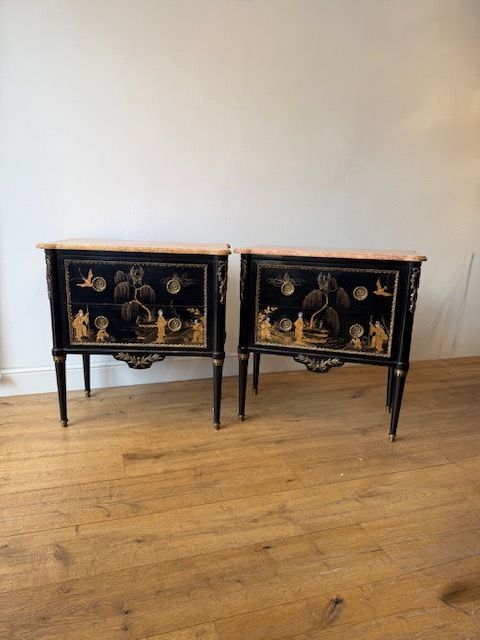
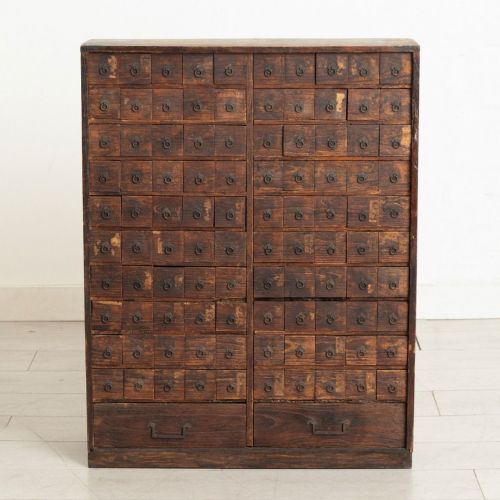
When you search for an antique japanese chest, you encounter a diverse range of traditional storage forms spanning several centuries. These pieces originate from distinct historical eras, including the Edo, Meiji, and Taisho periods, reflecting the shifting domestic needs of Japanese households.
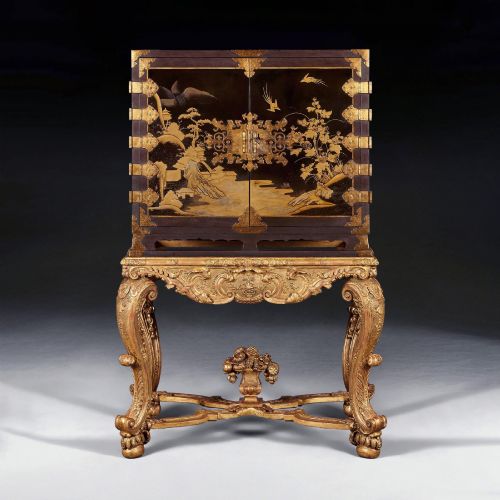
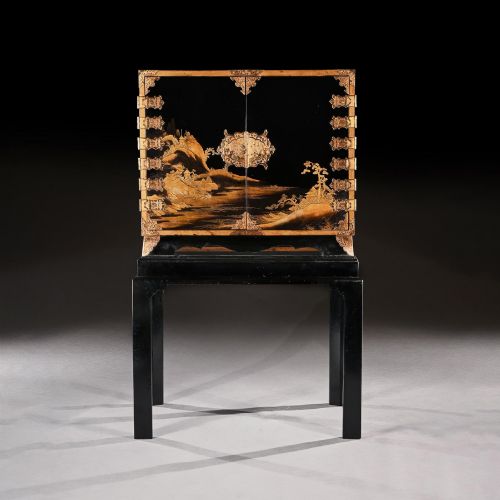
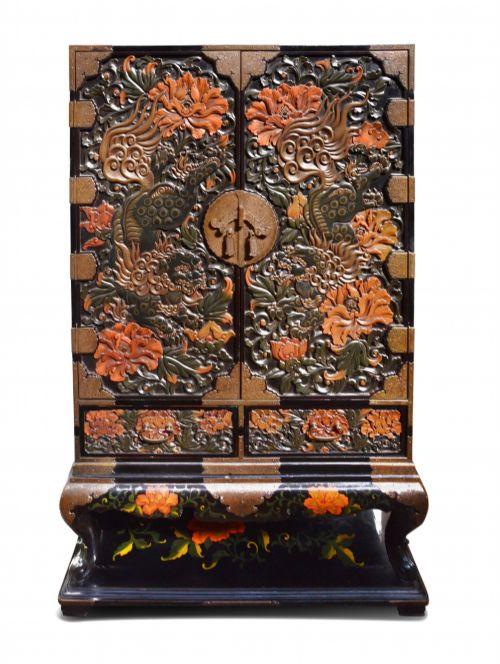
Earlier examples date back to the seventeenth and eighteenth centuries, often taking the form of sophisticated cabinets on stands. Alongside these, nineteenth-century pieces dominate the selection, offering robust construction in varied regional woods and lacquered finishes.
Standards of Execution
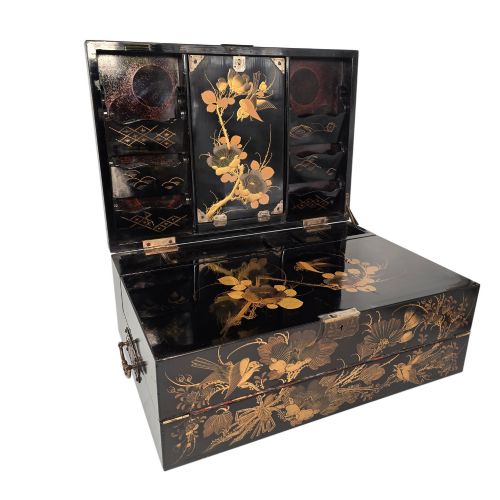
The distinction between standard utility items and superior examples lies in the refinement of the timber selection and the complexity of the internal configuration. Master craftsmen employed dense hardwoods like keyaki and applied multiple layers of durable lacquer, resulting in a deeper, more resilient sheen.
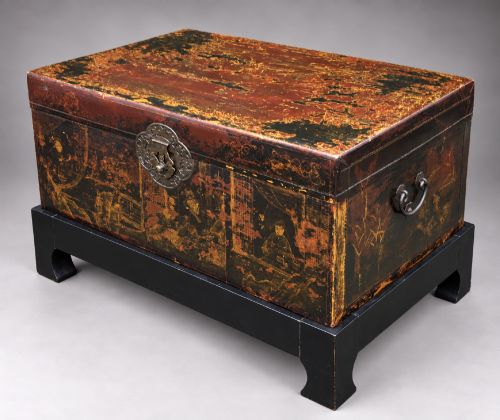
Hardware execution further separates the tiers of quality, with superior chests featuring hand-forged iron or brass mounts that integrate seamlessly into the overall design. The precision of the joinery and the preservation of original decorative surfaces ultimately determine the standing of each piece.
Antique Japanese Chest Retail Price Guide 2026
Typical asking prices for japanese chest among the pieces listed under this phrase on Sellingantiques today, from the lower quarter to the upper quarter. They describe what is for sale here now, not the wider market.
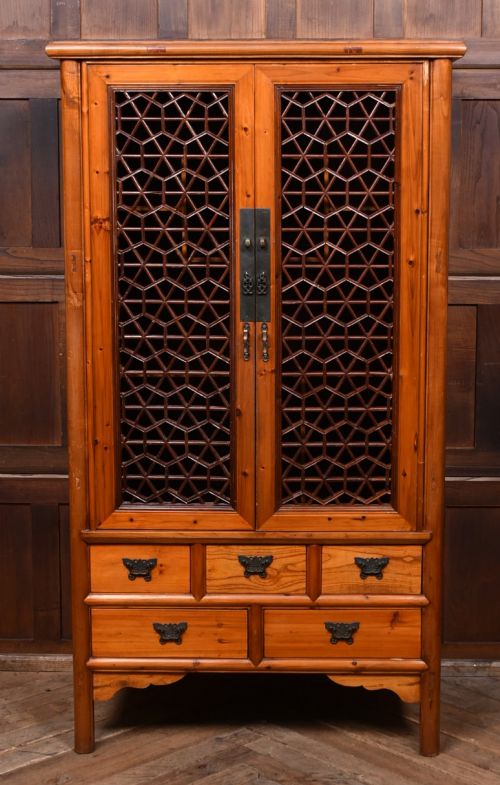
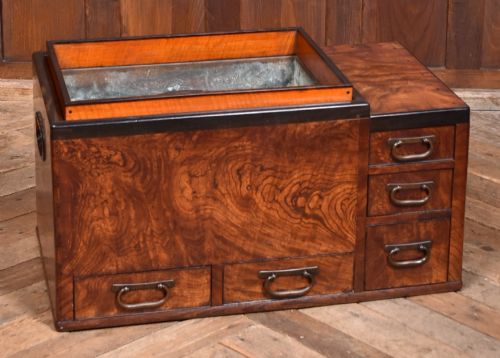
Object forms range from kitchen tansu and merchant chests to table cabinets and wheeled storage units.
The Antique Japanese Chest Glossary
- Tansu
- A traditional Japanese mobile or stationary chest utilised for domestic storage. These cabinets evolved into specialised forms for clothing, documents, and valuables.
- Kodansu
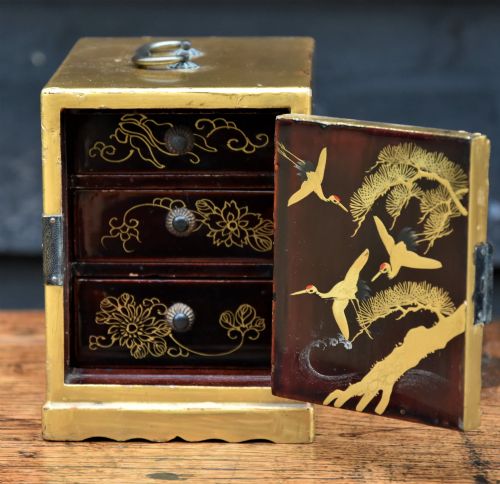
- A small portable table cabinet or jewellery box featuring multiple internal drawers. These decorative containers often display meticulous lacquer work and metal fittings.
- Mizuya
- A kitchen tansu designed for the storage of culinary utensils and foodstuffs. They represent the domestic heart of traditional Japanese cabinetry.
- Keyaki
- A species of elm native to Japan prized for its dense grain and durability. Makers frequently selected this timber for high-status merchant and storage chests.
- Edo Period
- The historical epoch spanning from the early seventeenth to the mid-nineteenth century. Pieces from this era often exhibit austere utility combined with refined regional craftsmanship.
Antique Japanese Chest: Frequently Asked Questions
How were these chests used?
Japanese chests served as primary storage furniture in homes, shops, and merchant vessels. Specialised forms accommodated kitchenware, money, or personal valuables.
Merchants utilised secure locking mechanisms to protect currency and account books. Domestic variants stored seasonal garments and household textiles securely away from dust.
How do I style a chest at home?
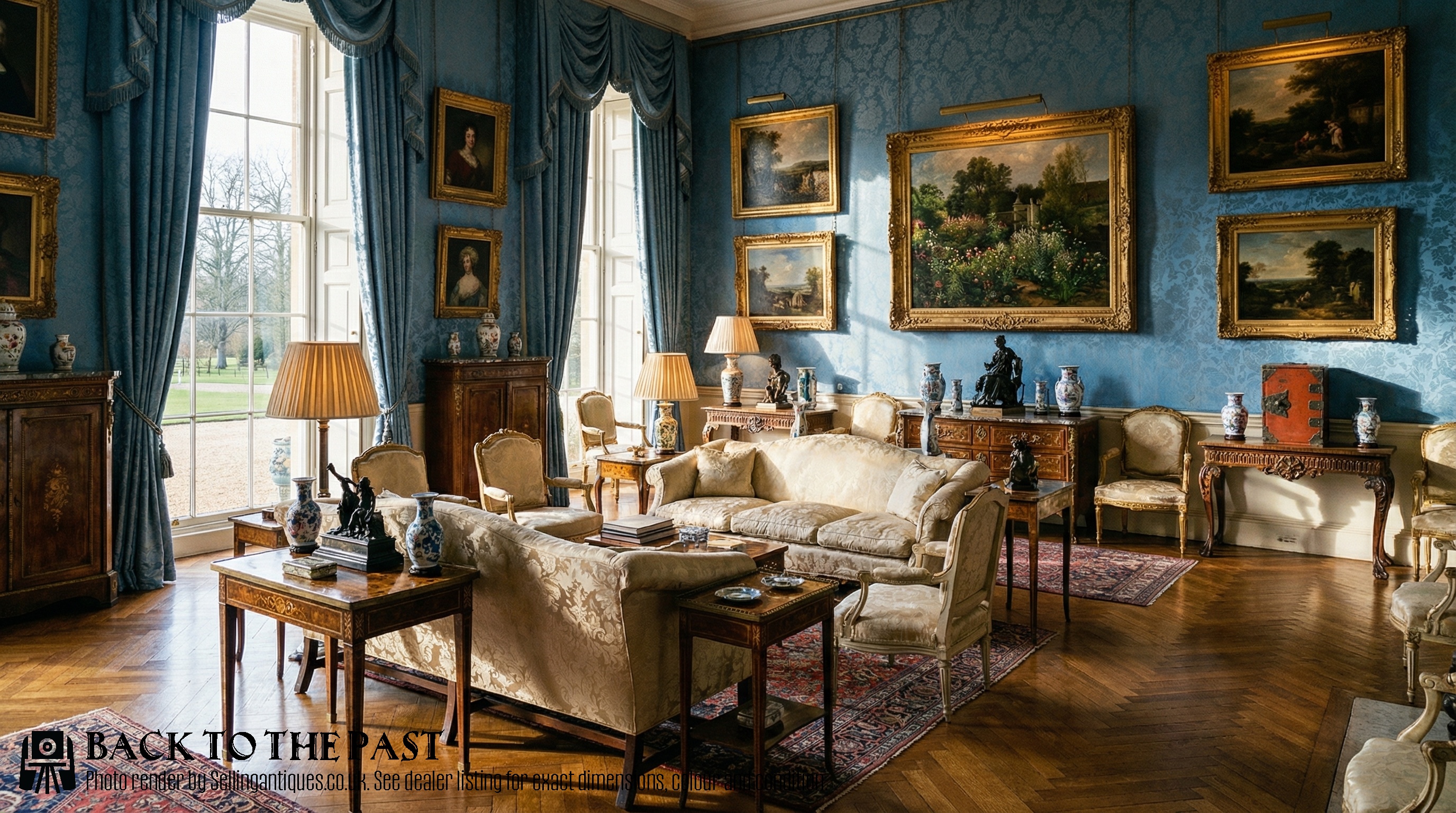
Antique storage chests function effectively as focal points in living rooms, hallways, or bedrooms. Their substantial presence anchors modern interiors while providing concealed storage.
Table cabinets sit comfortably on sideboards or desks to display collections or store small accessories. Larger tansu provide sturdy surfaces for lamps, books, or decorative objects.
How do I date a Japanese chest?
Dating relies on identifying the prevailing aesthetic of periods such as the Edo, Meiji, or Taisho eras. Construction methods, wood types, and hardware design offer reliable chronological markers.
Earlier examples often display simpler joinery and heavy iron mounts, whereas later Meiji pieces frequently incorporate elaborate lacquer and bronze decoration. Comparing regional forms helps narrow the exact decade of manufacture.