



Iron Bound Wood Chest
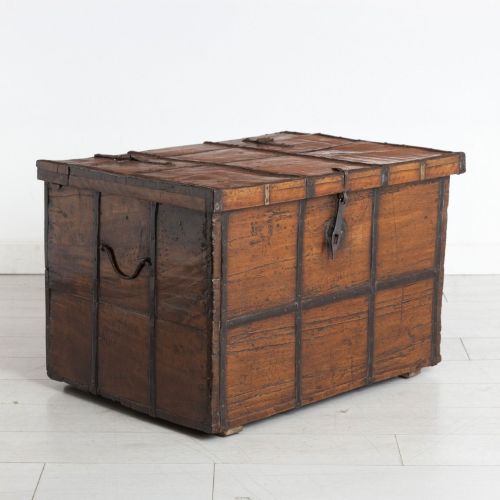
An iron bound wood chest offers sturdy utility and deep historical character, combining heavy metalwork with durable timber.

Iron Bound Wood Chest
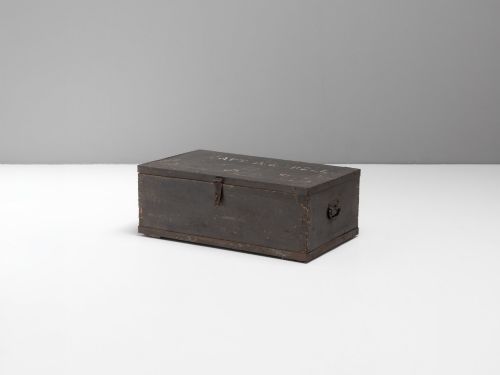
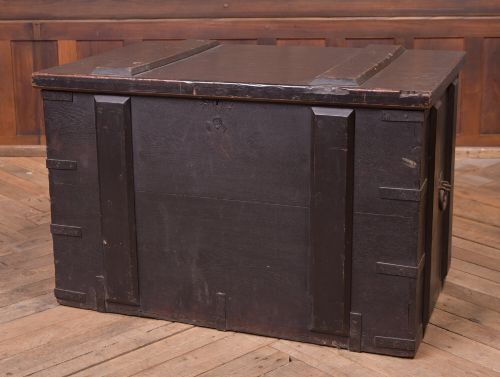
An iron bound wood chest serves as a robust storage container built to withstand travel and daily domestic use. When searching for this phrase, you encounter forms ranging from blanket boxes and campaign trunks to strongboxes and marriage coffers.
The pieces on this page span several centuries, with nineteenth-century examples appearing frequently alongside eighteenth-century items and earlier works. These containers originate from diverse regions, including Scandinavia, India, Japan, and Britain, displaying distinct regional vernaculars.
Forms include large merchants chests, smaller caskets, and utilitarian log bins, each constructed to secure valuables or personal possessions. The combination of timber bodies and iron reinforcement defines the fundamental nature of every piece in this selection.
How they were made
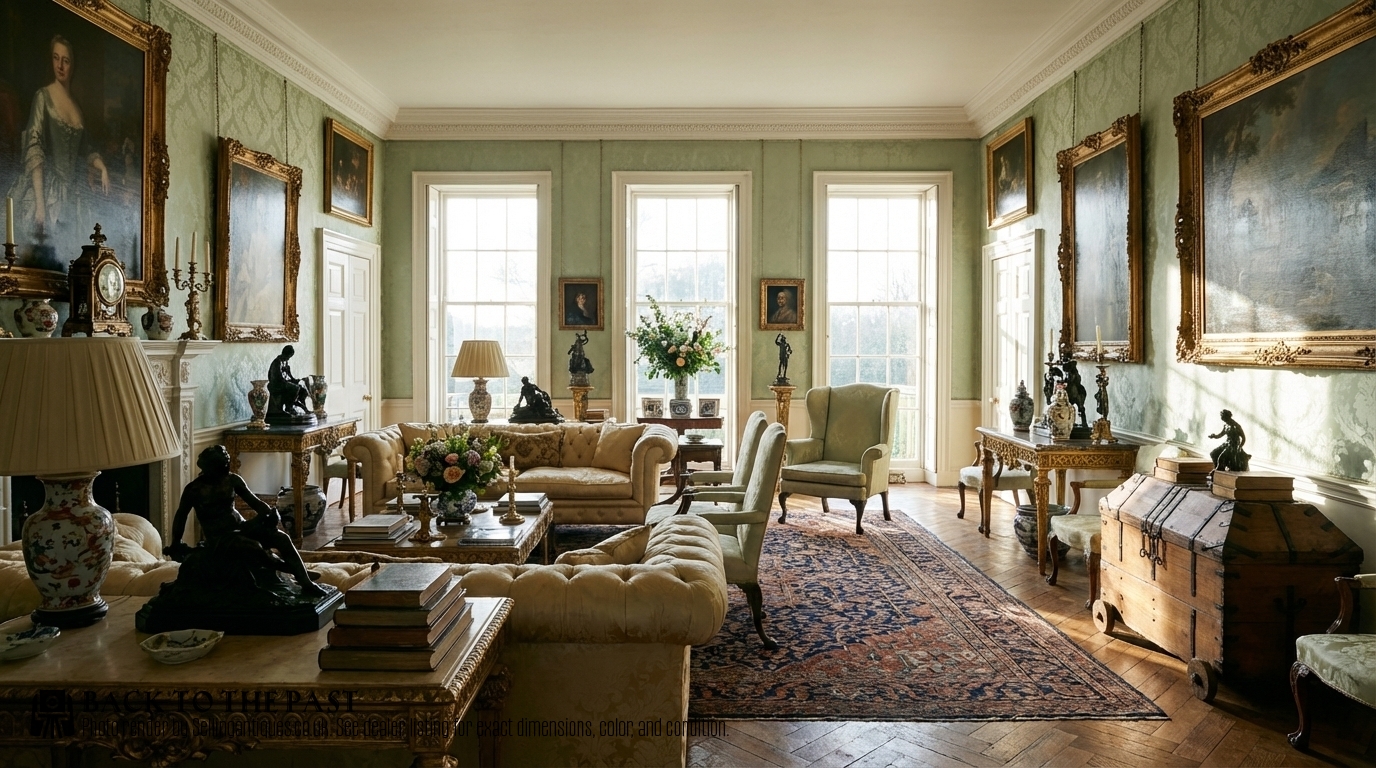
Makers constructed the bodies of these pieces using local timbers such as pine, teak, mahogany, cedar, and oak. Carpenters joined the wooden panels with traditional joinery before reinforcing the corners and seams with iron bands and braces.
Blacksmiths hammered and shaped the wrought iron straps, hinges, and hasps by hand, securing them to the wood with iron or brass nails and rivets. Some examples feature painted surfaces, particularly within Scandinavian folk art traditions where artists decorated the pine exteriors with pigments.
Iron Bound Wood Chest Retail Price Guide 2026
Typical asking prices for iron bound wood chest among the pieces listed under this phrase on Sellingantiques today, from the lower quarter to the upper quarter. They describe what is for sale here now, not the wider market.
The inventory includes global forms such as Japanese tansu chests, Scandinavian painted pine strongboxes, and Anglo-Indian coffers.
What varies in quality
The grade of an iron bound wood chest depends on the integration of its metalwork and timber. Superior examples display precisely fitted dovetail or mortise and tenon joints in the wood, paired with hand-forged ironwork that follows the contours of the box.
The retention of original surface finishes, whether patinated wood, historic paint, or unpolished iron, distinguishes finer survivals from heavily altered pieces. The complexity of the internal compartments, locks, and carrying handles also indicates the original purpose and craftsmanship level of the object.
The Iron Bound Wood Chest Glossary
- Coffer
- A heavy wooden chest, often reinforced with metal straps, used historically for storing valuables and documents. These deep receptacles frequently feature flat lids and sturdy locking mechanisms.
- Strongbox
- A secure container built primarily of iron and wood to protect money and high-value items against theft or fire. They often incorporate complex internal locking systems behind heavy metal doors or lids.
- Tansu
- A traditional Japanese mobile storage chest constructed from woods such as cedar. These pieces often feature sliding panels, small drawers, and iron hardware.
- Campaign chest
- A portable piece of furniture designed to be easily dismantled and transported by military officers on campaign. They typically incorporate brass corners, flush handles, and sectional construction.
- Marriage box
- A decorative container commissioned or given to celebrate a wedding, frequently ornamented with regional folk art motifs. Eighteenth-century Swedish examples often display intricate painted patterns on pine.
Iron Bound Wood Chest: Frequently Asked Questions
How were these chests originally used?
People used these chests to store clothing, valuable documents, money, and household goods safely during travel or at home. Merchants, military officers, and households relied on their secure construction to protect contents from theft, dampness, and rough handling.
Larger versions accommodated bulky blankets or trade goods, while smaller caskets and strongboxes secured currency and precious items. Their heavy iron banding provided structural rigidity that prevented the wooden sides from splitting under stress.
How do I care for an iron chest?
Maintain the timber and metal by keeping the chest in a stable environment away from direct heat sources and excessive moisture. Apply a microcrystalline wax to the iron components periodically to inhibit oxidation without harming the surrounding wood.
Dust the surfaces regularly with a soft, dry cloth rather than using liquid polishes that can degrade historic finishes or seep into unsealed joints. Allowing the wood to breathe naturally preserves the existing patina and structural integrity of the piece.
Where were these pieces made?
The pieces originate from workshops across Europe, Asia, and British colonial territories, reflecting local material availability and cultural design preferences. Scandinavian makers utilised native pine for folk art boxes, while craftsmen in Japan worked with cedar for tansu chests.
Other examples arrived from India and China using dense hardwoods like teak and camphor wood, often featuring characteristic brass or iron mounts. European cabinetmakers produced campaign chests and strongboxes in mahogany, chestnut, and teak for domestic and international use.