


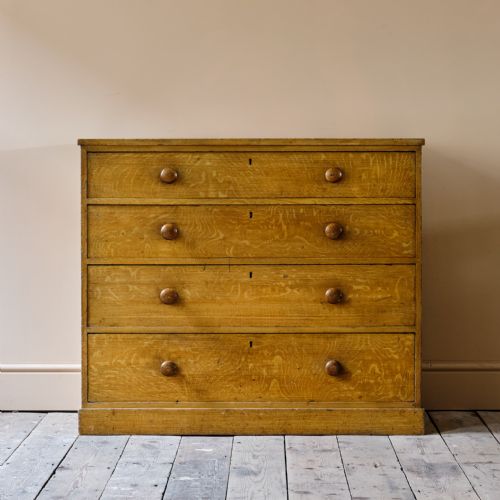


Antique Grain Storage Chest
An antique grain storage chest is a robust timber box or ark built to hold harvests, holding centuries of practical domestic history.
Antique Grain Storage Chest
An antique grain storage chest encompasses sturdy oak arks, painted pine boxes, and robust trunks designed for agricultural and domestic holding. The selection here leans towards seventeenth century oak grain arks and nineteenth century painted storage pieces.
Makers built these vessels from diverse woods including pine, oak, satinwood, and camphorwood to protect dry goods from moisture and pests. Vernacular pieces from Welsh origins sit alongside Georgian mahogany items and Victorian country house boxes.
Regional variations show distinct construction methods, from pegged oak framing in early periods to scumbled painted finishes on later pine chests. Buyers encounter everything from mule chests to blanket boxes and storage trunks.
Materials and Techniques
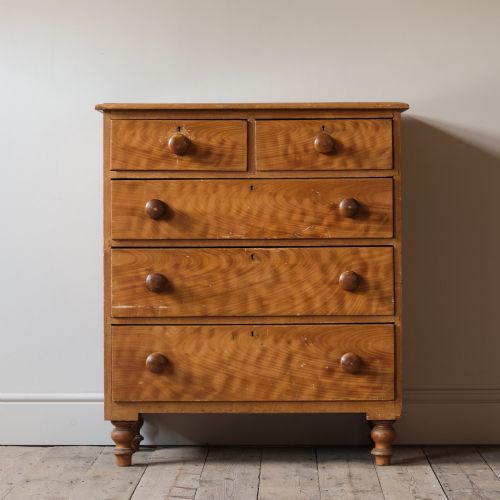
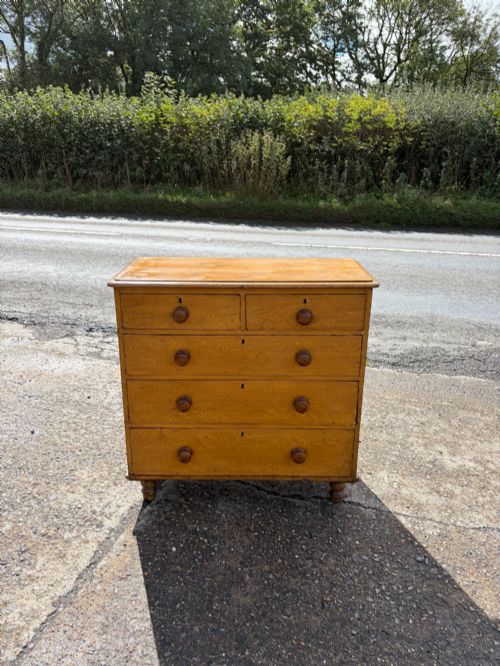
Joiners constructed early grain arks from solid oak utilising traditional pegged joinery to withstand heavy agricultural demands. Later nineteenth century pieces utilised pine and mahogany, often finished with simulated wood paint or scumble effects.
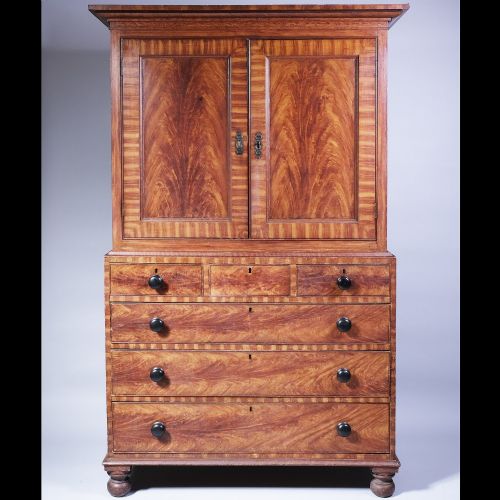
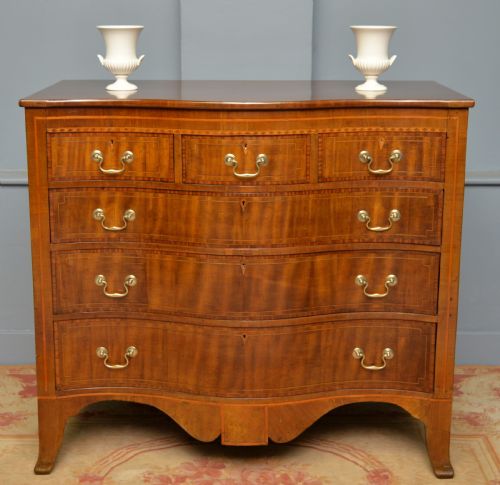
Surface treatments range from natural polished mahogany and satinwood to decorative hand painted scumble layers imitating finer timber grains. Brass and iron hardware such as campaign handles and hinges provide structural reinforcement and functional longevity.
Antique Grain Storage Chest Retail Price Guide 2026
Typical asking prices for grain storage chest among the pieces listed under this phrase on Sellingantiques today, from the lower quarter to the upper quarter. They describe what is for sale here now, not the wider market.
Listings span from the seventeenth century through the Victorian era, incorporating pine, oak, satinwood, mahogany, and camphorwood materials.
Factors of Quality
The integrity of original painted finishes and scumble work separates standard utility boxes from superior decorative examples. Pieces retaining untouched brass handles, original turned knobs, and uncompromised timber structures command greater attention.
The age of the timber and the sophistication of regional vernacular joinery dictate the standing of each piece within its period. Seventeenth century oak arks demonstrate heavy timber framing, whereas Victorian camphorwood and satinwood trunks showcase refined campaign styling.
The Antique Grain Storage Chest Glossary
- Scumble
- A decorative paint technique involving translucent layers dragged over a base coat to simulate wood grain. It gained popularity on nineteenth century pine furniture.
- Mule Chest
- A traditional storage chest featuring one or more drawers built into the base beneath the main compartment. This form bridges the gap between a blanket box and a chest of drawers.
- Campaign Trunk
- A portable storage chest designed for military travel, fitted with recessed brass handles and corner brackets. Solid camphorwood and teak often served in their construction.
- Vernacular
- Architecture and furniture built by local craftsmen using regional traditions and readily available materials rather than high architectural styles. Welsh examples frequently display these local traits.
- Ark
- A large wooden chest traditionally used for storing provisions such as grain or flour. Early seventeenth century examples feature robust heavy oak construction.
Antique Grain Storage Chest: Frequently Asked Questions
What is an antique grain storage chest?
An antique grain storage chest is a heavy wooden box or ark originally used in agricultural settings to keep dry harvests safe from pests and damp conditions. These pieces evolved into domestic storage furniture found in country houses.
Craftsmen built them from durable timbers like oak and pine, frequently applying decorative paint finishes or leaving the wood natural depending on the period.
How do I care for a painted pine chest?
Caring for a painted pine or scumbled chest requires keeping the furniture away from direct sunlight and steady moisture sources to protect the aged finish. Dust the surfaces gently with a dry, soft cloth rather than using harsh chemical polishes.
Maintain stable room humidity to prevent the timber from warping or the historic paint layers from lifting over time.
Are these chests suitable for modern living rooms?
These robust timber chests function exceptionally well in contemporary homes as coffee tables, blanket boxes, or hallway storage solutions. Their generous internal capacities swallow household clutter while adding historic character to a room.
Plain pine, painted surfaces, and rich mahogany variants easily complement both traditional and modern interior design schemes.
How can I tell a seventeenth century ark from a Victorian box?
Seventeenth century grain arks feature heavy solid oak construction with pegged joints and hand-tooled surfaces reflecting early vernacular carpentry. Victorian pieces more commonly utilise pine with scumble paint, satinwood, or camphorwood alongside machine-sawn elements.
Hardware details also help distinguish the eras, with early iron strap hinges contrasting against Victorian brass campaign fittings.