


Antique Italian Cityscape Art
Antique italian cityscape art captures sunlit canals and ancient piazzas, offering a lasting window into historic Mediterranean life that draws serious collectors.
Antique Italian Cityscape Art
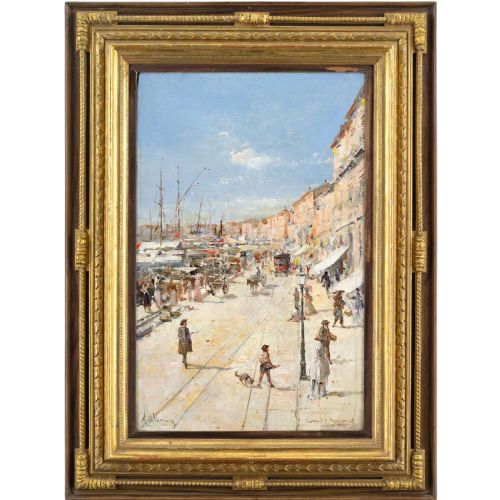
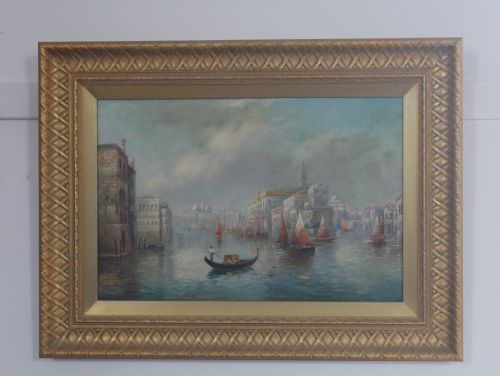
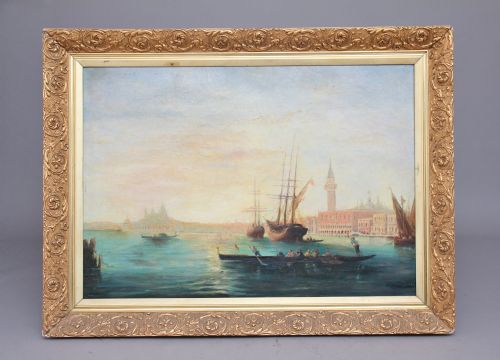
When you search for antique italian cityscape art, you encounter framed paintings and watercolours depicting iconic views of Venice, Rome, and Sicily. These works range from grand nineteenth-century watercolours of the Forum to luminous twentieth-century oil paintings of Venetian lagoons.
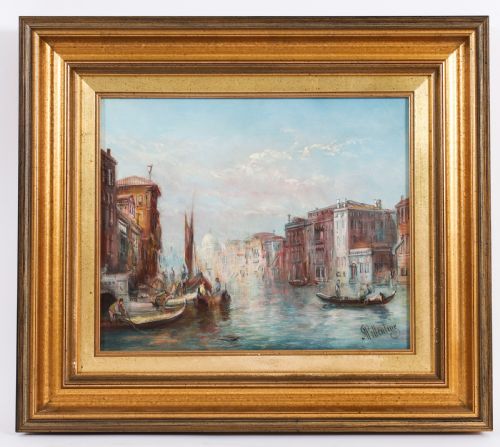
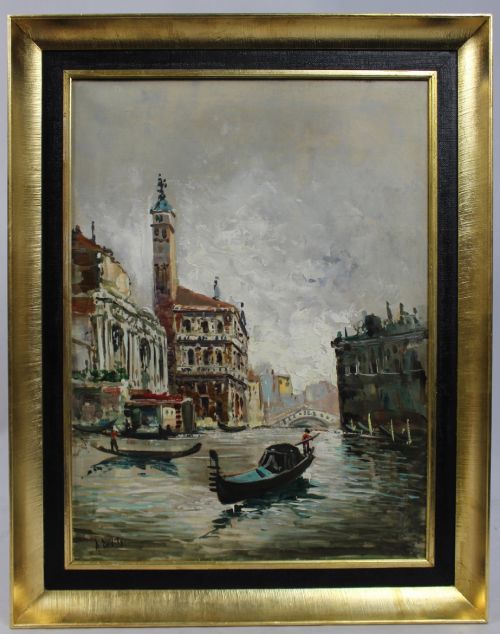
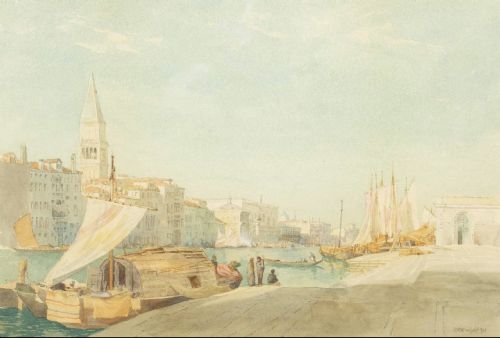
The version you are most likely to meet on this page is a nineteenth-century oil painting or watercolour focusing on the Grand Canal, the Doge's Palace, or Santa Maria della Salute. Artists frequently recorded these famous architectural landmarks during the height of the Grand Tour tradition.
Pieces span multiple decades from the Victorian era through the early twentieth century, occasionally extending into mid-century interpretations. Subjects embrace bustling gondoliers beneath bridges, quiet canal scenes, and sunlit palazzos rendered in impressionist or traditional styles.
Materials and Technique
Makers utilised oil paint on canvas or board, alongside delicate watercolour and gouache on paper, to achieve varied atmospheric effects. Canals and skies benefit from the fluidity of watercolours, while deeper architectural details emerge through layered oil pigments.
Listings feature works executed in oil on canvas, watercolour, pastel, and gouache, spanning from the Victorian era into the mid-twentieth century.
Assessing Quality and Execution
Quality rests upon the artist's ability to capture natural light upon water and stone, distinguishing masterly handling from routine topographical illustration. Works by established Victorian and continental painters demonstrate superior brushwork and compositional balance.
The preservation of the medium, whether oil on canvas or watercolour on paper, alongside the integrity of the original giltwood frame, influences the standing of each piece. Superior examples maintain vibrant pigments and secure canvas tension without extensive restoration.
Alfred Pollentine·Jane Vivian·Antonietta Brandeis·Augusto Alberici·Vittore Zanetti Zilla
The Antique Italian Cityscape Art Glossary
- Grand Tour
- A traditional cultural excursion of Europe undertaken by wealthy young Englishmen in the eighteenth and nineteenth centuries. Participants frequently commissioned local artists to record Italian cityscapes as souvenirs.
- Gouache
- An opaque water-based paint that produces dense, matte colour fields. It appears frequently alongside watercolour and ink in studies of Venetian canals.
- Impressionism
- A style of painting emphasising spontaneous brushwork and the shifting qualities of light. Italian practitioners applied these methods to historic townscapes and lagoons.
- Palazzo
- A grand building or palace in Italy. These architectural subjects form the primary focus of many nineteenth-century urban views.
- Molo
- A paved stone quay in Venice, particularly the waterfront area near the Doge's Palace. It provides a frequent vantage point for historic townscape artists.
Antique Italian Cityscape Art: Frequently Asked Questions
What subjects appear most often in these paintings?
Canals, gondolas, and historic palazzos dominate the visual record, with Venice serving as the primary inspiration for artists. Famous sites like the Grand Canal and the Bridge of Sighs recur across multiple periods.
Roman landmarks, including the Forum and the Spanish Steps, also appear in nineteenth-century watercolours and paintings. These compositions reflect the traditional travel routes of earlier generations.
How do watercolours differ from oil paintings here?
Watercolour works on paper offer a lighter, more translucent quality, capturing bright Mediterranean skies and shimmering water reflections with immediacy. They require protective framing behind glass to preserve the paper and pigments.
Oil paintings on canvas provide richer texture and deeper tonal variation, allowing artists to build up heavy layers of pigment on architectural stonework. These pieces usually display a heavier wooden or gilt frame.
How can I date an Italian cityscape painting?
Dating relies on stylistic clues, artist signatures, framing materials, and inscriptions on the reverse of the canvas or paper. Victorian works often carry specific nineteenth-century exhibition markers or dates.
Later pieces from the early twentieth century shift toward looser impressionistic brushwork. Examining the backing materials and canvas weave also helps confirm the period of creation.
How should I care for these antique artworks?
Keep paintings away from direct sunlight and fluctuating humidity to prevent canvas distortion, paint cracking, or paper fading. Stable indoor environments preserve both the artwork and its original wooden frame.
Dust gilded frames gently with a soft dry brush and avoid chemical cleaners. For paper works, ensure the glazing remains intact and sealed against moisture.