


Impasto Oil Landscape Artwork
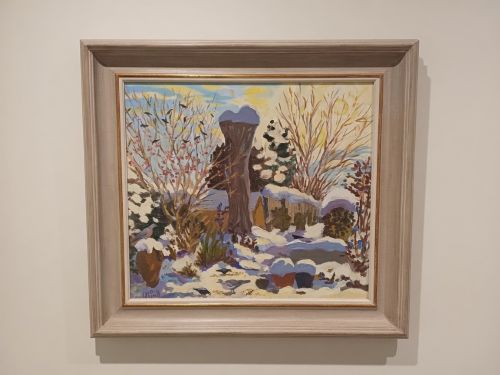
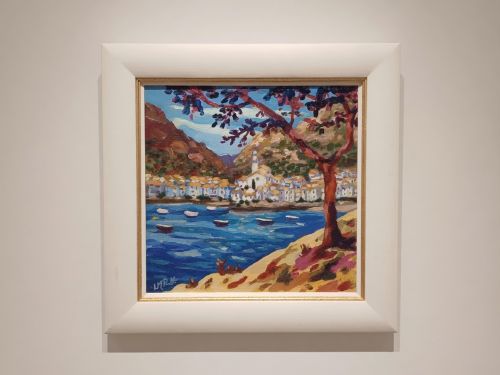
Impasto oil landscape artwork brings tangible texture and rich colour to interior spaces through thick, applied paint.
Impasto Oil Landscape Artwork
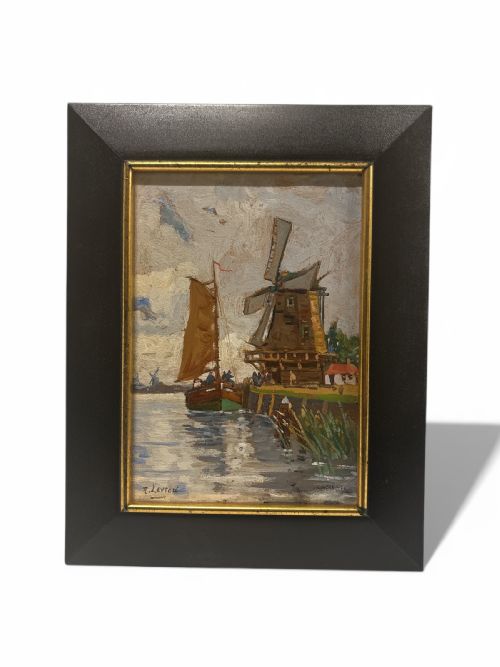
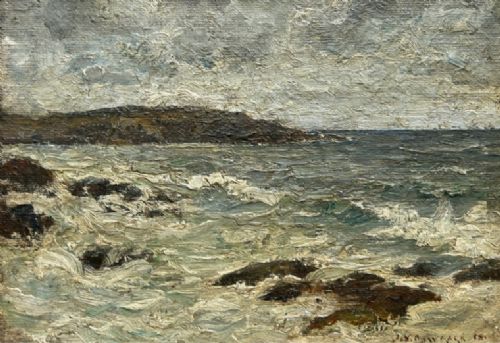
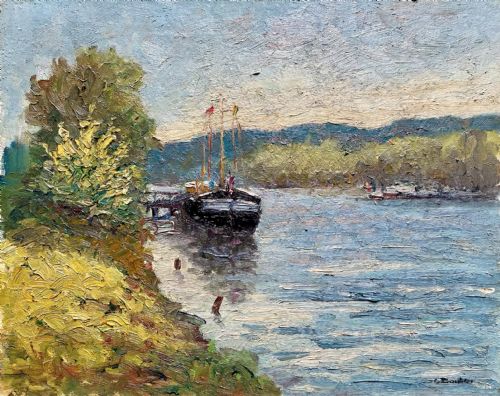
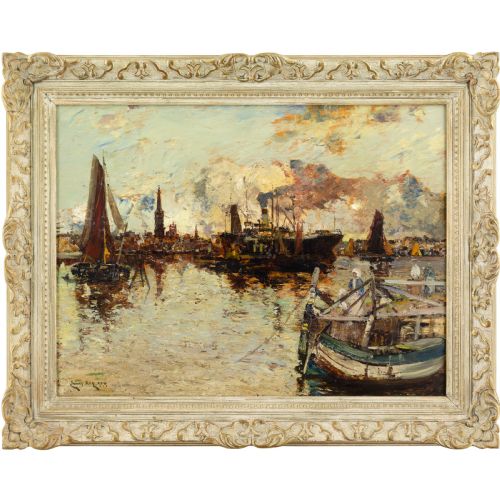
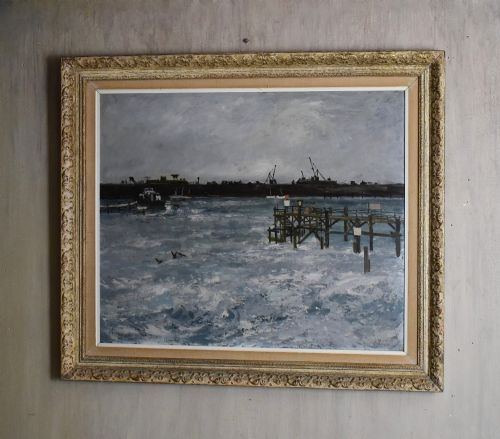
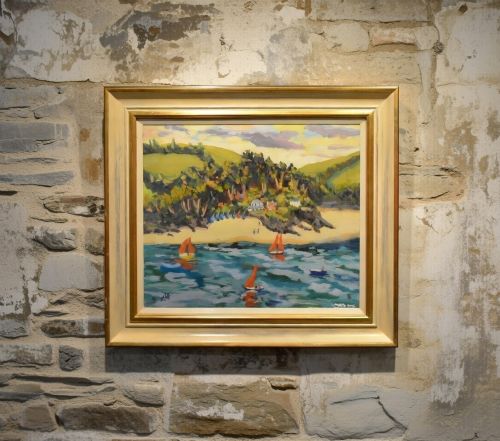
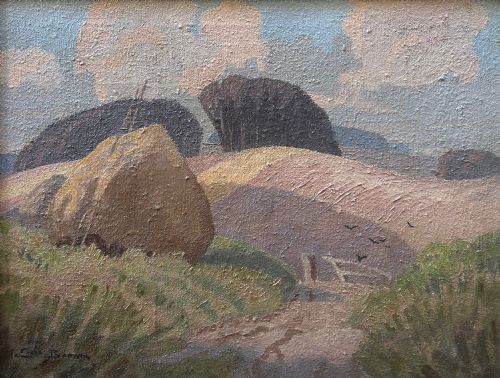
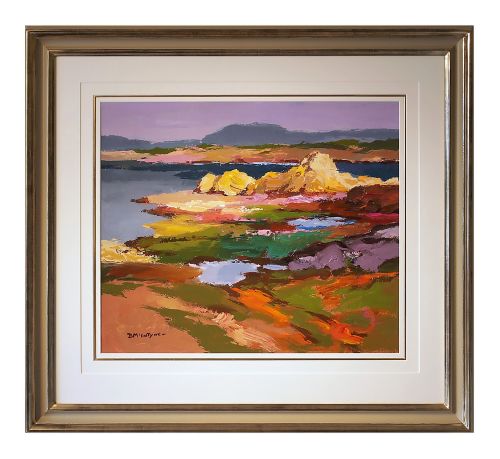
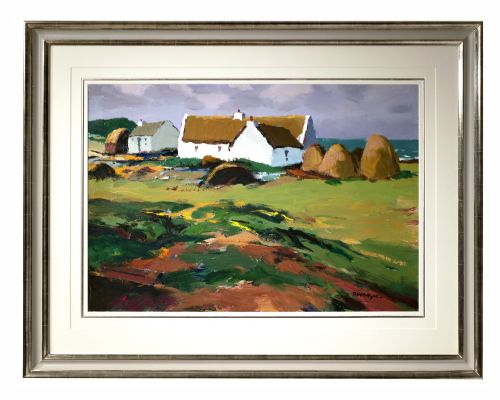
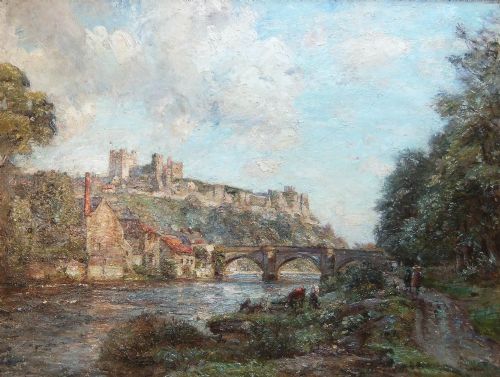
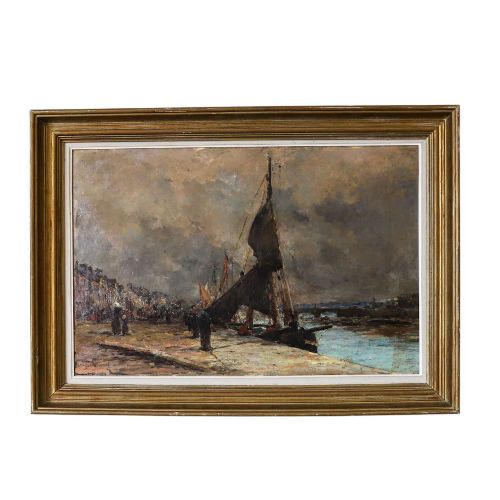
When searching for impasto oil landscape artwork, collectors encounter works defined by heavy pigment application that creates physical relief on the surface. These pieces capture rural scenes, coastal harbours, and urban townscapes through visible, raised brushstrokes.
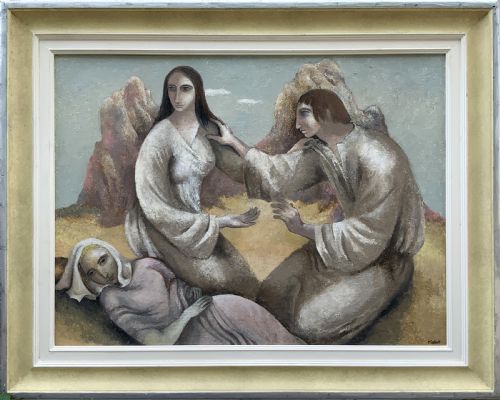
The selections span from the Edwardian era through the mid-twentieth century, including British Impressionism, Post-Impressionism, and Mid-Century Modern movements. Works range from intimate board panels to large canvas compositions housed in original gilt wood frames.
Materials and methods
Artists built these compositions using oil paint applied thickly with hog-bristle brushes or palette knives onto stretched canvas and rigid wooden boards. This physical layering method leaves distinct ridges and tool marks that catch the light and add dimensional depth.
Framing forms an integral part of the physical object, with many mid-century examples retained in period gilt wood frames that complement the heavy surface texture of the pigments.
Several coastal scenes preserve actual grains of sand embedded directly into the thick impasto layers by windy shoreline painters.
Differentiating quality
Quality rests in the confidence and purpose behind the knife or brush work, where deliberate, tactile gestures create form and light rather than mere surface bulk. The most successful examples balance heavy pigment application with coherent composition and tonal harmony.
Condition of the thick paint layer remains vital, as stable adhesion without cracking distinguishes well-preserved works from those suffering from pigment shrinkage or improper drying over time.
James Kay RSW·Donald McIntyre·Herbert Royle·Lilian Colbourn·Helen Layfield Bradley·Jean-Baptiste Olive·James Fry·Cecil Rochfort D'Oyly-John
The Impasto Oil Landscape Artwork Glossary
- Impasto
- A technique where oil paint is laid onto a surface in very thick layers that stand out from it. This allows the texture of the brush or palette knife to remain visible.
- Post-Impressionism
- An art movement developing roughly from the late nineteenth century that extended impressionism while rejecting its limitations. Artists focused on heavier symbolism and expressive use of paint.
- Gilt wood
- Wood that has been coated with a thin layer of gold leaf or gold paint. Frames using this material frequently accompany vintage landscape works.
Impasto Oil Landscape Artwork: Frequently Asked Questions
How do I clean an impasto oil painting?
Dust accumulation requires gentle removal using a soft, dry artist brush across the raised paint ridges.
Liquid cleaners must be avoided entirely to prevent moisture damage to the exposed oil pigments and wooden supports.
Are these paintings supplied framed?
Many listings feature period surrounds, including gilt wood frames appropriate to the mid-century creation date.
Individual descriptions specify whether the artwork retains its original period housing or is sold unmounted.
What periods do these artworks cover?
The available selection primarily spans the early twentieth century through the 1960s, encompassing Edwardian and mid-century modern movements.
Specific dates are determined by artist lifespans, signature evidence, and stylistic indicators within each composition.
How should I hang a heavy textured painting?
Substantial canvas and board weights require secure wall anchors and sturdy picture wire attached directly to the wooden frame.
Placement should avoid direct sunlight and dramatic temperature shifts that affect oil paint stability.