
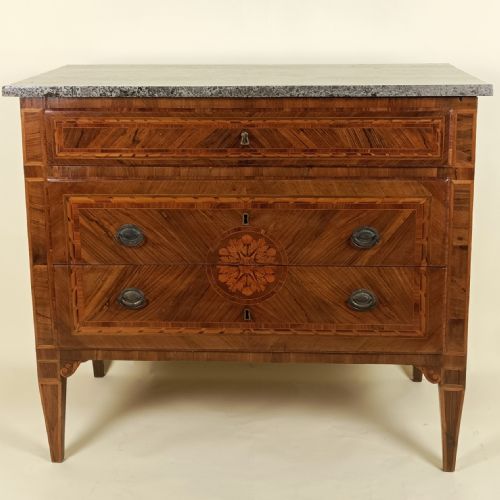
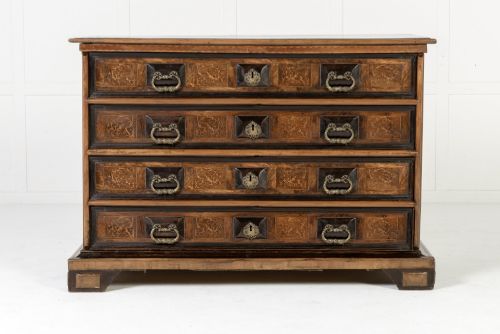


Antique Italian Chest
An antique italian chest brings the presence of centuries of regional cabinet-making into a room, combining architectural timber forms with decorative painting, marquetry or carving.
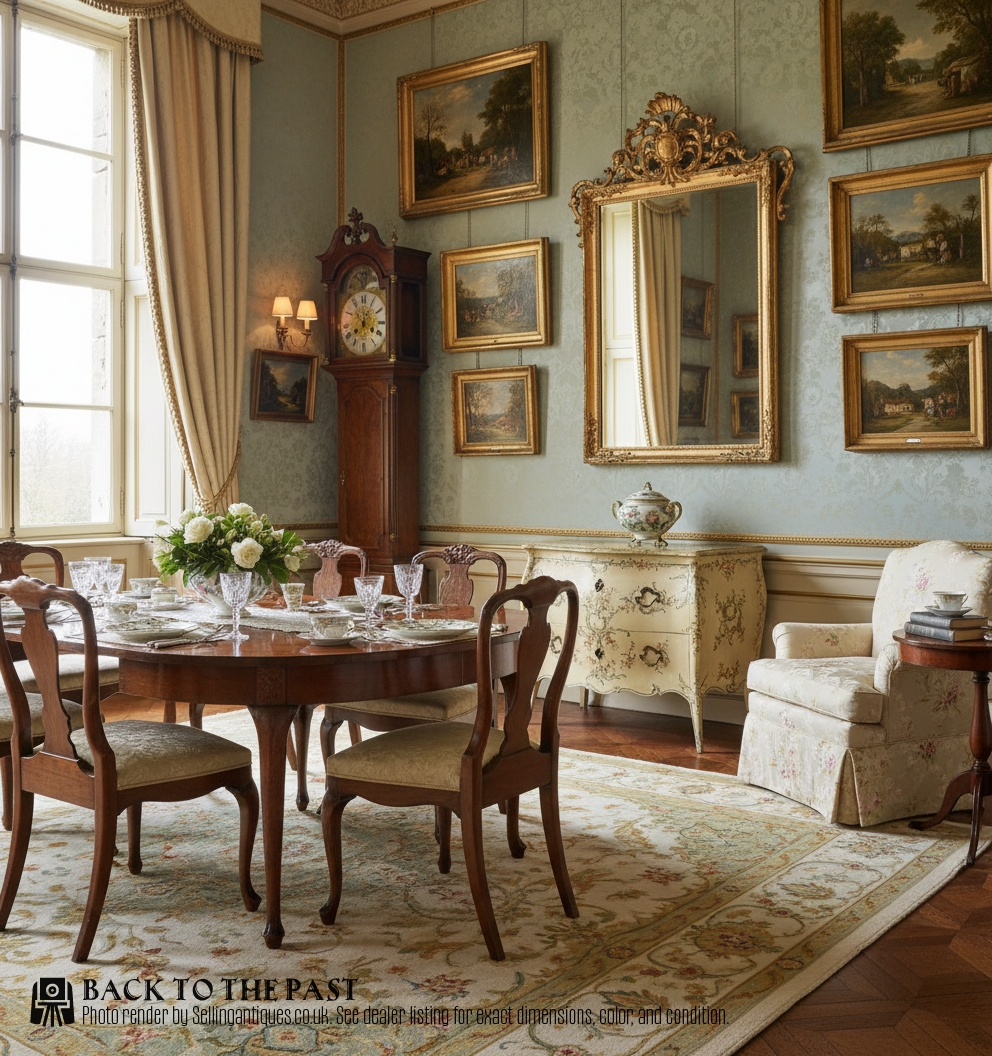
Antique Italian Chest
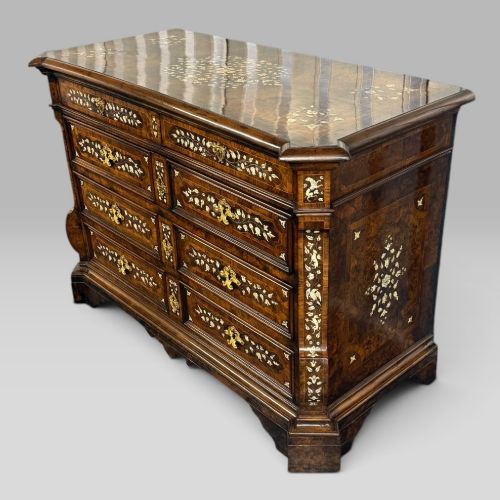
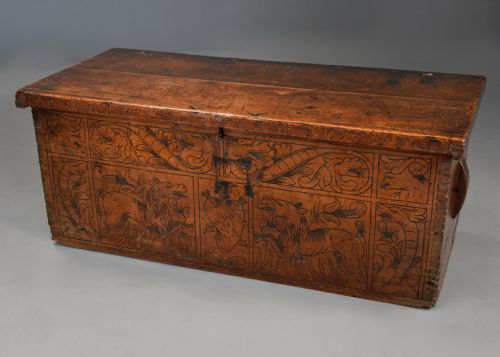
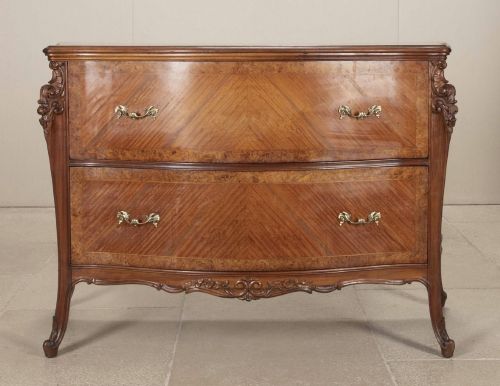
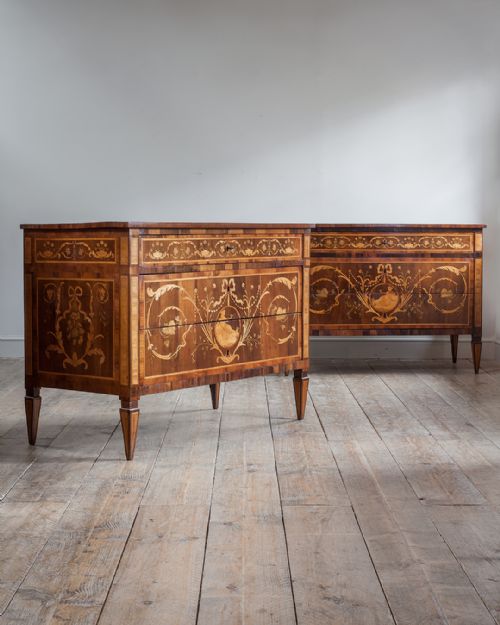
An antique italian chest encompasses a wide range of forms originating from different regions, spanning grand walnut marriage cassones from the seventeenth century to serpentine commodes and painted bedside tables of the eighteenth and nineteenth centuries.
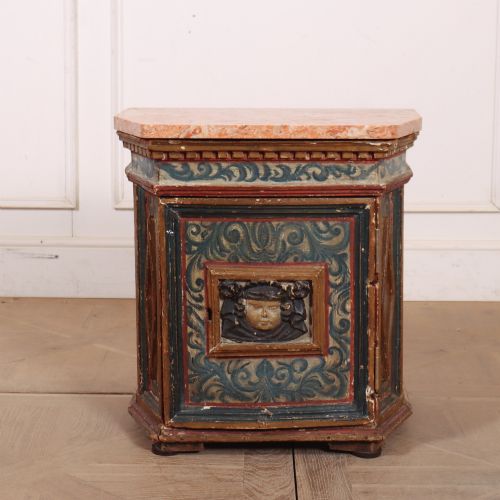
The buyer meets many distinct typologies on this page, including heavy cedarwood and cypress coffers alongside refined Lombardy marquetry chests of drawers, Venetian painted commodes with pastoral scenes, and compact walnut bedside chests.
Pieces frequently reflect specific regional movements, such as Italian Baroque, Rococo and Neoclassical styles, with construction dates stretching from the seventeenth century through to the Victorian era and the early twentieth century.
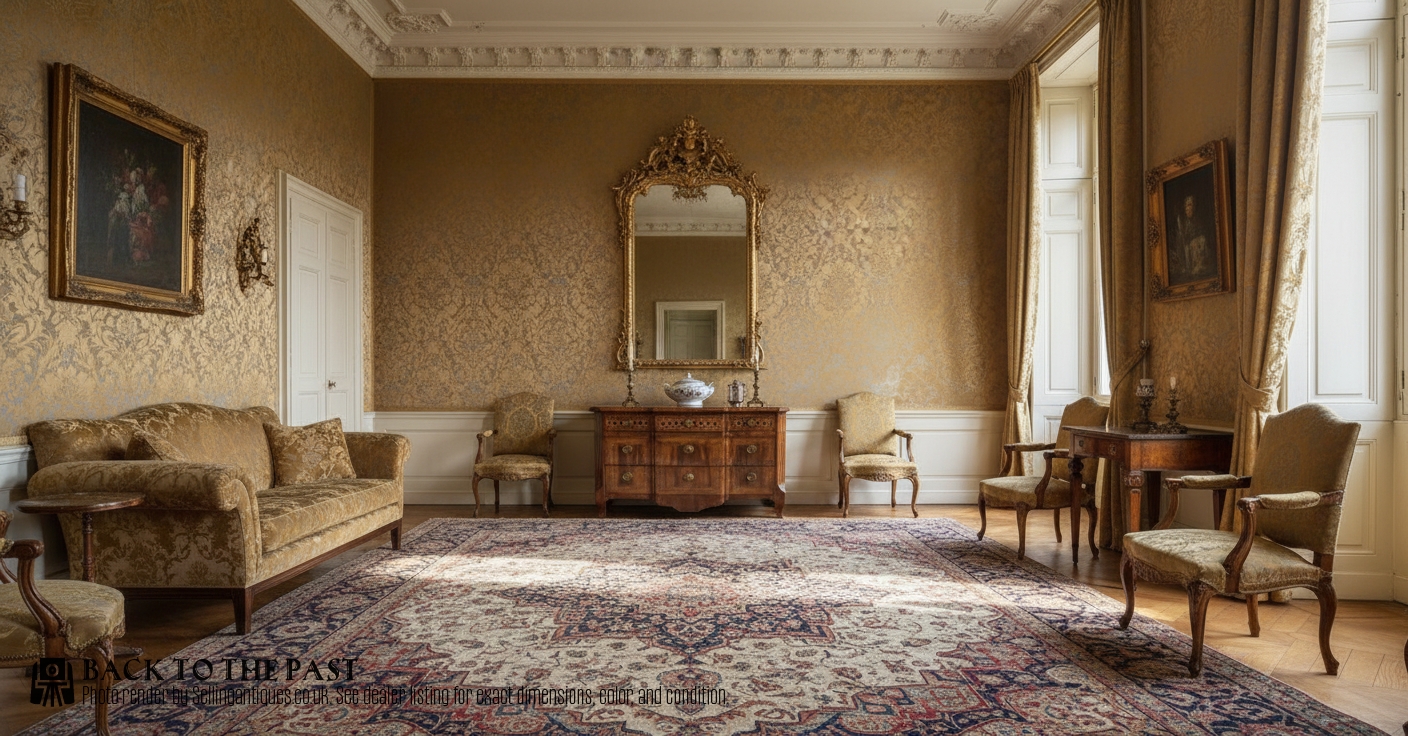
Materials and Construction
Cabinet-makers relied primarily on solid walnut, burr walnut, fruitwood and kingwood, often enhanced with contrasting veneers, ebony stringing, bone inlays, or parcel-gilt decorations applied to cypress and cedar.
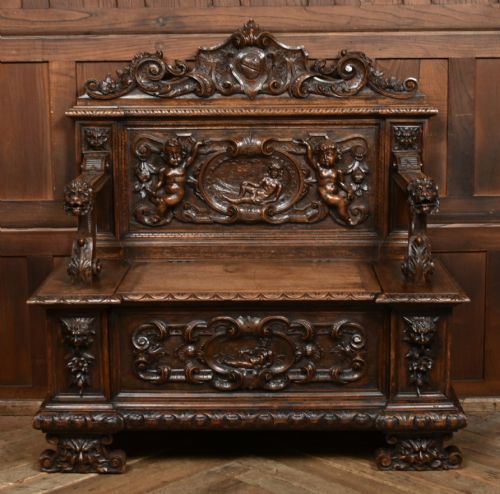
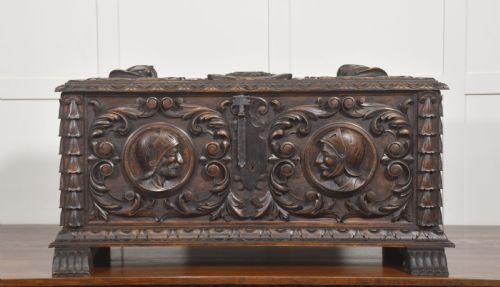
Surface ornament defined much of the construction process, ranging from hand-carved figural medallions and high-relief Renaissance revival motifs to delicate floral marquetry and hand-painted Venetian decoration.
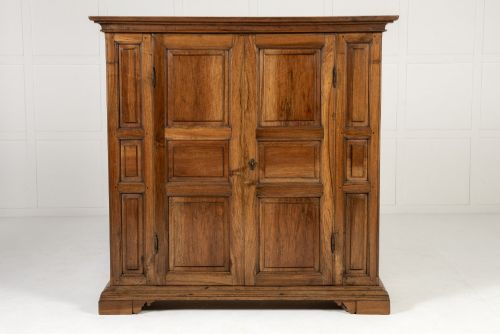
Structural elements incorporated brass handles and keyplates, iron hinges on earlier coffers, and inset marble tops on later commodes and washstands.
Listings feature walnut, mahogany, fruitwood, and painted wood spanning the seventeenth to the twentieth century.
Evaluating Execution
Quality rests upon the crispness of the carving, the precision of the marquetry layout, and the balance of the serpentine or bombe proportions rather than mere age alone.
The integrity of the original surface patina separates standard regional pieces from exceptional examples, particularly where hand-painted decoration, gilding or timber grain remain undisturbed by later restoration.
Finer furniture displays superior timber selection, especially in figured burr walnut and kingwood veneers, joined with traditional cabinet-making methods suited to the specific period.
Grand Ducal Workshops
The Antique Italian Chest Glossary
- Cassone
- A large chest or coffer traditionally used in Italy for holding a bride's trousseau. These pieces are often richly carved, painted or gilded.
- Commode
- A low chest of drawers developed in France and widely adopted in Italy during the eighteenth century. They frequently feature serpentine or bombe fronts.
- Marquetry
- The art of applying decorative pieces of veneer to a structure to form intricate geometrical or pictorial designs. Craftsmen utilise various woods, bone and metal.
- Bombe
- A bulging, outward-curving furniture shape characteristic of Baroque and Rococo design. This undulating profile requires advanced woodworking skill to execute properly.
- Cassapanca
- A traditional wooden bench with a built-in chest beneath the seat. It combines seating and storage within a single architectural form.
Antique Italian Chest: Frequently Asked Questions
What is a cassone?
A cassone is a large traditional Italian chest or coffer, often commissioned for a marriage to hold household linens and valuable goods.
These marriage chests served as prominent pieces of furniture in wealthy households, frequently decorated with elaborate carvings, paintings or gilded motifs.
How do I identify a commode?
A commode is essentially a decorative chest of drawers designed for domestic use in reception rooms or bedrooms.
Italian examples often display serpentine or bombe fronts, standing upon short legs and finished with marquetry, painted scenes or marble tops.
What woods were used?
Walnut serves as the predominant timber across Italian furniture-making, appearing in both solid form and as burr walnut veneer.
Cabinet-makers also utilised cypress, cedar, fruitwood, satinwood and kingwood, often combining contrasting timbers for decorative inlay work.
How should I care for a painted chest?
Painted chests require careful placement away from direct sunlight and fluctuating humidity to protect the delicate pigments and gesso surfaces.
Dusting should be performed gently with a dry, soft cloth without applying liquid polishes or modern cleaning solvents.